Source PVC Industrial Pendant Cable for Factory, Mining, and Power
Find 30 listings for PVC Industrial Pendant Cable with copper conductors and PVC insulation. Compare stranded wire options, voltage ratings, and certifications like CCC and ISO from suppliers in Henan and Liaoning, China; compare the available evidence and request quotations based on your requirements.
Updated
Key considerations
Products List


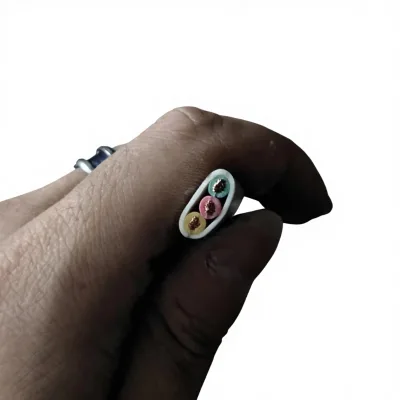
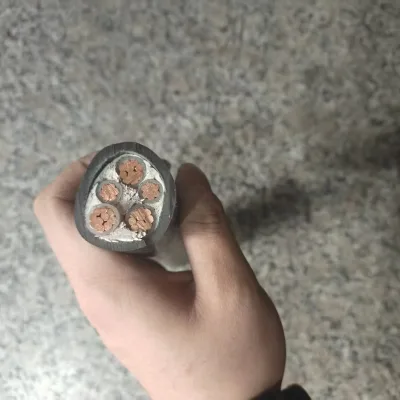
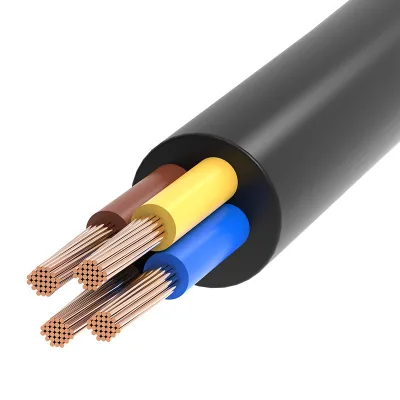


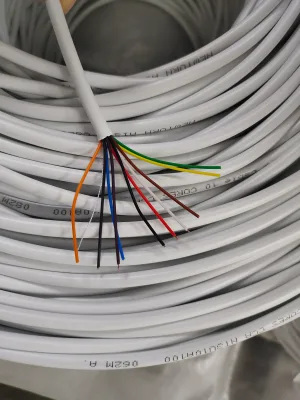
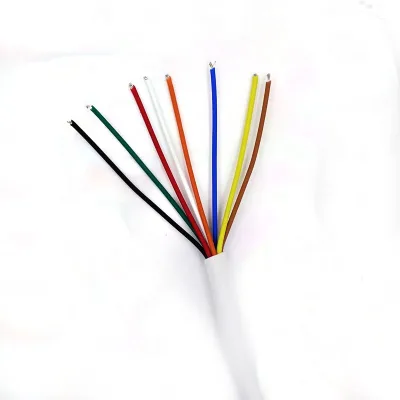
Control Cable CE Certified PVC for Household Appliances and Office Equipment
$10.2401 - $81.9165
MOQ: 100 Minimum
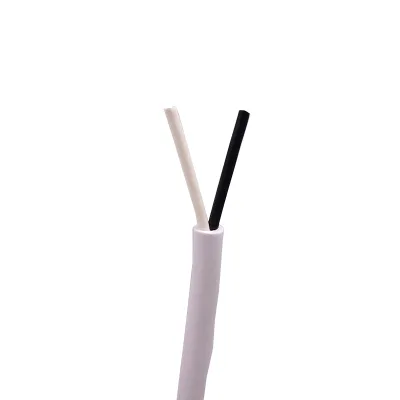
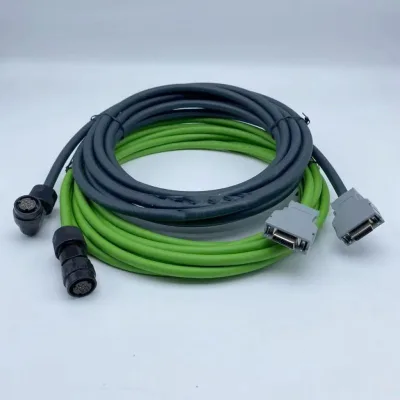
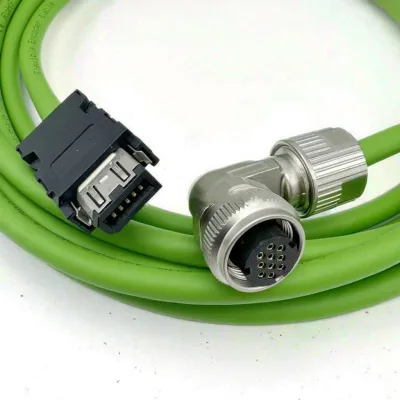


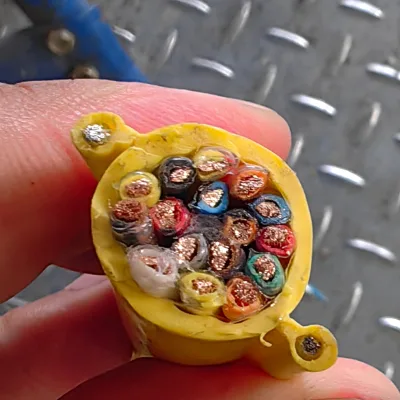

Pendant 2s Yellow UL/CSA PVC Round Pendant Cable with Two Steel Messengers.
$2.30 - $10.68
MOQ: 100 Meters

Comprehensive Sourcing Guide
PVC Industrial Pendant Cable Sourcing Guide
Sourcing PVC industrial pendant cables requires careful attention to material composition and structural integrity, as these components endure frequent mechanical stress and environmental exposure. The supplied data indicates that conductor materials are predominantly copper, ensuring high conductivity and durability for industrial applications. Insulation and jacket materials are listed as PVC, which provides essential flexibility and resistance to oils, chemicals, and abrasion common in factory settings. Buyers must verify that the specific cable model matches their voltage requirements, as observed listings show ratings such as 300/500V and 450/750V.
Procurement decisions should also consider the physical form and packaging of the cable to ensure safe handling and installation. Observed attributes include stranded conductors and round wire shapes, which enhance flexibility for moving pendant applications. Packaging is typically provided in rolls, drums, or coils, with some suppliers offering wooden drums suitable for export. The origin of these products is primarily China, with specific mentions of Henan and Liaoning provinces. Buyers should confirm the exact model numbers, such as 11CX0.75mm2 or control cable variants, to align with their engineering specifications and ensure compatibility with existing infrastructure.
Product Scope and Observed Listing Signals
The market for PVC industrial pendant cables presents a diverse range of product models, from coaxial cables to heavy-duty control and power cables. Observed listings include specific models like VV, YJV, RVV, and KVV, indicating a broad scope that covers both signal transmission and power distribution needs. The price range observed in USD spans from 0.1 to 100, reflecting variations in conductor size, insulation thickness, and overall cable construction. This wide range suggests that buyers can find options for both small-scale instrumentation and large-scale industrial power applications, depending on their specific budget and performance requirements.
Minimum Order Quantities (MOQ) vary significantly, with observed ranges from 1 to 20,000 units, allowing flexibility for both prototype testing and bulk procurement. Some suppliers list an MOQ of 5km, which is typical for industrial cable orders, while others may accommodate smaller requests. The customization option is available across many listings, enabling buyers to tailor cable specifications to unique operational needs. Additionally, the presence of multi-core configurations and various insulation materials like XLPE or PVC offers further versatility. Buyers should evaluate these signals to determine which product attributes align with their project scale and technical demands.
Technical Specifications to Verify
Verifying technical specifications is critical to ensuring the cable performs reliably under industrial conditions. Buyers must confirm the conductor material is copper and the insulation is PVC or XLPE, as these materials dictate electrical performance and heat resistance. The voltage rating, observed as 300/500V or 450/750V, must match the system’s operational requirements to prevent insulation breakdown. Additionally, the screen type, such as copper wire screen, should be verified for applications requiring electromagnetic interference protection. The sheath material, listed as PE or PVC, offers additional protection against environmental factors, and its selection should be based on the specific chemical and physical hazards present in the installation site.
Further verification should include the cable’s standard compliance and physical dimensions. Observed standards include BS, IEC, ASTM, and DIN, which provide a framework for quality and safety. Buyers should check the number of cores, as multi-core cables are common for control applications. The length specifications, such as 1m or standard roll lengths, must be confirmed to avoid installation issues. The produceing experience of 15 years mentioned by some suppliers may indicate stability, but buyers should still request detailed technical datasheets to validate performance claims. Ensuring these specifications are met is essential for long-term reliability and safety in industrial environments.
Compliance and Safety Documentation
Compliance with international and regional standards is a non-negotiable aspect of sourcing industrial cables. The supplied data lists certifications such as CCC, CE, ISO, and RoHS, which indicate adherence to specific safety and environmental regulations. Buyers must verify that the certificates are current and applicable to the specific cable model being purchased. The presence of SGS standards in some listings suggests third-party testing may be available, providing an additional layer of assurance. It is crucial to request valid certification documents from the supplier to confirm that the products meet the regulatory requirements of the destination country, avoiding potential customs delays or legal issues.
Safety documentation should also include material safety data sheets and test reports for flame retardancy and toxicity. While CE and REACH are mentioned in low-confidence background data, buyers should not assume compliance without explicit verification from the supplier. The export experience to regions like Southeast Asia, Middle East, Africa, Russia, and South America indicates that suppliers are familiar with diverse regulatory landscapes. However, buyers must independently confirm that the cable meets local codes, such as NEC in the US or IEC standards in Europe. Proper documentation ensures that the installed cables are safe for workers and compliant with environmental regulations, reducing liability and operational risks.
Cost Drivers and Commercial Terms
Understanding the cost drivers for PVC industrial pendant cables helps buyers negotiate better terms and avoid unexpected expenses. The primary cost factors include the price of copper, the complexity of the cable construction, and the volume of the order. Observed MOQs of 5km suggest that larger orders may yield better unit prices, while smaller quantities might incur higher costs due to setup and handling fees. The packaging method, such as wooden drums or coils, can also impact shipping costs, especially for international orders. Buyers should consider the total landed cost, including freight, insurance, and duties, rather than just the unit price, to make accurate budget comparisons.
Commercial terms and payment methods are also significant considerations in the procurement process. The supplied data lists T/T and L/C as common terms of payment, offering flexibility for different financial arrangements. Buyers should clarify the delivery terms, such as FOB or CIF, to understand who bears the risk during transit. The port of shipment, mentioned as Qindao, is a key logistical detail that affects lead times and shipping routes. Additionally, the customized nature of some cables may introduce additional costs for tooling or special configurations. Clear communication of these terms ensures a smooth transaction and prevents disputes over pricing and delivery expectations.
Supplier Qualification and Quality Control
Supplier qualification is essential to ensure consistent quality and reliable supply of PVC industrial pendant cables. Buyers should verify the supplier’s production experience, with some listings claiming 15 years of experience, which may indicate stability and expertise. The place of origin, primarily Henan and Liaoning in China, should be cross-referenced with the supplier’s actual facility location to avoid misrepresentation. Quality control processes, such as ISO certification, suggest a structured approach to manufacturing, but buyers should request detailed quality assurance plans. This includes in-process inspections, final product testing, and traceability measures to ensure each batch meets the specified standards.
Effective quality control also involves third-party inspections and sample testing before mass production. Buyers should consider hiring independent inspection agencies to verify the cable’s dimensions, insulation thickness, and electrical properties. The export experience to regions like Indonesia, Philippines, Australia, and South Africa indicates that suppliers are accustomed to international quality expectations. However, buyers must not rely solely on past experience; they should establish clear quality benchmarks and acceptance criteria in the contract. Regular audits and performance reviews can help maintain high standards and identify potential issues early, ensuring that the supplied cables meet the rigorous demands of industrial applications.
Long-Term Procurement Checks
Long-term procurement success depends on establishing robust relationships and continuous monitoring of supplier performance. Buyers should implement a system for tracking delivery times, product quality, and responsiveness to issues. The observed export destinations, including Russia, South America, Africa, and the Middle East, suggest that suppliers have experience with diverse logistical challenges. Buyers should leverage this experience to negotiate favorable terms for future orders. Regular communication and feedback loops can help identify areas for improvement and foster a collaborative partnership. This proactive approach ensures that the supply chain remains resilient and adaptable to changing market conditions.
Additionally, buyers should stay informed about changes in standards and regulations that may affect cable specifications. The listed standards, such as BS, IEC, ASTM, and DIN, may be updated over time, requiring periodic re-verification of compliance. Buyers should maintain a database of certified suppliers and regularly review their credentials. This includes checking for any changes in certification status or production capabilities. By staying vigilant and proactive, buyers can mitigate risks and ensure a steady supply of high-quality PVC industrial pendant cables. This long-term perspective supports operational continuity and helps maintain the safety and efficiency of industrial operations.
FAQs
What materials are used in this cable?
The conductor material is copper and the insulation material is PVC. The jacket is also made of PVC, while the screen consists of copper wire. The material shape is round wire, and the type is insulated. These components ensure reliable electrical performance for industrial applications.
What certifications does the product have?
The product holds CCC, CE, and ISO certifications. Additional certifications include RoHS and SGS standards. These credentials verify compliance with international safety and quality requirements. Buyers can rely on these documented standards for regulatory approval in various global markets and industrial sectors.
What is the minimum order quantity?
The minimum order quantity is 5km. Packaging is available in rolls or drums, with options for 100m per roll or custom requests. Wooden drums are suitable for exporting. This flexible MOQ allows buyers to order suitable quantities for their specific project needs and inventory requirements.
Where is the product manufactured?
The product originates from Henan, China, specifically Zhengzhou. Another origin listed is Liaoning, China. The port of shipment is Qindao. This location provides access to established manufacturing hubs and logistics routes, ensuring efficient supply chain management for international buyers sourcing from mainland China.
Can the cable be customized?
Yes, customization is available for this cable. The product supports customized requirements to meet specific project needs. Buyers can request specific packing, voltage, or core configurations. This flexibility allows for tailored solutions in construction, industrial, and power station applications, ensuring the cable fits exact operational parameters.
What are the voltage ratings?
The voltage ratings are 300/500V and 450/750V. The cable is designed for low and medium voltage applications. These ratings make it suitable for various industrial and power station uses. Buyers should verify specific voltage requirements against their system specifications to ensure safe and compliant electrical installation.