Source Breathable Height Increasing Insoles for sports, daily wear, and work
Compare 30 Breathable Height Increasing Insoles from verified suppliers. Options include EVA materials, multiple height increments, and shock absorption features for men and women. These inserts offer various sizes and customization options to meet diverse needs while ensuring comfort during extended use.
Updated
Key considerations
Products List


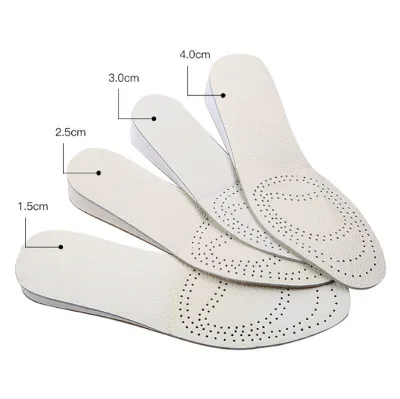
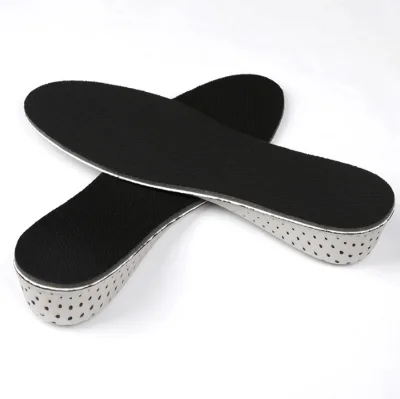
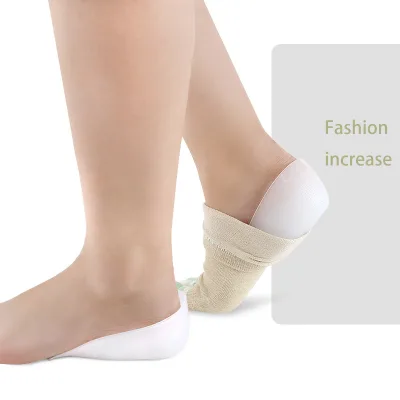
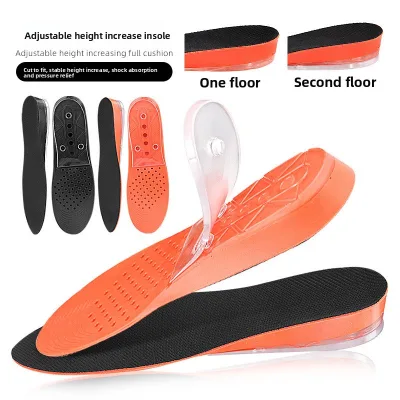
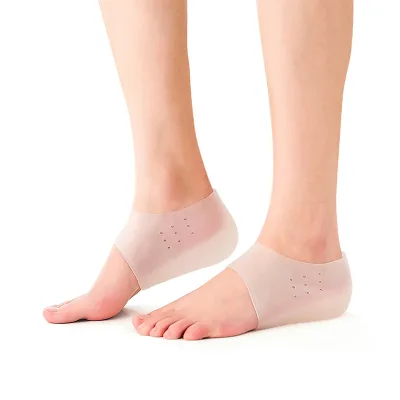
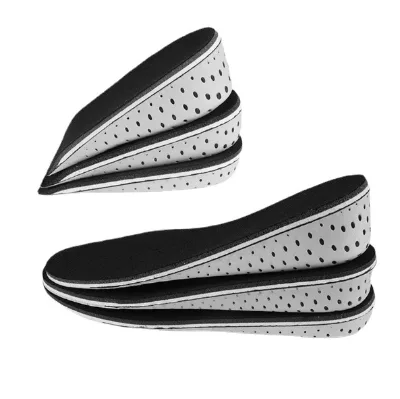
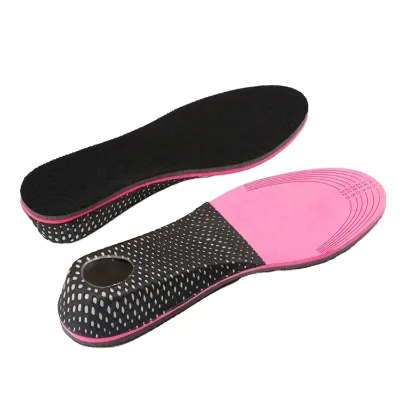

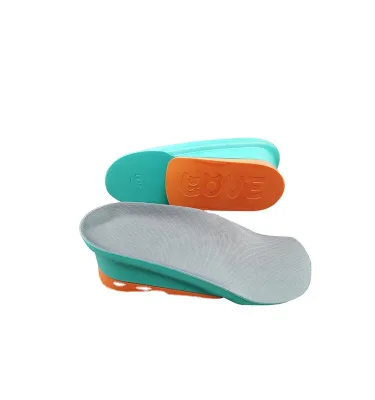
Memory Foam Height Increase Insole Breathable Invisible Increased Insole
$1.10 - $1.50
MOQ: 1000 Pairs


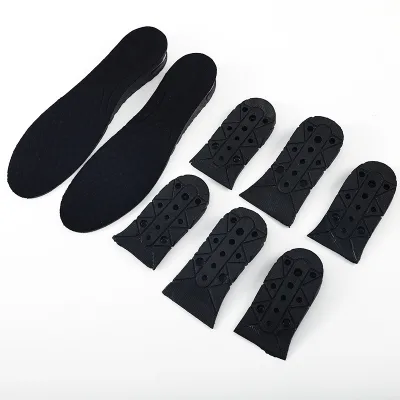
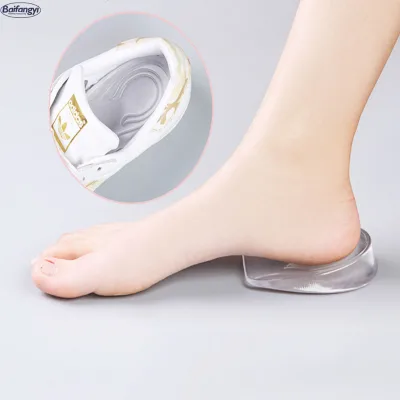
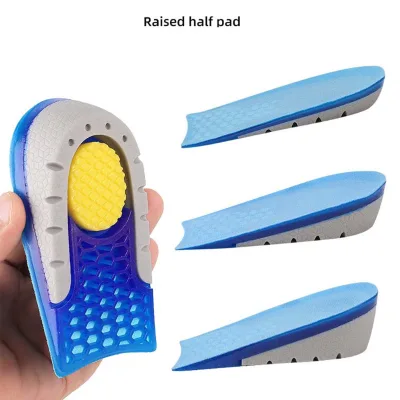
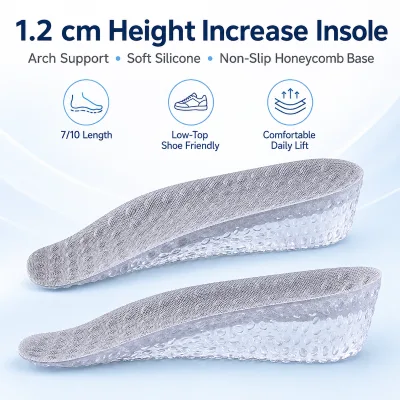
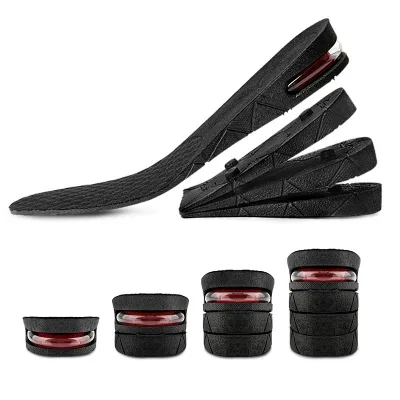
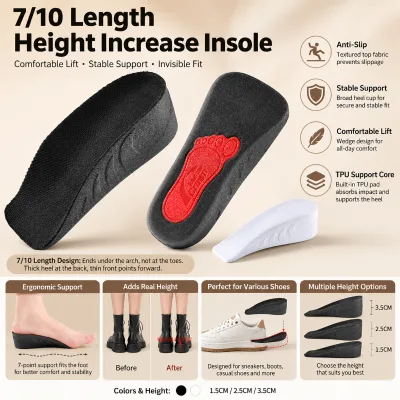
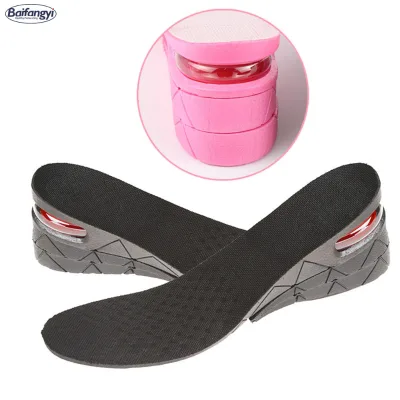
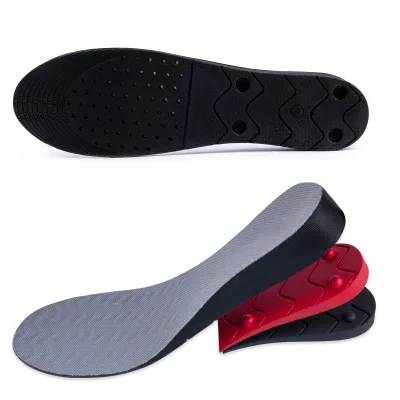
Comprehensive Sourcing Guide
Breathable Height Increasing Insoles Sourcing Guide
Procuring Breathable Height Increasing Insoles requires a strategic balance between aesthetic enhancement and functional comfort, particularly for unisex footwear applications. The market offers diverse options ranging from standard EVA materials to specialized shock-absorbing designs, with observed listing signals indicating a strong emphasis on customization and varied height increments. Buyers must navigate a landscape where product attributes such as gender neutrality and specific size ranges are critical for inventory planning. The presence of multiple model numbers, including YSYZ298 and YSH002, suggests a fragmented supply chain with distinct manufacturing lines catering to different market segments.
Understanding the physical dimensions and packaging requirements is essential for logistics optimization, as single package sizes vary significantly across suppliers. Observed data highlights package dimensions such as 30x15x5cm and 32x12x10cm, which directly impact shipping costs and storage efficiency. Furthermore, the availability of customized packing options allows buyers to tailor branding efforts, while the single item selling unit structure simplifies initial sampling processes. These logistical details must be weighed against the functional benefits of height increase, ensuring that the chosen insoles meet both aesthetic goals and practical distribution needs without compromising on material integrity or user comfort.
Product Scope and Observed Listing Signals
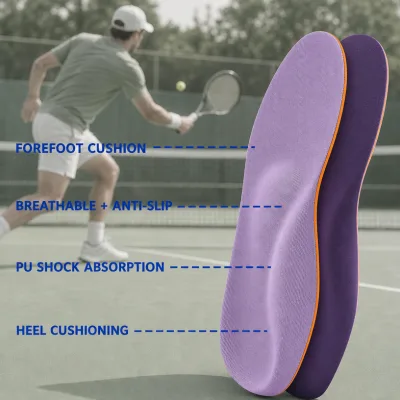
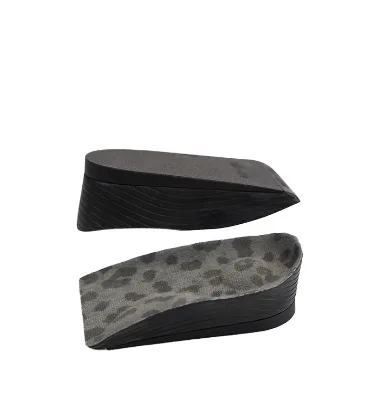
The product scope for Breathable Height Increasing Insoles encompasses a wide array of functional and aesthetic features, primarily targeting unisex consumers seeking subtle to significant height augmentation. Observed listings reveal a strong correlation between height options and specific model identifiers, with heights ranging from 1.5 cm to 7.5 cm available across different SKUs. The material composition, predominantly EVA, indicates a focus on lightweight durability and shock absorption, which are critical for all-day wear. Buyers should note that while some products emphasize sports functionality, others prioritize general comfort, necessitating a clear definition of the end-use scenario before initiating procurement.
Listing signals also highlight the importance of size compatibility, with many suppliers offering specific US size mappings that correspond to precise height increments. For instance, certain models provide detailed size charts linking US sizes like 35-36 or 41-42 to specific height options, ensuring a precise fit. The presence of stock availability and support for Amazon services suggests a mature supply chain capable of handling both bulk orders and e-commerce fulfillment requirements. However, the variation in single gross weights, from 0.11 kg to 0.500 kg, underscores the need for careful verification of product specifications to avoid discrepancies in weight-based shipping calculations and customer expectations.
Technical Specifications to Verify
Verifying technical specifications is paramount to ensuring that the selected insoles meet the desired performance criteria, particularly regarding height accuracy and material quality. Buyers must confirm the exact height increments, which can vary from 1.5 cm to 7.5 cm, and ensure that these measurements are consistent across the ordered quantity. The material composition, often cited as EVA, should be validated for its density and resilience, as these factors directly influence the insole's ability to provide shock absorption and maintain its shape over time. Additionally, the number of pieces per package, typically two, must be confirmed to prevent any confusion during assembly or distribution.
Packaging dimensions and weight are critical technical details that affect logistics and cost efficiency. Single package sizes observed in listings range from 27x8.8x4 cm to 32x12x10 cm, and these variations must be accounted for in freight calculations. The single gross weight, which can range from 0.11 kg to 0.500 kg, also plays a significant role in determining shipping costs and handling requirements. Buyers should request detailed technical datasheets that specify these parameters for each model, ensuring that the physical attributes align with the intended use case and logistical constraints.
Compliance and Safety Documentation
Compliance and safety documentation are essential components of the procurement process, ensuring that the insoles meet international standards for material safety and ethical manufacturing. Certifications such as BSCI, Reach, and CE are observed in some listings, indicating adherence to specific regulatory frameworks regarding chemical safety and social responsibility. Buyers must verify the validity and scope of these certifications, as they provide assurance that the products are free from harmful substances and produced under ethical labor conditions. This verification is crucial for maintaining brand reputation and avoiding potential legal issues in target markets.
In addition to product-specific certifications, buyers should inquire about the overall production standards and quality control measures implemented by the supplier. The origin of the products, primarily Guangdong, China, suggests a concentration of manufacturing capabilities in this region, but it also necessitates a thorough review of the supplier's compliance history. Documentation should include test reports for material durability, slip resistance, and comfort, which are critical for ensuring user satisfaction. By prioritizing suppliers with robust compliance frameworks, buyers can mitigate risks associated with product recalls and regulatory non-compliance.
Cost Drivers and Commercial Terms
Cost drivers for Breathable Height Increasing Insoles are influenced by a combination of material costs, customization requirements, and order volume. The observed price range of 0.51 to 2.8 USD per unit reflects the variability in product complexity and material quality, with higher heights and specialized features commanding premium prices. Minimum order quantities (MOQs) vary significantly, ranging from 1 to 1000 pairs, allowing for flexibility in initial sampling and larger bulk orders. Buyers must carefully evaluate the trade-off between unit cost and MOQ to optimize their inventory investment and cash flow.
Commercial terms, including payment methods and lead times, are critical factors in the procurement decision. Suppliers offering customized packing and branding services may impose higher MOQs or additional fees, which should be factored into the total cost analysis. The availability of stock and support for Amazon services can reduce lead times and simplify logistics, but these benefits may come at a premium. Buyers should negotiate clear terms regarding price adjustments for volume discounts and clarify any hidden costs associated with customization or expedited shipping to ensure a transparent and predictable procurement process.
Supplier Qualification and Quality Control
Supplier qualification is a critical step in ensuring the reliability and consistency of the supplied Breathable Height Increasing Insoles. Buyers should conduct thorough due diligence on potential suppliers, verifying their manufacturing capabilities, quality control processes, and track record in the industry. The presence of multiple model numbers and customization options suggests a diverse supplier base, but it also requires careful evaluation to identify partners who can consistently meet quality standards. Suppliers with established certifications and positive customer feedback are generally more reliable, but buyers should still perform independent audits or request samples to assess product quality firsthand.
Quality control measures should be clearly defined and agreed upon before placing orders. This includes specifying acceptance criteria for height accuracy, material integrity, and packaging quality. Buyers should implement a robust inspection process, potentially involving third-party inspection services, to verify that the delivered products meet the agreed-upon specifications. Regular communication with suppliers regarding quality issues and continuous improvement initiatives is essential for maintaining high standards. By prioritizing supplier qualification and rigorous quality control, buyers can minimize the risk of receiving substandard products and ensure customer satisfaction.
Long-Term Procurement Checks
Long-term procurement checks are necessary to maintain the quality and reliability of the supply chain for Breathable Height Increasing Insoles. Buyers should establish a periodic review process to assess supplier performance, including metrics such as on-time delivery, product quality, and responsiveness to issues. Regular audits and feedback sessions can help identify areas for improvement and strengthen the partnership with suppliers. Additionally, staying informed about changes in regulations and market trends is crucial for adapting procurement strategies and ensuring continued compliance.
Continuous monitoring of product performance and customer feedback is also essential for long-term success. Buyers should track returns and complaints related to the insoles to identify any recurring issues and address them promptly with suppliers. This data-driven approach allows for proactive management of quality issues and helps in making informed decisions about future orders. By maintaining a focus on long-term procurement checks, buyers can build a resilient supply chain that supports their business growth and customer satisfaction goals.
FAQs
What certifications do the height increasing insoles have?
The products hold BSCI, Reach, and CE certifications. These standards ensure safety and compliance for international trade. Buyers can verify these documents before placing orders to meet specific regional regulatory requirements for footwear accessories.
Which sizes are available for the height lifting inserts?
Available sizes include ranges from 37-38 up to 43-44, plus a one-size option. Specific height increases vary from 1.5 cm to 7.5 cm depending on the model selected. This variety accommodates different shoe sizes and desired lift levels for men and women.
Can I request customized packaging for these insoles?
Yes, customized packing is available for these height increasing insoles. Suppliers offer options like PP bags, boxes, or PU bags to suit branding needs. This flexibility allows buyers to tailor the product presentation for retail or wholesale distribution channels effectively.
What is the minimum order quantity for these insoles?
The minimum order quantity ranges from 1 pair to 1000 pairs depending on the specific supplier and model. Some listings require 100 pairs while others start at 500 pairs. Buyers should check individual product pages to confirm the exact MOQ for their order.
How much do the Breathable Height Increasing Insoles cost?
The observed price range is between 0.51 and 2.8 USD per pair. Actual costs depend on the specific model, quantity ordered, and customization requirements. Buyers should request a detailed quote based on their target volume to get an accurate final price.
Where are these height increasing insoles manufactured?
These insoles originate from Guangdong, China. The manufacturing location ensures access to established supply chains for EVA materials and production facilities. Buyers can expect consistent quality and efficient logistics from this major production hub in the region.
What materials are used to make these insoles?
The insoles are primarily made from EVA material. This material provides shock absorption and comfort while maintaining the necessary structure for height increase. The lightweight nature of EVA also contributes to the overall comfort and wearability of the product inside shoes.