Source Bus Seat Belt with Screw for Mower, Forklift, and Excavator
Find 30 Bus Seat Belt with Screw options for automotive parts, lawn equipment, and heavy machinery. Compare models like EB854B and HC-B-47001-2, featuring polyester or ABS materials, ISO certification, and universal compatibility for repair and replacement needs; compare the available evidence and request quotations based on your requirements.
Updated
Key considerations
Products List


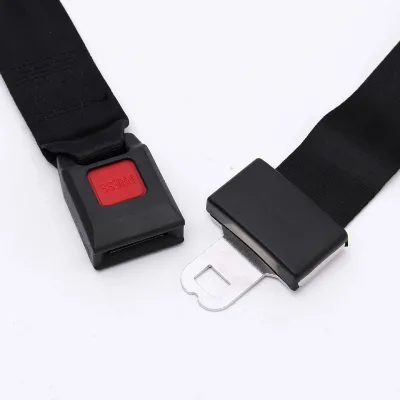
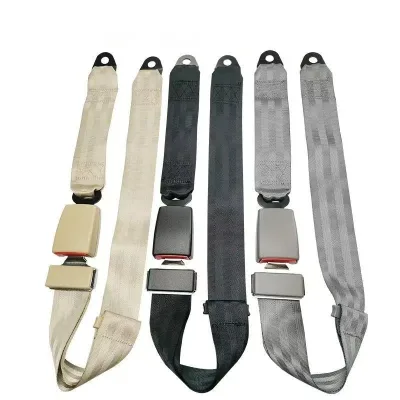
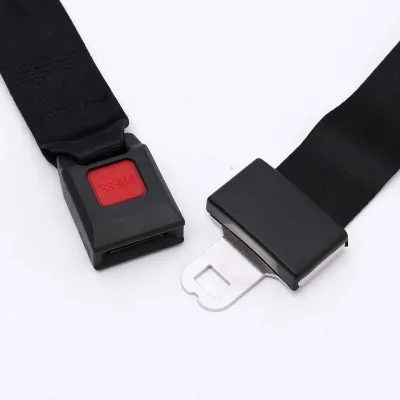
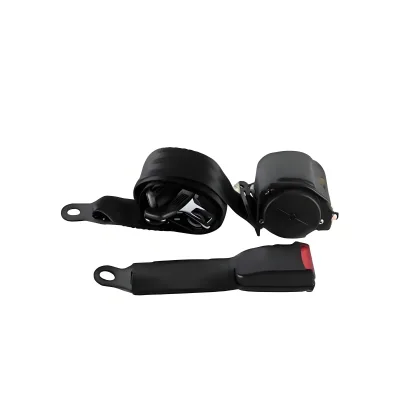
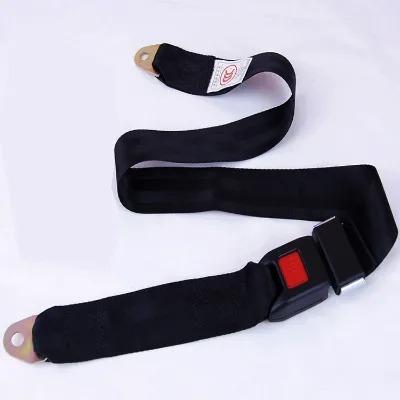


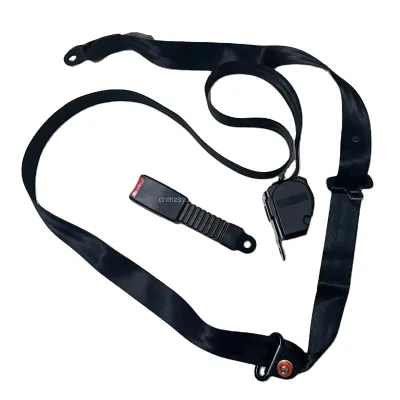
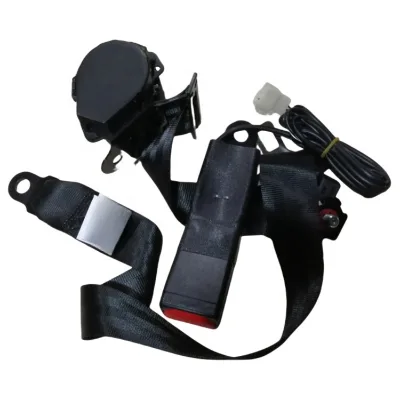
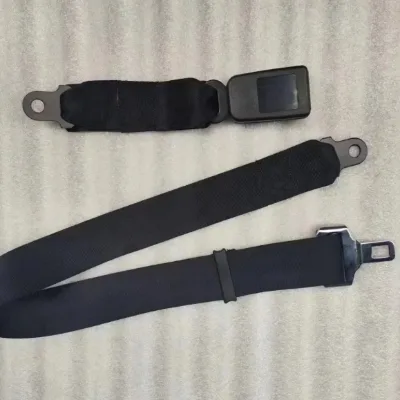
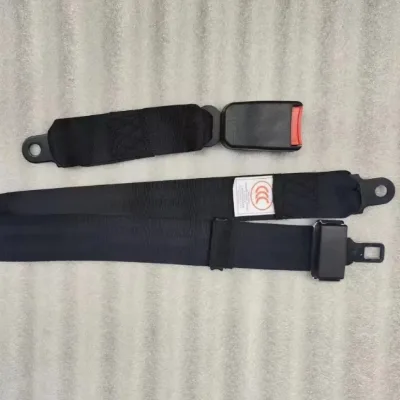


Comprehensive Sourcing Guide
Bus Seat Belt with Screw Sourcing Guide
Procuring bus seat belts with screw mechanisms requires a disciplined approach to verifying component compatibility and structural integrity. The supplied data indicates that products are designed for mostly universal application, yet specific models like the EB854B and EB871 suggest distinct mechanical configurations. Buyers must distinguish between general automotive parts and specialized heavy-duty transport components. The presence of screw-based fastening implies a need for precise torque specifications and material durability, particularly when integrating with existing bus chassis or retrofitting older fleets.
Verification of the screw mechanism’s load-bearing capacity is critical for passenger safety. While the context mentions "Two-Point Retractable" and "Three-Point Retractable" methods, the specific inclusion of screw hardware suggests a robust mounting solution often required in high-vibration environments. Sourcing teams should prioritize suppliers who provide clear documentation on the screw material grade and corrosion resistance. This ensures that the fastening system remains secure over the vehicle’s operational lifespan, preventing loosening due to constant movement and environmental exposure.
Product Scope and Observed Listing Signals
The observed market signals reveal a diverse range of seat belt configurations, including models like HC-B-47001-2 and those associated with the Yu-Tong bus brand. Listings indicate a price range of $0.2 to $19 USD, with minimum order quantities (MOQs) varying from 1 to 100 units. This wide variance suggests that buyers may encounter both basic replacement parts and more complex, integrated assemblies. The "Matching" relationship attribute implies that some belts are designed for specific vehicle models, while others claim universal compatibility, requiring careful cross-referencing with OEM part numbers.
Material composition is a key differentiator in the observed listings, with Polyester and ABS 45Polyester cited as primary components. The standard "Metal+Polyester+PP" construction highlights the importance of evaluating the balance between flexibility and strength. Buyers should note that some products are labeled as "Customized" while others are "Non-Customized," indicating varying levels of supply chain flexibility. Understanding these signals helps in filtering suppliers who can meet specific aesthetic or functional requirements, such as color options including Black, Beige, and Grey, which are essential for maintaining interior consistency.
Technical Specifications to Verify
Technical verification must begin with the model number and applicable vehicle compatibility. The context lists specific models such as EB851B, EB871, and 6107.6122.6120D, each potentially serving different bus architectures. Buyers should confirm whether the screw mechanism is integrated into the retractor or serves as a separate mounting bracket. The "Standard" size attribute suggests that dimensional accuracy is paramount, and deviations can lead to installation failures. It is essential to request detailed engineering drawings that specify the screw thread pitch, diameter, and length to ensure proper fitment.
The retraction mechanism type, whether Two-Point or Three-Point, dictates the safety performance and user experience. Buyers must verify that the screw-based assembly does not interfere with the smooth operation of the retractors. Additionally, the material composition, including the use of ABS and Polyester, should be cross-checked against environmental conditions such as UV exposure and temperature fluctuations. The "Matching" specification implies that the belt must align perfectly with the bus’s anchor points, requiring precise measurement of the screw hole patterns and overall belt length before placing bulk orders.
Compliance and Safety Documentation
Safety compliance is non-negotiable for bus seat belts, given the high stakes of passenger transport. Buyers must request evidence of professional testing, as indicated by the "100% Professional Test" attribute in the context. This documentation should include load testing results, durability cycles, and crash simulation data specific to the screw mechanism’s integrity. Without verified test reports, there is a risk that the fastening system may fail under sudden deceleration, compromising passenger safety. It is crucial to ensure that the testing standards align with international regulations such as FMVSS or ECE R16, depending on the target market.
Certification status must be explicitly confirmed, with ISO standards being a baseline expectation. The context mentions ISO Color:Black, which may refer to a specific certification or quality control metric, but buyers should seek broader ISO certifications related to automotive safety components. Documentation should also cover the material safety data sheets (MSDS) for the Polyester and ABS components, ensuring they meet flammability and toxicity standards. Buyers should insist on a warranty period, such as the mentioned 3 Months, as an indicator of supplier confidence in the product’s reliability and manufacturing consistency.
Cost Drivers and Commercial Terms
Cost structures for bus seat belts with screw mechanisms are influenced by material costs, manufacturing complexity, and order volume. The observed price range of $0.2 to $19 USD suggests significant variation based on the level of integration and material quality. Buyers should analyze whether lower prices correspond to basic components or if they reflect economies of scale. The MOQ range of 1 to 100 units allows for flexibility, but larger orders may unlock better pricing. It is important to clarify whether the quoted price includes the screw hardware or if it is an additional cost, as this can impact the total budget.
Commercial terms such as delivery time and shipping methods also affect the total cost of ownership. The context indicates delivery times of 7-15 days and 10-15 days, with shipping options including Sea, Truck, Train, Air, or Express. Buyers should factor in logistics costs and lead times when planning inventory, especially for urgent replacement needs. The "Neutral" packing option may reduce costs but requires careful handling to prevent damage. Understanding these commercial variables helps in negotiating favorable terms and ensuring timely delivery without compromising on quality or safety standards.
Supplier Qualification and Quality Control
Supplier qualification requires a thorough assessment of manufacturing capabilities and quality control processes. Buyers should verify the supplier’s origin, with Henan, China, being a noted location in the context, and assess their experience in producing automotive safety components. Requesting samples is essential to evaluate the build quality of the screw mechanism and the durability of the Polyester webbing. Suppliers should demonstrate consistent production standards, as indicated by the "New" condition and "High-Quality" attributes, to ensure that every unit meets the required specifications.
Quality control checks should include visual inspections for defects in the ABS housing and screw threads, as well as functional tests of the retraction mechanism. Buyers should inquire about the supplier’s defect rate and return policy, ensuring that any non-conforming products are promptly addressed. The "OE Standard" attribute suggests that suppliers should adhere to original equipment manufacturer specifications, but buyers must independently verify this claim. Establishing a clear communication channel for technical support and after-sales service is also critical for resolving any issues that may arise during installation or operation.
Long-Term Procurement Checks
Long-term procurement success depends on establishing a reliable supply chain that can adapt to changing vehicle models and regulatory requirements. Buyers should monitor supplier performance over time, tracking metrics such as on-time delivery, product consistency, and responsiveness to technical queries. The "Customization Available" attribute suggests that suppliers may offer tailored solutions, which can be valuable for fleet-specific needs. Maintaining a relationship with suppliers who can provide ongoing support and updates on product improvements ensures that the bus fleet remains equipped with the latest safety technologies.
Regular audits of the supply chain are necessary to ensure continued compliance with safety standards and quality expectations. Buyers should periodically re-evaluate the cost-effectiveness of their current suppliers, comparing them against market alternatives to ensure competitive pricing. The "3 Months" warranty period should be reviewed to determine if it aligns with industry norms or if longer coverage is available. By staying informed about market trends and technological advancements, buyers can make proactive decisions that enhance passenger safety and operational efficiency in the long run.
FAQs
What materials are used in these bus seat belts?
The seat belts are constructed from a combination of metal, polyester, and PP materials. This durable mix ensures longevity and safety for heavy-duty applications. The polyester component provides flexibility and strength, while the metal parts offer structural integrity. This composition is standard for high-quality automotive safety components designed for rigorous use.
Can I customize the color of the seat belt?
Yes, customization is available for these seat belts. Buyers can select from black, beige, or grey options to match their vehicle interior. The product supports customized requests, allowing for specific aesthetic requirements. This flexibility ensures that the safety equipment blends seamlessly with the bus design while maintaining professional standards.
What is the delivery time for these products?
The delivery time typically ranges from 7 to 15 days. This timeframe allows for efficient processing and shipping of the order. Buyers should plan their procurement schedules accordingly to ensure timely arrival. The lead time is consistent across most orders, providing reliable supply chain planning for fleet managers and distributors.
Which vehicle models are compatible with this seat belt?
These seat belts are mostly universal and compatible with all vehicle models. They are specifically designed for bus applications, including Yu-tong models. The matching relationship ensures a secure fit without requiring extensive modifications. This versatility makes them suitable for various fleet maintenance and replacement needs across different bus manufacturers.
What warranty is provided with the seat belt?
A 3-month warranty is provided with each seat belt. This coverage ensures quality assurance and protects against manufacturing defects. The product undergoes 100% professional testing before shipment to guarantee reliability. Buyers can rely on this warranty for peace of mind regarding the safety and performance of the installed components.
How is the product packed for shipment?
The seat belts are packed in neutral cartons for safe transport. This packaging method protects the product from damage during transit. The neutral packing ensures that the product arrives in pristine condition, ready for installation. This standard packaging practice is used to maintain product integrity and facilitate efficient handling by logistics providers.