Source Camera Battery for DSLR, GoPro, and Sony cameras
Find 30 rechargeable Camera Battery options from Guangdong, China. Compare models like LP-E12, NP-F960, and EN-EL15 with capacities ranging from 6600mAh to 1750mAh. These units support DSLR, GoPro, and Sony cameras with voltages of 7.2V and 7.4V. Many items are in stock with UN38.3 and MSDS certifications for reliable performance.
Updated
Key considerations
Products List
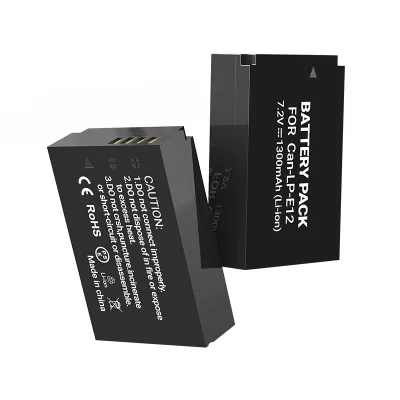
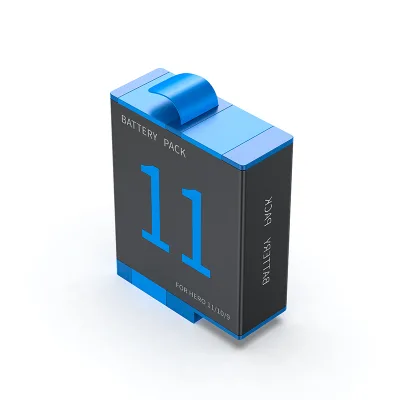
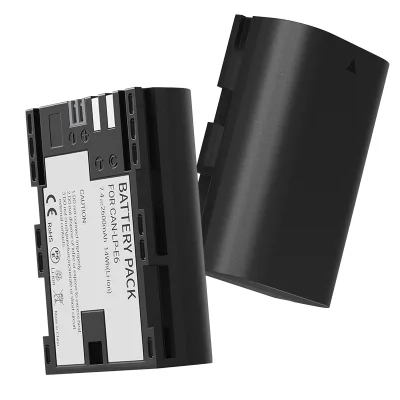
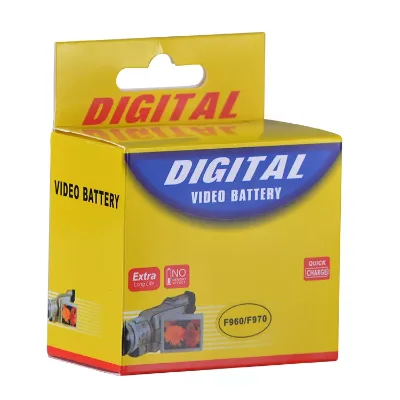
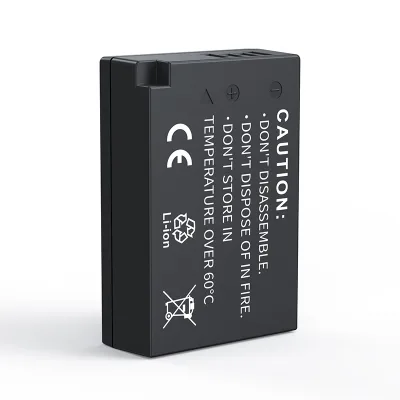
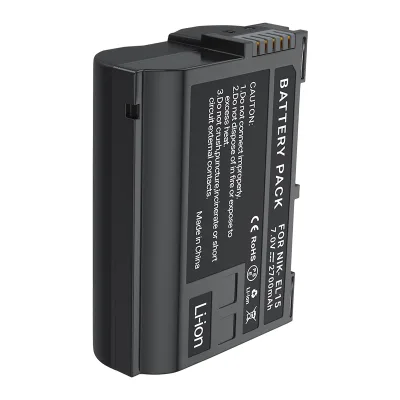


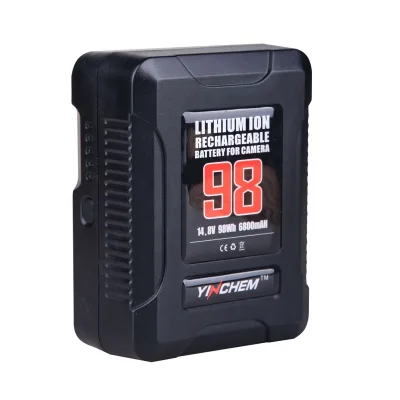
Broadcast Camera Battery 95wh 14.8V 6600mAh Broadcasting Video Camera Battery
$150.00 - $250.00
MOQ: 100 Pieces

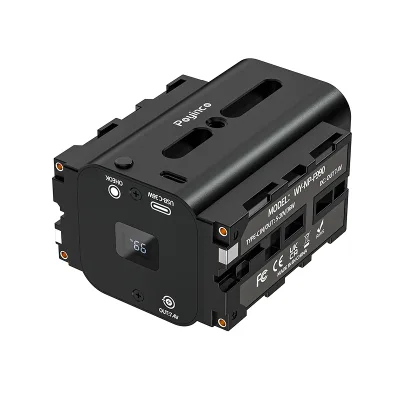
Rechargeable Battery for Camera, LED Light, Monitor Broadcasting Video Camera Battery
$150.00 - $250.00
MOQ: 100 Pieces


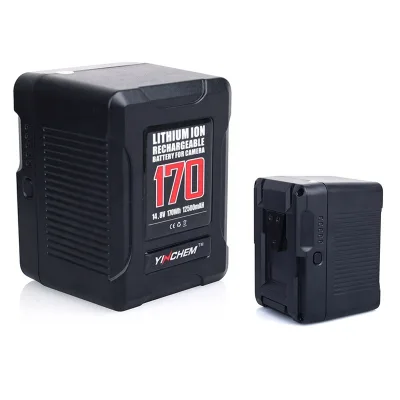
Broadcast Battery for 230wh V-Mount Monitor Broadcasting Video Camera Battery
$150.00 - $250.00
MOQ: 100 Pieces

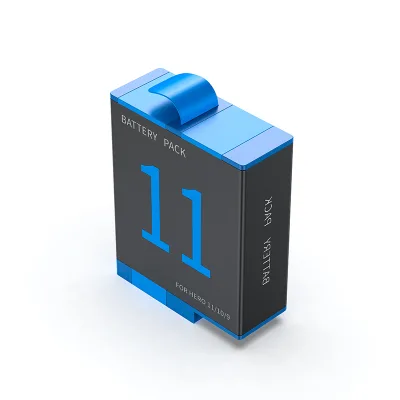
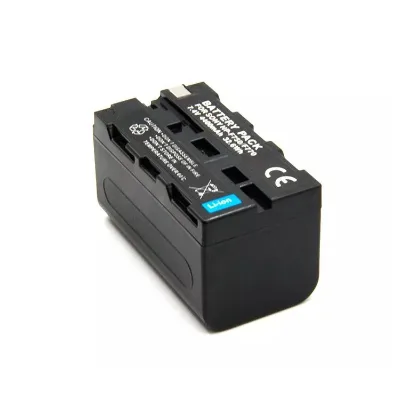
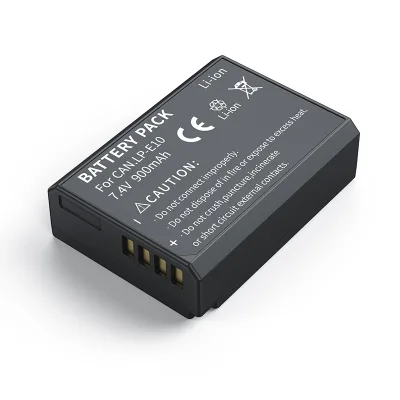
900mAh Rechargeable Popular 2023 Factory Production Mini Camera Battery Pack
$1.9967 - $2.5618
MOQ: 10 pieces
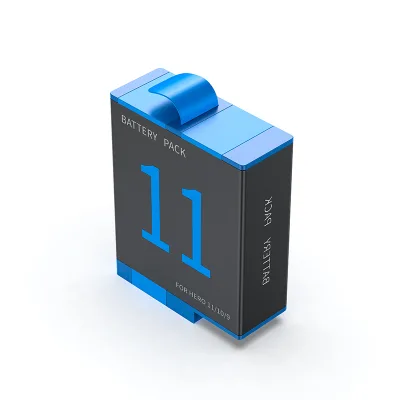
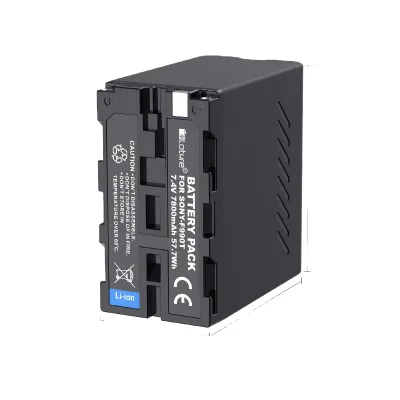
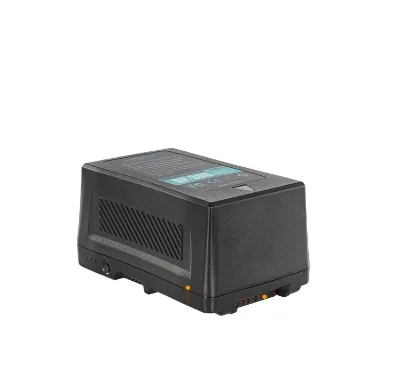
Factory Bulk Sales Original Production Replacement Lithium Ion Battery Camera Battery Pack
$108.3867 - $118.6129
MOQ: 10 pieces


Lithium Primary Battery 3V Cr123A GPS Monitoring Camera Battery for Camera
$0.48 - $0.60
MOQ: 100 Pieces

Comprehensive Sourcing Guide
Camera Battery Sourcing Guide
Sourcing rechargeable lithium-ion batteries for camera and lighting equipment requires careful attention to compatibility, capacity, and safety certifications. Buyers must distinguish between standard and high-drain applications, as the discharge rate significantly impacts performance. The observed market includes models ranging from 1300mAh to 6600mAh, with nominal voltages typically at 7.2V or 7.4V. Understanding these technical distinctions is critical for ensuring that the selected battery meets the power demands of specific camera bodies and external lighting rigs without causing voltage drops or premature failure.
Procurement decisions should also account for the physical and commercial attributes of the supply chain. Most listed products originate from Guangdong, China, and are constructed from ABS+PC materials for durability. Buyers should verify the model numbers against their existing equipment, as compatibility varies between brands like Sony, GoPro, and generic systems. Additionally, checking for stock availability and warranty terms, such as the commonly observed one-year warranty, helps mitigate the risk of receiving defective units and ensures long-term operational reliability for professional or semi-professional photography workflows.
Product Scope and Observed Listing Signals
The current market for camera batteries features a diverse range of models designed for various photographic and videography needs. Listings indicate compatibility with specific camera models, including those from Sony and GoPro, as well as universal options for general use. The product names often specify the intended application, such as "Rechargeable lithium ion v lock battery for camera and light," highlighting the versatility of certain high-capacity units. Buyers should note that while some batteries are labeled for standard use, others are optimized for high-drain devices, which requires matching the battery’s discharge rate to the device’s power consumption profile.
Commercial signals in the listings reveal important details about packaging and customization options. Products are typically sold as single items with a gross weight of approximately 0.200 kg, packaged in cartons for bulk shipping. The observed price range spans from $0.48 to $250, reflecting the wide variance in capacity and brand compatibility. Minimum order quantities (MOQ) generally range from 1 to 100 units, offering flexibility for both small-scale retailers and large distributors. Buyers should also consider that customization is available for certain models, allowing for tailored solutions for specific brand requirements or private labeling opportunities.
Technical Specifications to Verify
Verifying technical specifications is paramount to ensuring that the purchased batteries function correctly with the intended camera equipment. Key parameters to check include the nominal voltage, which is commonly observed at 7.2V or 7.4V, and the rated capacity, which can range from 1300mAh to over 6600mAh. Buyers must ensure that the battery’s voltage matches the camera’s input requirements to prevent damage. Additionally, the physical dimensions and weight, such as a single package size of 10x8x5 cm, should be confirmed to ensure compatibility with camera mounts and battery compartments, especially for larger v-lock style batteries.
The battery type and connection mode are also critical technical factors that influence performance and safety. Most listed products are lithium-ion batteries, which offer a good balance of energy density and cost. Buyers should verify whether the battery supports series or parallel connections, as this affects the overall voltage and capacity output. Furthermore, the discharge rate, whether low or medium, must align with the camera’s power draw. High-drain cameras may require batteries with specific discharge characteristics to maintain stable power delivery during continuous shooting or video recording, preventing unexpected shutdowns.
Compliance and Safety Documentation
Safety and compliance documentation are essential for importing and selling camera batteries, particularly those containing lithium-ion cells. Buyers should request proof of UN38.3 certification, which is a mandatory standard for the safe transport of lithium batteries. This certification ensures that the batteries have passed rigorous testing for altitude simulation, thermal, vibration, shock, external short circuit, impact, overcharge, and forced discharge. Without UN38.3 documentation, shipments may be rejected by carriers or customs authorities, leading to significant delays and additional costs for the buyer.
In addition to transport safety, buyers should verify other relevant certifications and material safety data sheets (MSDS). The presence of CE certification indicates compliance with European health, safety, and environmental protection standards, which is crucial for selling in the European market. Buyers should also ensure that the supplier provides MSDS documents, which detail the chemical composition and handling instructions for the batteries. These documents are necessary for proper storage, handling, and disposal, and they help buyers demonstrate due diligence in maintaining a safe supply chain for their customers.
Cost Drivers and Commercial Terms
Several factors influence the cost of camera batteries, including capacity, voltage, and brand compatibility. Higher capacity batteries, such as those with 6600mAh, typically command higher prices than lower capacity options like 1300mAh models. The nominal voltage also plays a role, with 7.4V batteries often being priced differently than 7.2V equivalents. Buyers should consider the total cost of ownership, which includes not only the unit price but also shipping, tariffs, and potential returns due to compatibility issues. Understanding these cost drivers helps in budgeting and selecting the most cost-effective options for specific market segments.
Commercial terms such as MOQ, lead time, and warranty conditions significantly impact the procurement process. While MOQs can be as low as one unit, bulk purchases often benefit from volume discounts. Buyers should negotiate clear lead times to ensure timely delivery, especially for large orders. Warranty terms, commonly observed as one year, provide a safety net against manufacturing defects. Additionally, buyers should clarify the return policy for defective units and the process for claiming warranty coverage. These commercial details are crucial for managing risk and ensuring a smooth transaction process.
Supplier Qualification and Quality Control
Qualifying suppliers is a critical step in ensuring the reliability and quality of camera batteries. Buyers should verify the supplier’s production capabilities, including their monthly output, which can range up to 10,000 pieces per month for some manufacturers. This capacity indicates the supplier’s ability to handle large orders and maintain consistent supply. Additionally, buyers should assess the supplier’s quality control processes, including testing procedures for capacity, voltage, and safety. Suppliers with robust QC systems are more likely to deliver products that meet the specified technical standards and perform reliably in the field.
Communication and responsiveness are also key indicators of supplier reliability. Buyers should evaluate the supplier’s ability to provide detailed product information, technical support, and after-sales service. Clear communication regarding customization options, packaging, and shipping logistics is essential for a successful partnership. Buyers should also check for any negative feedback or complaints from previous customers, which can provide insights into potential issues with product quality or service. Establishing a strong relationship with a qualified supplier helps mitigate risks and ensures a steady supply of high-quality camera batteries.
Long-Term Procurement Checks
Long-term procurement success depends on continuous monitoring of product performance and supplier reliability. Buyers should track the performance of batteries in the field, noting any issues with capacity degradation, voltage stability, or physical durability. Regular feedback from end-users can provide valuable insights into the battery’s real-world performance and help identify potential quality issues early. Buyers should also stay updated on changes in technology and market trends, such as the emergence of new battery chemistries or compatibility standards, to ensure that their product offerings remain competitive and relevant.
Additionally, buyers should periodically review their supplier’s compliance with safety and environmental regulations. This includes verifying that the supplier maintains valid certifications and adheres to best practices in manufacturing and disposal. Buyers should also assess the supplier’s financial stability and operational resilience to ensure they can meet long-term demand. By maintaining a proactive approach to supplier management and product quality, buyers can build a sustainable and reliable supply chain for camera batteries, supporting their business growth and customer satisfaction over time.
FAQs
What certifications do these camera batteries have?
The batteries hold UN38.3 and MSDS certifications for safe transport. Some models also feature CE certification. These documents ensure compliance with international shipping standards for lithium-ion products, allowing reliable global distribution to professional users and retailers without regulatory hurdles.
Can I customize the Camera Battery packaging?
Yes, customization is available for these rechargeable lithium-ion batteries. Buyers can request specific packaging solutions, such as carton boxes, to suit their distribution needs. This flexibility supports private labeling or specific logistical requirements for bulk orders from the Guangdong, China origin.
What is the nominal voltage for these batteries?
The standard voltage ranges from 7.2V to 7.4V depending on the specific model. Some variants operate within a 4.8V to 8.4V standard voltage range. This versatility ensures compatibility with various camera and light equipment models, providing stable power output for professional filming applications.
Which camera models are compatible with these batteries?
These batteries are compatible with Universal brands and specific models like Go Pro and Sony. They support model numbers such as LP-E12, LP-E6, NP-F960, and EN-EL15. This broad compatibility makes them suitable replacements for various professional and consumer camera lighting systems.
What is the minimum order quantity for these batteries?
The minimum order quantity ranges from 1 to 100 units. This flexible MOQ allows both small retailers and large distributors to place orders efficiently. The products are currently in stock, ensuring quick availability and reduced lead times for immediate shipment to global buyers.
How long is the warranty period for these batteries?
The warranty period is one year for these rechargeable lithium-ion batteries. This coverage provides assurance for buyers regarding product durability and performance. The batteries are designed for medium discharge rates, ensuring reliable operation for cameras and lights during extended professional use sessions.