Source CE Transparent Dental Implant Model for Schools, Labs, Clinics
Compare 30 CE Transparent Dental Implant Model options for dental education and training. These anatomical models support study, demonstration, and teaching in schools, labs, and clinics with high-quality resin construction; compare the available evidence and request quotations based on your requirements.
Updated
Key considerations
Products List


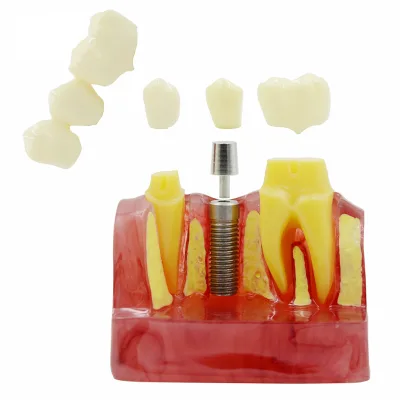
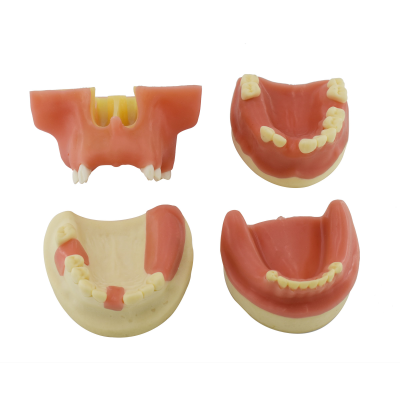
Dental Teaching Implant Practice Model Dentist Practice Replacement Model
$12.2708 - $18.4062
MOQ: 2 sets
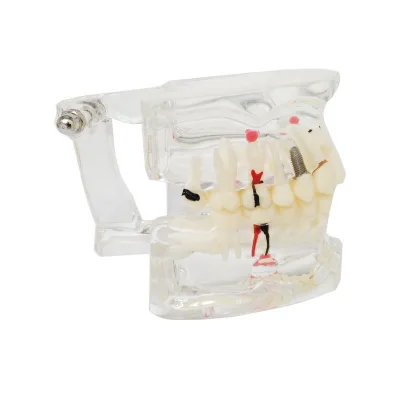
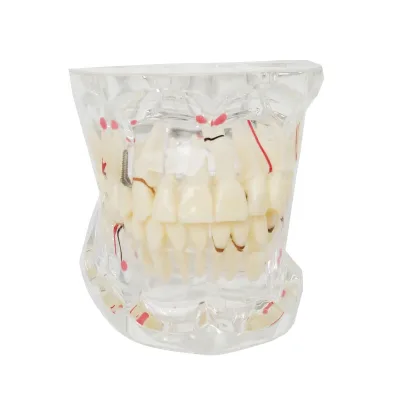
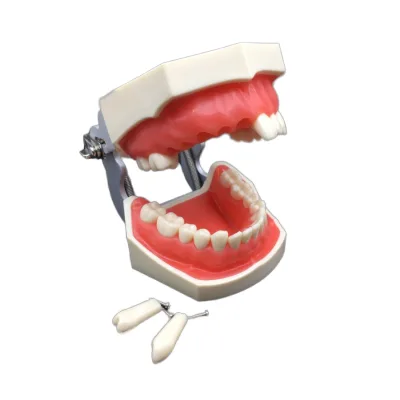
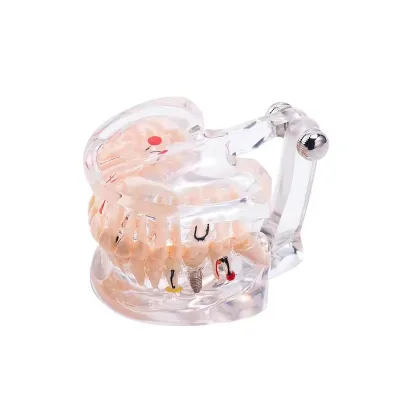
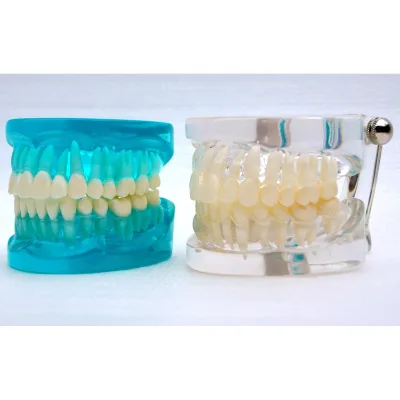
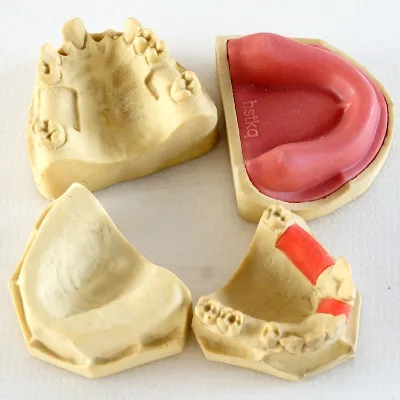
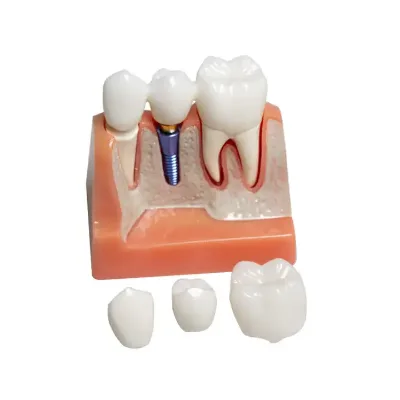
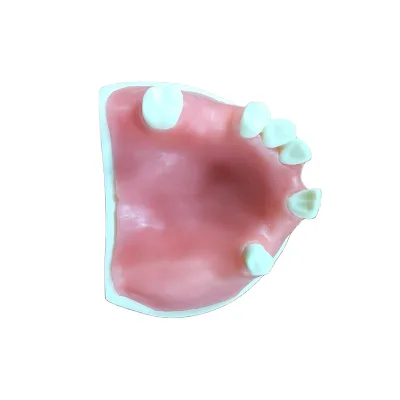
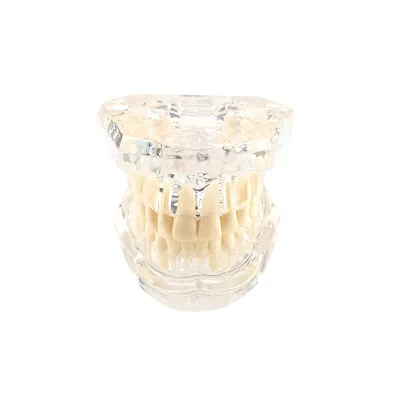
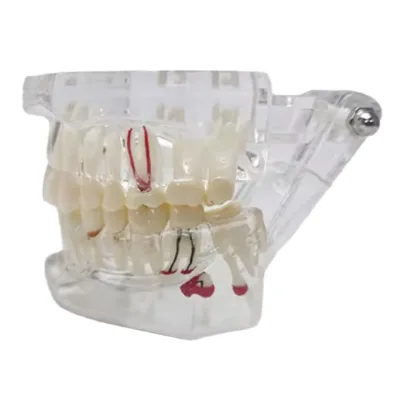
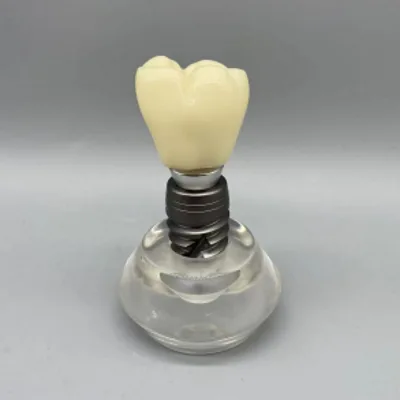
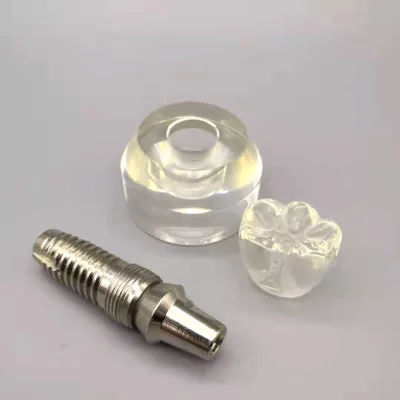
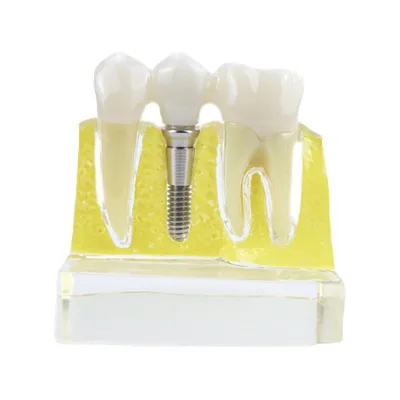


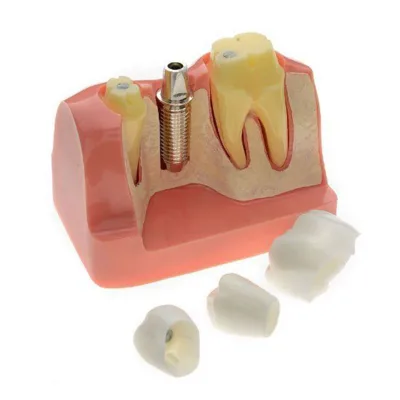


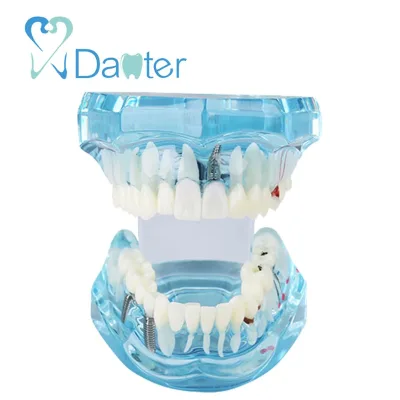
Dental Solid Transparent Adult Pathology Model with Implant and Edentulous Space
$13.00 - $15.00
MOQ: 10 Pieces
Comprehensive Sourcing Guide
CE Transparent Dental Implant Model Sourcing Guide
Procuring transparent dental implant models requires a careful balance between visual clarity for educational purposes and structural integrity for repeated handling. These anatomical replicas serve as critical tools in orthodontic departments, dental schools, and clinical training environments. The transparency allows instructors and students to visualize internal structures, such as bone density and implant placement angles, which are otherwise obscured in opaque models. This visual advantage is particularly valuable for demonstrating complex procedures like implant-supported overdentures with ball attachments or malocclusion corrections. Buyers must ensure that the selected model accurately reflects the specific clinical scenarios they intend to teach, whether for basic anatomy or advanced surgical planning.
The market offers a variety of models ranging from simple teeth replicas to complex implant systems with attachments. Key attributes often include high-quality resin construction, which provides durability while maintaining the necessary translucency. These instruments are classified as Class I medical devices, indicating they are non-invasive and primarily used for study, training, and demonstration rather than direct patient treatment. Consequently, the procurement focus shifts toward educational efficacy and physical robustness. Buyers should verify that the model’s design supports the intended usage times, ensuring it remains non-disposable and suitable for long-term institutional use. This distinction helps in selecting products that offer the best return on investment for teaching facilities.
Product Scope and Observed Listing Signals
Current market listings indicate a diverse range of dental teaching models, with observed prices spanning from six to two hundred twelve US dollars. This wide variance suggests significant differences in complexity, material quality, and included components. For instance, basic teeth models may sit at the lower end of the spectrum, while detailed implant models with ball attachments or specific malocclusion configurations command higher prices. The minimum order quantities (MOQ) typically range from one set to one hundred units, offering flexibility for both individual clinics and large educational institutions. Buyers should analyze these price points against the specific features required, such as the inclusion of multiple implant types or specialized anatomical representations, to determine the true value proposition of each listing.
Shipping and logistics are also critical factors in the sourcing process, with many suppliers offering ASAP shipment and cargo tracking services. The origin of these products is predominantly China, with specific manufacturing hubs in Henan and Hebei provinces. Packaging varies, with options including cartons for dental models, paper boxes, or polybags, which can impact protection during transit. It is essential to verify the net weight and dimensions of the product, as these affect shipping costs and storage requirements. For example, some models weigh around 300 grams, while others may reach 500 grams, influencing the overall logistics plan. Understanding these operational details ensures a smoother procurement experience and prevents unexpected delays or damages upon delivery.
Technical Specifications to Verify
When evaluating technical specifications, the material composition is a primary consideration, with resin being a common choice for these models. The transparency level must be consistent to ensure that internal structures are clearly visible without distortion. Buyers should verify the exact dimensions of the model, as specifications can vary significantly; for example, some models measure approximately 10 by 9 by 7 centimeters, while others may have different proportions to accommodate specific jaw structures. The model number or SKU, such as UM-Z7 or 1544400100, serves as a unique identifier for cross-referencing features and compatibility with existing teaching curricula. Ensuring that the model’s physical attributes align with the intended educational outcomes is crucial for effective training sessions.
The classification and nature of the instrument also play a vital role in technical verification. These models are generally categorized as shared instrument equipment and are non-disposable, designed for repeated use in clinical and academic settings. The instrument classification as Class I indicates that they do not penetrate the body or interact with bodily fluids, reducing regulatory burdens but requiring strict hygiene protocols. Buyers should confirm the condition of the product, ensuring it is new and free from manufacturing defects that could compromise its educational value. Additionally, checking for customization options can be beneficial if specific anatomical variations are needed for specialized training programs, although many standard models are non-customized.
Compliance and Safety Documentation
Compliance with international standards is essential for dental teaching models, even though they are not used directly on patients. Certifications such as ISO and CE are commonly cited, indicating that the manufacturer adheres to specific quality management and safety requirements. Buyers should request documentation to verify these certifications, ensuring that the products meet the regulatory expectations of their respective regions. The presence of a CE mark, for instance, suggests conformity with health, safety, and environmental protection standards for products sold within the European Economic Area. This verification process helps mitigate risks associated with importing medical educational equipment and ensures that the models are produced in facilities that maintain rigorous quality controls.
Safety standards, such as EN 149-2001+A1-2009, may also be referenced in product listings, although their direct applicability to non-invasive models should be clarified with the supplier. It is important to distinguish between certifications that apply to the manufacturing process and those that apply to the product itself. Buyers should inquire about the specific standards used for quality assurance, such as ISO 13485, which relates to medical device quality management systems. Understanding the scope of these certifications helps in assessing the reliability of the supplier and the consistency of the product quality. This due diligence is particularly important for institutions that must maintain strict compliance records for accreditation purposes.
Cost Drivers and Commercial Terms
Several factors influence the final cost of dental implant models, including material quality, complexity of design, and packaging requirements. High-quality resin that offers superior transparency and durability will typically command a higher price than standard materials. Additionally, models with intricate features, such as ball attachments or detailed malocclusion representations, involve more complex manufacturing processes, which can increase production costs. Buyers should also consider the packaging, as options like sturdy cartons or protective paper boxes may add to the overall expense but provide better protection during shipping. Understanding these cost drivers allows for more accurate budgeting and helps in negotiating favorable terms with suppliers.
Commercial terms, including minimum order quantities and payment conditions, significantly impact the procurement strategy. While many suppliers offer an MOQ of just one set, larger orders may qualify for volume discounts, making them attractive for institutions with high turnover or multiple training centers. Lead times and shipment options, such as ASAP delivery, can also affect the total cost, especially if expedited shipping is required. Buyers should clarify all terms upfront to avoid hidden fees or unexpected charges. Additionally, verifying the supplier’s cargo tracking services ensures that shipments can be monitored, reducing the risk of loss or delay. Clear communication regarding these commercial aspects helps in establishing a transparent and efficient procurement process.
Supplier Qualification and Quality Control
Supplier qualification is a critical step in ensuring the reliability of dental implant models. Buyers should assess the supplier’s manufacturing capabilities, focusing on their experience in producing high-quality anatomical models. Verifying the supplier’s location, such as Henan or Hebei in China, can provide insights into their supply chain efficiency and logistical advantages. It is also important to check for any past performance issues or customer feedback, although specific reviews should be sought from independent sources. A qualified supplier should demonstrate a commitment to quality control, with processes in place to ensure that each model meets the specified standards for transparency, durability, and anatomical accuracy.
Quality control measures should extend beyond the initial production phase to include pre-shipment inspections. Buyers should inquire about the supplier’s protocols for checking product condition, ensuring that items are new and free from defects. The use of standardized packing methods, such as cartons or polybags, can help protect the models during transit. Additionally, suppliers that offer customization services should have robust processes to handle specific requests without compromising quality. Establishing a clear communication channel with the supplier for addressing any quality concerns post-delivery is also advisable. This proactive approach to supplier qualification and quality control helps in maintaining the integrity of the educational materials and ensures a consistent supply of reliable products.
Long-Term Procurement Checks
Long-term procurement success depends on establishing a sustainable relationship with suppliers and continuously monitoring product performance. Buyers should regularly review the quality of delivered models, checking for any signs of wear, discoloration, or structural issues that may arise from repeated use. This ongoing evaluation helps in identifying potential quality drifts early, allowing for timely interventions with the supplier. Additionally, staying informed about updates in educational standards or clinical practices can guide future purchasing decisions, ensuring that the models remain relevant and effective for training purposes. Building a history of reliable transactions with suppliers can also facilitate better terms and priority service in the future.
It is also important to periodically reassess the supplier’s compliance status and certification validity. Regulatory requirements can change, and suppliers must adapt to maintain their certifications, such as ISO or CE. Buyers should request updated documentation periodically to ensure continued compliance. Furthermore, exploring new product offerings from the same supplier can provide opportunities to expand the teaching curriculum with additional models or updated designs. This strategic approach to long-term procurement helps in maintaining a high standard of educational resources while optimizing costs and operational efficiency. By focusing on continuous improvement and relationship management, institutions can ensure the long-term value of their dental teaching equipment investments.
FAQs
What certifications do the dental models hold?
The dental models hold ISO and CE certifications as confirmed in the product specifications. These certifications ensure the equipment meets international safety and quality standards for use in schools, labs, and clinics for study and training purposes.
Can I customize the dental implant models?
Customization is available for some dental models, while others are listed as non-customized. Buyers should verify specific product attributes like the model number UM-Z7 or UM-Z4 to determine if the shared instrument equipment can be tailored to their needs.
What is the minimum order quantity for these models?
The minimum order quantity ranges from 1 set to 100 units depending on the specific product. Some items like the implant model require only 1 set, while others may have higher thresholds, so check the specific SKU for accurate sourcing requirements.
Where are these dental models manufactured?
These dental models are manufactured in China, specifically in regions like Henan and Hebei. The origin is clearly stated as China (Mainland) for various models including the anatomical models and teaching teeth used for dental education and demonstration.
How are the dental models packaged for shipment?
The dental models are packaged in cartons, paper boxes, or polybags depending on the specific item. For instance, some models use a carton for dental models while others utilize a paper box or 1PC polybag packaging to ensure safe transport.
What is the lead time for shipping these models?
The shipment is available ASAP for the dental models listed. This indicates that suppliers can dispatch the equipment quickly once an order is placed, facilitating immediate use in clinics, schools, or laboratories for educational and training purposes.
Are these dental models reusable or disposable?
These dental models are non-disposable and designed for repeated use. They are classified as shared instrument equipment suitable for study, training, and demonstration, ensuring durability for long-term educational applications in dental departments and clinics.