Source Medical Plastic Globe for schools, offices, and clinics
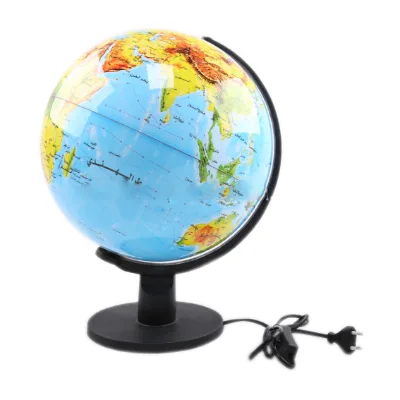
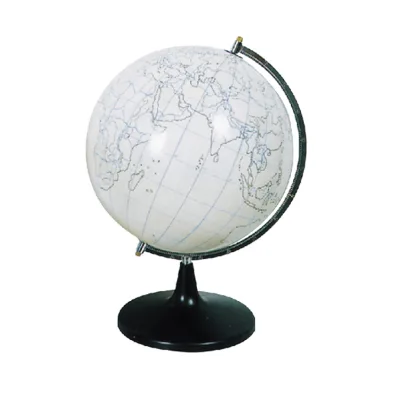
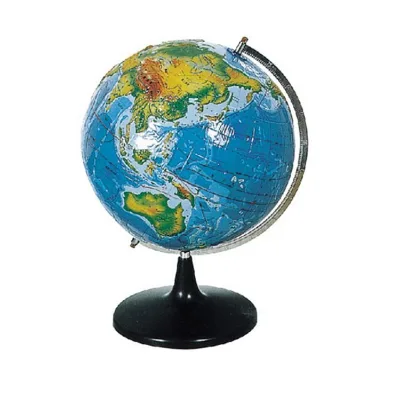
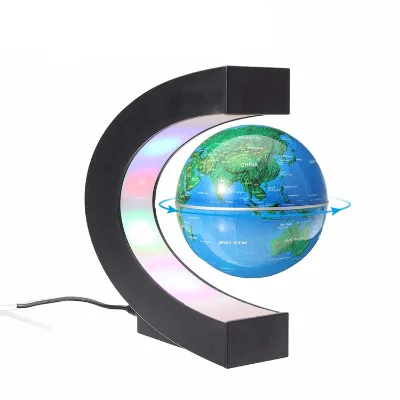
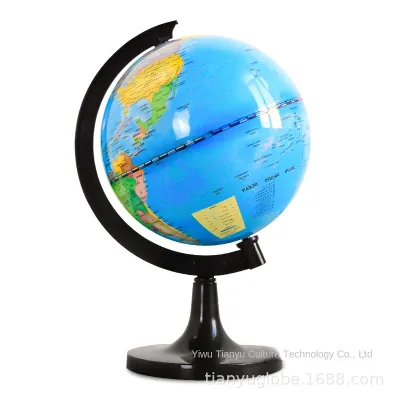
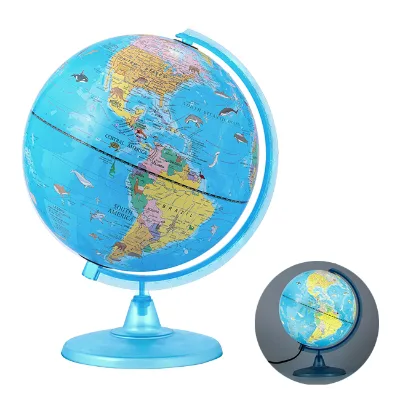
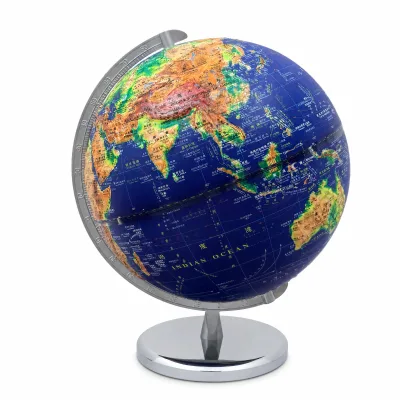
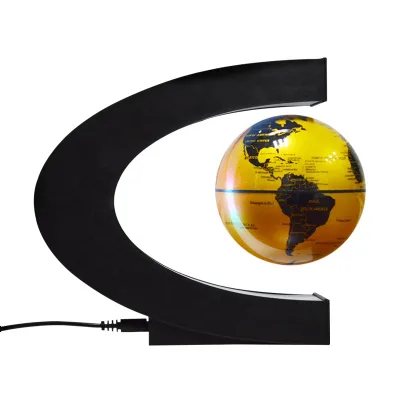
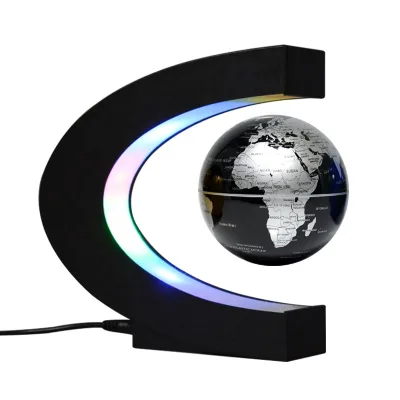
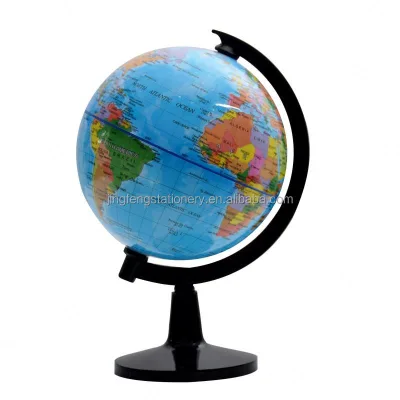
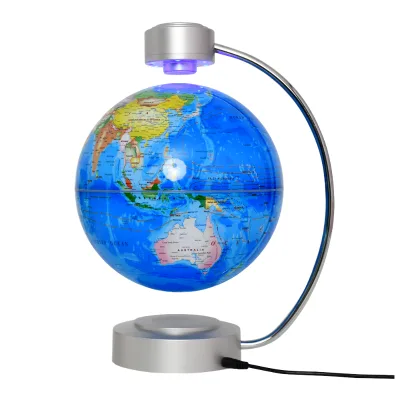
Compare 19 Medical Plastic Globe options from verified suppliers. Buyers can evaluate features like illumination, material, and size for teaching tools and office decoration needs. These products include illuminated rotating globes, magnetic levitation floating globes, and solid globes suitable for geography education and school office decoration purposes.
Updated
Key considerations
Products List

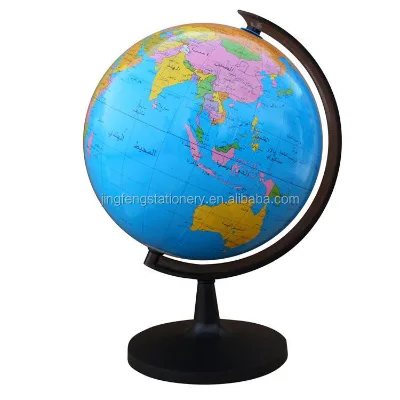
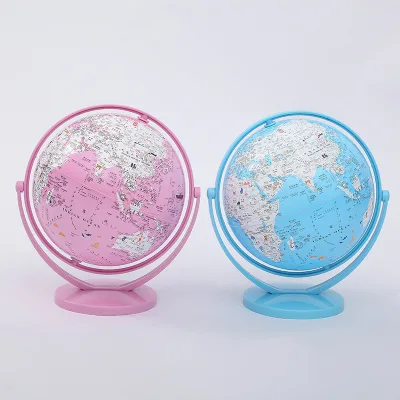


Comprehensive Sourcing Guide
Medical Plastic Globe Sourcing Guide
Procuring medical-grade plastic globes requires a nuanced understanding of educational versus clinical utility, as the supplied data primarily reflects educational tools rather than sterile medical devices. Buyers must distinguish between standard plastic globes used for geography instruction and specialized anatomical models intended for medical training. The observed listings indicate a strong presence of illuminated rotating globes and magnetic levitation models, which serve as advanced teaching aids in academic settings. These products are typically constructed from durable plastics like ABS or PVC, designed to withstand frequent handling in classrooms or training facilities.
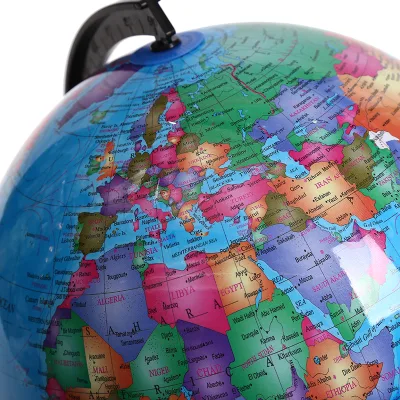
It is critical to clarify that the term "medical" in this context often refers to anatomical accuracy for medical education rather than clinical application. The available product attributes highlight features such as clear bright printing and rotating mechanisms, which are essential for detailed study of geographical or anatomical structures. Sourcing teams should verify if the specific globe model meets the rigorous hygiene and material safety standards required for medical environments, as standard educational globes may not possess the necessary certifications for clinical use.
Product Scope and Observed Listing Signals
The current market landscape for plastic globes is dominated by educational suppliers located in Zhejiang, China, offering a wide variety of models ranging from standard solid globes to complex illuminated versions. Observed listings include specific model numbers such as HSGA-027 and BT-GD002, indicating a diverse inventory that caters to different pedagogical needs. These products are frequently marketed with keywords like "School Office Decoration" and "Teaching Materials," suggesting their primary deployment is in academic institutions rather than hospitals or clinics. Buyers should carefully review the product descriptions to ensure the globe’s design aligns with their specific instructional or training objectives.
Price points for these items vary significantly, with observed ranges spanning from five to fifty-five US dollars, reflecting differences in material quality, size, and technological features. The minimum order quantities (MOQ) also fluctuate, with some suppliers requiring up to eight hundred pieces, which can impact inventory management for smaller institutions. Larger models, such as the 32CM or 10-inch variants, often come with substantial packaging dimensions, influencing shipping costs and storage requirements. Understanding these commercial signals helps buyers forecast total landed costs and negotiate terms that align with their budgetary constraints and volume needs.
Technical Specifications to Verify
When evaluating plastic globes, buyers must scrutinize physical dimensions and material composition to ensure suitability for their intended environment. The supplied data indicates sizes ranging from 25CM to 32CM, with single package sizes varying from 25x22x20 cm to larger boxes measuring 76x25.7x60 cm. Material specifications frequently cite ABS plastic, PVC, or combinations with rubber oil coatings and metal components, particularly for magnetic levitation models. These material choices affect durability, weight, and the overall aesthetic appeal, so procurement teams should request detailed material safety data sheets to confirm the plastics are non-toxic and suitable for prolonged student interaction.
Power supply requirements are another critical technical aspect, especially for illuminated or rotating globe models. Some products specify input voltages of 110-240VAC with DC12V outputs, necessitating compatibility checks with local electrical infrastructure. Buyers should verify the presence of stable power adapters and ensure that electronic components meet international safety standards to prevent overheating or electrical hazards in busy classroom settings. Additionally, the language of the printed text on the globe, often listed as English or French, must be verified to match the linguistic requirements of the target audience, ensuring accurate educational delivery.
Compliance and Safety Documentation
Regulatory compliance is paramount when sourcing plastic globes, particularly if they are intended for use in environments with strict safety protocols. The observed listings mention certifications such as FCC, EMC, LVD, CE, and ROHS, which are essential for electronic components like illuminated bases or rotating motors. These certifications indicate that the electrical systems within the globe meet specific electromagnetic compatibility and low voltage directives, reducing the risk of interference or electrical failure. Buyers should request valid certification documents from suppliers to verify that the products have undergone independent testing and meet the regulatory requirements of their destination market.
For medical or educational applications, material safety is equally important, with ISO 10993 serving as a relevant background standard for biocompatibility, although its direct applicability to standard plastic globes may vary. Buyers should inquire about the absence of harmful substances like phthalates or heavy metals in the plastic manufacturing process, especially for younger students or sensitive environments. While specific test results are not provided in the current data, establishing a requirement for third-party lab testing can ensure that the globes are safe for handling and do not pose health risks over time.
Cost Drivers and Commercial Terms
Several factors influence the final cost of plastic globes, including material complexity, electronic integration, and packaging requirements. Models with illuminated features or magnetic levitation capabilities typically command higher prices due to the additional components and engineering involved. The observed MOQ of 800 pieces for certain models suggests that economies of scale play a significant role in pricing, with larger orders yielding better unit costs. Buyers should consider the total cost of ownership, including shipping, customs duties, and potential maintenance costs for electronic parts, rather than focusing solely on the unit price.
Commercial terms such as sample availability and customization options also impact procurement decisions. Some suppliers provide samples, allowing buyers to assess quality before committing to large orders, while others offer logo customization for branding purposes. The single gross weight of products, ranging from 1.0 kg to 5.7 kg, directly affects freight charges, so buyers should negotiate shipping terms carefully. Understanding these cost drivers enables procurement teams to create accurate budgets and select suppliers who offer the best value proposition based on their specific volume and quality requirements.
Supplier Qualification and Quality Control
Evaluating supplier reliability is crucial for ensuring consistent quality in plastic globe procurement. Buyers should verify the supplier’s manufacturing capabilities, particularly their experience with plastic molding and electronic assembly for illuminated models. The presence of a brand name like Gelsonlab or BAT LAB indicates established manufacturers, but buyers should still conduct due diligence to confirm production capacity and quality management systems. Requesting references from other educational institutions or medical training centers can provide insights into the supplier’s track record for delivering durable and accurate products.
Quality control measures should include regular inspections of the globe’s surface printing, rotational mechanisms, and electronic components. Buyers should establish clear acceptance criteria for defects such as misaligned text, unstable rotation, or flickering lights. Implementing a pre-shipment inspection protocol can help identify issues before goods leave the factory, reducing the risk of receiving substandard products. Collaborating with suppliers to define these quality standards ensures that the globes meet the expected performance levels and maintain the integrity of the educational or training experience.
Long-Term Procurement Checks
Sustaining a successful procurement relationship with plastic globe suppliers requires ongoing monitoring of product performance and supplier responsiveness. Buyers should track feedback from end-users, such as teachers or medical students, to identify any recurring issues with durability or accuracy. Regular audits of the supplier’s quality control processes can help maintain high standards and address any deviations promptly. Building a long-term partnership allows for better negotiation of pricing and lead times, ensuring a stable supply of high-quality globes for future needs.
Additionally, buyers should stay informed about advancements in globe technology, such as improved illumination systems or more accurate anatomical representations. Periodic reviews of the product catalog can help identify new models that better suit evolving educational or medical training requirements. By maintaining open communication with suppliers and staying engaged with industry trends, procurement teams can ensure that their plastic globe inventory remains relevant, effective, and aligned with the latest pedagogical or clinical standards.
FAQs
What materials are used for medical plastic globes?
Medical plastic globes are typically constructed from durable ABS plastic or PVC. Some models feature rubber oil coatings and metal components for enhanced stability. These materials ensure the globe is safe for educational environments and resistant to daily wear and tear while maintaining structural integrity.
Can I customize the logo on a plastic globe?
Yes, customization is available for many plastic globe models. Buyers can often select specific branding options such as BAT or other customized logos. This allows educational institutions and suppliers to brand the teaching tools effectively for their specific organizational needs and marketing strategies.
What certifications do these globes typically hold?
These globes often hold certifications including FCC, EMC, LVD, CE, and ROHS. These standards ensure the electronic components, such as illuminated features, meet safety and environmental regulations. Buyers should verify specific certification documents with suppliers to ensure compliance with local import and safety requirements.
What is the typical MOQ for these products?
The minimum order quantity varies by model, with some items requiring up to 800 pieces. Other standard globes may have lower MOQs starting from just one unit. Buyers should check the specific product page for the exact MOQ, as it depends on the model number and customization level.
Where are these educational globes manufactured?
These products are primarily manufactured in Zhejiang, China. This region is a known hub for plastic manufacturing and educational supplies. Buyers sourcing from this location can often benefit from established supply chains and competitive pricing for bulk orders of plastic globes and related teaching materials.
What sizes are available for plastic globes?
Available sizes include 32CM, 10 Inch, and 25CM diameters. Packaging dimensions vary accordingly, with some single packages measuring 36X36X36 cm. Buyers should select the size that best fits their display space and educational requirements, noting that larger globes may have higher shipping weights.