Source Changeable Color LEDT8 Sensor Lamp for Retail, Office, and Home
Find 30 Changeable Color LEDT8 Sensor Lamp options from China suppliers. Compare specs like IP68 rating, 50,000-hour lifespan, and dimmer support for retail displays, office lighting, and home decoration projects; compare the available evidence and request quotations based on your requirements.
Updated
Key considerations
Products List


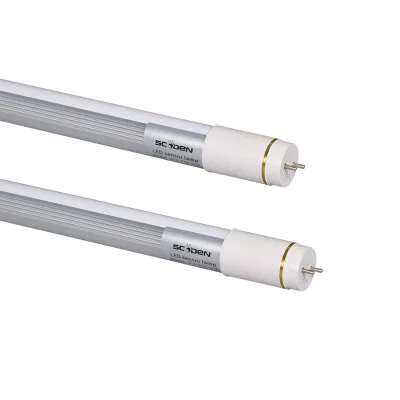
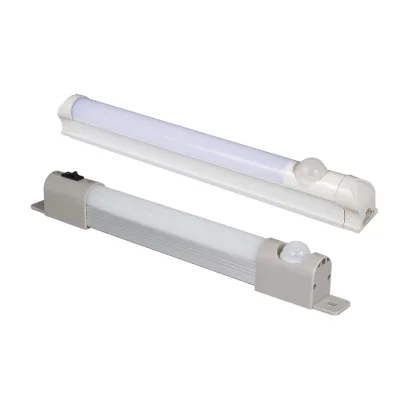


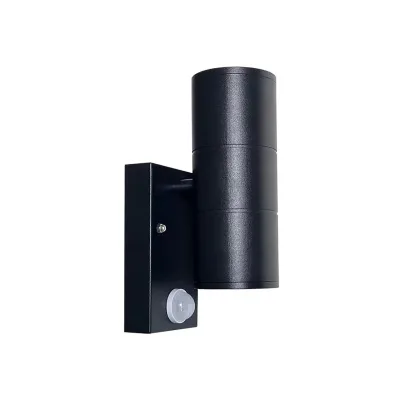


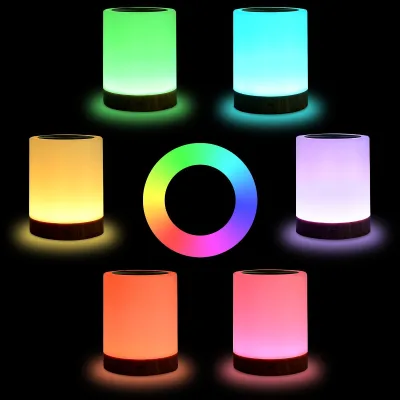

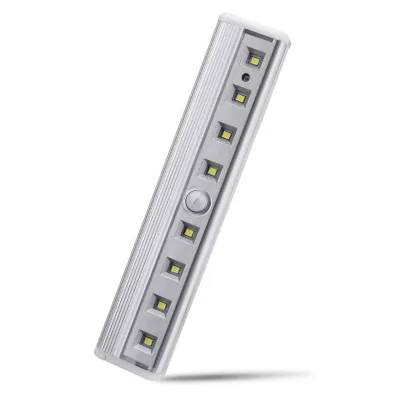
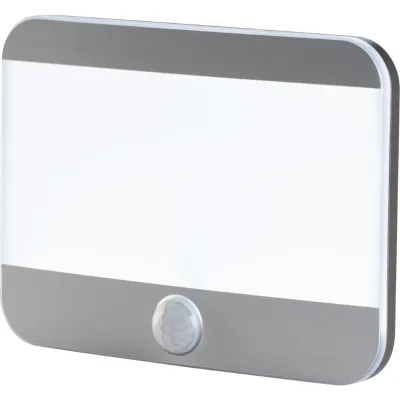
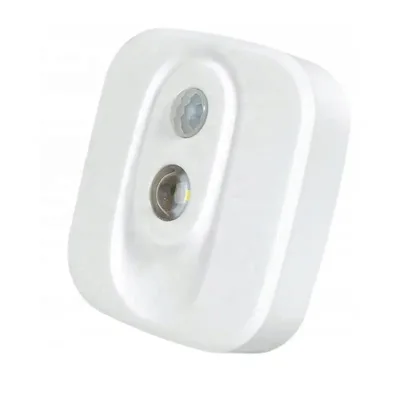
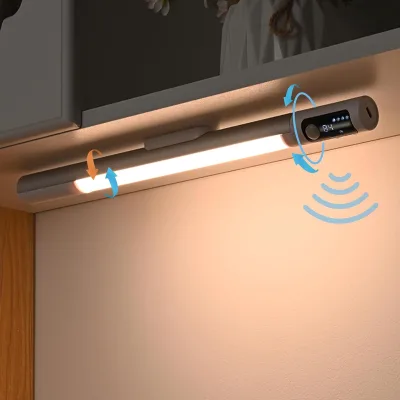
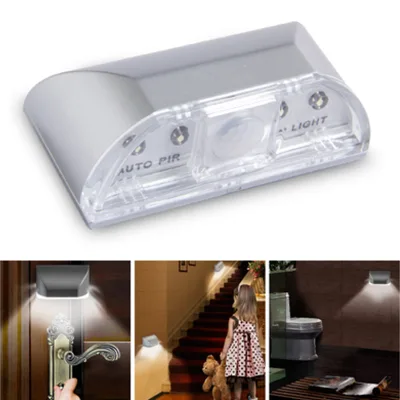
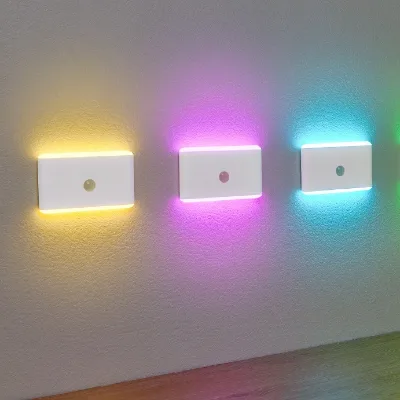
RGB Rechargeable LED Sensor Wall Light up and Down Wireless Color Change Night Light
$3.1281 - $3.4932
MOQ: 50 Minimum
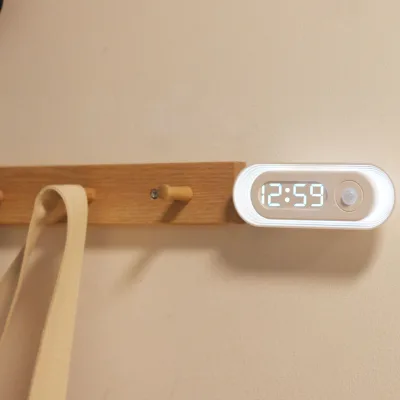
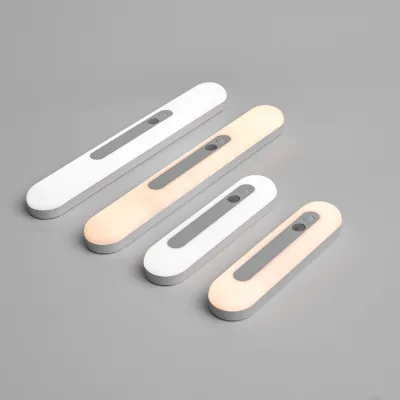
Wireless Motion Sensor Night Light Touch Motion Sensor Led Night Light Usb Night Light
$2.79 - $5.3736
MOQ: 100 Minimum
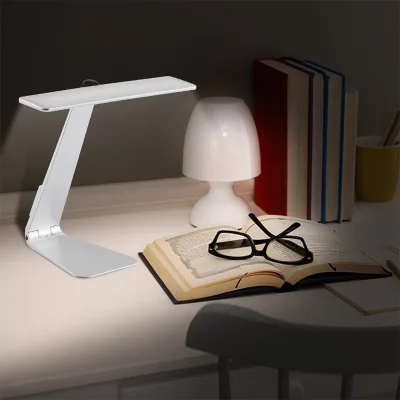
3 Brightness Levels Table Lamps Touch Sensor Dimmable Office ultra Thin LED Desk Lamp
$7.2182 - $9.2797
MOQ: 10 Minimum


Comprehensive Sourcing Guide
Changeable Color LEDT8 Sensor Lamp Sourcing Guide
Sourcing changeable color LED T8 sensor lamps requires a careful balance between aesthetic flexibility and technical reliability. These fixtures are designed to offer dynamic lighting solutions, allowing users to adjust color temperatures and hues to suit various environments. Buyers must prioritize suppliers who provide transparent specifications regarding the electronic components that drive these color changes. The integration of sensor technology adds another layer of complexity, requiring verification of induction mechanisms and response times. Understanding the underlying hardware is essential for ensuring that the product meets both functional and aesthetic requirements in commercial or residential settings.
The procurement process involves evaluating multiple product attributes that define performance and usability. Key factors include the material composition of the lamp housing, the efficiency of the light output, and the durability of the electronic drivers. Buyers should focus on suppliers who offer detailed technical documentation and clear customization options. It is crucial to assess the supplier’s ability to provide consistent quality across batches, especially when dealing with complex electronic assemblies. Establishing a clear understanding of the product’s capabilities and limitations will help in making informed purchasing decisions that align with specific project needs.
Product Scope and Observed Listing Signals
The market for changeable color LED T8 sensor lamps presents a diverse range of options, with observed price points ranging from $0.5 to $26 USD. This wide variance often reflects differences in build quality, component sourcing, and included features such as dimming capabilities or specific color rendering indices. Buyers should note that minimum order quantities (MOQ) typically range from 1 to 1000 units, offering flexibility for both small-scale trials and large-volume deployments. Understanding these commercial signals helps in budgeting accurately and negotiating terms that suit the procurement scale.
Product listings frequently highlight attributes such as customization availability, with options for various shell colors and packaging types like cartons or boxes. Observed specifications include dimensions such as 19x19x18cm for certain models and single package sizes like 120x3x3 cm, indicating varied form factors. Some listings specify a weight of 0.8kg or 0.3kg, which impacts shipping costs and handling requirements. Buyers must carefully cross-reference these listed attributes with their actual project requirements to avoid mismatches in physical dimensions or weight constraints.
Technical Specifications to Verify
Verifying technical specifications is critical for ensuring the lamp meets performance expectations. Key parameters to confirm include the input voltage, which is often listed as AC 110V (±10%), and the working frequency of 50-60Hz. Buyers should also check the power range, which can vary from 18W to 165W depending on the model, and the lamp luminous efficiency, typically around 120 lm/w. These metrics directly influence energy consumption and light output quality, making them essential for calculating operational costs and lighting design efficacy.
Color temperature options are another vital specification, with common choices including 2700K (Soft Warm White), 4100K (Neutral White), and 6000K (Daylight Alert). The color rendering index (Ra) is often specified as 80, which affects how accurately colors are perceived under the lamp’s illumination. Additionally, buyers should verify the lifespan, which may be listed as 50,000 hours, and the warranty period, commonly 5 years. Confirming these details ensures that the selected lamps will perform reliably over their intended service life.
Compliance and Safety Documentation
Compliance with safety standards is non-negotiable for electrical lighting products. Buyers must request documentation confirming that the lamps meet relevant regional safety regulations, such as FCC certification, which is observed in some listings. This certification ensures that the electronic components do not emit harmful interference and operate safely within specified electrical parameters. Without proper certification, products may face regulatory hurdles or pose safety risks in the end-user environment.
In addition to FCC, buyers should inquire about other potential certifications like RoHS, which restricts the use of hazardous substances in electrical and electronic equipment. While not explicitly confirmed for all listings, verifying compliance with such standards is crucial for environmental and health safety. Buyers should also check for any additional safety tests related to electrical insulation, thermal performance, and electromagnetic compatibility. Ensuring comprehensive documentation protects against liability and ensures product acceptance in regulated markets.
Cost Drivers and Commercial Terms
Several factors influence the final cost of changeable color LED T8 sensor lamps. The complexity of the electronic driver, which enables color changing and sensor functionality, is a primary cost driver. Higher quality components and more sophisticated control circuits typically result in higher prices but offer better reliability and performance. Buyers should also consider the cost of customization, such as specific color options or packaging requirements, which may incur additional fees.
Commercial terms, including MOQ and lead times, significantly impact procurement strategy. While observed MOQs range from 1 to 1000 units, suppliers may offer discounts for larger orders. Lead times can vary based on production capacity and customization needs, so buyers should clarify these details early in the negotiation process. Understanding the total cost of ownership, including shipping and potential tariffs, is essential for accurate budgeting and avoiding unexpected expenses.
Supplier Qualification and Quality Control
Evaluating supplier qualification is essential for mitigating procurement risks. Buyers should assess the supplier’s manufacturing capabilities, quality control processes, and track record in producing electronic lighting products. Suppliers located in regions like Zhejiang, China, often have established supply chains for electronic components, but buyers must verify their ability to maintain consistent quality. Requesting samples and conducting factory audits can provide valuable insights into the supplier’s operational standards.
Quality control measures should include rigorous testing of electrical performance, color consistency, and sensor responsiveness. Buyers should inquire about the supplier’s defect rate and warranty claims history to gauge product reliability. Additionally, verifying the supplier’s after-sales service capabilities is important, as some listings indicate no after-sales support, which could pose challenges in case of product failures. Establishing a strong relationship with a qualified supplier ensures long-term supply stability and product quality.
Long-Term Procurement Checks
Long-term procurement success depends on continuous monitoring of product performance and supplier reliability. Buyers should establish key performance indicators (KPIs) to track issues such as premature failures, color drift, or sensor malfunctions. Regular feedback loops with the supplier can help identify and resolve quality issues promptly. Maintaining open communication channels ensures that any changes in product design or component sourcing are communicated and evaluated for their impact on performance.
Additionally, buyers should periodically review market trends and technological advancements in LED lighting. Staying informed about new innovations can help in upgrading product offerings and maintaining competitiveness. It is also important to reassess supplier contracts and pricing structures periodically to ensure they remain favorable. By proactively managing these aspects, buyers can secure a reliable supply of high-quality changeable color LED T8 sensor lamps for their projects.
FAQs
Can I customize the color temperature for this lamp?
Yes, you can customize the color temperature for this lamp. The product supports 2700K soft warm white, 4100K neutral white, and 6000K daylight alert options. This flexibility allows buyers to select the exact lighting atmosphere required for their specific casual or daily life applications without needing additional equipment.
What is the minimum order quantity for these sensors?
The minimum order quantity for these sensors is 10 pieces. This low threshold allows small businesses to test the product viability before committing to larger volumes. Buyers should note that while the general range starts at one, the specific listing requires a batch of ten units to proceed with the transaction.
How long does the product last under normal use?
The product lasts up to 50,000 hours under normal use conditions. This extended lifespan ensures long-term reliability for daily life applications. The durability is supported by high-frequency electronic discharge technology, making it a cost-effective solution for buyers seeking minimal maintenance and consistent performance over several years.
Which certifications does the manufacturer hold for this item?
The manufacturer holds FCC certification for this item. This certification confirms compliance with electromagnetic interference standards required for electronic devices. Buyers can rely on this documented standard to ensure the product meets safety and regulatory requirements for deployment in various international markets without additional testing.
What is the power consumption range for the lamp?
The power consumption range for the lamp is 18W to 165W. This wide range accommodates different lighting needs and room sizes effectively. The efficiency is further enhanced by a luminous output of 120 lumens per watt, ensuring bright illumination while maintaining energy efficiency for both casual and professional installation scenarios.
Can the lamp be used in outdoor environments?
Yes, the lamp can be used in outdoor environments due to its IP68 rating. This rating indicates complete protection against dust and immersion in water. Consequently, the product is suitable for all seasons and various scenes, providing reliable performance even in harsh weather conditions without risk of water damage or failure.
What is the warranty period for this induction lamp?
The warranty period for this induction lamp is five years. This coverage provides buyers with assurance regarding product quality and longevity. The manufacturer stands behind the durability of the unit, offering peace of mind for commercial or residential projects that require long-term operational stability and reduced risk of premature failure.