Source Cohesive Sterile Wound Care Dressing for Surgery
Find 30 Cohesive Sterile Wound Care Dressing options from Chinese manufacturers. Compare Class I and II medical consumables, including non-woven bandages and transparent IV dressings, with CE certification and EO sterilization available for surgical and first aid applications; compare the available evidence and request quotations based on your requirements.
Updated
Key considerations
Products List
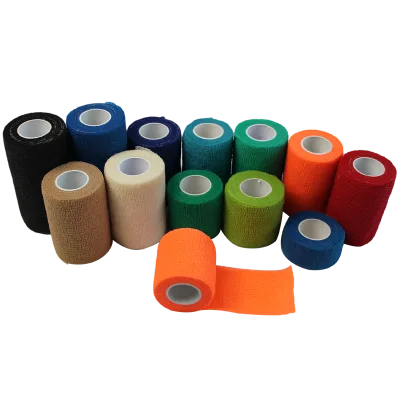


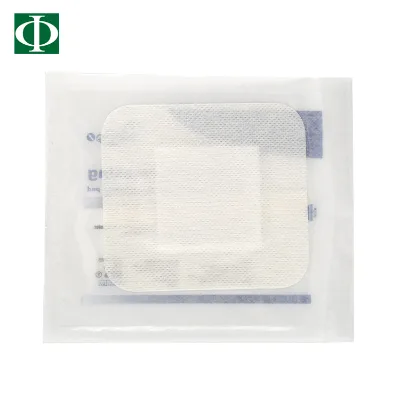
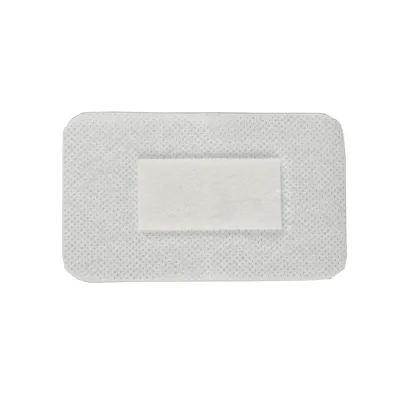
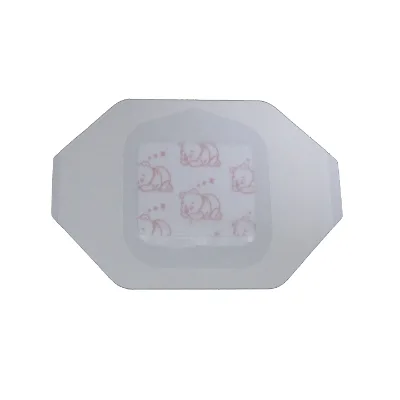


Medical Sterile Adhesive Non-Woven Wound Dressing with Absorbant Pad
$0.02 - $0.026
MOQ: 100000 Pieces


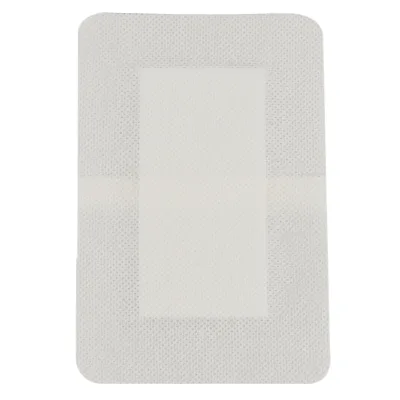
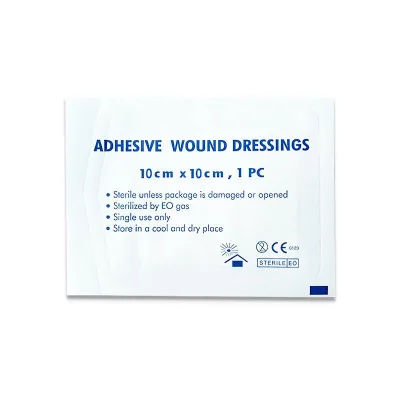
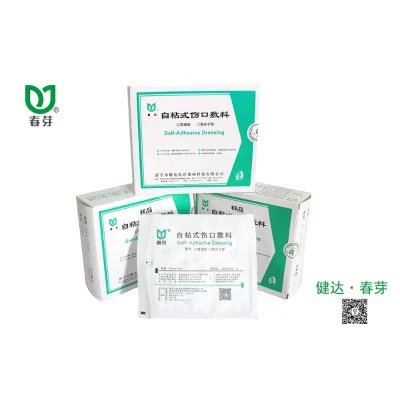
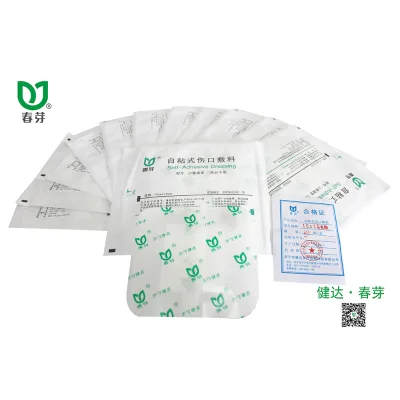
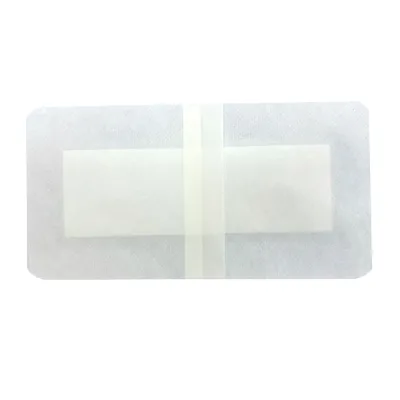
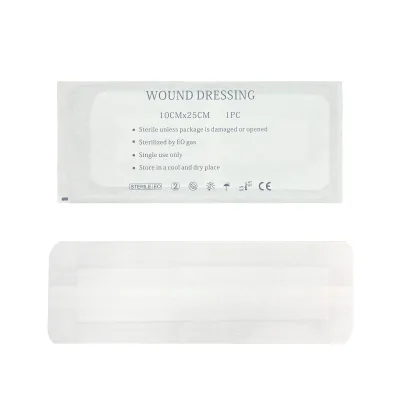

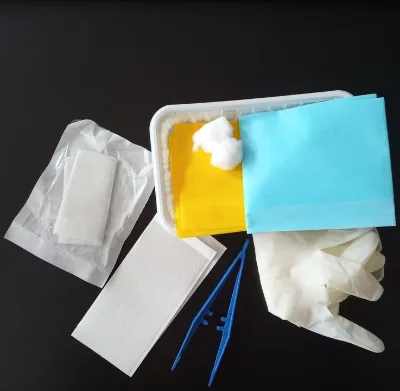
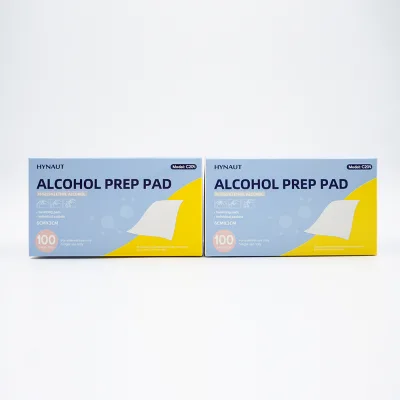
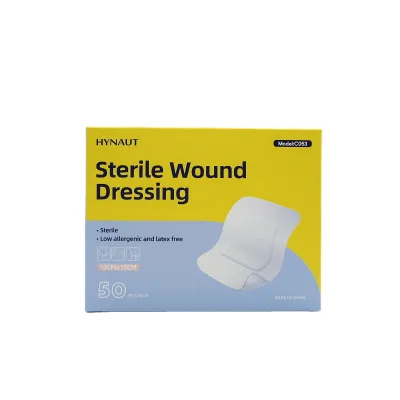
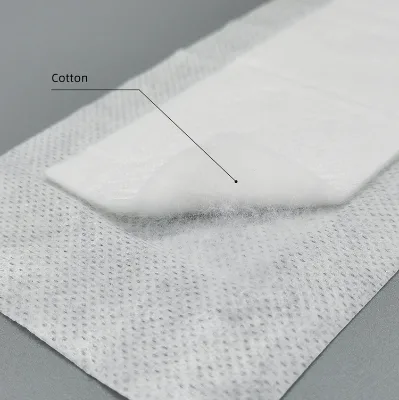
2024 Best Seller CE ISO Sterile Wound Treatment Therapy Super Absorbent Flexible Wound Dressing
$0.031 - $0.3112
MOQ: 100000 Minimum
Comprehensive Sourcing Guide
Cohesive Sterile Wound Care Dressing Sourcing Guide
Procuring cohesive sterile wound care dressings requires a clear understanding of the material properties and intended clinical use. These dressings are primarily designed for securing other medical supplies, such as bandages or catheters, rather than direct wound contact in many cases. Buyers must distinguish between passive dressings and active wound management products, as the functional requirements differ significantly. The observed market data indicates a strong presence of non-woven fabric options, which offer breathability and comfort. However, the term "cohesive" specifically refers to the self-adhering nature of the bandage, which sticks to itself but not to skin or hair. This characteristic makes them ideal for joint areas where flexibility is required. Sourcing teams should verify whether the product is intended for compression, support, or simple fixation, as this dictates the necessary tensile strength and elasticity.
The supply chain for these items is heavily concentrated in specific manufacturing hubs, with Zhejiang, China, emerging as a notable origin point for many listed products. This geographic concentration can offer logistical advantages but also requires due diligence regarding supplier reliability. The product classification often falls under Class I medical devices, which generally implies a lower risk profile compared to higher-class instruments. However, the sterilization method remains a critical differentiator. Ethylene Oxide (EO) sterilization is a common standard observed in listings, ensuring the product is free from viable microorganisms. Buyers must confirm that the sterilization process does not compromise the material integrity of the non-woven fabric. Additionally, the availability of customization options, including logo printing and specific color coding, allows for brand differentiation and internal hospital protocols.
Product Scope and Observed Listing Signals
The current market landscape for cohesive dressings reveals a diverse range of product attributes that buyers must navigate carefully. Listings frequently highlight non-woven fabric as the primary material, offering a balance of durability and softness. The observed price range is notably low, spanning from zero to 3.5 USD, which suggests high-volume manufacturing and competitive pricing structures. This economic factor is often driven by the simplicity of the product design and the availability of raw materials. However, a low unit price does not necessarily equate to low total cost of ownership. Buyers should consider the Minimum Order Quantity (MOQ), which varies widely from single units to 100,000 pieces. High MOQs may be necessary to achieve the lowest per-unit cost, impacting inventory holding costs and cash flow for smaller healthcare providers.
Color variety is another significant signal in the product scope, with options including black, white, blue, green, red, pink, and flesh tones. This diversity supports clinical needs for color-coding systems, which can improve workflow efficiency and reduce errors in busy medical environments. For instance, different colors might be used to denote different levels of compression or specific body parts. The shelf life of these products is typically listed as three years, providing ample time for distribution and storage. Furthermore, the availability of samples is a positive indicator for quality verification before committing to large orders. Buyers should utilize this opportunity to test the cohesive properties, adhesive strength, and material feel. The absence of stock for many items indicates a make-to-order production model, which requires careful planning of lead times to avoid supply chain disruptions.
Technical Specifications to Verify
Technical verification begins with the physical dimensions and packaging details of the cohesive dressings. The observed sizes vary, with some products measuring 2.5 cm by 4.5 meters, while others are specified in square centimeters, such as 10x10 cm. It is crucial to match the size to the intended application, whether it is for limb compression or securing IV sites. The model numbers, such as HW-309101 or ZG SHYS001, serve as unique identifiers for suppliers but may not correspond to international standards. Buyers must ensure that the selected model meets their specific clinical requirements. The single package size and carton packing details, such as 1000 pieces per carton, are essential for logistics planning. Understanding the packaging density helps in calculating shipping costs and warehouse storage requirements accurately.
Material composition is another critical technical specification to verify. While non-woven fabric is common, some listings mention polyester and cotton blends. The choice of material affects breathability, absorbency, and skin compatibility. For cohesive bandages, the focus is often on the elastic properties and the self-adhering capability rather than absorbency. Buyers should request material safety data sheets to confirm the absence of harmful chemicals, especially given the Ethylene Oxide sterilization process. The sterilization type, whether EO or ultrasonic, must be clearly documented. EO sterilization is effective but requires aeration time to remove residual gas. Verifying the aeration process ensures patient safety. Additionally, the instrument classification, often listed as Class I or Class II, indicates the regulatory oversight level. Buyers should confirm that the classification aligns with local regulatory requirements for medical consumables.
Compliance and Safety Documentation
Compliance with international and local standards is non-negotiable for medical consumables. The observed certifications include CE marking, which indicates conformity with health, safety, and environmental protection standards for products sold within the European Economic Area. Some listings also mention ISO certification, which signifies adherence to quality management systems. Buyers must verify the validity of these certificates and ensure they cover the specific product models being procured. The HS code 30051090 is commonly used for customs classification, aiding in tariff determination and trade compliance. However, buyers should not rely solely on the HS code for regulatory approval. Local health authorities may have additional requirements for importing medical devices.
Safety standards, such as GB/T18830-2009, provide a framework for the performance and safety of medical dressings. This standard likely covers aspects like biocompatibility, sterility assurance, and labeling requirements. Buyers should request test reports that demonstrate compliance with these standards. The disinfecting type, whether EO or ultrasonic, must be clearly stated on the product label and in the technical documentation. Ethylene Oxide sterilization requires careful handling due to the toxic nature of the gas. Suppliers must provide evidence of proper aeration and residual gas testing. Furthermore, the product name and description should accurately reflect the item's function. Mislabeling can lead to regulatory penalties and clinical errors. Buyers should ensure that all documentation, including the certificate of analysis, is up-to-date and matches the physical product received.
Cost Drivers and Commercial Terms
Understanding the cost drivers is essential for effective budgeting and negotiation. The primary cost drivers include raw material prices, manufacturing complexity, and sterilization methods. Non-woven fabric costs can fluctuate based on global supply chain conditions. The sterilization process, particularly EO sterilization, adds significant cost due to the specialized equipment and safety protocols required. Lead times also impact costs, with delivery times ranging from 30 to 40 days. Longer lead times may require higher safety stock levels, increasing inventory carrying costs. Buyers should negotiate terms that account for these variables, such as fixed pricing for a specified period or volume discounts. The MOQ is a key factor in pricing, with higher volumes typically resulting in lower unit costs.
Commercial terms such as payment methods, shipping responsibilities, and warranty policies should be clearly defined in the contract. The observed delivery time of 35-40 days suggests a production-based model rather than a ready-stock model. Buyers should plan their procurement cycles accordingly to avoid stockouts. The availability of OEM services allows for customization, which may incur additional setup costs. Logo printing and custom packaging are common requests that can enhance brand visibility but should be factored into the total cost. The sample offering is a valuable tool for quality assessment, but buyers should clarify whether samples are free or charged. Understanding the total cost of ownership, including logistics and storage, is crucial for making informed sourcing decisions. Buyers should also consider the potential for price increases due to raw material shortages or regulatory changes.
Supplier Qualification and Quality Control
Supplier qualification is the first line of defense against quality issues. Buyers should conduct thorough due diligence on potential suppliers, verifying their business licenses, manufacturing capabilities, and quality management systems. The presence of CE and ISO certifications is a positive indicator, but buyers should also check for any history of regulatory actions or recalls. Site audits, either physical or virtual, can provide insights into the supplier's production processes and quality control measures. The ability to provide customized products, such as specific colors or logos, indicates flexibility and customer focus. However, customization should not compromise the core quality of the product. Buyers should request samples and conduct internal testing to verify the cohesive properties and material integrity.
Quality control processes should be clearly defined and agreed upon with the supplier. This includes incoming material inspection, in-process quality checks, and final product testing. The sterilization process is a critical control point, and buyers should ensure that the supplier follows strict protocols to maintain sterility. The shelf life of three years provides a buffer for distribution, but buyers should monitor expiration dates upon receipt. The packaging, typically in cartons with 1000 pieces per carton, should be robust enough to protect the products during transit. Buyers should also establish a clear communication channel for addressing quality issues. A robust quality control system includes the ability to trace products back to their production batch. This traceability is essential for managing recalls or investigating adverse events.
Long-Term Procurement Checks
Long-term procurement success depends on continuous monitoring and relationship management. Buyers should establish key performance indicators (KPIs) to track supplier performance, including on-time delivery, product quality, and responsiveness to issues. Regular reviews of these KPIs help identify potential problems early and allow for corrective actions. The dynamic nature of the medical supply chain requires flexibility, and buyers should maintain a diversified supplier base to mitigate risks. Building strong relationships with suppliers can lead to better pricing, priority service, and collaborative innovation. However, buyers should remain vigilant about regulatory changes and market trends that may impact the supply of cohesive dressings.
Continuous improvement is essential for maintaining a competitive edge. Buyers should stay informed about new technologies and materials that may offer better performance or cost savings. Engaging with suppliers on product development can lead to customized solutions that meet specific clinical needs. The availability of samples and customization options facilitates this collaboration. Buyers should also consider the environmental impact of their procurement decisions, such as the choice of materials and packaging. Sustainable sourcing practices are becoming increasingly important in the healthcare industry. Finally, buyers should ensure that all contractual obligations are met and that there is a clear mechanism for dispute resolution. A proactive approach to procurement management ensures a stable and reliable supply of cohesive sterile wound care dressings.
FAQs
What is the MOQ for Cohesive Sterile Wound Care Dressing?
The minimum order quantity is 10,000 pieces. This standard applies to the non-woven cohesive bandages available from the Zhejiang, China origin. Buyers should note that stock is currently unavailable, so orders must be placed in advance to meet this specific volume requirement for production.
Can I customize the logo on Cohesive Sterile Wound Care Dressing?
Yes, customized logo printing is accepted for these medical consumables. The brand name Heaven offers OEM services, allowing buyers to apply their own branding. This customization is available for the non-woven fabric bandages, ensuring that your specific corporate identity is maintained on the final product packaging.
What certifications do Cohesive Sterile Wound Care Dressing products have?
The products hold CE and ISO quality certifications. These medical consumables are classified as Class I instruments and comply with the CE standard. The sterilization is performed using Ethylene Oxide, ensuring the non-woven cohesive bandages meet the necessary safety and quality standards for medical use in various international markets.
How long is the delivery time for Cohesive Sterile Wound Care Dressing?
The delivery time is typically 35 to 40 days. This lead time is based on the order quantity and applies to the non-woven cohesive bandages from China. Buyers should plan their procurement schedules accordingly, as the product is not kept in stock and requires production time before shipment can occur.
What materials are used in Cohesive Sterile Wound Care Dressing?
The primary material is non-woven fabric. This medical consumable is designed as a passive dressing for surgical supplies. The non-woven cohesive bandages are available in various colors including black, white, blue, and green, providing versatile options for different clinical applications while maintaining the necessary sterile properties for wound care.
What is the shelf life of Cohesive Sterile Wound Care Dressing?
The shelf life is three years. This duration applies to the non-woven cohesive bandages that are ethylene oxide sterilized. Buyers can rely on this extended stability period for inventory management, ensuring that the medical consumables remain effective and safe for use in wound care applications throughout their designated storage timeframe.