Source Plush Animal Phone Case for Travel, Gifts, and Daily Use
Source Plush Animal Phone Case options from 30 verified listings. Compare materials like silicone resin and plastic, check certifications such as RoHS and ISO9001, and review customization features including OEM services and cartoon designs for bulk purchasing needs; compare the available evidence and request quotations based on your requirements.
Updated
Key considerations
Products List


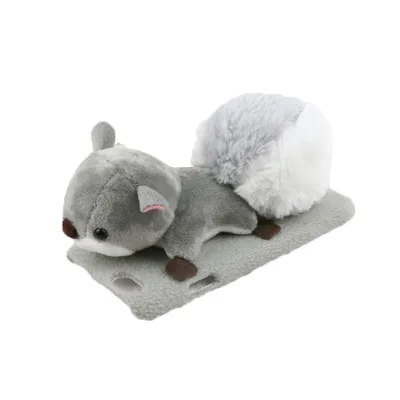
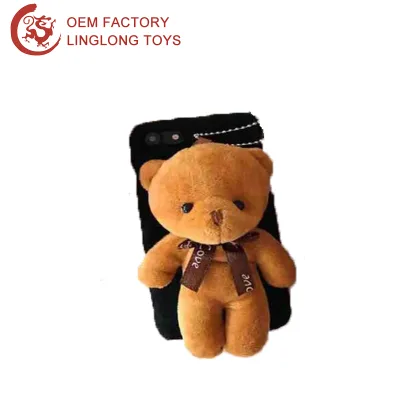
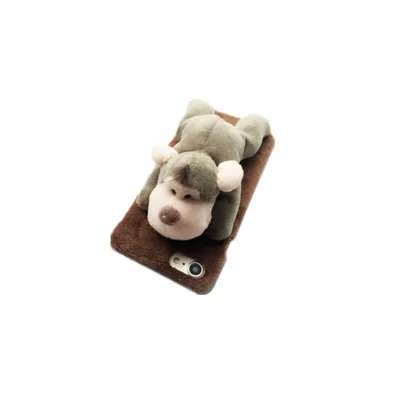
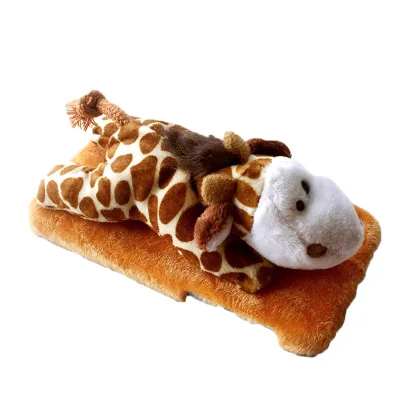
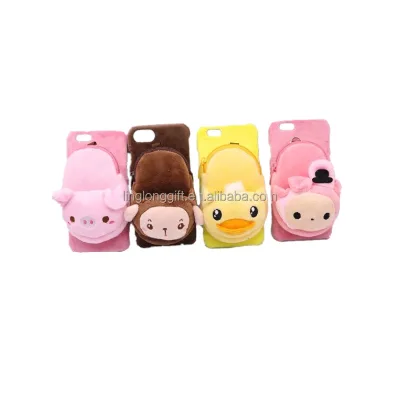
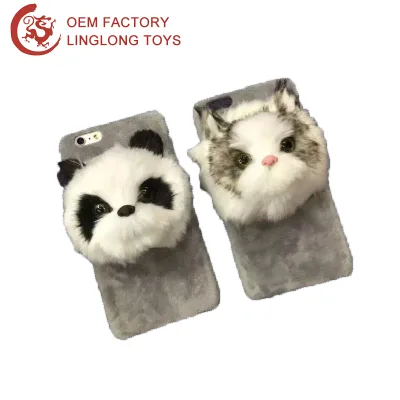


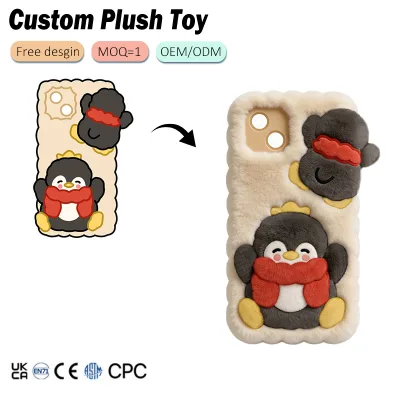
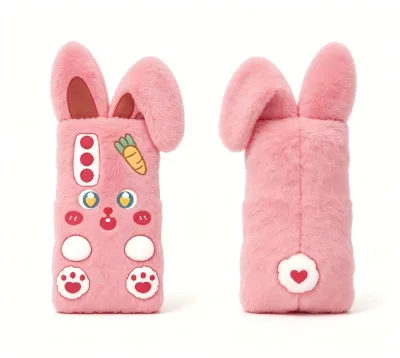
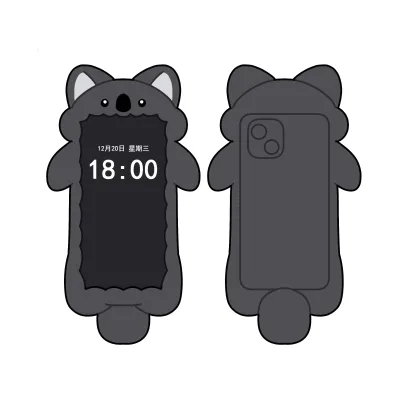


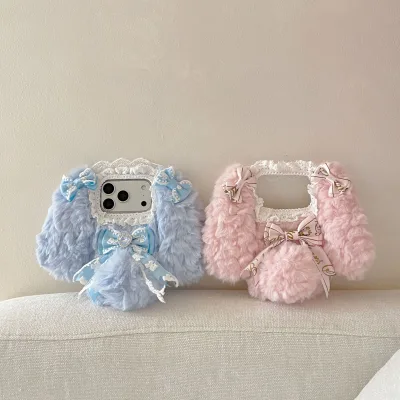


Comprehensive Sourcing Guide
Plush Animal Phone Case Sourcing Guide
Sourcing plush animal phone cases requires balancing aesthetic appeal with functional durability, as these accessories serve both decorative and protective roles for mobile devices. Buyers must navigate a market where customization is prevalent, allowing for unique designs that cater to specific brand identities or seasonal trends. The primary material observed in current listings is often a combination of plush, stuffed fabric, velboa, or felt, which provides a soft, tactile experience distinct from hard plastic or silicone alternatives. This material choice directly influences the product’s weight, texture, and perceived value, making it essential for procurement teams to request physical samples to assess the quality of the pile and the stitching integrity before committing to large orders.
The target audience for these items is broad, ranging from unisex consumers to specific demographics such as females who may prefer fashion-forward or cartoon-style designs. Applications extend beyond daily household use to include travel scenarios, where the soft nature of the case offers comfort and protection against minor impacts. However, the "plush" attribute also introduces specific maintenance and durability considerations that differ from standard protective shells. Procurement specialists should evaluate whether the plush material is treated for dirt resistance or if it requires special care instructions, as this impacts the end-user experience and potential return rates. Understanding these nuances helps in selecting suppliers who prioritize both style and practical longevity in their manufacturing processes.
Product Scope and Observed Listing Signals
Current market signals indicate a diverse range of product types, including standard cases, pouches, and back covers, with models such as Phone Cases-083Q and Cotton Mobile Phone Case-016B representing different structural approaches. While some listings emphasize simplicity and fashion, others focus on cartoon patterns or customized designs, reflecting the high degree of OEM availability in this category. The observed price range of $0.21 to $5 USD suggests a competitive market with significant variation based on material complexity and order volume. Buyers should note that while some products are listed as "best quality," this is a subjective claim that must be validated through rigorous sampling and quality control protocols rather than accepted at face value during the initial sourcing phase.
Compatibility is a critical factor, with many listings explicitly supporting iPhone models (5/6/6S/6Plus/6S/7 Plus) and Samsung devices, alongside general Android smartphones. This broad compatibility requires precise engineering to ensure a snug fit without compromising the plush aesthetic. Some products are designed without car holders, while others include them, indicating that functional accessories can be integrated into the plush design. The presence of features like dirt resistance and decoration highlights the dual purpose of these items. Procurement teams must verify that the plush material does not interfere with wireless charging or button functionality, as these are common pain points in soft-case designs that can lead to customer dissatisfaction if not addressed during the specification stage.
Technical Specifications to Verify
Hardness and material composition are primary technical variables, with options ranging from medium soft silicone resin to soft plastic and various plush fabrics like peluche or felt. Buyers must specify the exact material blend to ensure consistency, as variations in plush density can affect the case’s ability to absorb shock and protect the device. The size specifications are often customized, requiring precise measurements for each target device model to prevent slippage or excessive bulk. It is crucial to verify the single package size, which has been observed at dimensions like 50x45x45 cm for certain bulk packaging configurations, to optimize logistics and storage efficiency. These physical dimensions directly impact shipping costs and warehouse space utilization, making accurate specification a key component of cost management.
Functional attributes such as waterproofing, shock absorption, and dirt resistance are frequently claimed but require empirical verification. While some listings mention waterproof capabilities, the porous nature of plush materials often limits true water resistance, making it essential to test for moisture absorption and drying times. Shock absorption properties depend heavily on the internal structure and the density of the plush layer, which must be evaluated against standard drop-test protocols. Additionally, the compatibility with specific brands must be confirmed through fitment testing, as generic sizing can lead to poor user experiences. Buyers should insist on detailed technical datasheets that outline the exact performance metrics for these functions, ensuring that the product meets the expected durability standards for its intended market segment.
Compliance and Safety Documentation
Certification requirements vary by region and material type, with some listings indicating RoHS and ISO9001 compliance, which are critical for electronic accessories entering regulated markets. RoHS certification ensures that the plush materials and any internal components do not contain restricted hazardous substances, protecting both the consumer and the environment. ISO9001 indicates a standardized quality management system, which is a positive indicator of manufacturing consistency. However, buyers must verify that these certifications are current and applicable to the specific product line, as certifications can sometimes be held by the parent company rather than the specific factory producing the plush cases. Requesting valid certificates and cross-referencing them with issuing bodies is a necessary step to mitigate compliance risks.
Safety standards for children’s toys or decorative items may also apply if the plush animal design is marketed towards younger demographics or includes small detachable parts. Even if not classified as toys, general product safety regulations regarding flammability and chemical safety in textiles must be considered. The use of dyes and finishes on the plush fabric should be checked for compliance with local textile safety standards to prevent skin irritation or allergic reactions. Buyers should ensure that the supplier provides a Declaration of Conformity (DoC) for each batch, detailing the materials used and their compliance status. This documentation is essential for customs clearance and retail distribution, particularly in markets with strict consumer protection laws.
Cost Drivers and Commercial Terms
The minimum order quantity (MOQ) is a significant commercial term, with observed ranges from 1 to 1000 units, and specific listings citing 500 PCS as a standard threshold. Higher MOQs typically result in lower per-unit costs due to economies of scale in material procurement and production setup. Buyers must balance their inventory needs with cash flow constraints, considering that plush materials may have longer lead times due to sourcing complexities. The customization options, including OEM services and pattern design, can add to the cost, especially if unique molds or specialized stitching techniques are required. Understanding the cost breakdown for materials, labor, and customization is vital for accurate margin calculation and competitive pricing strategies in the final retail market.
Packaging and logistics also influence the total landed cost, with options ranging from standard PP bags to custom packaging as per buyer requirements. The single package size of 50x45x45 cm for certain items suggests that bulk packaging can be optimized to reduce volumetric weight charges. Buyers should negotiate clear terms for packaging customization, including branding elements and protective measures to prevent crushing or soiling of the plush surface during transit. Lead times should be explicitly defined in the contract, accounting for production, quality control, and shipping durations. Early communication regarding these commercial terms helps in planning inventory replenishment and avoiding stockouts, ensuring a smooth supply chain operation for the Plush Animal Phone Case product line.
Supplier Qualification and Quality Control
Supplier qualification should focus on factories with proven experience in plush textile manufacturing and electronics accessory production. Verifying the supplier’s production capacity and quality control processes is essential, as inconsistent stitching or material defects can lead to high return rates. Buyers should conduct on-site audits or request third-party inspection reports to assess the factory’s adherence to safety and quality standards. The presence of ISO9001 certification is a good starting point, but direct observation of the production line is necessary to ensure that quality checks are performed at every stage, from material cutting to final packaging. Suppliers who offer OEM services should also demonstrate flexibility and responsiveness to design changes, which is crucial for maintaining product relevance in a fast-moving market.
Quality control protocols must include rigorous testing for durability, colorfastness, and dimensional accuracy. Buyers should establish clear acceptance criteria for defects, such as loose threads, uneven plush pile, or misaligned cutouts for ports and buttons. Implementing a pre-shipment inspection (PSI) is recommended to catch any issues before the goods leave the factory. Additionally, buyers should request samples from different production batches to ensure consistency over time. Establishing a strong relationship with the supplier through regular communication and feedback loops can help in continuously improving product quality. This proactive approach to quality management reduces the risk of receiving substandard goods and enhances customer satisfaction in the end market.
Long-Term Procurement Checks
Long-term procurement success depends on continuous monitoring of supplier performance and market trends. Buyers should regularly review supplier metrics, including on-time delivery rates, defect rates, and responsiveness to issues. Maintaining a diversified supplier base can mitigate risks associated with single-source dependencies, especially for specialized plush materials. Staying informed about emerging trends in phone case designs, such as new animal motifs or sustainable material options, allows buyers to adapt their product offerings quickly. Engaging in regular market research helps in identifying potential disruptions in the supply chain, such as raw material shortages or changes in trade regulations, enabling proactive adjustments to sourcing strategies.
Sustainability and ethical sourcing are increasingly important considerations for modern consumers. Buyers should inquire about the sourcing of plush materials, ensuring they are obtained from responsible suppliers who adhere to ethical labor practices. Exploring options for recycled or eco-friendly plush fabrics can enhance brand reputation and appeal to environmentally conscious consumers. Regularly updating compliance documentation and ensuring that suppliers remain certified is crucial for maintaining market access. By focusing on these long-term checks, buyers can build a resilient and sustainable supply chain that supports the ongoing success of plush animal phone cases in a competitive global market.
FAQs
What materials are used for plush animal phone cases?
Plush animal phone cases are made from materials like plush, stuffed, velboa, felt, and peluche. These soft fabrics provide a comfortable grip and decorative appeal while protecting the device from minor impacts and dirt.
Can I customize the design of these phone cases?
Yes, customization is available for these phone cases with options for customized patterns and designs. Buyers can request specific styles such as cartoon or fashion designs to match their personal preferences or brand requirements.
Which certifications do these phone case manufacturers hold?
Some manufacturers hold ISO9001 and RoHS certifications for their products. These standards ensure quality management and compliance with environmental regulations, providing assurance regarding the safety and reliability of the phone case materials used.
What is the minimum order quantity for plush cases?
The minimum order quantity varies, with some listings requiring 500 pieces while others start at 1 piece. Buyers should check specific supplier requirements as MOQs can range from 1 to 1000 pieces depending on the vendor.
How are these phone cases packaged for shipping?
Products are typically packed in PP bags or according to specific buyer requirements. This flexible packaging ensures the plush cases remain clean and protected during transit while allowing for custom branding needs on the outer packaging.
Are these cases compatible with major smartphone brands?
Yes, these cases are compatible with brands like iPhone, Samsung, and various Android smartphones. Specific models support devices such as iPhone 5, 6, 6S, 7 Plus, and other smart phones depending on the selected product model.
Where are these phone cases manufactured?
These phone cases originate from China, specifically from regions like Fujian and Guangdong. Manufacturers in these locations offer various production capabilities and are known for supplying high-quality mobile phone accessories to international markets.