Source Nordic Style Crochet Basket for Home, Bathroom, and Storage
Find 30 options for the Nordic Style Crochet Basket, featuring white cotton designs in various sizes. Compare specifications like dimensions and MOQs from Guangdong suppliers to source elegant storage solutions for bathrooms and living spaces; compare the available evidence and request quotations based on your requirements.
Updated
Key considerations
Products List
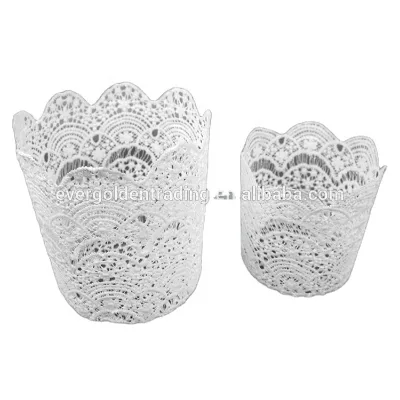
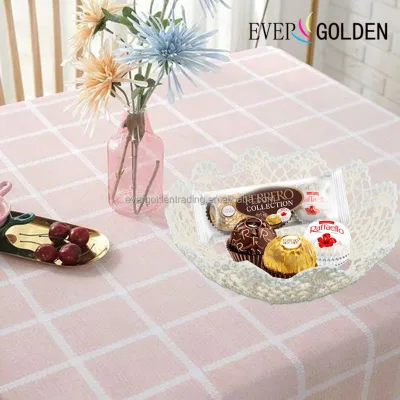
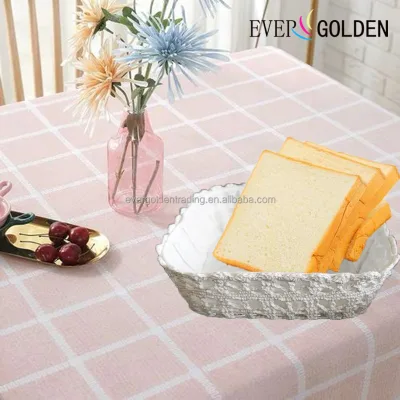
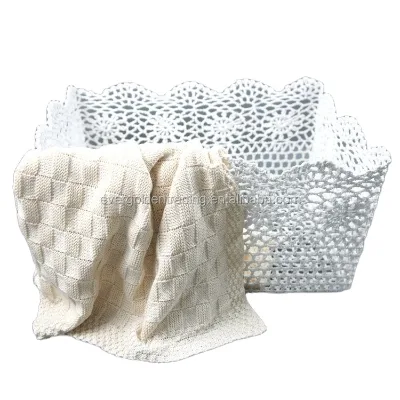
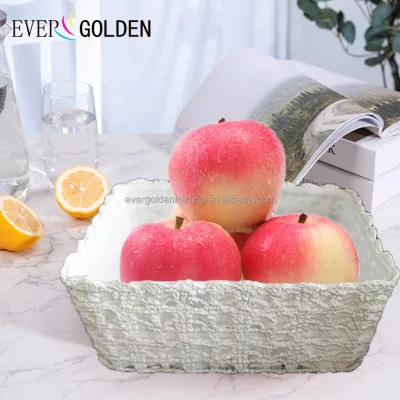

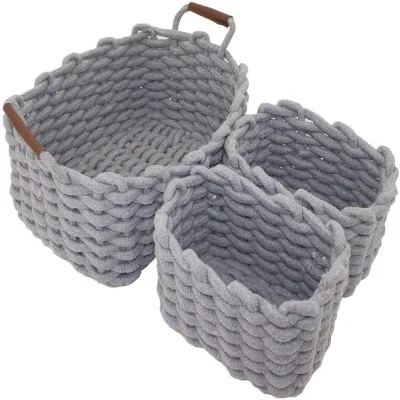
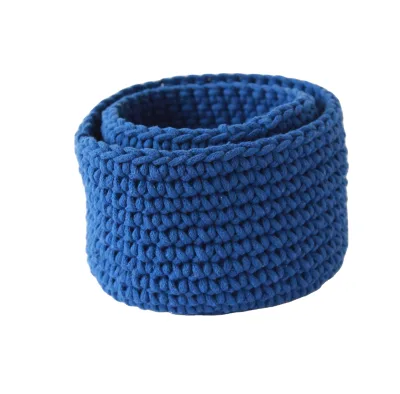

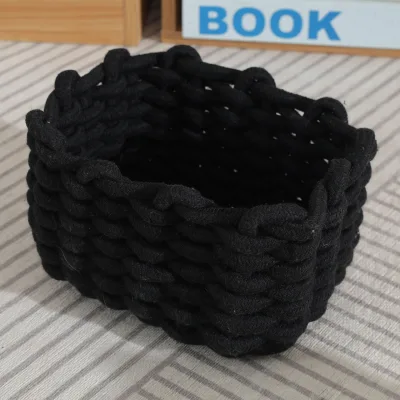
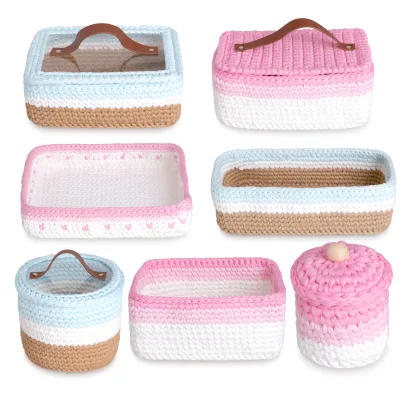
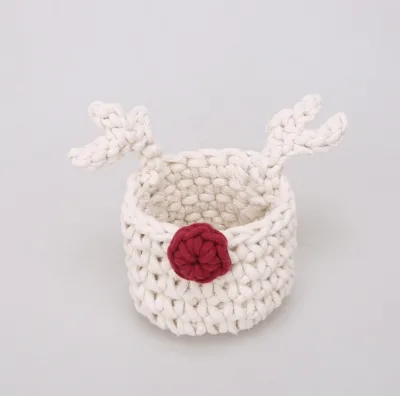
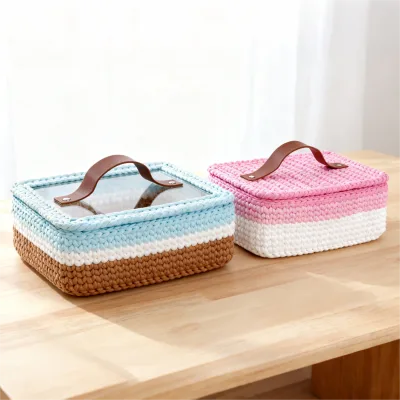
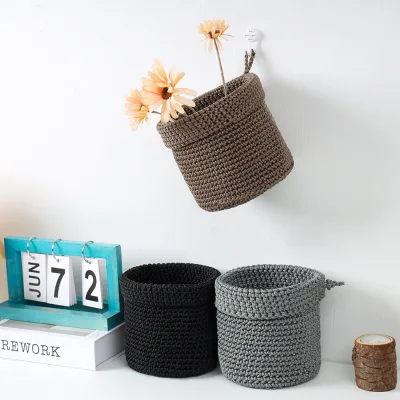
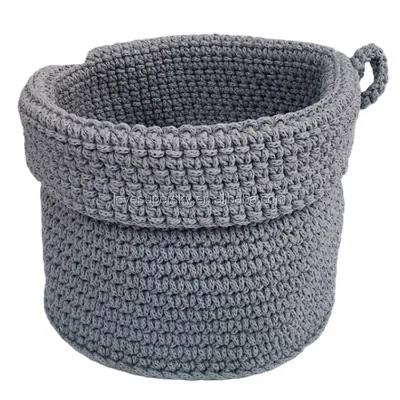
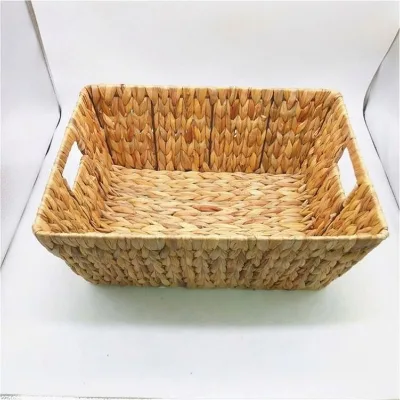
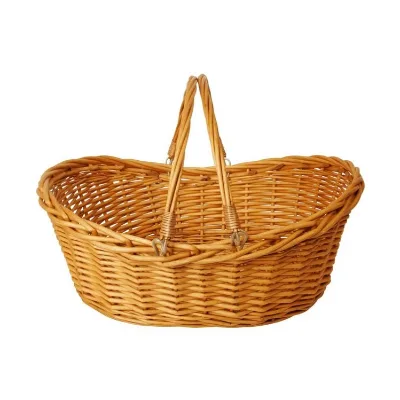
TB02 Handmade Modern Style Hanging Crochet Bin Knit Storage Basket for Home Storage
$2.00 - $4.00
MOQ: 500 pieces
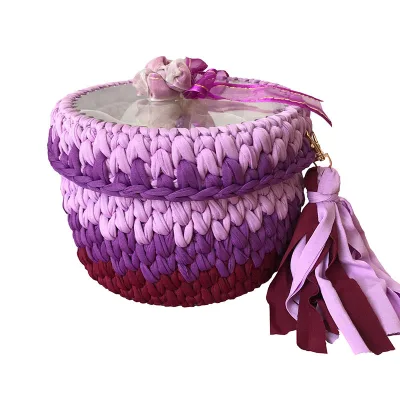
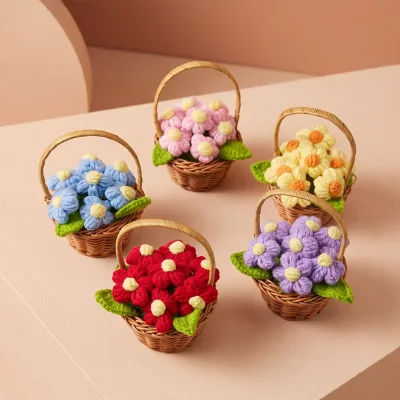

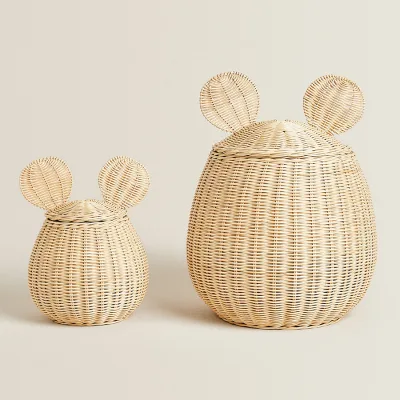
Animal Cotton Rope Storage Woven Finishing Basket Nordic Sundry Porch Cartoon Cotton Basket
$2.59 - $2.89
MOQ: 200 Pieces

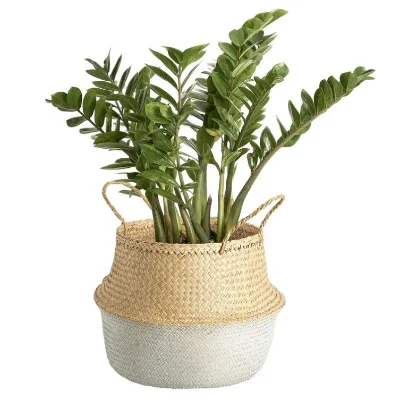
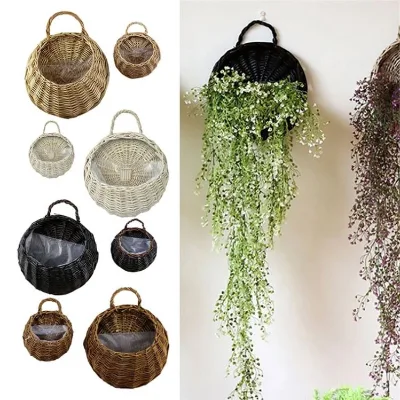


Handmade Hanging Woven Plant Flower Pot Interior Decoration Storage Basket
$0.96 - $1.10
MOQ: 500 Pieces

Comprehensive Sourcing Guide
Nordic Style Crochet Basket Sourcing Guide
Sourcing hand-crocheted storage solutions requires balancing aesthetic appeal with functional durability, particularly when targeting markets that favor minimalist or rustic home decor. Buyers must recognize that "nordic style" often implies clean lines and natural materials, which aligns with the observed product attributes of white or customizable color options and 100% cotton composition. The primary challenge lies in verifying that the intricate crochet work maintains structural integrity under load while resisting deformation over time. Procurement teams should prioritize suppliers who demonstrate consistent stitch density and reinforced bases, as these factors directly influence the basket’s longevity in high-traffic household environments.
Commercial viability depends heavily on understanding the specific manufacturing capabilities of suppliers in key production hubs like Guangdong, China. The observed data indicates a wide range of sizes, from compact 18x18x5 cm trays to larger 42x32x21 cm organizers, suggesting that suppliers may offer modular or scalable production lines. Buyers need to assess whether a supplier can handle mixed-size orders without compromising quality control or inflating logistics costs. Additionally, the flexibility in color customization and material composition allows for brand differentiation, but it also introduces complexity in inventory management and quality assurance protocols that must be addressed during the initial supplier engagement phase.
Product Scope and Observed Listing Signals
The current market landscape for crochet baskets reveals a diverse array of product types, ranging from small sundries trays to large clothing organizers. Observed listings highlight specific model numbers such as EH06299L and EG23036, which correspond to distinct dimensional profiles and weight tolerances. These identifiers are crucial for buyers to track specific SKUs and ensure consistency across repeat orders. The presence of multiple size specifications, including 24x24x7 cm and 42x32x21 cm, indicates that suppliers cater to varied storage needs, from bathroom cosmetics to wardrobe organization. Buyers should carefully map these dimensions to their target retail shelf space and customer usage scenarios to avoid mismatches between product expectations and physical reality.
Material composition and functional design are key differentiators in this category, with many products claiming 100% cotton construction and multifunctional utility. The observed attributes suggest that these baskets are designed for home decoration, bathroom storage, and general tidying, often featuring eco-friendly positioning. However, buyers must verify the actual weight and density of the cotton yarn, as this impacts both the perceived quality and the shipping costs. The observation of water-resistant properties in some listings adds a layer of functional versatility, allowing these items to be used in humid environments like bathrooms without immediate degradation. Understanding these specific feature sets helps buyers align product selection with their brand’s value proposition and customer pain points.
Technical Specifications to Verify
Dimensional accuracy is a critical technical parameter that requires rigorous verification, as observed tolerances vary significantly between product lines. Some listings specify a dimensional tolerance of less than ±1mm, while others allow for a broader range of ±2cm. This discrepancy highlights the importance of defining precise quality standards in the purchase agreement to prevent customer dissatisfaction due to size mismatches. Buyers should request physical samples to measure actual dimensions against the stated specifications, paying close attention to the single package size and overall footprint. Consistent dimensional control ensures that products fit correctly in retail displays and customer homes, reducing the risk of returns due to size-related issues.
Weight consistency and material integrity are equally important technical factors that influence both product performance and logistics planning. Observed single gross weights range from 0.045 kg to 0.100 kg, with some products specifying a weight tolerance of less than ±1%. Buyers must verify that the cotton composition is uniform and that the crochet technique does not result in excessive variability in weight. Additionally, the installation type, such as standing type, requires stability testing to ensure the basket does not tip over when loaded. Confirming these technical specifications through third-party inspection or in-house testing helps mitigate risks associated with product failure and ensures that the final goods meet the agreed-upon quality benchmarks.
Compliance and Safety Documentation
While specific certification statuses are not explicitly detailed in the observed data, buyers must proactively request relevant safety and material compliance documents from suppliers. For products marketed as eco-friendly or made from 100% cotton, verifying the source of the raw materials and the absence of harmful chemicals is essential. Buyers should inquire about any existing certifications related to textile safety, such as OEKO-TEX or similar standards, to ensure the products are safe for household use, particularly in environments like bathrooms or kitchens where direct contact with personal items occurs. This due diligence helps protect the brand from potential liability issues and aligns with growing consumer demand for transparent and safe sourcing practices.
Packaging and labeling compliance are also critical aspects of the documentation process, especially for international shipments. The observed packing method of one piece per polybag suggests a simple packaging approach, but buyers must ensure that this meets the labeling requirements of their target markets, including country of origin, material content, and care instructions. Additionally, if the products are intended for children’s rooms or specific regulated environments, additional safety testing may be required. Buyers should work with their legal and compliance teams to identify all necessary documentation requirements and ensure that suppliers can provide the necessary proof of compliance before production begins, thereby avoiding customs delays or market rejection.
Cost Drivers and Commercial Terms
The cost structure for crochet baskets is influenced by several key factors, including material costs, labor intensity, and order volume. The observed minimum order quantities (MOQs) range from 50 to 1000 pieces, indicating that suppliers offer flexibility for both small and large orders. Buyers should negotiate pricing based on their expected volume, keeping in mind that higher volumes may yield better unit prices but require greater capital investment. Additionally, the complexity of the crochet design and the specific material composition, such as 100% cotton, will impact the base cost. Understanding these cost drivers allows buyers to forecast their expenses more accurately and identify opportunities for cost optimization without compromising quality.
Commercial terms, including payment conditions and lead times, play a significant role in the overall procurement strategy. The observed port of loading options, such as Shantou or any Chinese port, provide flexibility in logistics planning, but buyers should confirm the specific shipping arrangements and associated costs. Lead times can vary based on the complexity of the order and the supplier’s current production capacity, so it is essential to establish clear timelines in the purchase agreement. Buyers should also consider the implications of currency fluctuations and freight costs, which can significantly impact the final landed cost. By carefully managing these commercial terms, buyers can enhance their supply chain resilience and maintain competitive pricing in their target markets.
Supplier Qualification and Quality Control
Evaluating supplier qualifications is a foundational step in ensuring a reliable supply chain for crochet baskets. Buyers should assess the supplier’s production capabilities, including their machinery, workforce expertise, and quality control processes. The observed attributes, such as the use of woven techniques and specific model numbers, suggest that suppliers have established production lines, but buyers must verify that these lines are capable of maintaining consistent quality across large batches. Requesting factory audits or third-party inspections can provide valuable insights into the supplier’s operational standards and help identify potential risks before committing to large orders. This due diligence helps build a strong foundation for a long-term partnership based on trust and mutual benefit.
Quality control protocols must be clearly defined and enforced throughout the production process to ensure that the final products meet the agreed-upon specifications. Buyers should implement a comprehensive inspection plan that includes pre-production, during-production, and pre-shipment inspections. Key quality metrics, such as stitch density, dimensional accuracy, and material integrity, should be monitored closely to detect any deviations early. Additionally, buyers should establish clear criteria for defect acceptance and rejection, ensuring that any non-conforming products are addressed promptly. By maintaining rigorous quality control standards, buyers can minimize the risk of receiving substandard goods and protect their brand reputation in the marketplace.
Long-Term Procurement Checks
Sustaining a successful procurement relationship requires ongoing monitoring and evaluation of supplier performance. Buyers should regularly review key performance indicators, such as on-time delivery rates, product quality consistency, and responsiveness to issues. The observed product attributes, such as the elegant style and multifunctional design, should be reassessed periodically to ensure they remain aligned with market trends and customer preferences. By staying attuned to changes in consumer demand, buyers can proactively adjust their sourcing strategies and maintain a competitive edge. This continuous improvement mindset helps ensure that the supply chain remains agile and responsive to evolving market conditions.
Strategic planning for future orders involves analyzing historical data to identify trends and opportunities for optimization. Buyers should track cost fluctuations, lead time variations, and quality issues to inform their decision-making process for subsequent purchases. Additionally, exploring opportunities for product innovation, such as new designs or material improvements, can help differentiate the brand and attract new customers. By fostering a collaborative relationship with suppliers and investing in long-term planning, buyers can build a resilient and efficient supply chain that supports sustainable growth. This proactive approach ensures that the procurement function remains a strategic asset rather than just a transactional necessity.
FAQs
What materials are used for the crochet storage baskets?
The baskets are made from 100% cotton material to ensure durability and eco-friendliness. This composition supports their use as home storage solutions for bathrooms, living rooms, and kitchens while maintaining a soft texture for handling sundries or gifts.
Can I customize the color of the hand knit baskets?
Yes, you can make any colors for these elegant storage baskets to match your specific design needs. While white is a standard option, the product allows for color customization to suit various home decoration styles and interior themes effectively.
What is the minimum order quantity for these storage baskets?
The minimum order quantity varies between 50 and 100 pieces depending on the specific model selected. Some models like the EH06299L require 100 pieces, while others such as the EG23036 allow for a lower entry point of 50 pieces for buyers.
How are the cotton crochet baskets packaged for shipping?
Each basket is packed individually in a polybag to protect it during transit. The single package size varies by model, ranging from 18x18x5 cm for smaller trays up to 43x33x13 cm for larger storage units, ensuring safe delivery.
Where are these crochet storage baskets manufactured?
These products originate from Guangdong, China, with loading ports available in Shantou or any other Chinese port. This location ensures efficient logistics for international buyers seeking reliable sourcing for their home decoration and storage needs.
What are the available sizes for the storage baskets?
Available sizes include 18x18x5 cm, 24x24x7 cm, and 42x32x21 cm to fit different storage requirements. Dimensional tolerances vary by model, with some allowing up to 2 cm variance while others maintain tighter tolerances under 1 mm for precision.