Source Custom Logo Printing EVA Raincoat for Riding, Walking, and Camping
Find 30 options for Custom Logo Printing EVA Raincoat suitable for riding, walking, and camping. Compare features like waterproofing, portability, and reflective strips to select the right gear for outdoor activities; compare the available evidence and request quotations based on your requirements.
Updated
Key considerations
Products List


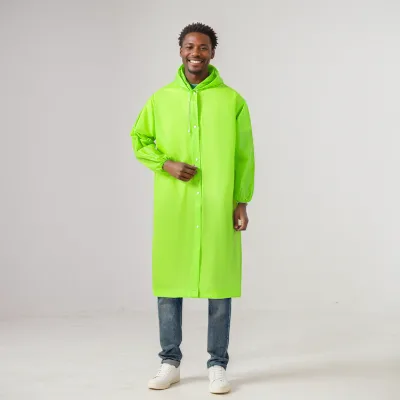
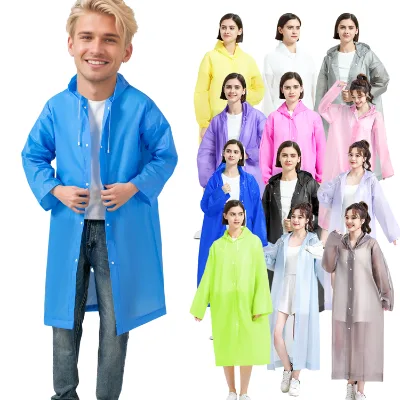
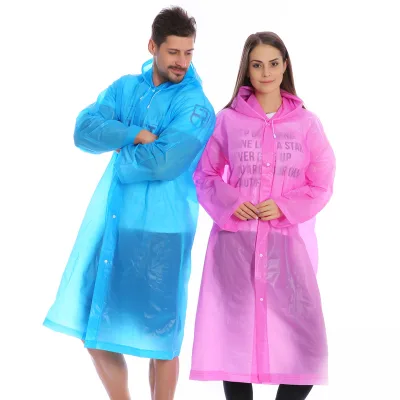
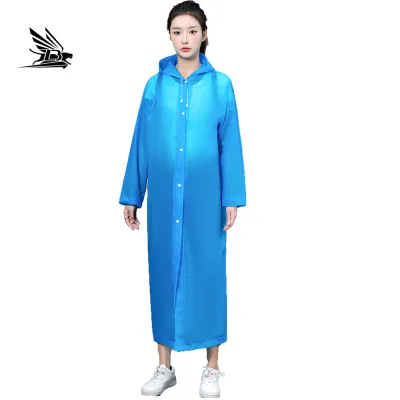
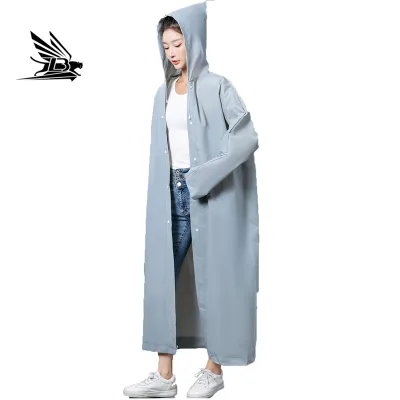
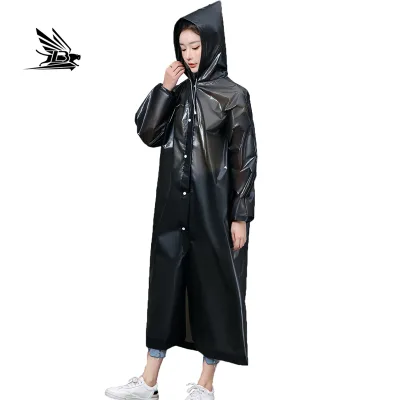
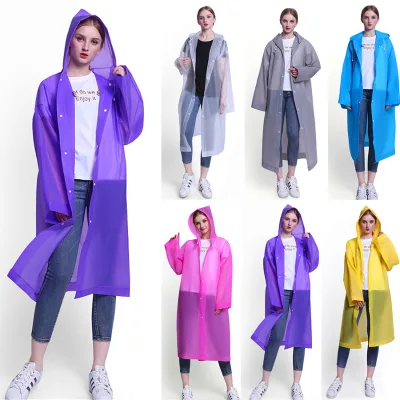

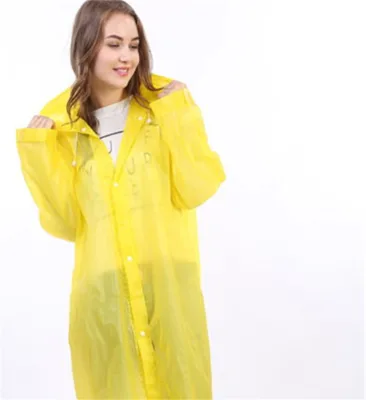
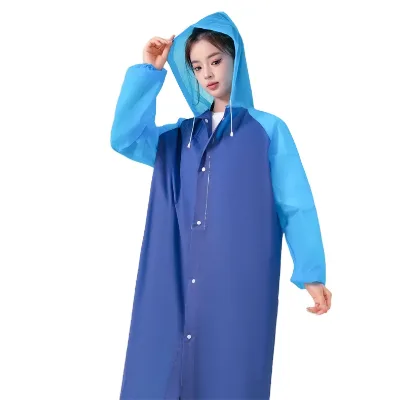
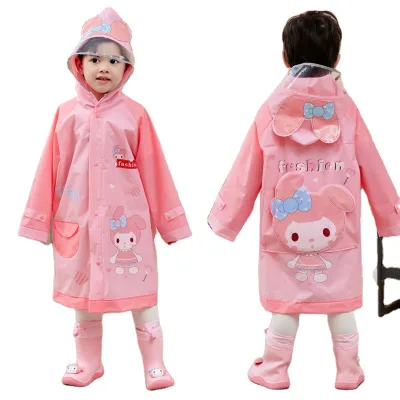
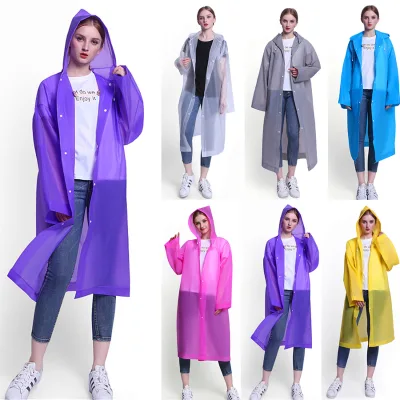

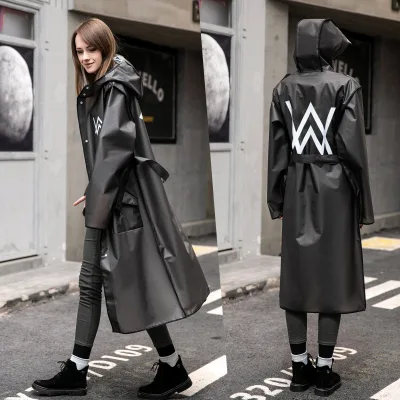
Custom Logo PVC Flame Retardant Workwear Rain Protection Raincoat Rain Suit
$4.00 - $4.90
MOQ: 2000 Pieces


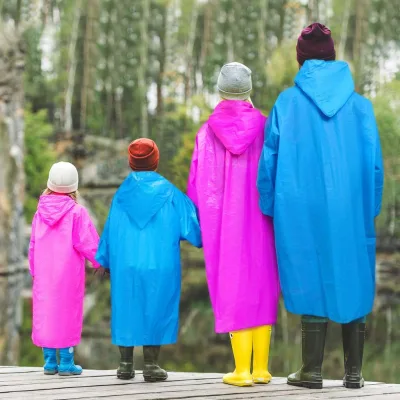
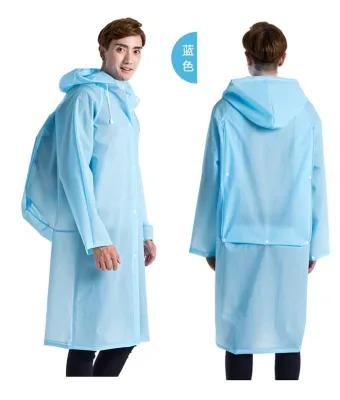
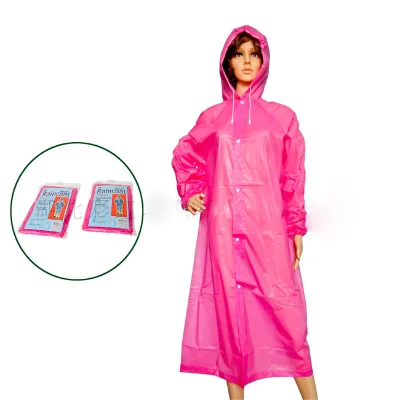
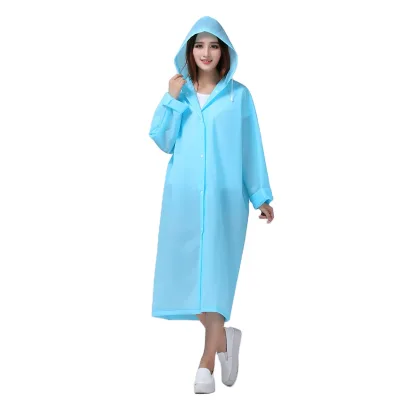
Comprehensive Sourcing Guide
Custom Logo Printing EVA Raincoat Sourcing Guide
Procuring custom logo printing EVA raincoats requires a strategic approach to balancing material performance with branding visibility. EVA, or ethylene-vinyl acetate, offers distinct advantages over traditional PVC or nylon materials, particularly in terms of flexibility and environmental profile. Buyers must first define whether the end-use demands high durability for repeated outdoor activities or lightweight disposability for event distribution. The choice between these categories significantly influences the selection of suppliers and the specific technical parameters that must be verified during the sourcing process.
The integration of custom logo printing adds a layer of complexity to the procurement workflow, requiring careful attention to print durability and placement. EVA surfaces can present unique challenges for adhesion compared to woven fabrics, necessitating specific printing techniques such as screen printing, heat transfer, or embossing. Sourcing guides should emphasize the importance of sample approval before mass production, ensuring that the logo remains intact after folding, exposure to moisture, and temperature variations. This verification step is critical for maintaining brand integrity and preventing costly rejections upon delivery.
Product Scope and Observed Listing Signals
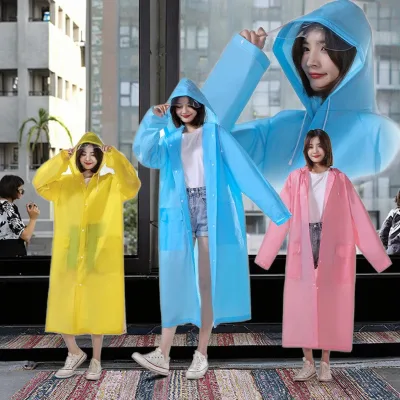
Market listings for EVA raincoats reveal a diverse range of product attributes that buyers must navigate carefully. Observed data indicates that materials often cited include PVC, nylon, and EVA, with specific models highlighting features like foldability, portability, and lightweight construction. The presence of reflective strips is a notable variation, with some products offering them for enhanced visibility during riding or walking, while others omit them entirely. Buyers should scrutinize these listings to distinguish between reusable, durable rainwear and single-use disposable options, as the intended application will dictate the appropriate material choice and structural design.
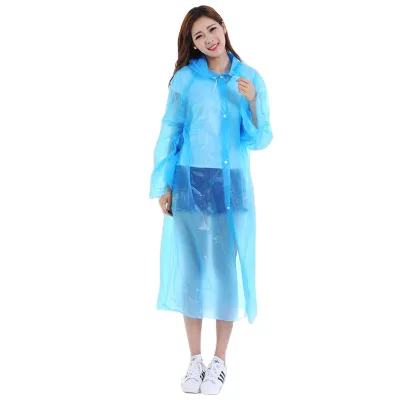
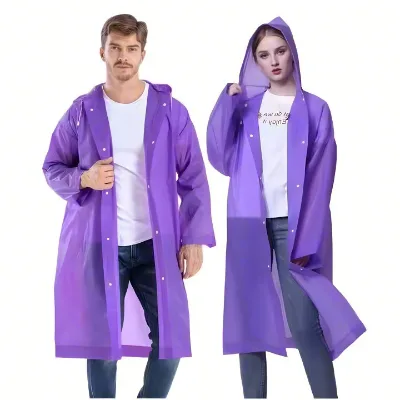
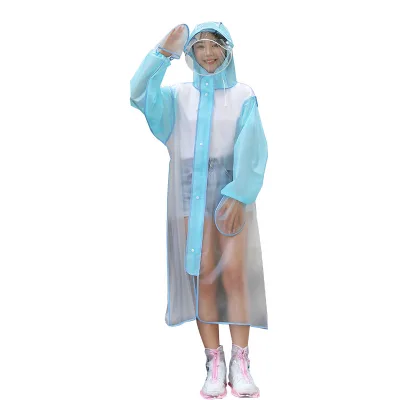
Color and style variations further complicate the scope, with options ranging from standard black and navy blue to vibrant oranges and pastels. The style of the raincoat, whether split, poncho, or pullover, also plays a crucial role in functionality, particularly for activities like cycling, camping, or motorcycle travel. Listings often specify gender neutrality or universal fit, catering to a broad adult demographic. Understanding these observed signals helps buyers align their procurement needs with the actual capabilities of suppliers, ensuring that the selected product meets both aesthetic and functional requirements for their specific market segment.
Technical Specifications to Verify
When evaluating EVA raincoats, verifying technical specifications is paramount to ensuring product quality and suitability. Key attributes to confirm include the material composition, with a focus on the EVA percentage and any additives that enhance waterproofing or breathability. Buyers should request detailed specifications regarding the thickness of the material, as this directly impacts durability and packability. Additionally, the presence of features such as adjustable hoods, sealed seams, and ventilation zippers should be verified, as these elements contribute significantly to the overall performance of the raincoat in wet conditions.
Packaging and dimensional specifications are equally important, particularly for logistics and retail presentation. Single package dimensions and gross weight data should be obtained to calculate shipping costs and storage requirements accurately. For custom logo printing, buyers must verify the print area size and the method used, ensuring that the design does not compromise the waterproof integrity of the garment. It is also essential to confirm the size range offered, as inconsistencies in sizing can lead to customer dissatisfaction and increased return rates in the final market.
Compliance and Safety Documentation
Compliance with safety and environmental standards is a critical aspect of sourcing EVA raincoats, especially for markets with strict regulatory requirements. Buyers should verify that suppliers possess relevant certifications, such as CE marking, which indicates conformity with health, safety, and environmental protection standards for products sold within the European Economic Area. Additionally, inquiries should be made regarding compliance with REACH regulations, which restrict the use of certain hazardous substances in manufacturing processes. Ensuring that the EVA material is free from harmful phthalates and other toxic additives is essential for both consumer safety and brand reputation.
Documentation related to product safety and material composition should be requested and reviewed thoroughly. This includes material safety data sheets (MSDS) and test reports from accredited laboratories that verify the waterproof performance and durability of the raincoat. For products intended for specific applications, such as motorcycle riding, additional safety features like high-visibility reflective strips may be subject to specific standards. Buyers must ensure that these features meet the required performance criteria and are correctly documented in the supplier’s compliance portfolio to avoid legal liabilities and market access issues.
Cost Drivers and Commercial Terms
Understanding the cost drivers associated with custom logo printing EVA raincoats is essential for effective budgeting and negotiation. The primary cost factors include the price of raw EVA material, the complexity of the custom logo design, and the volume of the order. Higher MOQs typically result in lower per-unit costs, but buyers must balance this with inventory holding costs and market demand forecasts. Additionally, the choice of printing method can significantly impact the final price, with more durable techniques often commanding a premium. Buyers should seek detailed quotations that break down these costs to identify potential areas for savings without compromising quality.
Commercial terms such as lead times, payment conditions, and shipping arrangements also play a crucial role in the total cost of ownership. Observed lead times for production can range from 15 to 25 days, depending on the order size and customization requirements. Buyers should negotiate clear terms regarding sample provision, which is often offered to facilitate decision-making. It is also important to clarify responsibilities for shipping and insurance, as well as the procedures for handling defects or delays. Establishing a transparent and mutually beneficial commercial agreement helps mitigate risks and ensures a smooth procurement process.
Supplier Qualification and Quality Control
Supplier qualification is a foundational step in sourcing custom logo printing EVA raincoats, requiring a thorough assessment of manufacturing capabilities and quality management systems. Buyers should verify the supplier’s production capacity, technological infrastructure, and experience in handling EVA materials and custom printing. Visiting the factory or conducting virtual audits can provide valuable insights into the production environment and quality control processes. It is also important to assess the supplier’s ability to meet specific customization requirements, including logo placement, color matching, and packaging specifications.
Implementing a robust quality control plan is essential to ensure that the final products meet the agreed-upon standards. This includes establishing clear acceptance criteria for materials, workmanship, and finished goods. Buyers should consider implementing pre-production samples, in-process inspections, and final random inspections to catch defects early and prevent large-scale issues. Communication channels with the supplier should be well-defined to address any quality concerns promptly. By prioritizing supplier qualification and rigorous quality control, buyers can minimize the risk of receiving substandard products and maintain high customer satisfaction levels.
Long-Term Procurement Checks
Long-term procurement success depends on continuous monitoring and evaluation of supplier performance and market trends. Buyers should establish key performance indicators (KPIs) to track metrics such as on-time delivery, product quality, and responsiveness to issues. Regular reviews of these metrics can help identify areas for improvement and foster a collaborative relationship with the supplier. Additionally, staying informed about advancements in EVA material technology and printing techniques can provide opportunities for innovation and cost optimization in future orders.
Market dynamics and regulatory changes also require ongoing attention, as they can impact the sourcing strategy and product requirements. Buyers should regularly assess the competitive landscape and customer feedback to ensure that the procured raincoats remain relevant and desirable. Building a diversified supplier base can mitigate risks associated with single-source dependencies and provide flexibility in responding to market fluctuations. By maintaining a proactive and adaptive approach to procurement, buyers can secure a reliable supply of high-quality custom logo printing EVA raincoats that support their business objectives and brand identity.
FAQs
Can I get custom logo printing on EVA raincoats?
Yes, customization is available for these raincoats. The product page confirms that customization options exist for buyers. You can request specific branding or designs to be applied to the EVA material rainwear according to your requirements.
What is the lead time for custom orders?
The delivery time for these products ranges from 15 to 25 days. This lead time applies to the manufacturing and shipping process for the raincoats. Buyers should plan their procurement schedule accordingly to ensure timely receipt of goods.
Which certifications do the raincoats hold?
The products carry CE certification as a documented standard. This indicates compliance with specific safety or quality requirements for the European market. Buyers can verify this certification status when evaluating supplier credentials for their custom orders.
What is the minimum order quantity for these items?
The minimum order quantity starts at 100 pieces for this product line. Some listings indicate a broader range up to 100,000 units depending on the specific supplier configuration. This MOQ allows for flexible bulk purchasing for various business needs.
Where are these raincoats manufactured?
The products originate from China, specifically from regions like Anhui, Henan, and Guangdong. These locations serve as the primary places of origin for the manufacturing facilities. Buyers can expect supply chains to be established within these Chinese provinces.
Are samples available for custom logo requests?
Yes, samples are offered to potential buyers before placing a full order. This allows clients to verify the quality of the EVA material and the effectiveness of the custom printing. Buyers can request these samples to ensure the product meets their specific standards.
What sizes are available for the raincoats?
The raincoats come in various sizes including L and One Size options. Different listings specify sizes like L or One Size to fit adult users. This variety ensures that the custom raincoats can accommodate different body types effectively.