Source Printed Fabric Sports Hair Bands for Gym, Yoga, and Running
Find 30 Printed Fabric Sports Hair Band options from China. Compare elastic and spiral designs suitable for women and girls. View specifications like width and diameter, check customization availability, and review MOQs starting from 1200 sets for bulk sourcing; compare the available evidence and request quotations based on your requirements.
Updated
Key considerations
Products List


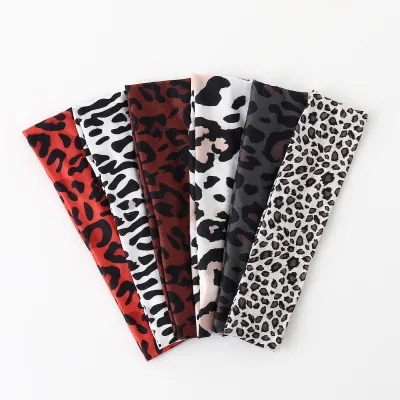
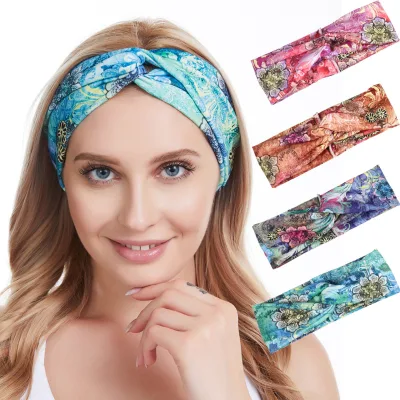
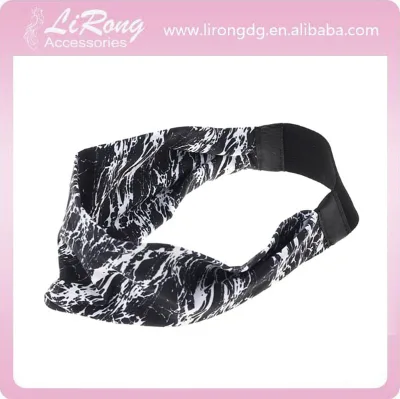
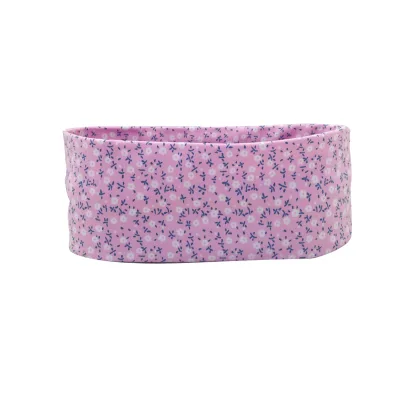
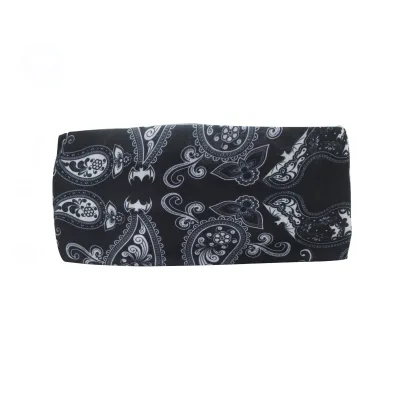
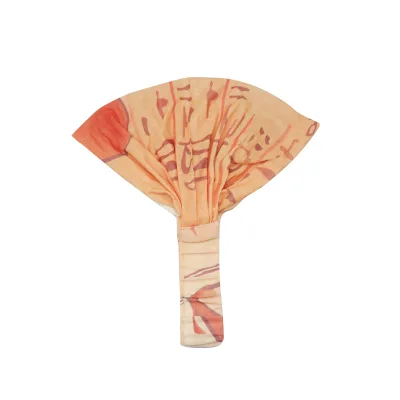
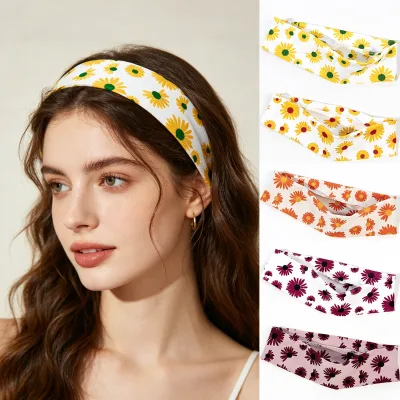
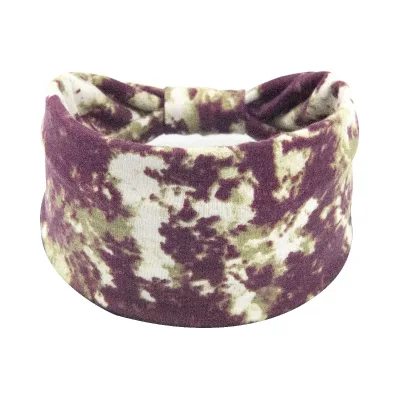
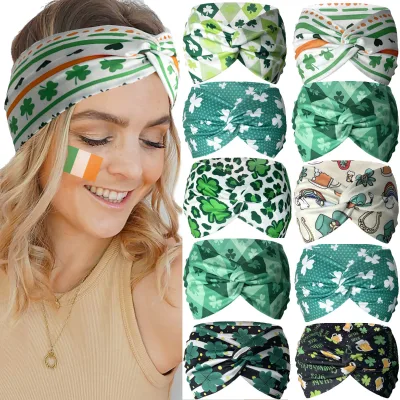
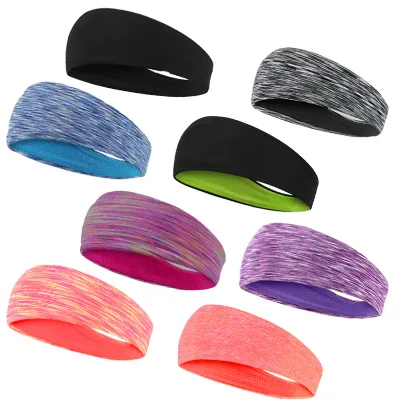
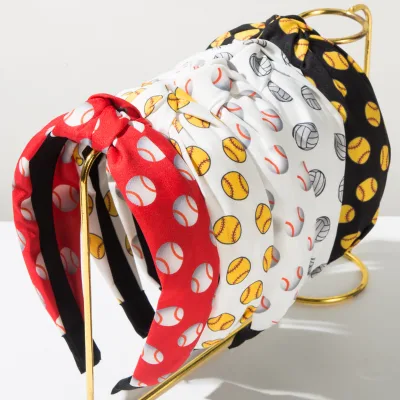
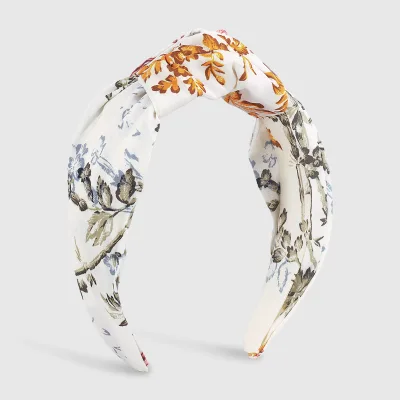
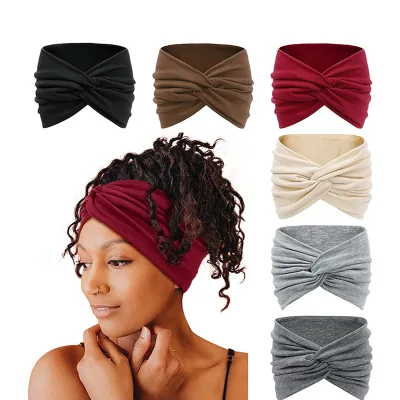
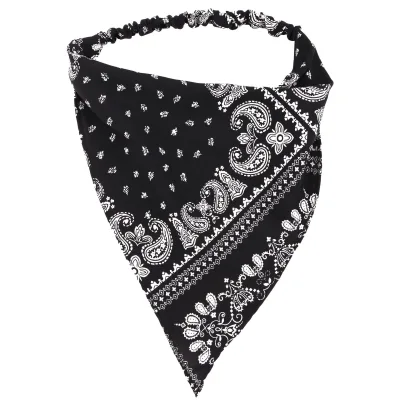


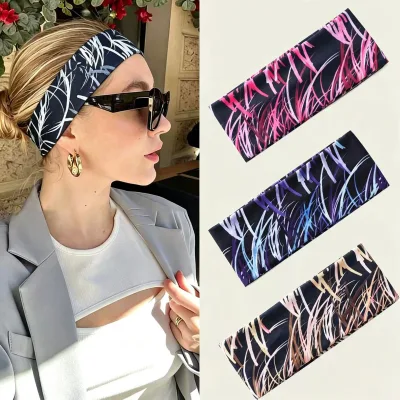
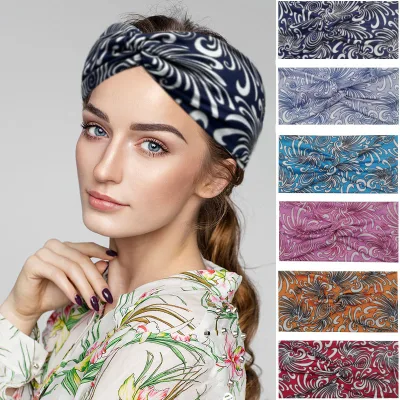
Comprehensive Sourcing Guide
Printed Fabric Sports Hair Band Sourcing Guide
Sourcing printed fabric sports hair bands requires a careful balance between aesthetic customization and functional durability. Buyers must prioritize suppliers who offer robust customization options, as the market demands unique designs for team branding or retail differentiation. The observed product landscape indicates that customization is widely available, allowing purchasers to tailor colors, patterns, and logos to specific campaign needs. This flexibility is crucial for maintaining brand identity across diverse product lines while ensuring the final item meets the rigorous demands of athletic use.
The material composition plays a pivotal role in performance, with fabric and plastic variants dominating the current listings. Fabric options, often including polyester blends, provide breathability and comfort, which are essential for extended wear during physical activities. Conversely, plastic or elastic components ensure the band stays securely in place without causing discomfort. Understanding these material distinctions helps buyers select the right product for their target demographic, whether it is for professional athletes requiring high-performance gear or casual users seeking everyday accessories.
Product Scope and Observed Listing Signals
The current market signals reveal a diverse range of product types, from simple elastic hair bands to more complex spiral wire designs. Listings frequently highlight suitability for girls, women, and adults, indicating a broad target audience that spans multiple age groups. The style attributes range from fashion-forward designs to simple, functional pieces, catering to both aesthetic preferences and practical needs. This variety suggests that buyers should clearly define their end-user profile to avoid misalignment between product features and customer expectations.
Seasonal and occasion-based attributes further refine the product scope, with many items marketed for whole-year use and daily occasions. This versatility makes them suitable for both everyday wear and specific sports events. The observed price range of $0.05 to $2.00 USD suggests a highly competitive market with significant margin potential for bulk purchasers. However, the low entry price also implies that quality control is paramount to prevent defects from impacting brand reputation. Buyers must weigh cost against the need for consistent quality and reliable supply chain performance.
Technical Specifications to Verify
Technical verification begins with precise dimensional standards, as observed listings specify widths of 12cm, lengths of 27cm, and diameters ranging from 9cm to 16cm. Buyers must confirm these measurements align with their design requirements, as variations can affect fit and comfort. The outer diameter specifications, such as 3-8cm for certain elastic bands, are critical for ensuring the product fits various head sizes without slipping or causing pressure points. Accurate specification matching prevents returns and ensures customer satisfaction.
Model numbers and packing details provide additional layers of verification, with codes like HB5-063 and EB5-009 identifying specific product variants. Packing methods, including transparent OPP bags and bulk packages, impact storage efficiency and retail presentation. Buyers should verify that the packaging protects the product from damage during transit and meets any retail display requirements. Additionally, confirming the material composition, such as polyester or fabric blends, ensures the product meets performance expectations for moisture management and durability.
Compliance and Safety Documentation
Compliance documentation is essential for ensuring product safety, particularly for items worn close to the skin. While specific certification statuses are not explicitly confirmed in the observed data, buyers should inquire about OEKO-TEX or similar standards that verify the absence of harmful substances. This is especially important for fabric-based products that may come into prolonged contact with the scalp and hair. Ensuring compliance with international safety standards helps mitigate liability risks and builds trust with end consumers.
Export markets and origin details, such as Zhejiang Province in China, provide context for regulatory environments. Buyers must verify that suppliers adhere to the safety regulations of their target export markets, whether it is the European Union, North America, or other regions. Documentation should include material safety data sheets and test reports that confirm the product meets local legal requirements. Proactive verification of these documents prevents customs delays and ensures smooth market entry.
Cost Drivers and Commercial Terms
Cost drivers in this category include material selection, customization complexity, and order volume. The observed MOQ ranges from 2 to 2400 sets, offering flexibility for both small and large buyers. Higher customization levels, such as unique printing or specific material blends, may increase unit costs. Buyers should negotiate based on volume tiers to optimize pricing, leveraging the competitive market dynamics to secure favorable terms. Understanding these cost structures helps in budgeting and forecasting profit margins accurately.
Commercial terms also encompass packaging options and design flexibility. Suppliers offering customized designs and flexible packaging solutions, such as 6PCS/Card+Polybag, add value by reducing secondary packaging costs. Buyers should clarify lead times and payment terms to ensure alignment with their supply chain schedules. Transparent communication regarding these terms prevents unexpected delays and ensures that the procurement process runs smoothly from order placement to delivery.
Supplier Qualification and Quality Control
Supplier qualification involves assessing their production capabilities and quality control processes. Buyers should verify the supplier’s experience in manufacturing hair accessories and their ability to maintain consistent quality across large orders. The observed stock availability and global export markets suggest that many suppliers have established infrastructure, but due diligence is necessary to confirm their reliability. Requesting samples and conducting factory audits can provide insights into their operational standards and commitment to quality.
Quality control measures should include rigorous testing for durability, colorfastness, and elasticity. Buyers must ensure that suppliers have protocols in place to detect and rectify defects before shipment. Consistent quality is vital for maintaining brand reputation, especially in the competitive sports accessory market. Establishing clear quality benchmarks and regular inspection schedules helps in maintaining high standards and minimizing the risk of receiving subpar products.
Long-Term Procurement Checks
Long-term procurement success depends on continuous monitoring of supplier performance and market trends. Buyers should regularly review supplier metrics, such as on-time delivery rates and defect percentages, to ensure ongoing reliability. Adapting to changes in consumer preferences, such as shifts towards sustainable materials or new design trends, is crucial for maintaining product relevance. Staying informed about market dynamics allows buyers to make proactive adjustments to their sourcing strategies.
Building strong relationships with suppliers fosters collaboration and innovation, leading to better product offerings and competitive advantages. Regular communication and feedback loops help in addressing issues promptly and improving processes over time. Buyers should also consider diversifying their supplier base to mitigate risks associated with single-source dependencies. A strategic approach to supplier management ensures resilience and sustained growth in the procurement of printed fabric sports hair bands.
FAQs
What materials are used for these hair bands?
The products are manufactured using plastic, fabric, and polyester materials. These materials ensure durability and comfort for daily use. The fabric options provide a soft touch against the skin, while plastic and polyester variants offer elasticity and strength. Buyers can select the material that best fits their specific design requirements and target audience preferences.
Can I customize the design of the hair bands?
Yes, customization is available for these hair accessories. Buyers can request specific designs to meet their brand needs. The supplier supports customized production to ensure the final product aligns with your vision. This flexibility allows for unique styling and branding opportunities, making it suitable for various fashion trends and specific customer demands in the global market.
What is the minimum order quantity for these items?
The minimum order quantity varies by design, typically starting at 1200 sets per design or 2400 sets per style. These MOQs ensure efficient production runs while allowing for manageable initial investments. Buyers should confirm the exact MOQ based on the specific model and customization requirements to ensure smooth order processing and timely delivery of their requested quantities.
Are these hair bands suitable for girls and women?
Yes, these hair bands are suitable for both girls and women. They are designed as fashion accessories for daily use, catering to a broad demographic. The elastic and spiral wire styles provide secure and comfortable wear. This versatility makes them ideal for various occasions, ensuring they meet the styling needs of different age groups and personal preferences effectively.
What are the standard specifications for these hair bands?
Specifications include widths of 12cm, dimensions of 55x10cm, diameters of 9cm, and girths of 16cm. Outer diameters range from 3-8cm, with lengths of 27cm for certain models. These varied dimensions allow for different styling options. Buyers can choose the specific size that best suits their product line, ensuring compatibility with various hair types and fashion styles.
Where are these hair bands manufactured?
These hair bands are manufactured in China, specifically in Yiwu City, Zhejiang Province. This region is known for its robust manufacturing capabilities and efficient supply chains. The products are exported globally, ensuring quality standards are met for international buyers. Sourcing from this location offers access to a wide variety of styles and competitive production advantages.