Source Braided Conical Crochet Hooks for Hand Work, Household, and DIY
Find 30 listings for Braided Conical Crochet Hooks suitable for hand work, household tasks, and DIY projects. Compare aluminum and plastic options with varying sizes from 2.0mm to 12.0mm and lengths up to 20cm. Source from verified manufacturers in China with customizable packaging and standard delivery times.
Updated
Key considerations
Products List


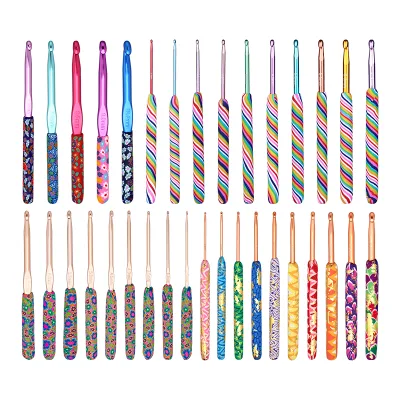
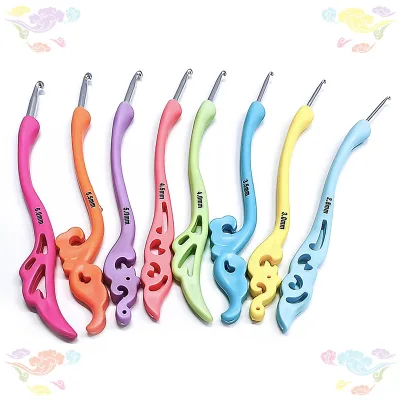
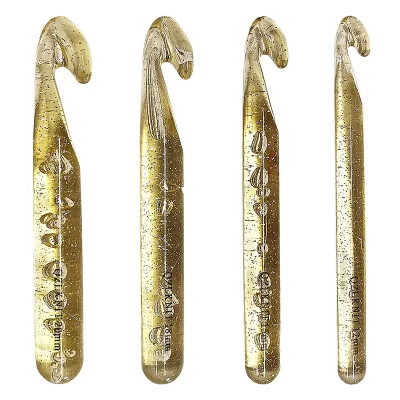


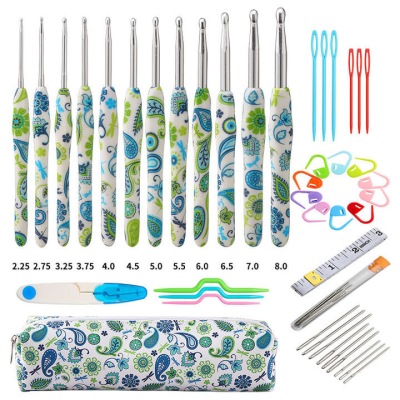
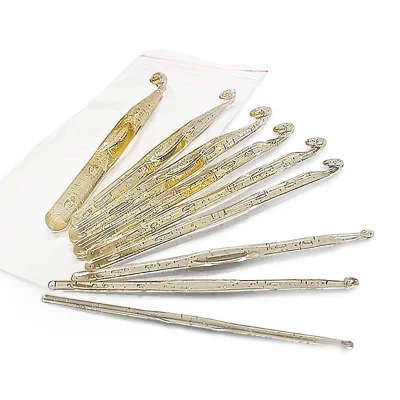


Comprehensive Sourcing Guide
Braided Conical Crochet Hooks Sourcing Guide
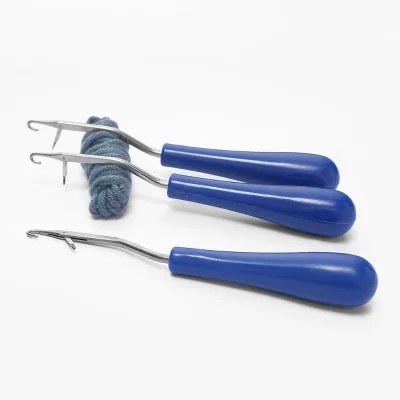
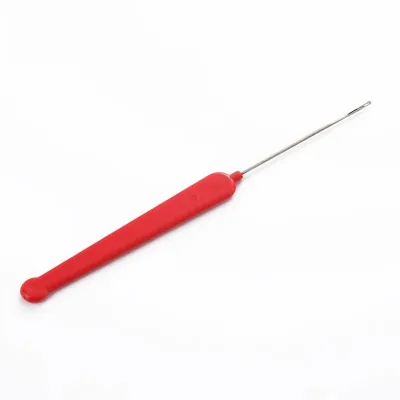
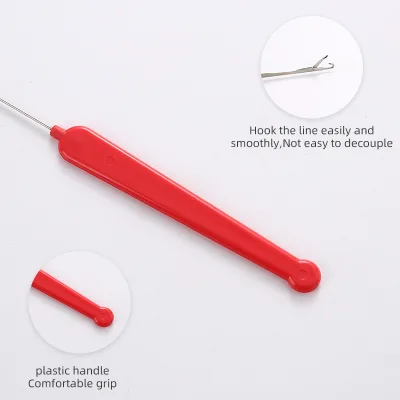
Sourcing Braided Conical Crochet Hooks requires a nuanced understanding of the diverse product landscape available from Chinese manufacturers. The observed market data reveals a wide spectrum of offerings, ranging from simple aluminum hand-sewing needles to complex portable sewing machines and specialized crochet accessories. Buyers must carefully distinguish between basic tools, such as the XDBH-001 ordinary hand sewing needle, and more intricate items like the XDHH-001 aluminum crochet hook with plastic handles. This distinction is critical because the term "crochet hook" in supplier listings often encompasses a broad category that includes hemming machines, portable pocket-sized devices, and various accessory sets.
Procurement teams should focus on verifying the specific material composition and intended usage of each listed item. For instance, while some products are explicitly labeled as aluminum crochet hooks, others may be constructed from plastic knit materials or mixed sewing threads. The observed product models, including XD2424, XD2425, and XD2403, suggest a variety of standard lengths and configurations. Understanding these variations allows buyers to align their procurement strategy with their specific operational needs, whether for household use, creative decoration, or industrial-scale production.
Product Scope and Observed Listing Signals
The current market signals indicate a high degree of customization and variety in crochet tool manufacturing. Suppliers offer products with varying package configurations, such as one piece per blister card or twelve pieces per PVC bag, catering to different retail and bulk distribution needs. The observed product types include new condition items with manual automation, emphasizing the hand-work nature of these tools. This manual aspect is crucial for buyers seeking traditional crafting supplies rather than automated industrial equipment. The presence of models like CNS080 and CN203 further illustrates the breadth of the product scope, which extends beyond simple hooks to include sewing thread sets and creative DIY kits.
Buyers should pay close attention to the stated usage and classification of each product to avoid misalignment with their requirements. Some items are classified as hemming machines, while others are designated for daily use or decoration. The observed size ranges, from 2.0mm to 12.0mm, provide flexibility for different yarn weights and project scales. However, the inconsistency in standard lengths, such as 13.5cm, 14cm, and 15.5cm, highlights the need for precise specification verification. This variability suggests that buyers must explicitly define their dimensional requirements to ensure compatibility with their existing workflows and inventory systems.
Technical Specifications to Verify
Verifying technical specifications is paramount when sourcing crochet hooks to ensure they meet operational standards. Key attributes to confirm include the hook material, which can be aluminum or plastic knit, and the handle composition, often plastic for ergonomic comfort. The observed product models indicate specific length standards, such as 13.7cm or 15.5cm, which must be matched to the buyer’s project requirements. Additionally, the size range of the hooks, typically spanning from 2.0mm to 12.0mm, should be validated against the intended yarn types and fabric densities. These specifications directly impact the quality of the finished product and the efficiency of the crafting process.
Packaging and model numbers also serve as critical technical identifiers for inventory management and quality control. Products like the XDHH-001 and XD2424 come with distinct packaging formats, such as 1000 pieces per carton or 250 bags per carton, which influence logistics and storage decisions. Buyers should verify the prod_model and prod_packing details to ensure consistency across orders. Furthermore, the classification of items as either hand sewing needles or crochet hooks requires clear differentiation to prevent supply chain errors. Confirming these technical details with suppliers before placing orders helps mitigate the risk of receiving incorrect or incompatible products.
Compliance and Safety Documentation
While specific certification standards are not explicitly detailed in the observed data, buyers must proactively request compliance documentation from suppliers. The general standard mentioned as "high quality" is insufficient for regulatory purposes, necessitating verification of adherence to international safety and material standards. For products intended for household use, ensuring that materials like aluminum and plastic are free from harmful substances is essential. Buyers should inquire about specific testing reports for material safety, particularly for items that come into direct contact with users during hand work.
Documentation should also cover manufacturing methods and origin verification, especially for products originating from Zhejiang Ningbo or Jiangsu, China. Buyers need to confirm that suppliers adhere to ethical labor practices and environmental regulations during production. The DIY kit nature of some products, such as the CN203, may require additional safety warnings or instructional documentation to ensure proper use. Establishing a clear requirement for compliance certificates, such as ISO or CE marks where applicable, helps protect the buyer from potential liabilities and ensures that the sourced products meet the necessary legal and safety benchmarks in their target markets.
Cost Drivers and Commercial Terms
Cost structures for crochet hooks are influenced by material choices, packaging complexity, and order quantities. The observed MOQ range of 10 to 10,000 pieces allows for flexibility, but larger orders may yield better unit pricing. Material costs, particularly for aluminum versus plastic components, significantly impact the final price. Buyers should analyze the cost implications of different packaging options, such as blister cards versus PVC bags, as these affect both product protection and shipping volume. Understanding these variables enables more accurate budgeting and negotiation strategies with suppliers.
Delivery times and payment terms are also critical commercial considerations. The observed delivery time of about 25 days, or according to order quantity, suggests that lead times can vary based on production capacity and order size. Buyers should negotiate clear delivery schedules and penalty clauses for delays to maintain supply chain reliability. Additionally, clarifying payment terms, such as deposits or letters of credit, helps manage cash flow and risk. By aligning commercial terms with production capabilities, buyers can secure favorable pricing while ensuring timely receipt of goods, thereby optimizing their overall procurement efficiency.
Supplier Qualification and Quality Control
Qualifying suppliers requires a thorough assessment of their manufacturing capabilities and quality control processes. Buyers should verify the supplier’s experience in producing specific product types, such as aluminum crochet hooks or plastic knit accessories. Requesting samples of models like XD2424 and XD2403 allows for physical inspection of material quality, finish, and dimensional accuracy. Establishing a clear quality agreement that defines acceptable tolerances for length and size is essential to prevent discrepancies in bulk shipments. This proactive approach ensures that the products meet the buyer’s standards before full-scale production begins.
Ongoing quality control measures should include regular audits and inspection protocols during production. Buyers should implement a system for random sampling and testing of finished goods to detect defects early. Collaborating with suppliers to establish corrective action plans for any identified issues helps maintain consistent product quality. Additionally, verifying the supplier’s ability to handle customization requests, as indicated by the "Available" customization attribute, ensures flexibility in meeting specific buyer requirements. By maintaining rigorous quality control standards, buyers can build a reliable supply chain that delivers high-quality crochet hooks consistently.
Long-Term Procurement Checks
Long-term procurement success depends on continuous monitoring of supplier performance and market trends. Buyers should regularly review supplier delivery times, product quality, and responsiveness to ensure they meet evolving business needs. Tracking changes in material costs and production technologies helps anticipate price fluctuations and identify opportunities for cost savings. Maintaining open communication with suppliers fosters a collaborative relationship that can lead to improved product designs and more favorable commercial terms over time. This strategic approach ensures that the procurement process remains efficient and competitive.
Additionally, buyers should periodically reassess their product specifications to align with changing market demands and customer preferences. Exploring new product models, such as the creative DIY kits or portable sewing machines, may offer opportunities to diversify the product portfolio. Staying informed about industry standards and regulatory updates ensures continued compliance and market relevance. By implementing a structured review process, buyers can adapt to market shifts, mitigate risks, and sustain a robust supply chain for crochet hooks and related accessories.
FAQs
What materials are used for crochet hooks?
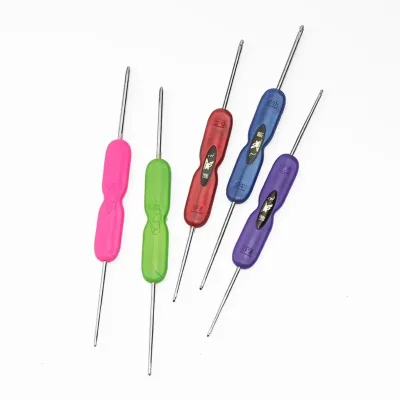
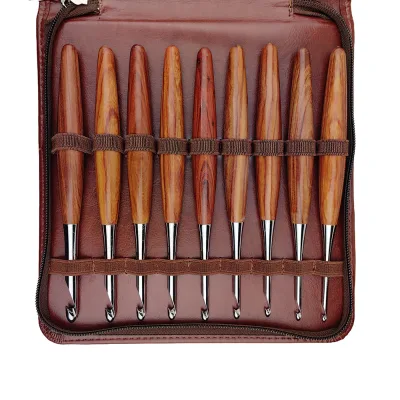
The available crochet hooks are manufactured from aluminum and plastic. Aluminum hooks feature plastic handles for improved grip, while other variants use plastic knit hooks. These materials ensure durability and comfort during hand work, catering to both household and professional sewing needs with reliable performance.
What sizes are available for these hooks?
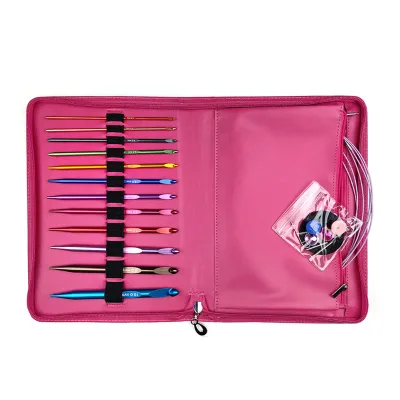
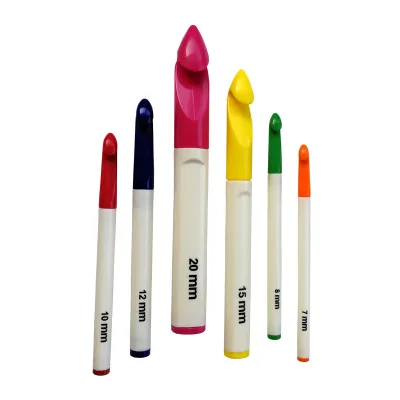
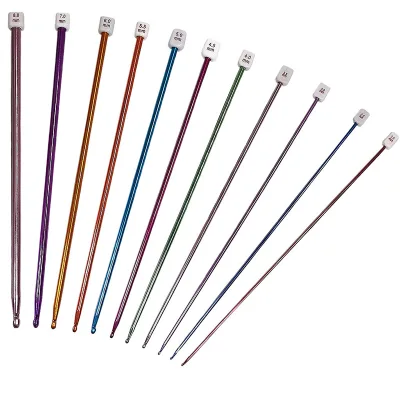
Product sizes range from 2.0mm to 12.0mm, covering various thickness requirements. Specific models offer precise dimensions such as 13.5cm, 14cm, and 15.5cm lengths. Sets include mixed sizes like 1.0mm to 2.75mm, providing comprehensive options for different yarn weights and project specifications.
How are the hooks packaged for shipment?
Packaging options include one piece per blister card or twelve pieces per PVC bag. Bulk shipments are packed in cartons, with quantities like 1000 pieces per carton or 250 bags per carton. Some sets come in OPP bags, ensuring safe transport and organized storage for buyers.
Can these products be customized?
Yes, customization is available for these crochet hooks. Buyers can request specific modifications to meet unique requirements. This flexibility allows for tailored solutions, ensuring that the products align with specific project needs or branding preferences, enhancing the overall utility for diverse sewing applications.
What is the delivery time for orders?
Delivery time is approximately 25 days, depending on the order quantity. Larger orders may require additional processing time. This lead time ensures quality control and proper handling of production schedules, allowing buyers to plan their inventory and project timelines effectively based on confirmed order details.
Where are these products manufactured?
These products originate from Zhejiang Ningbo and Jiangsu in China. The manufacturing locations ensure access to established supply chains and production facilities. This geographic concentration supports efficient logistics and consistent quality standards, providing buyers with reliable sourcing options from verified industrial regions in China.