Source Handcrafted Fireplace Bellows for Barbecue, Indoor, and Outdoor Use
Find 28 Handcrafted Fireplace Bellows options for indoor heating, outdoor gatherings, and barbecue applications. Compare specifications like wood and metal materials, sizes, and customization availability from verified suppliers to find the right fit for your needs; compare the available evidence and request quotations based on your requirements.
Updated
Key considerations
Products List
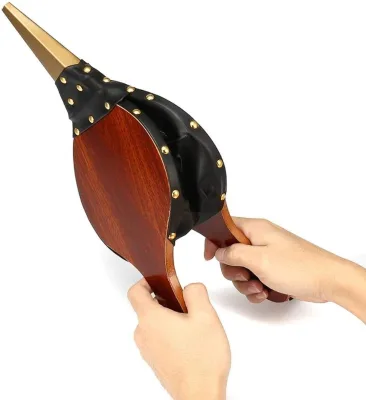


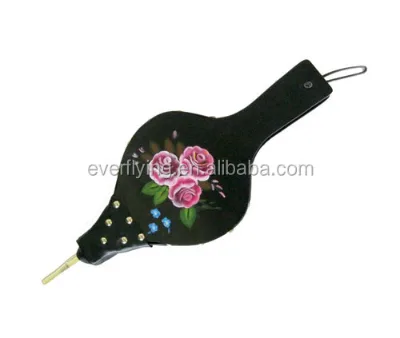
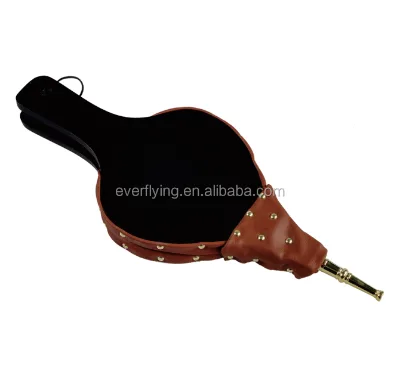
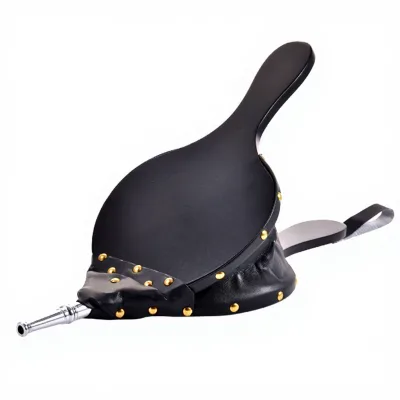
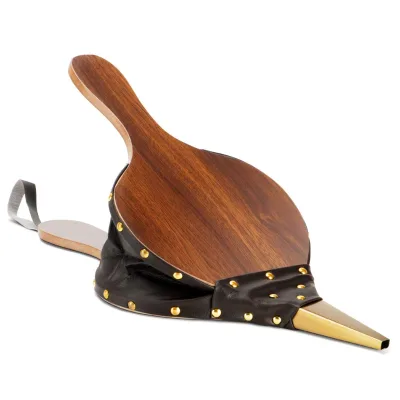
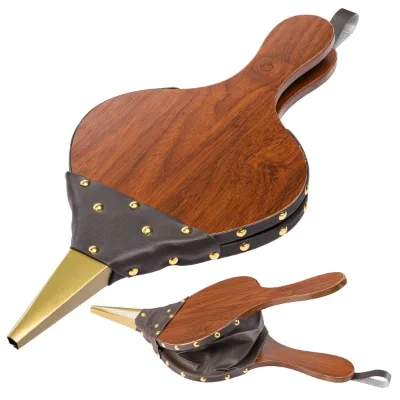
Fireplace Accessory Leather Manual Blower Fireplace Bellow for BBQ Camping
$8.00 - $8.72
MOQ: 1 Pieces


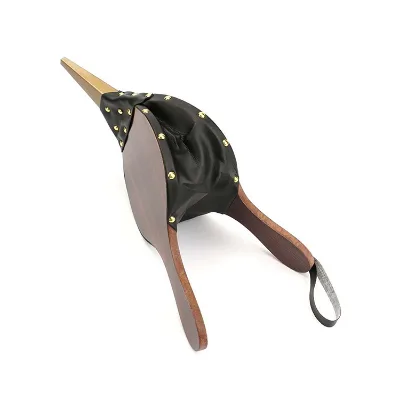
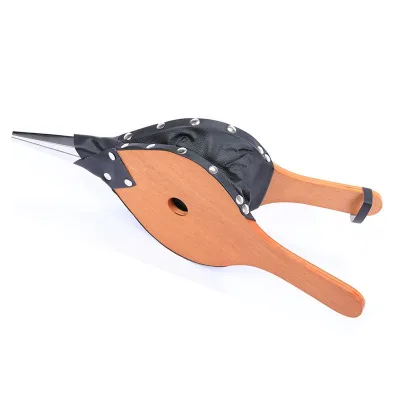
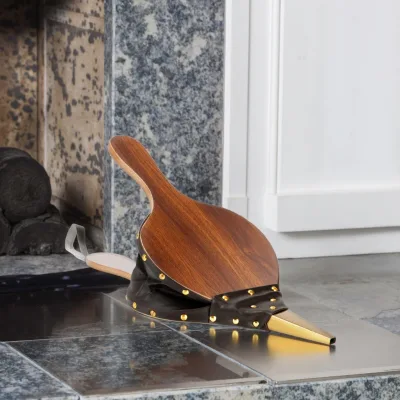
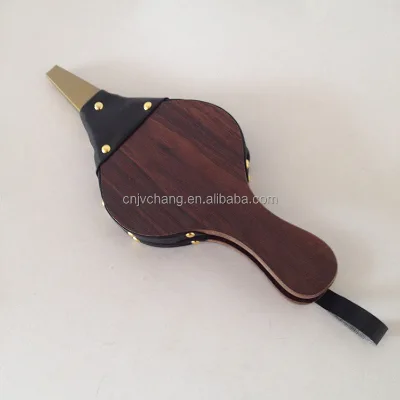
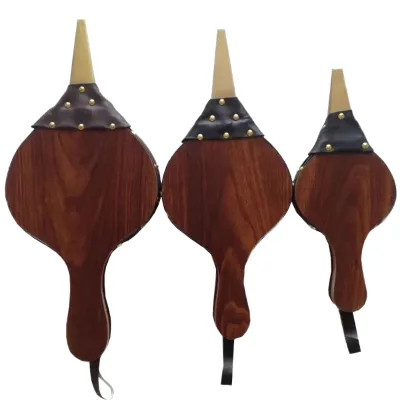
Wood Bellows Wooden Fireplace Bellows Manual Air Blower for Outdoor Camping
$8.00 - $8.72
MOQ: 25 Pieces
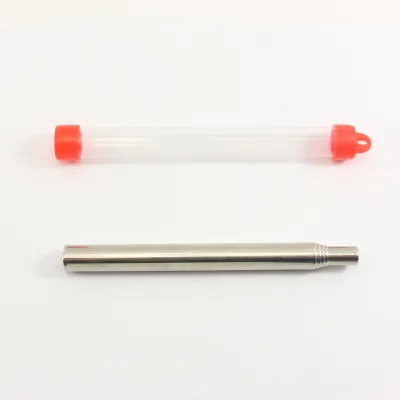
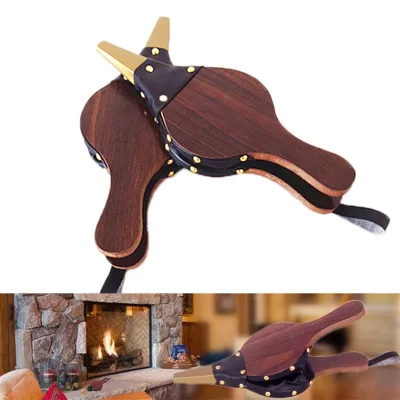



Comprehensive Sourcing Guide
Handcrafted Fireplace Bellows Sourcing Guide
Procuring Handcrafted Fireplace Bellows requires a nuanced understanding of both traditional craftsmanship and modern manufacturing capabilities. These devices serve as essential tools for managing airflow in wood-burning appliances, directly influencing combustion efficiency and heat output. Buyers must distinguish between purely decorative items and functional units designed for repeated use in high-temperature environments. The market offers a variety of materials, primarily wood and metal, each presenting distinct aesthetic and durability profiles. Understanding these material differences is critical for selecting products that align with specific brand positioning and customer expectations.
The sourcing landscape includes suppliers from regions like Guangdong, China, who offer both manual and automated solutions. While some listings emphasize traditional manual operation, others integrate modern features such as adjustable thermostats or remote controls, though many basic models remain without these advanced functionalities. Buyers should carefully evaluate the intended application, whether for indoor residential fireplaces or outdoor installations, as this dictates the necessary build quality and material resistance. A clear definition of the product’s primary function ensures that procurement efforts focus on suppliers who can deliver reliable performance rather than superficial aesthetics.
Product Scope and Observed Listing Signals
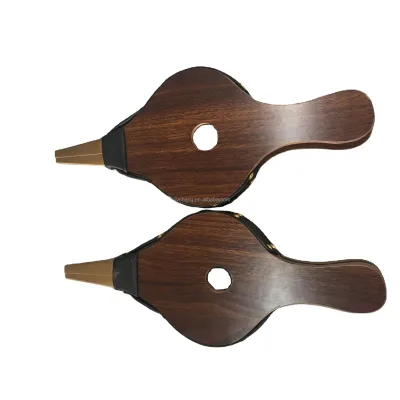
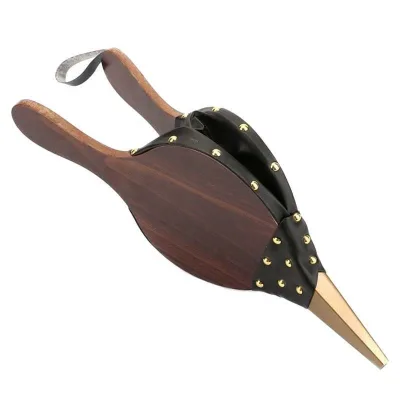
Current market listings reveal a diverse range of fireplace accessories, including manual bellows, tool sets, and protective covers. Observed product attributes indicate that materials commonly include wood, steel, and metal components, with finishes ranging from natural brown to burgundy and black. Sizes vary significantly, with some bellows measuring approximately 38 by 17 centimeters, while tool sets may have specific dimensional standards like 12 inches in length. These variations suggest that buyers must specify exact dimensions and material compositions to avoid receiving mismatched or substandard items. The presence of customizable logos and colors indicates that many suppliers offer OEM services for branded retail channels.
Functional specifications observed in listings highlight features such as heat resistance, ease of cleaning, and specific shapes like round designs. Some products are marketed for barbecue baking or general fireplaces, indicating a broad application scope. However, not all listed items possess advanced safety features; many are noted as lacking remote controls, automatic thermostats, or overheating protection. This distinction is vital for buyers targeting safety-conscious markets. Additionally, packaging details vary from simple polybags to more robust box packaging, which impacts shipping costs and product protection during transit. Buyers must verify these details to ensure the final product meets their logistical and quality requirements.
Technical Specifications to Verify
When evaluating technical specifications, buyers must prioritize the structural integrity and material composition of the bellows. For wooden models, verifying the type of wood and its treatment for heat resistance is essential to prevent warping or cracking during use. Metal components, often made from steel or stainless steel, should be inspected for corrosion resistance and weld quality. The model numbers, such as HX-FB01 or VDFB301, serve as unique identifiers for specific designs, allowing buyers to request precise samples for testing. It is crucial to confirm whether the product is designed for freestanding installation or integrated into existing fireplace structures, as this affects mounting requirements and stability.
Performance metrics such as airflow capacity and durability under repeated use are not always explicitly stated in standard listings. Buyers should request detailed specifications regarding the bellows’ volume displacement and the strength of its hinges or handles. For tool sets, verifying the inclusion of all necessary components, such as brushes and pokers, is important. The net weight of individual items, often around 0.5kg for smaller accessories, can indicate material density and build quality. Additionally, confirming the presence of any adjustable features, such as thermostats, is necessary if the product is intended for precise temperature control in modern heating systems.
Compliance and Safety Documentation
Safety compliance is a critical aspect of sourcing fireplace accessories, particularly for products used in indoor environments. Buyers should verify that suppliers hold relevant certifications, such as CE and RoHS, which indicate adherence to European safety and environmental standards. These certifications are essential for importing products into regulated markets and ensure that materials do not contain harmful substances. While some listings mention certifications, buyers must request valid certificates from accredited bodies to confirm their authenticity. This due diligence helps mitigate legal risks and ensures that the products meet the safety expectations of end-users.
In addition to certifications, buyers should inquire about specific safety features incorporated into the design. Although many basic bellows lack overheating protection or automatic thermostats, understanding these limitations is crucial for setting appropriate customer warnings. For products with electrical components, verifying compliance with local electrical safety standards is mandatory. Buyers should also check for any material safety data sheets (MSDS) for treated woods or coated metals. Ensuring that all documentation is up-to-date and verifiable protects the buyer from liability and enhances the brand’s reputation for selling safe, reliable home heating accessories.
Cost Drivers and Commercial Terms
Several factors influence the cost of Handcrafted Fireplace Bellows, including material selection, labor intensity, and order volume. Wood and metal materials vary in price based on quality and availability, while handcrafted elements add significant labor costs compared to mass-produced items. The observed minimum order quantities (MOQ) range from 1 to 2000 pieces, with some suppliers requiring higher volumes for custom designs. Buyers should negotiate pricing based on their expected order size, as larger orders often yield better unit costs. Additionally, the complexity of customization, such as logo printing or unique color finishes, can increase production costs and should be factored into the budget.
Commercial terms also play a significant role in the total cost of ownership. Lead times for samples typically range from 5 to 10 days, while bulk production may take longer depending on the supplier’s capacity. The supply ability, often cited as 500,000 pieces per month for some manufacturers, indicates scalability but may not apply to all custom orders. Buyers should clarify payment terms, shipping responsibilities, and return policies to avoid unexpected expenses. Packaging details, such as the use of PP bags or inner boxes, can also affect shipping costs and damage rates. Understanding these commercial dynamics allows buyers to plan their inventory and cash flow more effectively.
Supplier Qualification and Quality Control
Selecting a reliable supplier involves assessing their manufacturing capabilities, quality control processes, and after-sales support. Buyers should verify the supplier’s production location, with many originating from Shenzhen, China, a hub for manufacturing excellence. Requesting factory audits or virtual tours can provide insights into their production lines and quality assurance practices. Suppliers with a history of producing diverse products, such as both bellows and tool sets, may offer better consistency and expertise. Additionally, checking for positive feedback from previous buyers can help gauge reliability and product quality.
Quality control measures should be clearly defined before placing orders. Buyers should specify inspection criteria for materials, dimensions, and finish quality. Requesting pre-shipment inspections or third-party verification can ensure that products meet agreed-upon standards. After-sales service, such as providing free spare parts or a one-year warranty, indicates supplier confidence in their products. Buyers should also evaluate the supplier’s responsiveness to inquiries and their ability to handle custom requests. Establishing a strong relationship with a qualified supplier ensures consistent product quality and reduces the risk of supply chain disruptions.
Long-Term Procurement Checks
Sustaining a successful procurement strategy requires ongoing monitoring of supplier performance and market trends. Buyers should regularly review product quality, delivery times, and customer feedback to identify potential issues early. Maintaining open communication with suppliers allows for timely adjustments to specifications or order volumes. Additionally, staying informed about changes in safety regulations and material standards ensures that products remain compliant and competitive. Buyers should also explore opportunities for product innovation, such as integrating new materials or features, to meet evolving consumer preferences.
Long-term partnerships with suppliers can lead to better pricing, priority production, and collaborative product development. Buyers should consider diversifying their supplier base to mitigate risks associated with single-source dependencies. Regularly updating product catalogs and marketing materials based on new offerings can enhance brand appeal. Furthermore, analyzing sales data to identify best-selling models helps in optimizing inventory levels and reducing waste. By continuously evaluating and adapting their procurement strategies, buyers can maintain a competitive edge in the fireplace accessories market and ensure long-term business success.
FAQs
What materials are used for Handcrafted Fireplace Bellows?
The Handcrafted Fireplace Bellows are constructed from wood and metal components. The primary body utilizes wood for durability and aesthetic appeal, while metal parts ensure structural integrity. This combination provides a robust tool suitable for manual operation in various fireplace settings, ensuring longevity and effective airflow control during use.
Can I customize the logo on these fireplace bellows?
Yes, customization is available for the logo on these fireplace bellows. Buyers can request specific branding to be applied to the product. This service allows businesses to tailor the appearance of the bellows to match their brand identity, offering a personalized touch for retail or promotional purposes while maintaining standard quality.
What is the minimum order quantity for these bellows?
The minimum order quantity for these Handcrafted Fireplace Bellows is 2000 pieces. This MOQ applies to standard orders and ensures efficient production and shipping processes. Buyers seeking smaller quantities may need to inquire about sample availability, which typically takes 5-10 days to process and ship from the origin location.
Which certifications do these fireplace bellows hold?
These fireplace bellows hold CE and RoHS certifications. These standards confirm compliance with European safety and environmental regulations. The certifications indicate that the materials and manufacturing processes meet specific quality and safety requirements, providing assurance for buyers in regulated markets who require documented compliance for imported goods.
How large are the standard fireplace bellows dimensions?
The standard size for these fireplace bellows is 38 by 17 centimeters. This dimension provides a practical size for manual operation in residential or commercial fireplaces. The compact yet functional design ensures ease of handling while delivering sufficient airflow to support combustion, making it suitable for various indoor and outdoor fireplace applications.
What is the monthly supply capacity for these bellows?
The monthly supply capacity for these Handcrafted Fireplace Bellows is 500,000 pieces. This high volume indicates robust manufacturing capabilities and reliable stock availability for large orders. Buyers can expect consistent supply for bulk procurement needs, ensuring that production schedules are met without significant delays or shortages during peak demand periods.