Nordic Style Crochet Basket Suppliers and Manufacturers
Source 23 verified suppliers for Nordic Style Crochet Basket options. Compare key dimensions including Guangdong location, 3-day response time, 50-day lead time, and MOQs ranging from 50 to 200 units. Review product specifications and pricing to identify suitable partners for your storage needs.
Updated
Suppliers List
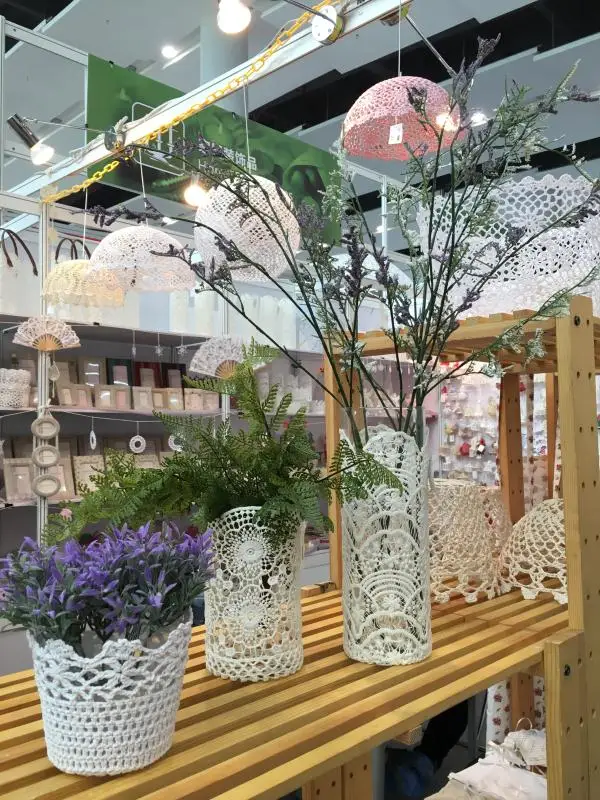
Shantou Ever Golden Trading Co., Ltd.
- Trading Company
- Guangdong, China
- Lead time50 days
- Avg. response≤ 3h
Main productsX-mas decoration,crocheted basket,lace item,crocheted coaster,baby born ceremony
Main marketsEastern Europe(20.00%), Western Europe(20.00%), South Asia(10.00%), Southern Europe(10.00%), Northern Europe(10.00%), North America(10.00%), Mid East(10.00%), Southeast Asia(10.00%)
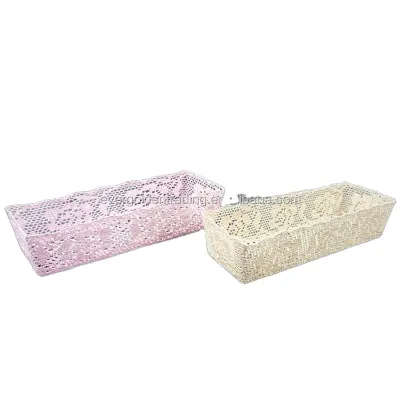
Factory Sale Crochet Basket Wood Base Crochet Baskets Crochet Baskets Bags
$1.60 - $2.00
MOQ: 50 pieces
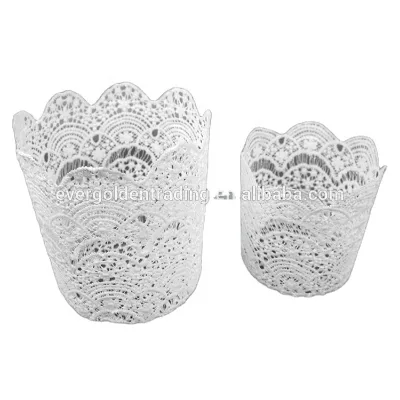
$0.90 - $1.80
MOQ: 50 pieces
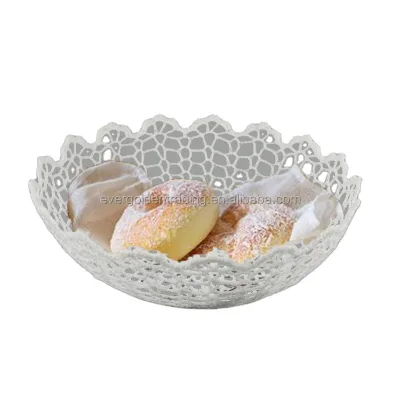
23X23X6CM Hot Selling Kitchen Crochet Round Fruit Plate Bread Food Storage Basket Handmade Knitted
$1.40 - $2.00
MOQ: 200 pieces
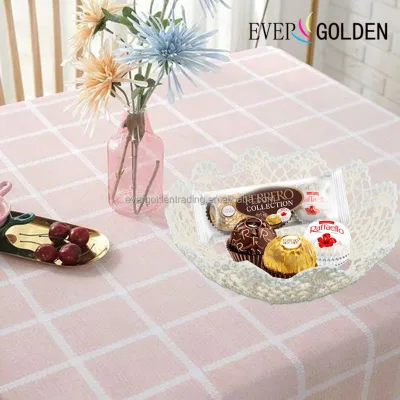
$0.8168 - $1.6336
MOQ: 100 pieces
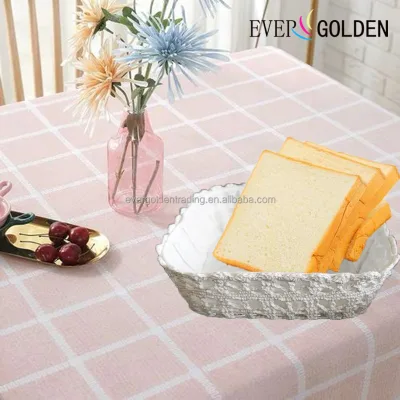
$2.2709 - $2.5806
MOQ: 50 pieces
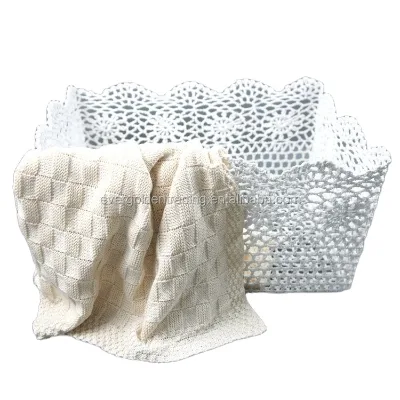
Qingdao Huayi Union Trading Co., Ltd.
- Verified by SGS Group
- Manufacturer, Trading Company
- Lead time50 days
- Avg. response≤ 2h
Main productsStorage basket, Artficial flower, Ottoman stool, Hand Bag, Home Deco
Main marketsWestern Europe(45%), North America(40%), South America(5%)
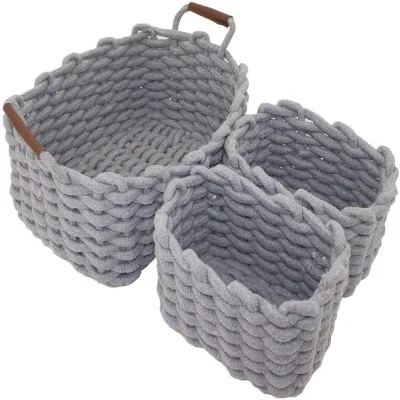
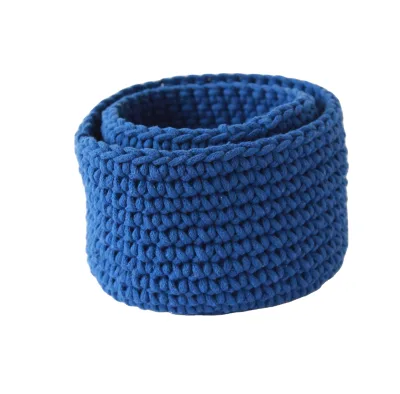
Handmade S/3 Modern Style Cotton Rope Blanket Decorative Woven Organization Storage Crochet Basket
$5.15 - $5.55
MOQ: 300 sets
Star Poly Color(Tianjin) International Trade Co., Ltd.
- Verified by SGS Group
- Manufacturer, Trading Company
- Tianjin, China
- Lead time0 days
- Avg. response≤ 2h
Main productsT-shirt yarn/Cloth yarn, Polyester Rope / Yarn, Metal yarn/leather yarn, Wool Yarn/ Chenille yarn, Blended Yarn
Main marketsNorth America(40%), Western Europe(20%), Southeast Asia(20%)
- Verified by TüVRheinland
- Manufacturer, Trading Company
- Lead time25 days
- Avg. response≤ 3h
Main productsBeanie, Scarf, Glove, Sock, Crochet Doll
Main marketsNorth America(35%), Eastern Europe(20%), Western Europe(20%)

Xuzhou Fenn Import And Export Trading Co., Ltd.
- Manufacturer, Trading Company
- Jiangsu, China
- Lead time60 days
- Avg. response≤ 2h
Main productsbeanie hat,handmade toys,sweater,crochet toys,Hooded clothing
Main marketsNorth America(25.00%), Eastern Europe(20.00%), Northern Europe(10.00%), Mid East(10.00%), South America(10.00%), Central America(5.00%), Southeast Asia(5.00%), Western Europe(5.00%), Southern Europe(3.00%), Oceania(3.00%), Eastern Asia(2.00%), Africa(2.00%)
Qingdao Esivon Household Products Co., Ltd.
- Trading Company
- Shandong Province, China
- Lead time30 days
- Avg. response≤ 3h
Main productsStorage Baskets,Seasonal Products,Home Decorations,Woven Tote Bags,Hats
Main marketsNorth America(40.00%), Eastern Europe(20.00%), Northern Europe(15.00%), Southeast Asia(15.00%), Southern Europe(5.00%), Western Europe(5.00%)
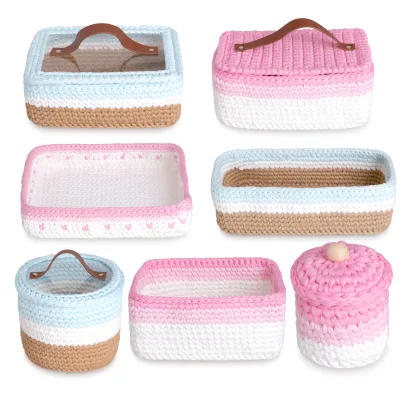
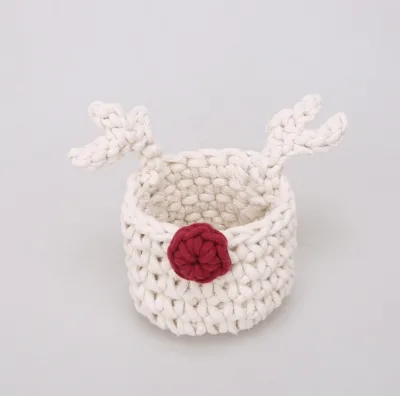
$2.3771 - $2.5836
MOQ: 200 pieces
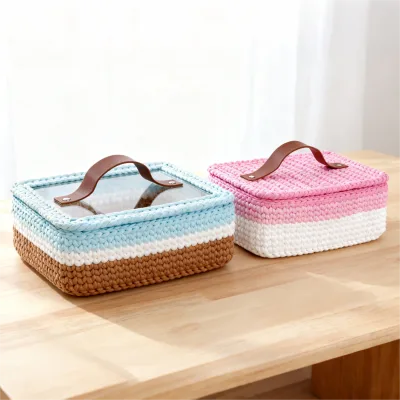
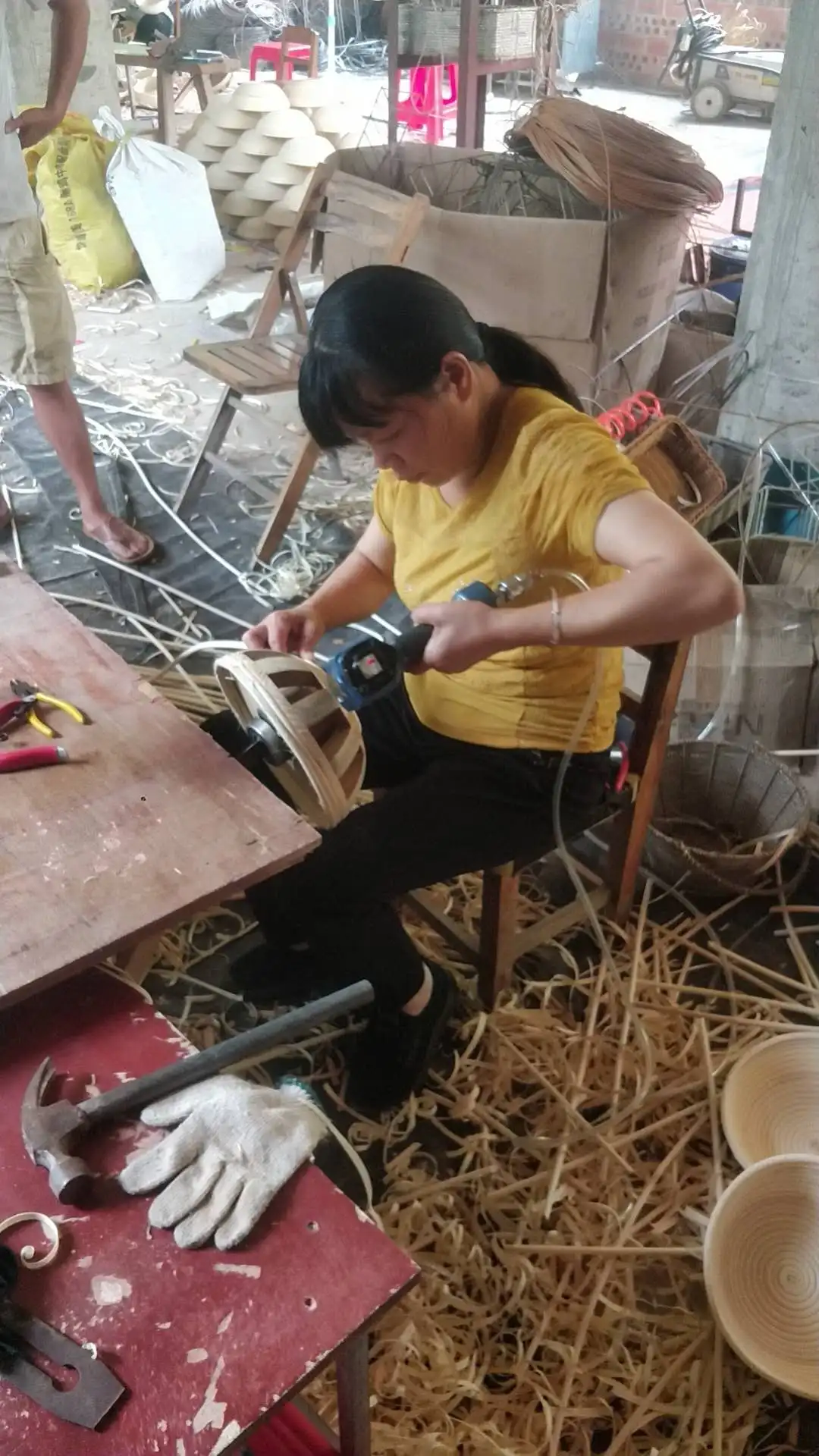
- Manufacturer, Trading Company
- Guangdong, China
- Lead time20 days
- Avg. response≤ 4h
Main productsbread proofing basket,bamboo steamer,placemat,bakeware,kitchenware
Main marketsNorth America(40.00%), Eastern Europe(30.00%), South Asia(20.00%), Mid East(10.00%)

- Verified by BV
- Combined
- China Anhui
- Lead time15 days
- Avg. response≤ 6h
Main productsStorage Basket, Laundry Basket, Kitchen Rack, Storage Shelf, Storage Jar, RPET Tableware Set, Matcha Whisk, Handmade Storage Basket, Wall & Table Decoration, Hamper
Main marketsSouth America,Southeast Asia/ Mideast,North America

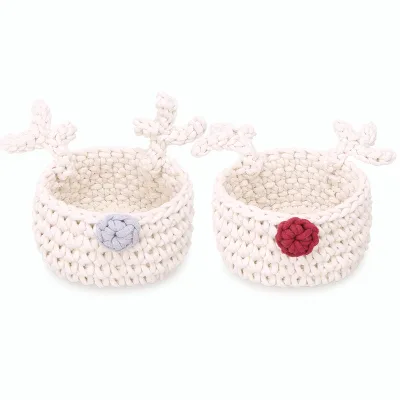
Animal Cotton Rope Storage Woven Finishing Basket Nordic Sundry Porch Cartoon Cotton Basket
$2.59 - $2.89
MOQ: 200 Pieces


Shuifu Huiyang Agricultural Technology Co., Ltd.
- Verified by SGS
- Trading Company
- China Yunnan
- Lead time23 days
- Avg. response≤ 3h
Main productsBamboo Products, Bamboo Crafts, Bamboo Chopsticks, Bamboo Skewers, Bamboo Weaving, Bamboo Tray, Bamboo Box, Bamboo Placemat, Bamboo Fruit Bowl, Lamp Shades
Main marketsDomestic


Nordic Rattan Shell-Inlay Decorative Tray/Boho Wicker Round Storage & Display Basket
$0.28
MOQ: 1000 Pieces


Handmade Rattan Woven Fruit Basket Natural Eco Friendly Snack Storage Decorative Basket
$0.289 - $0.98
MOQ: 1000 Pieces

Cao County Grandview Arts & Crafts Co., Ltd.
- Manufacturer, Trading Company
- Shandong, China
- Lead time20 days
- Avg. response≤ 4h
Main productskitchen knife rack,wooden trash bin,wooden frames,kitchen wall shelf,bathroom storage rack
Main marketsNorth America(35.00%), Western Europe(13.00%), South Asia(10.00%), Eastern Europe(7.00%), Mid East(7.00%), Southern Europe(5.00%), Domestic Market(5.00%), Eastern Asia(5.00%), Southeast Asia(5.00%), Northern Europe(4.00%), Oceania(2.00%), Africa(2.00%)

- Verified by TUVRHEINLAND
- Trading Company
- China Zhejiang
- Lead time15 days
- Avg. response≤ 13h
Main productsWooden Toy, Outdoor Product, Kitchen Item, Personal Care Tool, Painting Set, Disk Rack, Yoga, Garden
Main marketsSouth America,Europe,North America


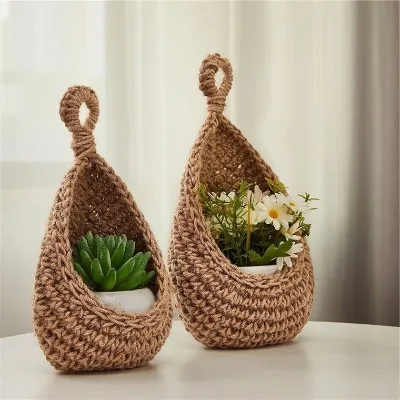
Handmade Hanging Woven Plant Flower Pot Interior Decoration Storage Basket
$0.96 - $1.10
MOQ: 500 Pieces


Xuzhou Risen Industry and Supply Co., Ltd
- Verified by TUVRHEINLAND
- Trading Company
- China Jiangsu
- Lead time30 days
- Avg. response≤ 4h
Main productsHousehold Adornment, Household Supplies, Home Decoration, Compressed Sofa, Dining Furniture, Bothroom Organizer, Kitchen Storage, Glass Ornaments, Ceramic Tableware, Home Fragrance
Main marketsSouth America

Shandong Rope Technology Co., Ltd.
- Combined
- China Shandong
- Lead time30 days
- Avg. response≤ 2h
Main productsRope
Main marketsSoutheast Asia/ Mideast,Europe,North America

- Verified by SGS
- Trading Company
- China Zhejiang
- Lead time15 days
- Avg. response≤ 2h
Main productsWooden Toy, Kids Play Tent, Fabric, Craft, Pet Supply, Kids Toy, Light, Camping Tent, Outdoor Desk, Daily Necessities
Main marketsAustralia


Rattan Vegetable Basket Outdoor Camping Picnic Basket Egg Storage Basket
$13.00 - $16.00
MOQ: 5 Pieces

Natural Rattan Woven Dirty Clothes Storage Basket Household Laundry Rattan Woven Basket
$16.00 - $20.00
MOQ: 5 Pieces

Ningbo Artisan Import & Export Co., Ltd.
- Verified by TUVRHEINLAND
- Trading Company
- China Zhejiang
- Lead time30 days
- Avg. response≤ 25h
Main productsMailbox, Shaggy Blanket, Bathrobe, Furniture, Bill Counter, Book Stand, Bamboo Shoes Rack, Bar Tools
Main marketsEurope

Handmade Foldable Large Storage Baskets Cotton Rope Basket Woven Laundry Basket with Handles
$4.00 - $12.00
MOQ: 300 Pieces


3 Piece Cotton Rope Basket Natural Basket Storage Cotton Rope Basket Set
$4.00 - $12.00
MOQ: 300 Pieces

Wholesale Woven Basket Cotton Rope Storage Baskets Cotton Rope Storage Baskets Set
$2.00 - $4.00
MOQ: 300 Pieces

Tianjin Hifelty Technology Co., Ltd.
- Verified by SGS Group
- Manufacturer, Trading Company
- Lead time15 days
- Avg. response≤ 2h
Main productsStorage Baskets, Other Storage Baskets, Baby Diaper Bags, Laundry Bags & Baskets, Kids' Diaper Bags
Main marketsNorth America(38%), Western Europe(20%), Mid East(10%)
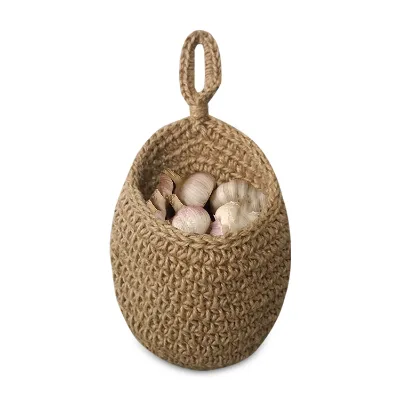
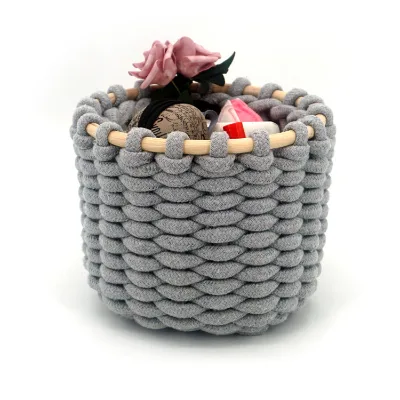
Folding Handmade Crochet Round White Little Size Baby Cotton Rope Flower and Plant Basket
$3.20 - $5.80
MOQ: 50 pieces
Bobai County Lovely Home Furnishing Co., Ltd.
- Verified by Intertek
- Trading Company
- Lead time0 days
- Avg. response≤ 4h
Main productsHome storage weaving
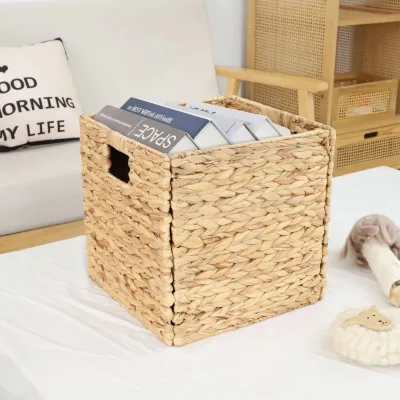
$5.5232 - $6.7529
MOQ: 10 Minimum
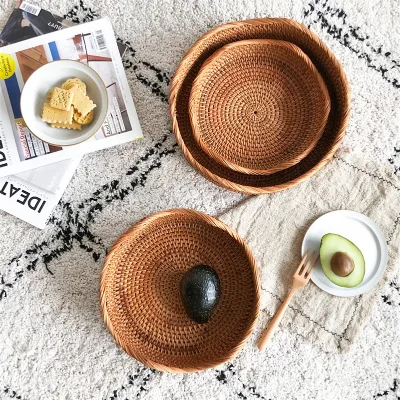
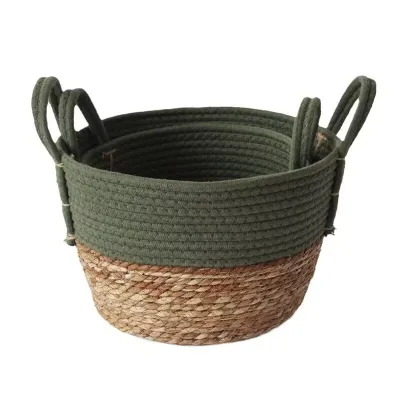
$3.351 - $4.0317
MOQ: 100 pieces
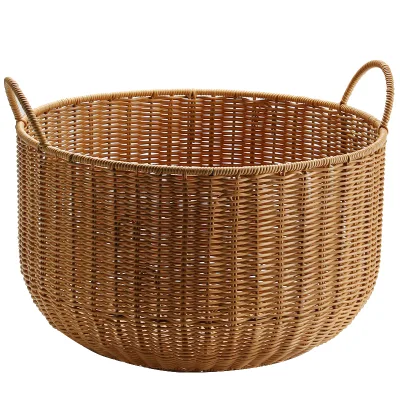
Nanning Lanshige Home Furnishing Technology Co., Ltd.
- Trading Company
- Guangxi, China
- Lead time7 days
- Avg. response≤ 3h
Main productsStorage Box,seaweed basket,woodchip basket,bamboo basket,storage basket
Main marketsNorth America(35.00%), Western Europe(30.00%), Eastern Europe(20.00%), Domestic Market(5.00%), Mid East(5.00%), South America(2.00%), Southeast Asia(2.00%), Africa(1.00%)
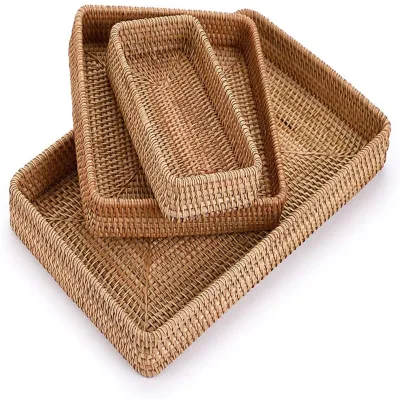
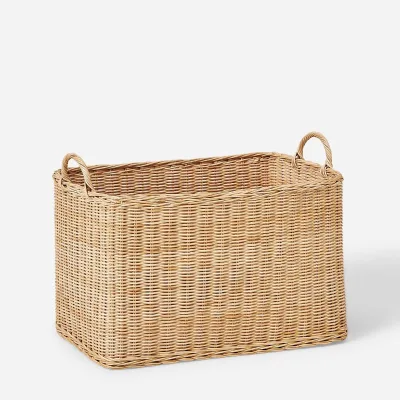
Boho Hand Weaving Eco Rattan Storage Baskets Cheap Price Top Quality Natural Basket for Home Decor
$9.99 - $10.99
MOQ: 200 pieces
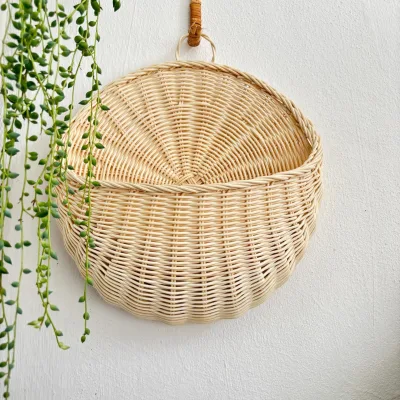
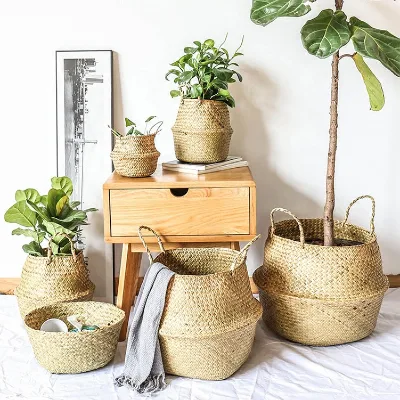
$3.9375 - $6.8098
MOQ: 2 Minimum

CAO COUNTY DAWANG ARTS AND CRAFTS CO., LTD.
- Verified by TUVRHEINLAND
- Manufacturer/Factory
- China Shandong
- Lead time23 days
- Avg. response≤ 19h
Main productsWooden Cabinet, Iron Furniture, Wall Shelf
Main marketsEastern Europe,North America,Western Europe

Qingdao Rainbow Packaging Co., Ltd.
- Verified by TUVRHEINLAND
- Combined
- China Shandong
- Lead time15 days
- Avg. response≤ 6h
Main productsPaper Box Gift Box Paper Bag, Storage Basket Laundry Basket, Post Carton Post Mailer, Shipping Cartons Gift Packaging, Tube Boxes Shredded Paper, Food Packaging, Labels & Stickers
Main marketsEast Asia(Japan/ South Korea),Europe,North America


$9.99 - $10.99
MOQ: 800 Sets

Ningbo July Packaging Co., Ltd.
- Verified by BV
- Trading Company
- China Zhejiang
- Lead time23 days
- Avg. response≤ 6h
Main productsSkincare Packaging, Airless Bottle, Cosmetic Packaging, Trigger Sprayer, Cream Jar, Lotion Pump, Plastic Bottle, Plastic Goblet, Plastic Cup, Wine Glass
Main marketsSoutheast Asia/ Mideast,Europe

Linyi Hengyibo Arts and Crafts Co., Ltd.
- Verified by SGS
- Manufacturer
- China Shandong
- Lead time60 days
- Avg. response≤ 21h
Main productsWillow Handmade Picnic Basket
Main marketsSoutheast Asia/ Mideast,Europe,Australia,North America

Unique Craftsmanship Brown Color Household Woven Rigid Storage Basket for Craft Supplies
$6.00 - $12.00
MOQ: 300 Pieces

Long-Lasting White Color Woven Household Craft Storage Basket for Book Organizer
$6.00 - $12.00
MOQ: 300 Pieces

Natural Woven Rattan Storage Baskets for Home Organization in Living Room & Kitchen
$6.00 - $12.00
MOQ: 300 Pieces

Ningbo Hongchuang Commodity Co., Ltd.
- Verified by SGS
- Trading Company,Manufacturer/Factory
- China Zhejiang
- Lead time45 days
- Avg. response≤ 13h
Main productsStorage, Home Decoration, Kitchenware, Housewares, Gifts & Crafts, Office & School, Beauty & Personal Care, Festival Items, Wooden Photo Frame, Garden Tools
Main marketsSouth America,Eastern Europe,Mid East,North America,Southeast Asia,Eastern Asia,Oceania,Western Europe,Africa

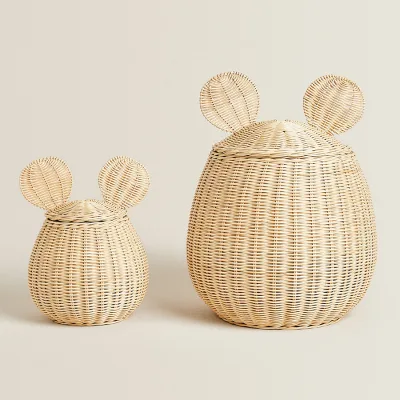
Wholesale Eco-Friendly Handwoven Rattan Fruit Shape Storage Basket with Lid for Home Storage
$5.99 - $12.99
MOQ: 500 Pieces

Minimalism Hand-Woven Rattan Basket for Outdoor Picnic Living Room Household Storage Wedding Flower
$3.29 - $3.99
MOQ: 500 Pieces
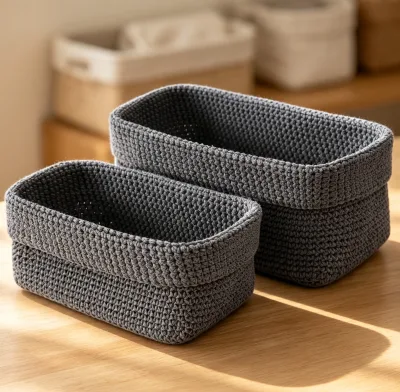
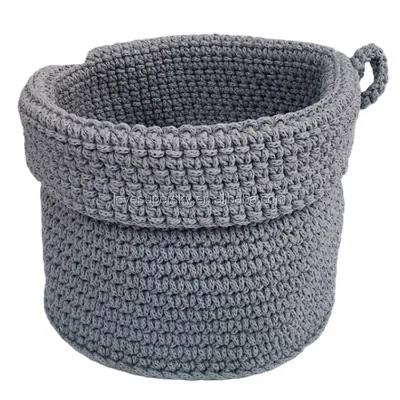
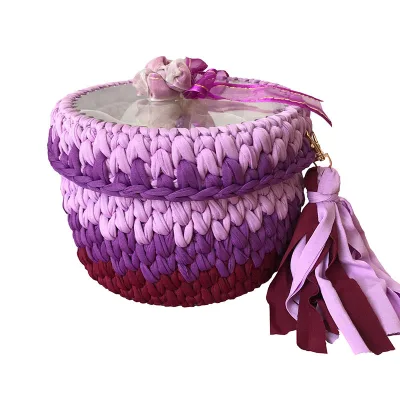
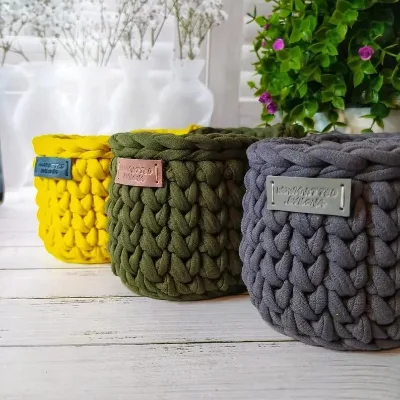


Comprehensive Sourcing Guide
Nordic Style Crochet Basket Supplier Concentration and Factory Types
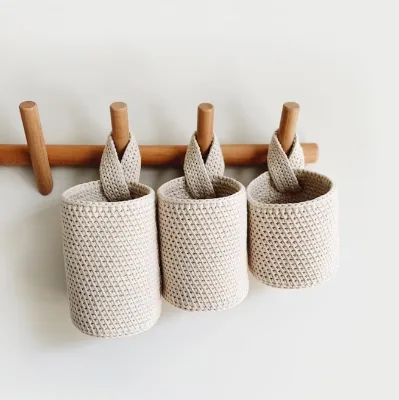
Crochet basket sourcing starts with understanding where the supply base actually sits. The supplier results in this category show a clear location signal: suppliers list Guangdong, China as their place of origin, with one product profile also naming Shantou as a port of loading. This is consistent with handcraft-intensive home textiles, which tend to cluster in coastal provinces where cottage-level knitting networks feed centralized exporters. Buyers should treat location data on a listing as a starting point, then confirm it by asking where the crocheting is actually performed, whether in-house workshops, a contracted artisan network, or a mix of both. Handmade categories often hide a multi-layer production chain, and knowing the real node helps you judge consistency and capacity.
Supplier type also matters here. At least one supplier in this set identifies itself as a trading company rather than a manufacturer, with main products spanning storage baskets, artificial flowers, ottoman stools, handbags and home decoration. In a handmade niche like crochet, a trading company can be legitimate and even useful, aggregating output from multiple knitting groups, but it adds a layer between you and the makers. Distinguish three profiles: workshops that crochet in-house, traders who consolidate, and hybrid exporters who do both. Ask each candidate which profile fits them, request photos of the production environment, and compare answers against the product attributes shown on listings, such as brand names and model numbers, which often reveal whether a single maker or several sources stand behind the catalog.
How to Verify Nordic Style Crochet Basket Suppliers
Verification in handmade crochet categories should focus on whether the supplier actually controls the knitting. Because at least one supplier here is labeled a trading company, begin by asking directly whether they produce or consolidate. Request evidence tied to specific listings: for example, one product profile lists a model number, a brand name, a stated place of origin, and packing details such as one piece per polybag. A supplier who can quote these attributes back to you accurately, explain the yarn composition, and describe the crochet technique is far more credible than one who only forwards catalog text. Ask for recent photos or short videos of baskets in progress, not just finished stock.
Second, verify operational behavior rather than claims. Response time is a displayed metric in this category, with one supplier showing a three-hour response figure; use such numbers as a behavioral sample and confirm responsiveness yourself across a few messages. Check that listed lead times, such as the fifty-day lead time shown by a supplier in these results, are realistic for your order quantity and season. Ask which sizes and colors they can genuinely make — one listing states any color can be produced — and request a sample in your chosen palette. Finally, confirm the material claim: several listings here describe one hundred percent cotton yarn, so ask for yarn procurement records or composition confirmation. Document everything in writing so any discrepancy between listing claims and supplier answers becomes visible before you commit funds.
What to Compare Across Nordic Style Crochet Basket Suppliers
Build a comparison sheet from the attributes these listings actually display, then fill gaps by asking. Useful dimensions include: lead time, where one supplier shows fifty days; MOQ, where product-level figures in this set range from fifty pieces to two hundred pieces; response time, with a three-hour example displayed; supplier type, such as trading company versus manufacturer; location, shown here as Guangdong; and main products, such as storage baskets paired with artificial flowers, ottoman stools and handbags. A supplier whose catalog is dominated by crochet and lace items will usually handle special colors and custom sizing better than one listing baskets as a sideline. Do not assume every supplier displays the same fields; compare only what is shown, and mark missing data as a question rather than a fault.
Then compare product-level economics. Listed prices in this category run from roughly under one dollar to about seven and a half dollars per piece, which usually reflects size, yarn weight and construction complexity rather than pure margin. A small eighteen-centimeter tray-style basket, a medium round bread basket, and a large forty-two-centimeter laundry hamper belong in different cost tiers, so never average across them. Compare dimensional tolerance statements, too — some listings specify tolerances as tight as one millimeter, others allow two centimeters or more — because this reveals how precisely each workshop controls handmade output. Weight per piece, packing method, and water-resistance claims are further comparison points. Score suppliers on clarity as well as numbers; a supplier who explains why a hamper costs more is easier to work with than one who simply undercuts.
Common Nordic Style Crochet Basket Sourcing Risks
The first risk cluster concerns handmade variability. Crochet baskets are worked by hand, so stitch tension, shape and final dimensions vary between batches even when listings promise tight tolerances. One product in this set declares dimensional tolerance of under one millimeter, which is ambitious for handwork; another allows two centimeters or more. Decide in advance what deviation you can accept, communicate a physical reference sample, and expect the practical answer to sit between the two extremes. Color is a second risk: Nordic-style designs depend on restrained palettes, and one listing claims any color can be made, but yarn dyeing can shift between lots. Approve dyed yarn lots or pre-production samples in writing before mass production begins.
The second cluster concerns structural and material performance. Most listings here describe one hundred percent cotton yarn, which is appealing but soft; a tall basket holding laundry may slump without stiffening, lining or a base. Some products add a wood base or a lining cloth specifically to solve this, so compare construction, not just appearance. Verify how the basket behaves when loaded, and whether the listing's water-resistance claim applies to the yarn, a coating, or only the lining. A third cluster is supply-chain opacity: trading companies in this category may consolidate multiple knitting groups, so quality can drift when the source changes silently. Protect yourself with golden samples, batch inspections before shipment, and agreements that key future orders to the approved sample rather than to a product listing alone.
Nordic Style Crochet Basket Regional Sourcing and Logistics
The evidence in this category points to Guangdong, China as the sourcing base, with Shantou named as a port of loading on multiple listings. That combination is coherent: Shantou is a practical export gateway for Guangdong-made handicrafts, and several listings also note that other Chinese ports can be used. For logistics planning, ask each supplier which port they will actually ship from, because inland deviations add trucking cost and handling risk to a low-value, high-volume product. Crochet cotton baskets are light — single gross weights shown in these listings run from about forty-five to one hundred grams — so freight economics are driven by volume rather than weight, making carton dimensions and compression packing worth negotiating.
Lead-time realism is the second logistics question. One supplier displays a fifty-day lead time, which is plausible for handmade crochet where output depends on knitting capacity rather than machine speed. Anchor your calendar to the longest disclosed lead time among candidates, then add buffer for yarn dyeing, sample approval and holiday-period slowdowns in artisan networks. Confirm whether the quoted lead time starts from order confirmation or from sample approval, since handmade categories often quote from production start only. Also clarify packing: one listing specifies one piece per polybag, which protects delicate lace trays but increases carton count. Finally, ask about mixed-order consolidation — a supplier whose main products include baskets, flowers and home décor can often combine SKUs in one shipment, improving container utilization for smaller buyers.
Nordic Style Crochet Basket Commercial Terms and Order Planning
Commercial planning should mirror the structure of these listings. MOQs shown at product level run from fifty pieces to two hundred pieces, so plan a pilot order at the low end of that range with your primary design, then scale. Prices in this set span roughly from under one dollar to around seven and a half dollars, but they attach to different sizes and constructions, so build your quote request around specific models rather than a generic basket description. Reference model numbers from listings, specify size, yarn composition, color and packing, and ask suppliers to quote per SKU. Confirm the quoted currency, whether freight is included, and which incoterm applies before comparing prices between suppliers, since port choices such as Shantou versus other Chinese ports affect landed cost.
Order sequencing matters in handmade categories. A sensible plan: request samples from two or three candidates, run one pilot MOQ-size order with the strongest performer, inspect it, then negotiate volume pricing with a documented golden sample as the quality benchmark. Keep the fifty-day style lead time in mind when timing seasonal Nordic décor demand, and place repeat orders before peak knitting seasons saturate artisan capacity. Ask trading companies to disclose their maker network's capacity so you know whether a second production line exists if demand spikes. Finally, align payment terms to risk: staged payments tied to sample approval and pre-shipment inspection are reasonable in this category, and escrow-style protection, where a platform displays it, is worth preferring for first orders with an unverified supplier.
FAQs
What is the price range for Nordic crochet baskets?
Prices for these storage baskets typically range from $0.82 to $7.60 per unit. The cost varies based on size, material thickness, and specific design features like lining or wood bases. Buyers should expect lower prices for smaller, simpler items and higher costs for larger, multi-functional laundry hampers.
What is the minimum order quantity for these baskets?
Minimum order quantities generally start at 50 pieces for standard storage baskets. Some specific models or larger laundry hampers may require a minimum of 100 or 200 pieces. Buyers should verify the exact MOQ for their chosen size and style before placing an order to ensure compliance.
Where are these crochet baskets manufactured?
These items are manufactured in Guangdong, China. The production facilities are located in this region, with shipping ports often listed as Shantou or other Chinese ports. Buyers sourcing from this area benefit from established supply chains for home storage and organization products.
What materials are used in these baskets?
Most baskets are crafted from 100% cotton or crochet cotton rope. Some models feature wooden bases or include lining cloth for bread storage. The materials are selected for durability and aesthetic appeal, ensuring the baskets are suitable for home, bathroom, or kitchen use.
How long does production take?
Production lead times are approximately 50 days. This duration accounts for the handmade nature of the crochet work and quality control processes. Buyers should plan their inventory accordingly and communicate early with suppliers to ensure timely delivery for seasonal demands or specific project deadlines.
What colors are available for these baskets?
Common colors include white, yellow, and pink. Some suppliers offer custom color options to match specific decor themes. Buyers can choose from standard palettes or request specific shades, ensuring the baskets complement their interior design or branding requirements effectively.