Source Portable Eco Friendly Sewing Box for Home, Travel, and Craft
Compare 30 Portable Eco Friendly Sewing Box options from verified suppliers. Explore varied sizes, materials like polyester and cotton, and customization features for home, travel, and craft applications. These kits include mixed threads, custom logos, and diverse packing standards suitable for everyday use.
Updated
Key considerations
Products List



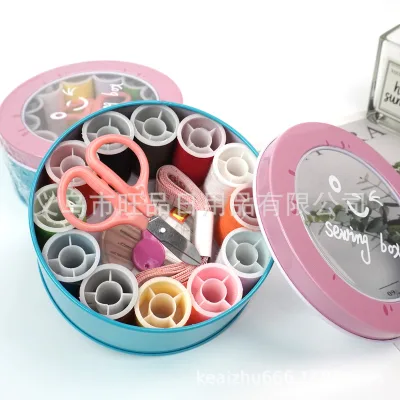
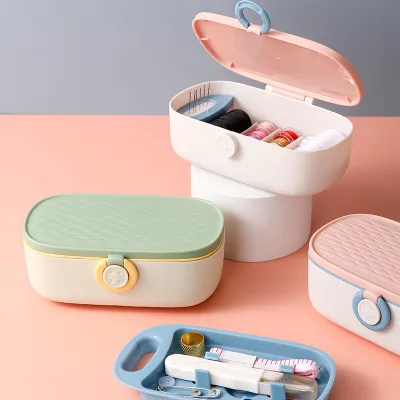


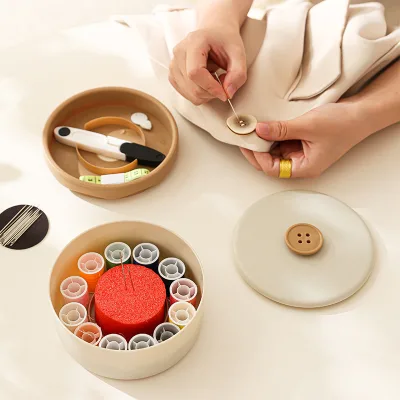
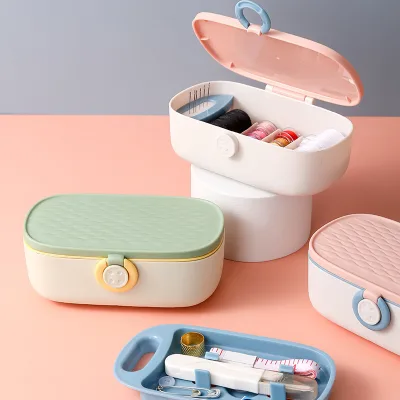
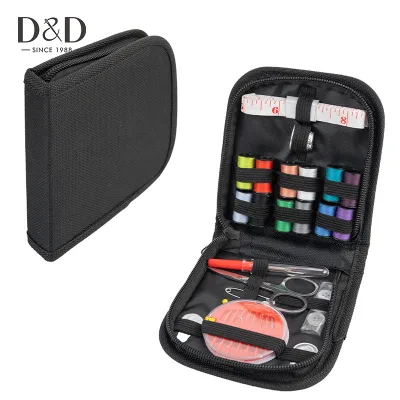
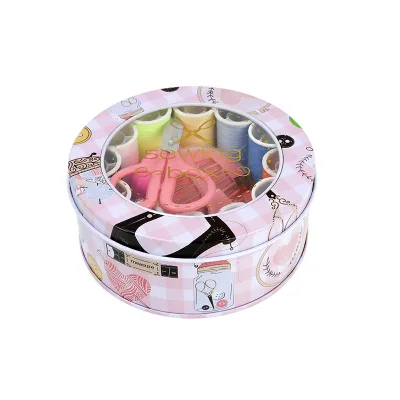
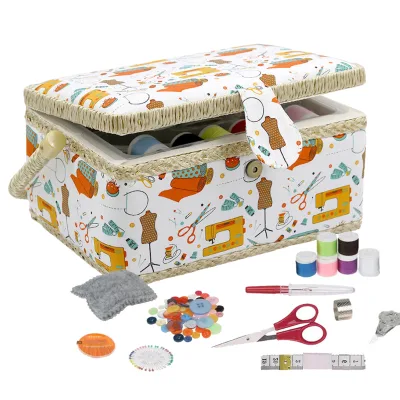
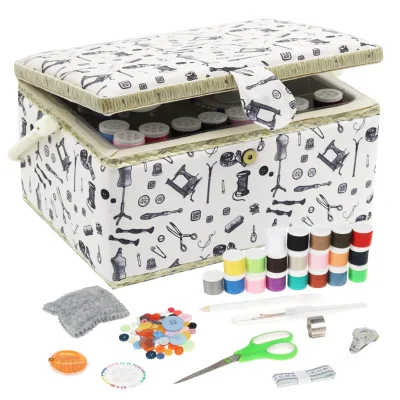
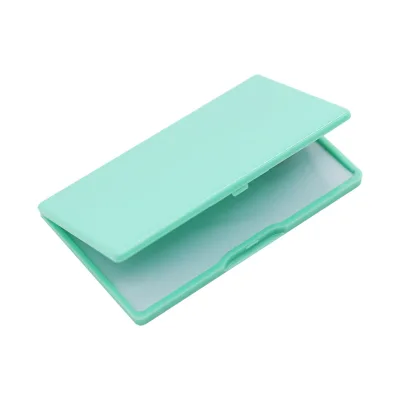
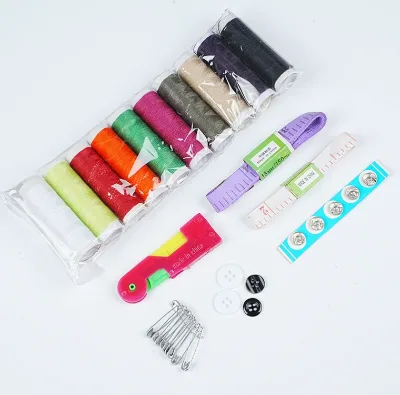
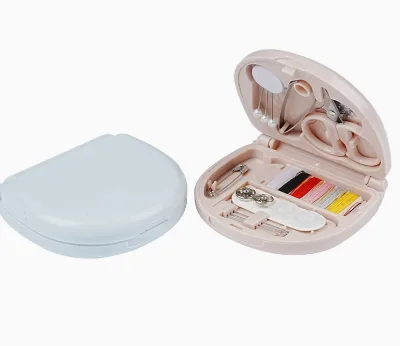
Comprehensive Sourcing Guide
Portable Eco Friendly Sewing Box Sourcing Guide
Procuring portable sewing kits requires balancing compact design with durable material selection to ensure longevity in travel or home use. Buyers must evaluate the core components, including thread types, needle quality, and container integrity, to meet specific user needs. The market offers diverse options ranging from basic cotton-based kits to more complex polyester blends, each with distinct performance characteristics. Understanding these material differences is crucial for selecting the right product for your target demographic, whether it is for emergency repairs, hobbyist use, or promotional giveaways.
Sourcing decisions should also account for customization capabilities, as many suppliers offer logo printing and tailored packaging solutions. This flexibility allows brands to create unique value propositions while maintaining cost efficiency through bulk ordering. However, the variety of available specifications, from size to color fastness, necessitates a rigorous verification process. Buyers need to establish clear technical requirements before engaging with suppliers to avoid mismatches between expected and delivered product attributes, ensuring that the final procurement aligns with both functional demands and brand identity.
Product Scope and Observed Listing Signals
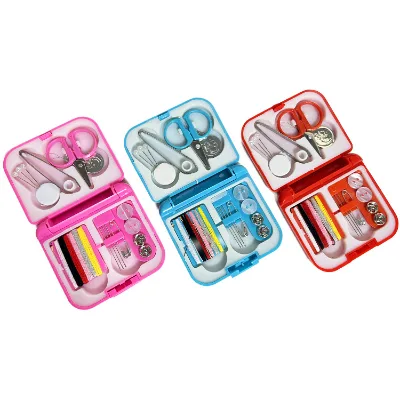
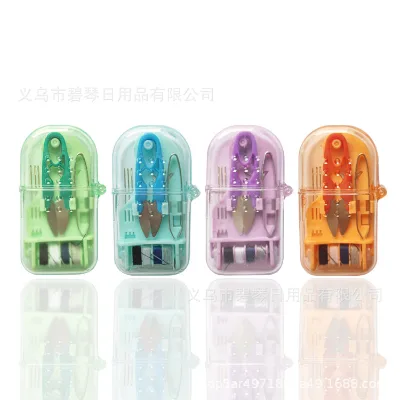
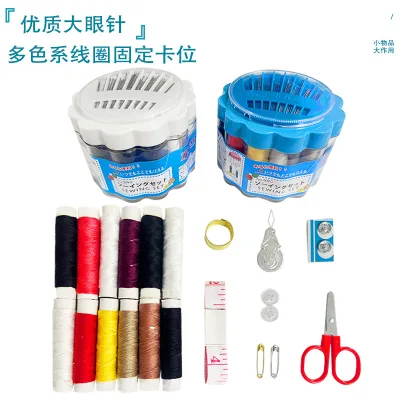
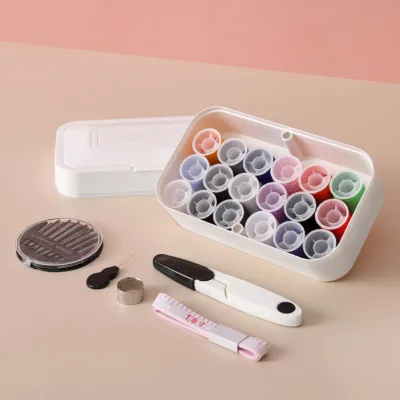
The current market landscape for portable sewing boxes includes a wide array of product types, primarily categorized as sewing kits or baskets. Observed listings indicate a strong presence of products made from polyester and cotton materials, with some items featuring mixed thread types for versatile repair tasks. The product range spans various sizes, with dimensions observed from compact 8.4x4.2cm units to larger 29x15x2cm containers, catering to different storage and portability requirements. These variations suggest that buyers can find solutions for both minimalistic travel needs and comprehensive home repair scenarios.
Color options are diverse, including mix, colorful, black, and transparent variants, allowing for aesthetic customization to suit different market preferences. Some products are explicitly marketed for everyday use, highlighting their practicality and durability for regular consumers. The presence of customized logo acceptance across multiple listings indicates a mature supply chain capable of supporting branded merchandise programs. Buyers should note that while many products are labeled as new, the specific condition and packaging details vary, requiring careful review of individual product descriptions to ensure alignment with quality expectations.
Technical Specifications to Verify
When evaluating technical specifications, buyers must prioritize material composition and physical dimensions to ensure the product meets functional requirements. Polyester and 100% cotton are common materials, each offering different benefits in terms of durability and texture. Dimensions such as 19.5x19.5x11cm or 30.5x29x3cm significantly impact portability and storage capacity, so precise measurements should be confirmed against use-case scenarios. Additionally, weight considerations, such as the observed 28.4g for certain kits, are critical for products intended for travel or lightweight packaging, influencing shipping costs and user convenience.
Thread quality and associated performance metrics, such as high tenacity and elongation rates below 10%, are vital for ensuring the sewing kit’s effectiveness. Color fastness, often rated as medium, should be verified to prevent dye transfer during use or storage. Buyers should also inspect packing specifications, which range from 100 pieces per bag to 10 sets per carton, as these affect logistics and inventory management. Confirming these technical details with suppliers ensures that the selected products will perform reliably under expected conditions, reducing the risk of customer complaints or product failures.
Compliance and Safety Documentation
Compliance with international standards is essential for ensuring product safety and market accessibility, particularly for items that may come into contact with skin or be used by children. Certifications such as S-G-S provide a baseline for quality assurance, indicating that the product has undergone specific testing protocols. Buyers should request detailed certification documents to verify that the materials used, such as polyester or cotton, meet relevant safety regulations. This step is crucial for mitigating legal risks and ensuring that the products can be sold in regulated markets without compliance issues.
While some background information mentions Oeko-Tex standards, buyers must confirm the actual certification status with suppliers, as this is not universally applied across all listings. Verifying that the product adheres to specific textile safety standards helps in building consumer trust and brand reputation. Additionally, buyers should inquire about any additional testing required for their target markets, such as REACH or CPSIA compliance, to ensure full regulatory adherence. Proactive verification of these documents prevents potential customs delays or product recalls, safeguarding the supply chain’s integrity.
Cost Drivers and Commercial Terms
Cost structures for portable sewing boxes are influenced by material choices, customization levels, and order quantities. MOQs vary significantly, ranging from 200 sets to 50,000 sets, allowing buyers to scale orders based on demand and budget constraints. Higher customization, such as logo printing or unique packaging, typically increases unit costs, so buyers should balance branding needs with cost efficiency. Understanding these cost drivers helps in negotiating favorable terms and selecting suppliers that offer the best value for specific project requirements.
Pricing observations indicate a wide range, with some items as low as $0.37 and others up to $35, reflecting differences in quality, material, and included components. Buyers should request detailed quotations that break down costs for materials, labor, and customization to identify potential savings. Additionally, payment terms and lead times should be clarified to ensure smooth transaction processes. By analyzing these commercial terms, buyers can optimize their procurement strategy, ensuring that they secure high-quality products at competitive prices while maintaining healthy profit margins.
Supplier Qualification and Quality Control
Supplier qualification is a critical step in ensuring consistent product quality and reliable delivery. Buyers should verify supplier credentials, including manufacturing capabilities and quality control processes, to assess their ability to meet specific requirements. Factories located in regions like Zhejiang, China, often have established expertise in textile and sewing product manufacturing, but due diligence is necessary to confirm their operational standards. Engaging with suppliers who have a proven track record of producing high-quality sewing kits reduces the risk of defects and ensures better overall product performance.
Quality control measures should include pre-production samples and in-line inspections to catch potential issues early in the manufacturing process. Buyers should define clear acceptance criteria for materials, stitching, and packaging to ensure that the final products meet their specifications. Regular communication with suppliers regarding quality expectations helps in maintaining consistency across production batches. By implementing robust quality control protocols, buyers can minimize defects, reduce returns, and enhance customer satisfaction, ultimately protecting their brand’s reputation in the market.
Long-Term Procurement Checks
Long-term procurement success depends on continuous monitoring of supplier performance and market trends. Buyers should establish key performance indicators, such as on-time delivery rates, defect rates, and responsiveness to issues, to evaluate supplier reliability over time. Regular audits and feedback loops help in identifying areas for improvement and fostering a collaborative relationship with suppliers. By maintaining open communication and addressing concerns promptly, buyers can ensure that their supply chain remains resilient and adaptable to changing market conditions.
Additionally, staying informed about industry developments, such as new material innovations or sustainability trends, allows buyers to proactively adjust their sourcing strategies. Evaluating the environmental impact of materials, such as the use of eco-friendly polyester or cotton, can enhance brand appeal and meet growing consumer demand for sustainable products. By integrating these long-term checks into their procurement processes, buyers can build a robust supply chain that supports business growth and maintains competitive advantage in the evolving marketplace.
FAQs
Can I customize the logo on the Portable Eco Friendly Sewing Box?
Yes, customized logos are acceptable for these sewing kits. The product page explicitly states that customized logo acceptance is available for the sewing basket and related items. Buyers can request branding on the packaging or the kit itself to meet specific corporate or retail requirements.
What is the minimum order quantity for these sewing kits?
The minimum order quantity varies by product model. Some items require 200 sets, while others demand 2000 or 5000 sets. One specific model lists an MOQ of 50,000 sets. Buyers should check the specific model number to determine the exact threshold for their order.
What materials are used in these portable sewing kits?
The kits are primarily made from polyester or 100% cotton materials. Some items are specified as 100% polyester, while others use 100% cotton for high tenacity. The sewing threads included are mixed types, suitable for various hand sewing and knitting applications.
What certifications do these sewing products hold?
The products hold S-G-S certification. This quality assurance is explicitly listed for the sewing basket items. Buyers can rely on this certification to verify product standards and safety compliance for international sourcing requirements.
What are the standard packaging options for these sewing kits?
Packaging varies by model. Options include 100 pieces per bag with four bags per carton, or 50 pieces per carton. Other models use 10 sets per carton or 100 sets per carton. The specific packing details depend on the chosen product model and size.
Where are these sewing kits manufactured?
These sewing kits are manufactured in Zhejiang, China. The product origin is consistently listed as Zhejiang for the various models. Buyers can expect production from this specific region in China for these portable sewing solutions.