Source Creamy Filled Sesame Wafer Rolls for snacks, gifts, and events
Compare 30 listings for Creamy Filled Sesame Wafer Rolls from verified Chinese manufacturers. Buyers can evaluate certifications like FDA and HACCP, packaging options, and MOQs ranging from 300 to 20,000 units for bulk sourcing needs; compare the available evidence and request quotations based on your requirements.
Updated
Key considerations
Products List


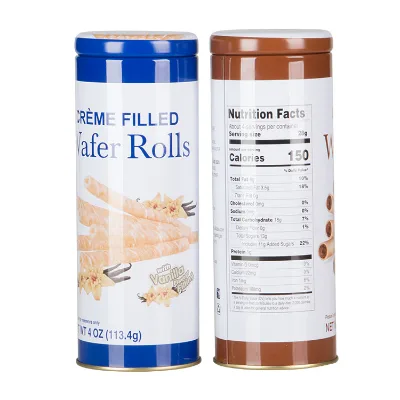
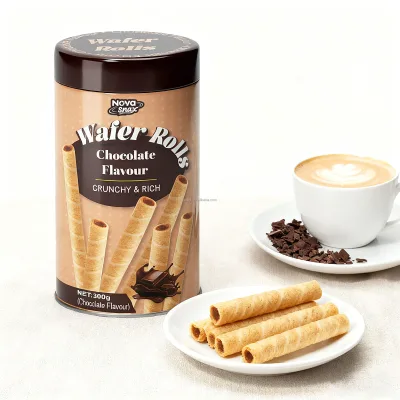
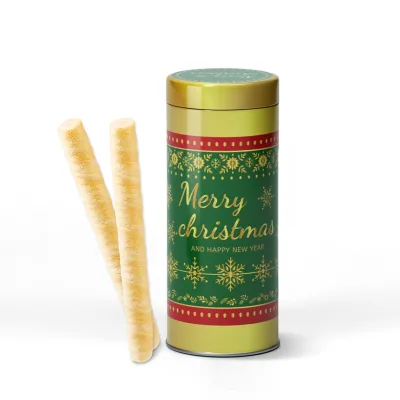
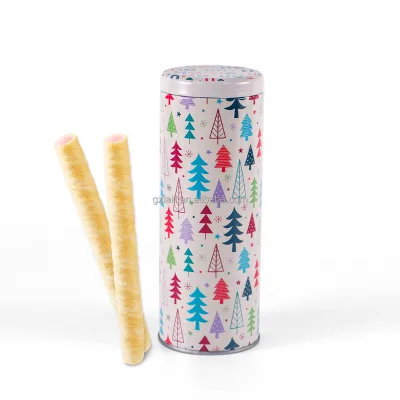
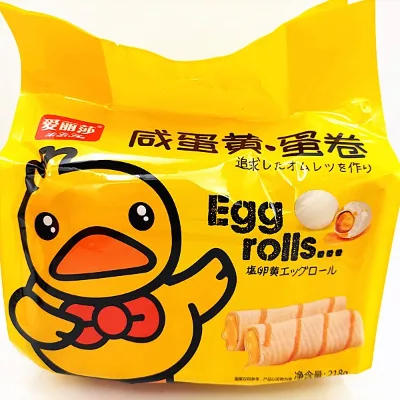
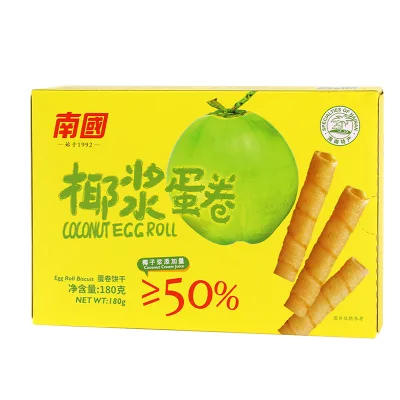
Crunchy Coconut Flavor Wafers Stick Christmas Gift Gluten Free OEM Wafer Roll
$0.6672 - $0.9036
MOQ: 500 pieces




Comprehensive Sourcing Guide
Creamy Filled Sesame Wafer Rolls Sourcing Guide
Sourcing Creamy Filled Sesame Wafer Rolls requires a nuanced understanding of the specific product attributes observed in current market listings. Buyers must distinguish between general wafer biscuit categories and the specific characteristics of sesame-flavored, creamy-filled variants. The available data indicates that these products are typically classified under wafer biscuits or general biscuits, with a primary flavor profile centered on chocolate or sesame. It is critical to verify whether the "sesame" descriptor refers to the primary flavor or an additional ingredient, as some listings highlight chocolate as the main flavor while others specify sesame. This distinction directly impacts ingredient sourcing, allergen management, and consumer labeling requirements. Procurement teams should carefully review product names and ingredient lists to ensure alignment with brand expectations, avoiding assumptions based solely on broad category tags.
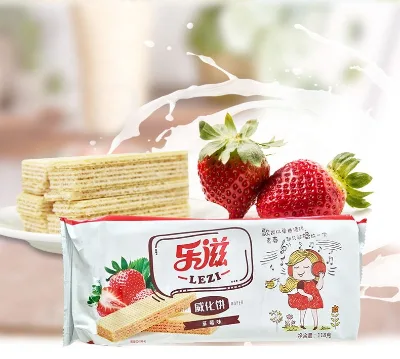
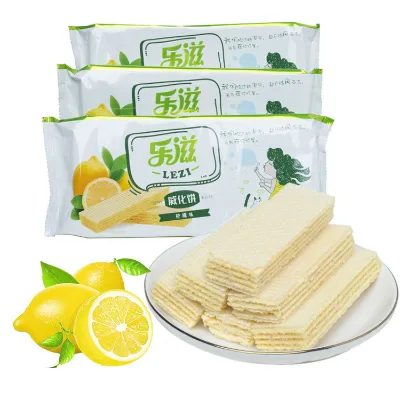
The physical form and texture of these wafers also vary significantly across suppliers. Observed listings describe shapes ranging from rectangular sticks to round formats, with textures noted as crispy or semi-hard. These structural differences influence packaging durability, shipping logistics, and the final consumer experience. For instance, crispy wafer sticks may require more robust outer cartons to prevent breakage during transit compared to semi-hard round wafers. Buyers must specify their preferred shape and texture in initial inquiries to receive accurate samples and quotations. Additionally, the presence of jam as an additional ingredient in some wafer types suggests a layered filling structure that may affect shelf-life stability and moisture control. Understanding these physical attributes early in the sourcing process helps in selecting suppliers with the appropriate manufacturing capabilities and quality control measures.
Product Scope and Observed Listing Signals
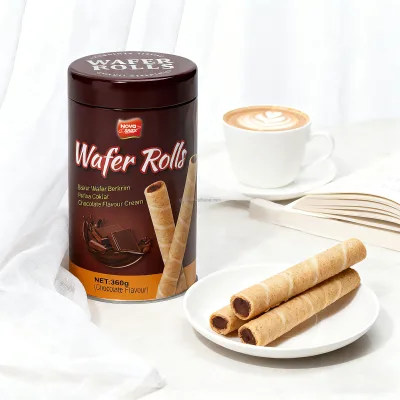
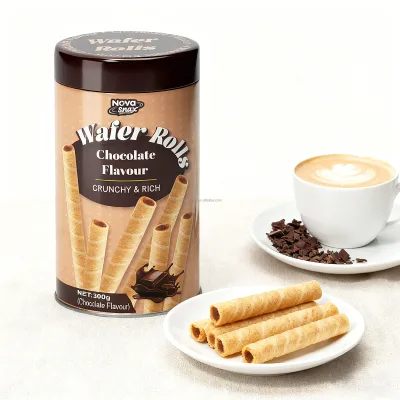
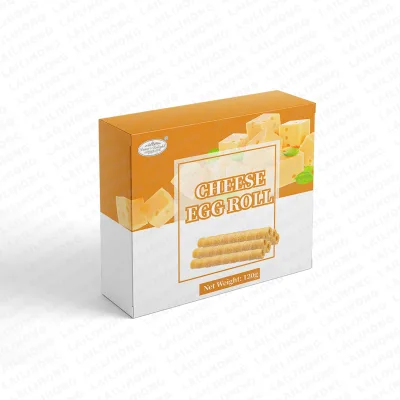
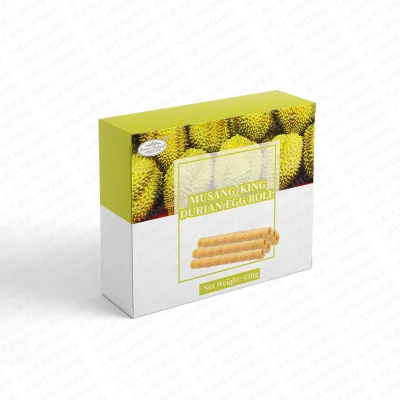
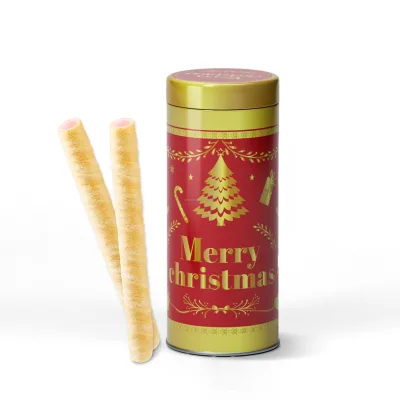
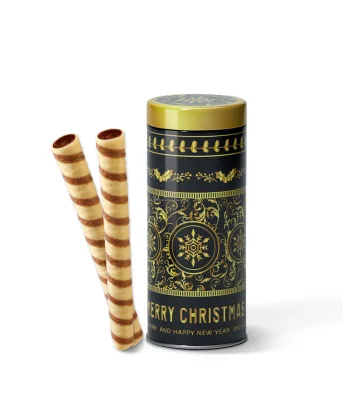
The product scope for Creamy Filled Sesame Wafer Rolls encompasses a variety of packaging formats and unit sizes, reflecting diverse market demands. Listings show packaging materials ranging from card boxes to plastic bags, with some options including tins or roll films. Unit weights observed include 32g and 150g variants, packed in cartons containing multiple units, such as 32g x 40 boxes or 150g x 24 bags. This variability allows buyers to choose packaging that aligns with their distribution channels, whether retail shelves, bulk wholesale, or premium gift markets. The presence of both box and tin packaging options suggests that suppliers can cater to different price points and brand positioning strategies. Procurement specialists should evaluate the cost implications of each packaging type, considering both material costs and the perceived value added to the final product.
Shelf life and storage requirements are consistent across most observed listings, typically ranging from six to twelve months when stored in cool, dry places. This standard shelf life provides flexibility for inventory management and international shipping, which may involve extended transit times. However, some instructions advise consuming the product within three to five days after opening, highlighting the importance of proper resealing to maintain freshness and texture. Buyers must ensure that their downstream partners are aware of these storage and handling instructions to prevent quality degradation. The application scope includes both adults and children, indicating a broad consumer base. This versatility makes Creamy Filled Sesame Wafer Rolls suitable for various retail environments, from convenience stores to specialty food shops, provided the marketing and labeling accurately reflect the product's attributes.
Technical Specifications to Verify
Technical verification begins with confirming the exact model numbers and standard weights associated with each product variant. Listings reference specific models such as R002 and WR150, along with standard weights of 32g and 150g. These identifiers are crucial for maintaining consistency in repeat orders and ensuring that the correct product specifications are met. Buyers should request detailed technical datasheets that outline the precise dimensions, weight tolerances, and composition of each model. The outer carton sizes, such as 45.52825.5cm, and single package sizes, like 36X36X42 cm, are essential for calculating shipping volumes and warehouse storage requirements. Accurate verification of these logistical specifications helps in optimizing supply chain efficiency and reducing freight costs.
The baking process and ingredient composition are also key technical aspects that require verification. The rolling and roll printing process is mentioned as a standard manufacturing method, which influences the wafer's texture and appearance. Main ingredients typically include wheat flour, sugar, egg, chocolate, and vanilla, with sesame noted as a specific flavor option in some listings. The fat content is observed at 11%, which affects both the nutritional profile and the sensory experience of the product. Buyers must confirm the exact ingredient ratios and processing methods to ensure they meet their quality standards and regulatory requirements. Additionally, the availability of customization options, including OEM and ODM services, allows for tailored product development. However, buyers should clearly define their customization requirements to avoid misunderstandings and ensure that the final product aligns with their brand identity.
Compliance and Safety Documentation
Compliance with international and regional food safety standards is non-negotiable for importing Creamy Filled Sesame Wafer Rolls. Suppliers are observed to hold certifications such as FDA, HACCP, Halal, BRC, ISO, QS, and WCA. These certifications indicate varying levels of compliance with different regulatory frameworks and market requirements. For instance, FDA certification is essential for selling in the United States, while Halal certification is critical for Muslim-majority markets. Buyers must verify the validity and scope of each certification to ensure they cover the specific products being sourced. It is also important to confirm that the certifications are issued by accredited bodies and are up to date. Documentation should be requested and reviewed before placing any orders to mitigate regulatory risks and ensure smooth customs clearance.
Allergen management is another critical compliance aspect, particularly given the presence of wheat, egg, and sesame in the ingredients. Sesame is recognized as a major allergen in many jurisdictions, including the United States and the European Union. Buyers must ensure that suppliers have robust allergen control programs in place to prevent cross-contamination. Labeling must accurately reflect all allergens present in the product, adhering to local labeling laws. Additionally, the presence of chocolate and vanilla ingredients may introduce other allergens or sensitivities that need to be disclosed. Procurement teams should work closely with suppliers to develop clear and compliant labeling strategies. Regular audits of supplier facilities and quality management systems can further ensure ongoing compliance with safety and allergen management standards.
Cost Drivers and Commercial Terms
Cost drivers for Creamy Filled Sesame Wafer Rolls include raw material prices, packaging complexity, and order volume. The observed price range of $0.23 to $32 USD reflects significant variation based on product size, packaging type, and customization level. Smaller, individually packaged units may have higher per-unit costs due to packaging and handling expenses, while larger bulk packages offer economies of scale. Minimum Order Quantities (MOQs) typically range from 300 to 20,000 units, with some suppliers specifying MOQs in cartons, such as 500 cartons. Buyers must align their order volumes with their sales forecasts to avoid excess inventory or stockouts. Negotiating favorable MOQs and pricing tiers can significantly impact overall procurement costs and profitability.
Commercial terms also include lead times, payment conditions, and shipping arrangements. While specific lead times are not detailed in the observed data, buyers should inquire about production schedules and delivery estimates. Payment terms may vary, with common options including Telegraphic Transfer (TT) or Letters of Credit (LC). Understanding these terms helps in cash flow planning and risk management. Additionally, the origin of the products, primarily Guangdong, China, influences shipping costs and transit times. Buyers should consider freight forwarders and logistics partners to optimize shipping routes and costs. Clear communication of commercial terms in purchase agreements ensures mutual understanding and reduces the risk of disputes. Regular review of cost structures and market trends can help buyers identify opportunities for cost savings and value addition.
Supplier Qualification and Quality Control
Supplier qualification involves assessing manufacturing capabilities, quality management systems, and past performance. Buyers should request factory audits or third-party inspection reports to verify production standards and hygiene practices. The presence of OEM and ODM services indicates flexibility in product development, but buyers must ensure that suppliers have the technical expertise to meet specific requirements. Quality control measures should include raw material inspection, in-process monitoring, and final product testing. Suppliers should provide certificates of analysis (COA) for each batch to confirm compliance with specified parameters. Establishing a strong relationship with suppliers through regular communication and feedback loops can enhance product quality and consistency.
Quality control extends to packaging integrity and labeling accuracy. Buyers should verify that packaging materials are food-grade and suitable for the product's shelf life. Labeling must be accurate and compliant with local regulations, including ingredient lists, nutritional information, and allergen warnings. Sampling and testing of finished products before mass production can help identify potential issues early. Buyers should define clear quality acceptance criteria and include them in purchase agreements. Regular quality audits and performance reviews can help maintain high standards and address any deviations promptly. Investing in supplier development and collaboration can lead to long-term benefits in product quality and supply chain reliability.
Long-Term Procurement Checks
Long-term procurement success depends on continuous monitoring of supplier performance and market dynamics. Buyers should establish key performance indicators (KPIs) for quality, delivery, and responsiveness. Regular reviews of these metrics help identify areas for improvement and ensure suppliers meet expectations. Market trends in wafer biscuit consumption and flavor preferences should be monitored to anticipate demand shifts. Adjusting product offerings and sourcing strategies accordingly can maintain competitiveness. Building a diversified supplier base can mitigate risks associated with single-source dependencies. Regular engagement with suppliers on innovation and product development can lead to new opportunities and improved product offerings.
Sustainability and ethical sourcing are increasingly important considerations in long-term procurement. Buyers should inquire about suppliers' practices regarding environmental impact, labor standards, and ethical sourcing of raw materials. Certifications such as ISO 22000:2018, although noted with low confidence, may indicate broader quality management systems. Verifying these certifications and practices can enhance brand reputation and meet consumer expectations. Regular updates on regulatory changes and industry standards are essential to ensure ongoing compliance. By integrating sustainability and ethical considerations into procurement strategies, buyers can build resilient and responsible supply chains that deliver long-term value.
FAQs
What certifications do the wafer biscuits have?
The Creamy Filled Sesame Wafer Rolls carry FDA, HACCP, Halal, BRC, ISO, QS, and WCA certifications. These credentials ensure compliance with international food safety standards. Buyers can verify these documents to meet regulatory requirements in various export markets. The product is manufactured in Guangdong, China, adhering to strict quality control protocols throughout the production process.
What is the shelf life of the product?
The shelf life ranges from 6 to 12 months depending on the specific packaging variant. Proper storage in a cool, dry place is essential to maintain quality. Once opened, the product should be consumed within 3-5 days. This duration ensures optimal taste and texture for both adult and children consumers who enjoy the crispy, sweet chocolate or sesame flavors.
Can the product be customized for branding?
Yes, OEM and ODM customization is accepted for these wafer biscuits. Buyers can request specific branding, packaging designs, or flavor adjustments. The manufacturer supports custom orders to meet unique market needs. This flexibility allows businesses to create distinct product identities while leveraging the established production capabilities and quality standards of the Chinese factory.
What are the main ingredients used?
The main ingredients include wheat flour, sugar, egg, chocolate, and vanilla. Some variants also feature jam as an additional ingredient. The sesame flavor profile is achieved through specific formulation. These components create a crispy texture and sweet taste. The product is suitable for both adults and children, offering a creamy filled experience in wafer stick or roll formats.
What is the minimum order quantity required?
The minimum order quantity is 500 cartons for standard orders. This MOQ ensures efficient production and logistics for international buyers. Specific packaging configurations, such as 32g or 150g variants, may have different carton counts per unit. Buyers should confirm exact quantities based on their chosen product model and packaging style to align with factory production schedules.
How is the product packaged for shipping?
Packaging options include card boxes, plastic bags, tins, and roll films. Standard cartons contain 40 boxes of 32g wafers or 24 bags of 150g wafers. Outer carton dimensions vary by model, with some measuring 45.5x28x25.5cm. The packaging protects the semi-hard or crispy texture during transit. Buyers can select materials based on retail presentation needs and regional market preferences.