Source Crude Oil Precision Filter Oiler for Transformer, Lubricant, Insulation
Compare 30 Crude Oil Precision Filter Oiler units featuring varying capacities, flow rates, and certifications. These machines support transformer, lubricant, and insulation oil applications with customizable features, CE standards, and single-phase motor options for diverse industrial needs; compare the available evidence and request quotations based on your requirements.
Updated
Key considerations
Products List


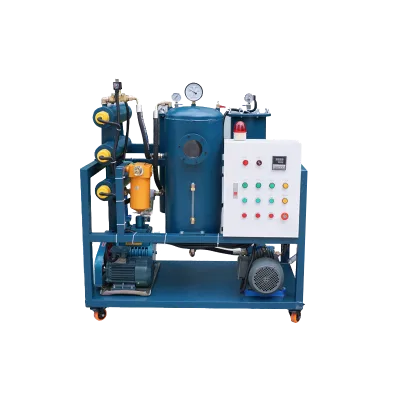
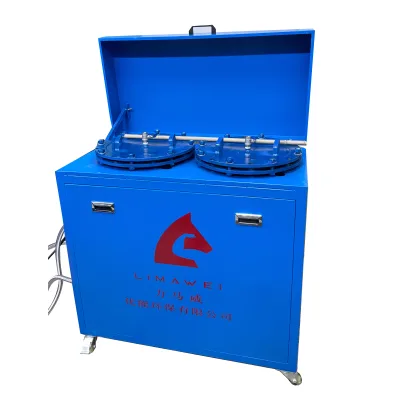
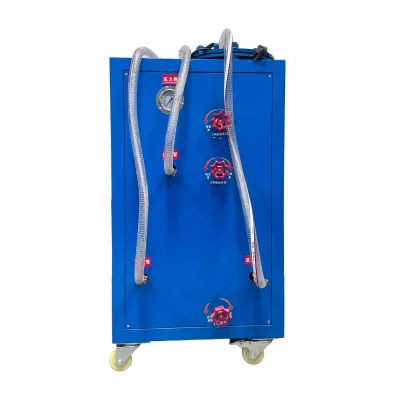

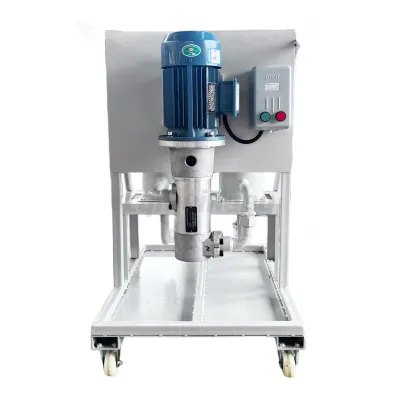
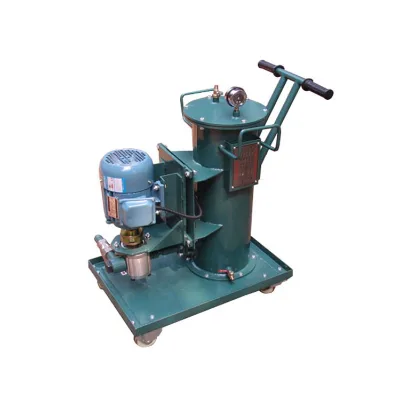
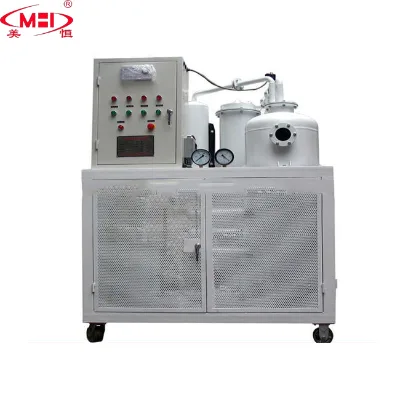
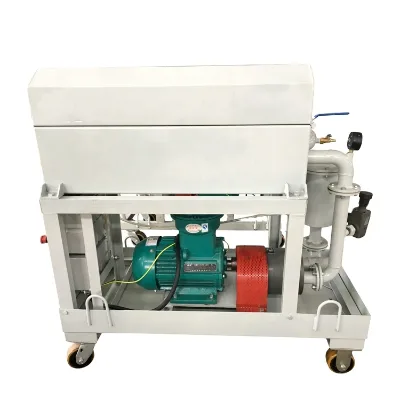
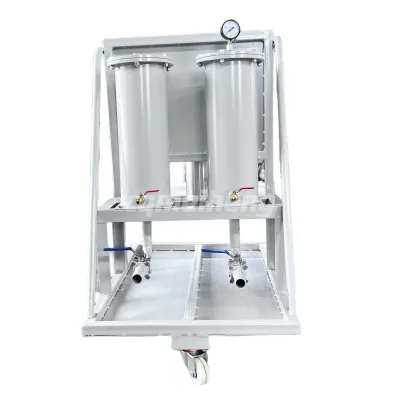
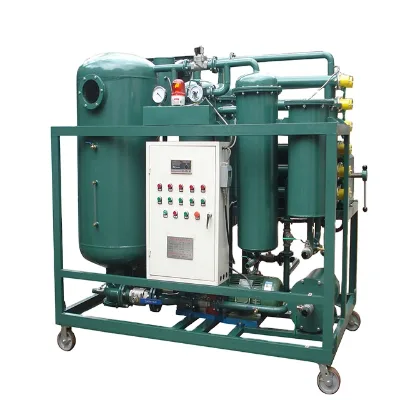
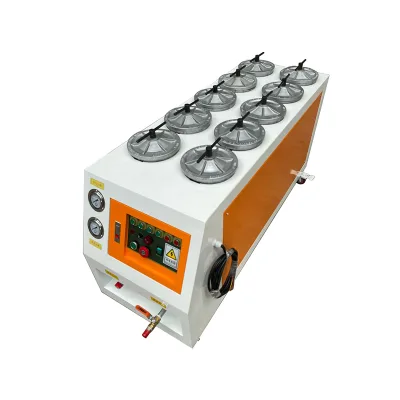
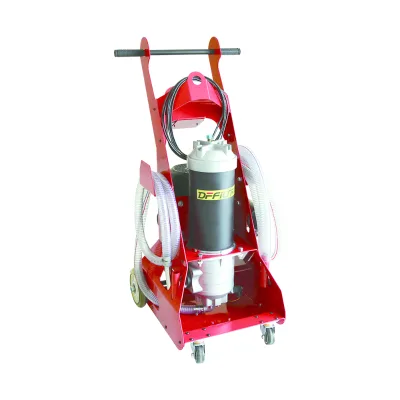
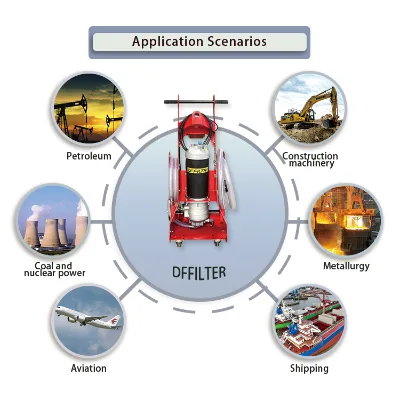
DFFILTRI centrifuge oil filter system oil purifier oil filter manufacturer
$1400.00 - $1480.00
MOQ: 1 pieces
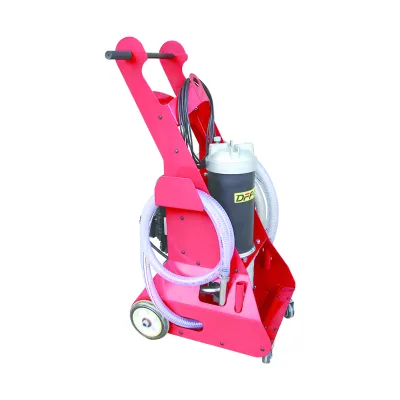
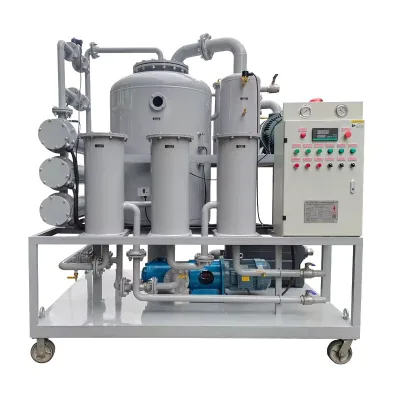

Engine Oil Filter Recycling Machine/Crude Oil Recycling to Diesel Fuel Oil Machine
$5000.00 - $35000.00
MOQ: 1 Sets


Commercial Crude Oil Filter Automatic Centrifugal Oil Filtering Machine
$800.00 - $980.00
MOQ: 1 Pieces


Comprehensive Sourcing Guide
Crude Oil Precision Filter Oiler Sourcing Guide
Procuring a Crude Oil Precision Filter Oiler requires careful alignment of technical specifications with operational needs, particularly when dealing with high-viscosity fluids like transformer or engine oil. The market offers a diverse range of units, from compact single-phase models to larger industrial systems, each tailored to specific flow rates and pressure requirements. Buyers must navigate a landscape where attributes such as voltage, motor power, and filtration capacity vary significantly across different product models. Understanding these distinctions is crucial for selecting equipment that meets both immediate processing demands and long-term reliability standards.
This guide focuses on evidence-based sourcing strategies for precision filtration equipment, drawing on observed listing signals and technical data. It emphasizes the importance of verifying core components, such as motors and filter elements, and ensuring that packaging and origin details align with logistical expectations. By adhering to strict verification protocols and understanding the commercial terms associated with these machines, procurement teams can mitigate risks and secure equipment that delivers consistent performance in manufacturing and industrial settings.
Product Scope and Observed Listing Signals
The observed product range includes units designed for applications such as transformer oil, lubricant oil, and engine oil, with capacities ranging from small-scale operations to high-volume processing up to 9000L/H. Models like the DYG-50, DGL-150, and DTY-20 indicate a variety of sizing options, while specific configurations like the BRH2-2 and CHZ series suggest specialized functionalities for different viscosity ranges, typically between 9 and 180cst. These variations allow buyers to match equipment precisely to their fluid handling needs, ensuring optimal filtration efficiency and system compatibility.
Listing signals reveal that many units are marketed as hot products with digital displays and customizable features, catering to modern industrial demands for automation and adaptability. The presence of grey-colored units and specific dimensions, such as 0.90.71.4m or 11568115 cm, provides tangible insights into the physical footprint of the equipment. Buyers should note that while some listings mention seaworthy packaging, others specify plywood cases, which directly impacts shipping costs and protection during transit, making packaging details a critical factor in the initial selection process.
Technical Specifications to Verify
Critical technical parameters include voltage options of 220V or 380V, with motor configurations often being single-phase 1/2HP or similar low-power setups for smaller units. Flow rates vary widely, from 2L/Min to 30L~80L/min, and working pressures are typically maintained below 0.4MPa or within a 1.5-3.0 Kgf/Cm2 range, depending on the model. Buyers must verify these specifications against their facility’s power infrastructure and hydraulic requirements to ensure seamless integration and prevent operational bottlenecks or equipment strain during continuous use.
Additional verification should focus on the inlet and outlet diameters, which are often standardized at 10mm, and the temperature range of operation, typically spanning 0 to 80 degrees Celsius. The number of filter elements, such as the use of two elements in certain models, and the raw material compatibility, including crude oil derivatives, are also essential checks. Ensuring that the machinery test reports are available or understanding their absence helps buyers assess the reliability of performance claims and the overall robustness of the filtration system under real-world conditions.
Compliance and Safety Documentation
Compliance with international standards is a primary concern, with CE certification frequently cited as a baseline requirement for equipment sold in global markets. Buyers should request valid CE certificates to ensure that the electrical and mechanical components meet European safety directives, which often serve as a benchmark for quality and safety worldwide. This verification is particularly important for units operating at specific voltages and pressures, as non-compliant equipment may pose significant safety risks and lead to regulatory hurdles in the destination country.
Beyond certification, documentation regarding the warranty period, typically ranging from one to three years, provides insight into the manufacturer’s confidence in their product. Buyers should also inquire about the availability of video outgoing-inspection services, which offer a transparent view of the unit’s condition before shipment. This visual verification can help confirm that the machinery is new, properly assembled, and free from defects, thereby reducing the risk of receiving substandard equipment and ensuring that the warranty terms are clearly understood and enforceable.
Cost Drivers and Commercial Terms
Pricing for these filtration units varies significantly, with observed ranges spanning from $200 to $35,000, driven by factors such as capacity, motor power, and customization options. The minimum order quantity (MOQ) is often low, ranging from 1 to 2 units, which facilitates trial purchases for smaller operations or specific project needs. Buyers should analyze the cost structure in relation to the unit’s weight, which can range from 210 to 260 kg, as heavier units may incur higher shipping and handling costs, impacting the total landed cost of the procurement.
Commercial terms also include the selling unit configuration, which is typically single-item, and the availability of customization services for specific industrial applications. Buyers should negotiate clearly on the inclusion of accessories, such as filter elements, and clarify whether the quoted price covers installation support or training. Understanding these commercial nuances helps in budgeting accurately and avoiding hidden costs, ensuring that the final investment aligns with the expected return on investment and operational efficiency gains.
Supplier Qualification and Quality Control
Supplier qualification involves verifying the place of origin, with many units originating from Guangdong, China, a hub for manufacturing industrial machinery. Buyers should assess the supplier’s ability to provide machinery test reports, noting that some listings indicate these are not available, which may require additional due diligence. Requesting detailed product specifications and confirming the brand name, such as LIMAWEI, helps in establishing a traceable supply chain and ensures that the equipment meets recognized quality benchmarks in the industry.
Quality control measures should include a thorough review of the core components, particularly the motor, which is a critical element for filtration performance. Buyers should also verify the condition of the machinery, ensuring it is new and not refurbished, and check for any signs of wear or damage during the pre-shipment inspection. Engaging with suppliers who offer video outgoing-inspections can provide an additional layer of assurance, allowing buyers to visually confirm the quality and completeness of the unit before final payment is released.
Long-Term Procurement Checks
Long-term procurement success depends on establishing a reliable supply chain for spare parts, particularly filter elements and motors, which are subject to wear and tear. Buyers should confirm the availability of these components and the lead times for replacement, ensuring that downtime is minimized during routine maintenance. Understanding the viscosity range compatibility and the number of filter elements used in the system helps in planning inventory levels and scheduling regular replacements to maintain optimal filtration efficiency.
Additionally, buyers should monitor the marketing trends and product updates from suppliers to stay informed about new models or improved features that may enhance operational performance. Regularly reviewing the warranty terms and service agreements ensures that any potential issues are addressed promptly and efficiently. By maintaining a proactive approach to supplier relationship management and equipment maintenance, procurement teams can extend the lifespan of their filtration systems and achieve consistent, high-quality results in their industrial operations.
FAQs
What is the flow rate of the DYG-50 Crude Oil Precision Filter Oiler?
The DYG-50 model features a flow rate of 2L/Min. This unit operates with a single-phase 1/2HP motor and supports a viscosity range of 9 to 180cst. It is designed for transformer oil applications and includes two filter elements for efficient processing.
Can the Crude Oil Precision Filter Oiler be customized for specific needs?
Yes, customization is available for these units. Buyers can request specific standards or modifications to fit their operational requirements. The equipment supports various oil types including insulation and lubricant oils, ensuring adaptability for different industrial environments and processing tasks.
Which certifications are provided for the Crude Oil Precision Filter Oiler?
The Crude Oil Precision Filter Oiler comes with CE certification. This standard ensures compliance with European safety and quality regulations. The product also features a one-year warranty and includes video outgoing-inspection services to verify condition before shipment from the manufacturer.
What is the working pressure range for the filter oiler?
The working pressure ranges from 1.5 to 3.0 Kgf/Cm2. Some models operate at less than 0.4MPa. This pressure range ensures stable performance during the filtration process, making it suitable for handling crude oil and other viscous fluids in manufacturing plants.
How is the Crude Oil Precision Filter Oiler packed for shipping?
The units are packed in plywood cases outside for robust protection. Some models use seaworthy packages to ensure safety during transit. This packaging method protects the machinery from damage, ensuring it arrives in new condition ready for immediate installation and operation in your facility.
What is the voltage specification for the single-phase models?
Single-phase models typically operate at 220V voltage. Other variants may support 380V for different power requirements. The motor is usually a single-phase 1/2HP unit, providing efficient energy consumption while maintaining the necessary flow rate for effective oil filtration and purification tasks.