Source Customizable Matte Cardboard Gift Box for Gifts, Cosmetics, Health Care
Compare 30 listings for Customizable Matte Cardboard Gift Box options featuring folding designs, various paper types, and surface treatments. Buyers can evaluate suppliers offering custom sizes, logo printing, and eco-friendly materials for diverse packaging needs; compare the available evidence and request quotations based on your requirements.
Updated
Key considerations
Products List


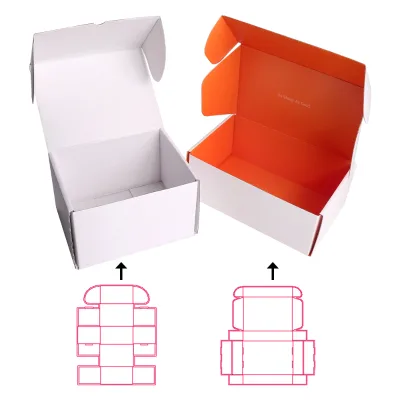



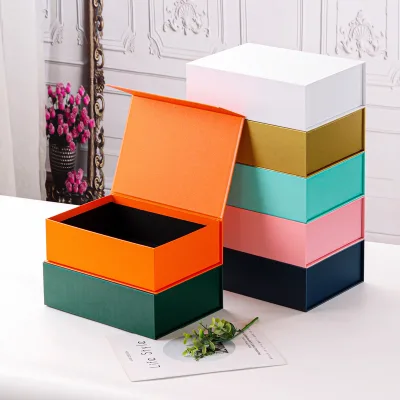


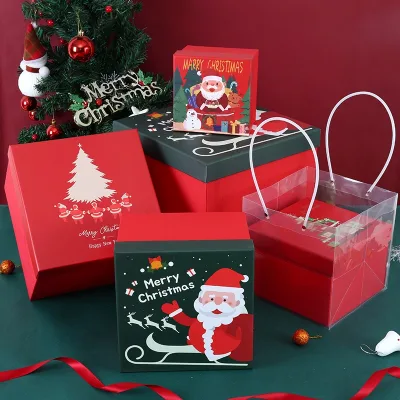
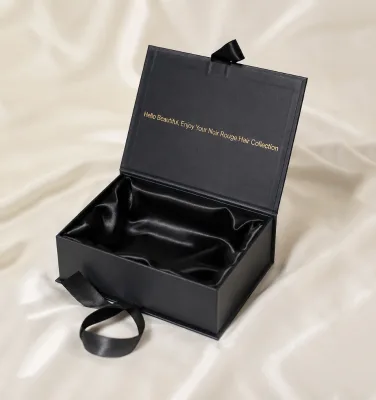

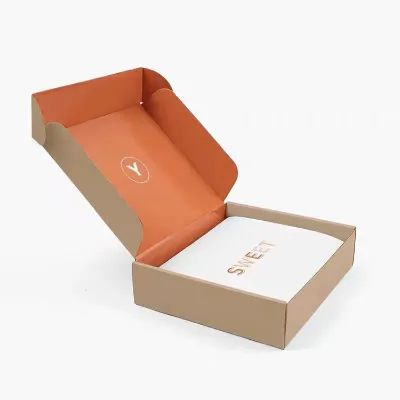
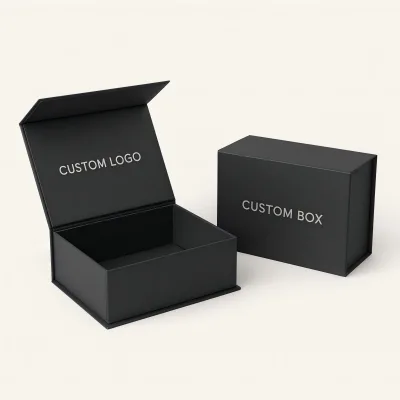
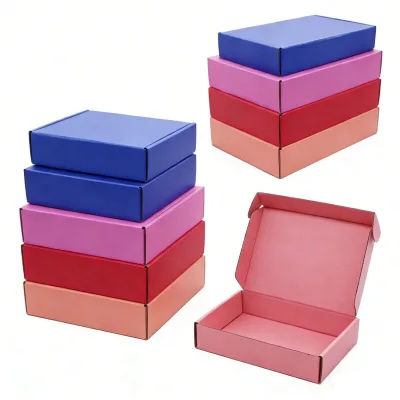
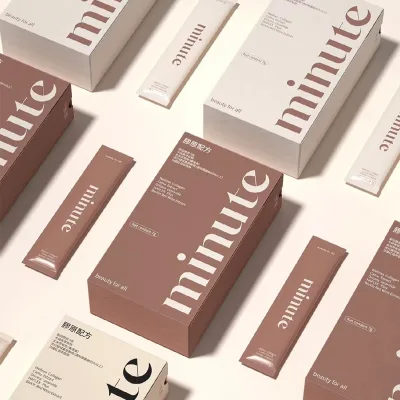
Comprehensive Sourcing Guide
Customizable Matte Cardboard Gift Box Sourcing Guide
Procuring customizable matte cardboard gift boxes requires a strategic approach to balancing aesthetic appeal with structural integrity. Buyers must first define the specific application, whether for cosmetics, jewelry, electronics, or general gifts, as these categories dictate different material strengths. The observed market signals indicate a wide range of paper types, including gray paper, double copper, and corrugated board, each offering distinct visual and tactile properties. Understanding these variations is essential for selecting the right substrate that aligns with brand identity and product protection needs.
The customization options available in the current supply chain are extensive, allowing for significant brand differentiation through surface treatments and printing techniques. Features such as matte lamination, hot stamping, embossing, and UV coating are commonly observed, providing a premium feel that enhances unboxing experiences. Buyers should evaluate how these finishes interact with the chosen paper type to ensure durability and consistency. This guide outlines the critical technical, commercial, and quality assurance factors necessary for successful sourcing of these specialized packaging solutions.
Product Scope and Observed Listing Signals
The product scope for customizable matte cardboard gift boxes encompasses a diverse array of applications, including arts and crafts, electronic products, jewelry, garments, greeting cards, and health care items. Listings frequently highlight the versatility of these boxes, noting their suitability for both single-color and four-color CMYK plus Pantone printing. The observed data confirms that manufacturers offer various paper types, such as double copper, leather paper, and corrugated board, to meet different aesthetic and functional requirements. This variety allows buyers to select materials that best suit the weight and fragility of their specific products.
Observed listing signals also reveal a strong emphasis on eco-friendly and recyclable features, alongside customizable sizing and branding options. Many suppliers accept OEM orders and provide artwork design support in formats like AI, PDF, and PSD, facilitating a smooth transition from concept to production. The presence of features like scratch-resistant films and touchable surfaces indicates a market trend toward enhancing user interaction with the packaging. Buyers should verify these claims against their specific quality standards, as not all listed products may satisfy every observed attribute simultaneously.
Technical Specifications to Verify
When verifying technical specifications, buyers must closely examine the cardboard material composition, which often includes double gray board, single white gray board, or single B flute corrugated structures. The gray board weight typically ranges from 200g to 2000g, influencing the box's rigidity and durability. It is crucial to confirm the exact weight and type of board required for the product's protection, as heavier boards offer superior crush resistance but may increase shipping costs. Additionally, the hollow board structure, often made from corrugated cardboard, provides cushioning for fragile items, making it a key consideration for electronics or glass products.
Surface treatment and printing processes are equally critical technical aspects that define the final product quality. Common treatments include matte or glossy lamination, anti-scratch films, and over-oil finishes, which protect the print and enhance the tactile experience. Buyers should verify the compatibility of these treatments with the chosen paper type to prevent delamination or cracking during folding. Furthermore, craftsmanship details such as hot stamping, silvering, and embossing add premium value but require precise alignment and higher production tolerances. Confirming these details with the supplier ensures the final output matches the intended design specifications.
Compliance and Safety Documentation
Compliance and safety documentation are vital for ensuring that the packaging materials meet regulatory standards in target markets. Buyers should request material safety data sheets and certifications that confirm the recyclability and non-toxic nature of the inks and adhesives used. While specific certification statuses vary by supplier, it is essential to verify that the materials comply with relevant environmental regulations, such as restrictions on heavy metals or volatile organic compounds. This is particularly important for products intended for food, cosmetics, or health care applications, where direct or indirect contact with packaging materials is common.
Documentation should also include proof of quality control processes, such as inner quality control standards mentioned in some listings. Buyers need to ensure that the supplier has established protocols for testing the structural integrity of the boxes, including drop tests and compression tests. These tests verify that the packaging can withstand the rigors of shipping and handling without compromising the product inside. Requesting sample reports or third-party test results can provide additional assurance of compliance and help mitigate risks associated with product damage or regulatory non-compliance.
Cost Drivers and Commercial Terms
Cost drivers for customizable matte cardboard gift boxes include the choice of paper type, the complexity of surface treatments, and the order quantity. Heavier gray boards and specialized materials like double copper or leather paper typically incur higher material costs. Additionally, intricate craftsmanship features such as hot stamping, embossing, and UV coating add to the production expense. Buyers should analyze the cost-benefit ratio of these features, considering how they impact the perceived value of the product and the overall budget. Volume discounts are often available, with observed MOQs ranging from 1 to 3000 units, allowing for flexibility in initial orders.
Commercial terms also play a significant role in the total cost of ownership. Lead times for custom samples typically range from 7 to 14 days, while production times for bulk orders are often around 7 to 10 working days. Buyers must factor in these timelines when planning inventory and launch schedules. Payment terms, shipping methods, and packaging for the boxes themselves, such as standard export cartons or large plastic bags, also influence costs. Clear communication regarding these terms helps avoid unexpected expenses and ensures a smooth procurement process.
Supplier Qualification and Quality Control
Supplier qualification involves assessing the manufacturer's capability to deliver consistent quality and meet customization requirements. Buyers should verify the supplier's experience in producing similar products, particularly those involving complex surface treatments and precise folding mechanisms. The ability to accept custom orders and provide OEM services is a positive indicator of flexibility and customer focus. Additionally, suppliers located in regions like Guangdong, China, often have established supply chains and expertise in packaging manufacturing, which can contribute to reliability and efficiency.
Quality control measures are essential to ensure that the final products meet the specified standards. Buyers should inquire about the supplier's internal quality control processes, including inspections at various stages of production. Requesting pre-production samples and conducting thorough evaluations of print quality, material strength, and finish consistency is crucial. Establishing clear acceptance criteria and communication channels for addressing defects helps maintain quality standards. Regular audits or third-party inspections may also be beneficial for large-scale procurement to ensure ongoing compliance with quality expectations.
Long-Term Procurement Checks
Long-term procurement checks focus on sustaining quality and performance over multiple orders and product cycles. Buyers should monitor supplier performance metrics, such as on-time delivery rates, defect rates, and responsiveness to issues. Consistent quality across batches is critical for maintaining brand reputation and customer satisfaction. Establishing a feedback loop with the supplier allows for continuous improvement and adjustment of specifications as needed. Regularly reviewing and updating quality standards ensures that the packaging continues to meet evolving market demands and regulatory requirements.
Additionally, buyers should assess the supplier's ability to innovate and adapt to new trends in packaging design and materials. The market for customizable gift boxes is dynamic, with new finishes, eco-friendly materials, and structural designs emerging regularly. Suppliers who invest in research and development can offer valuable insights and solutions that enhance product appeal and sustainability. Building a strong, collaborative relationship with the supplier fosters trust and facilitates smoother negotiations and problem-solving. This long-term perspective helps secure a reliable supply chain that supports business growth and brand integrity.
FAQs
Can I customize the size and logo on these boxes?
Yes, customization is available for size and logo printing. The product supports custom sizes and accepts artwork in formats like Ai, Pdf, and Psd. You can choose from single color, four colors, or spot color printing options. The surface treatment includes matte or glossy finishes to match your brand identity and packaging requirements.
What materials are used for the gray board and lining?
The boxes use double gray board or single white gray board for the structure. Lining materials include sponge, EPE, blister, cardboard, or EVA for protection. The outer paper type can be double copper, leather paper, or cardboard. These materials ensure durability while allowing for eco-friendly and recyclable packaging solutions for various products.
What is the production lead time for custom orders?
The box production time is typically 7-10 work days. Custom samples require 7-14 days to complete. These timelines apply to standard customization requests. Buyers should account for these durations when planning their inventory. The factory accepts OEM orders and handles various printing and surface treatment processes efficiently.
Which printing techniques are supported for these gift boxes?
Supported printing techniques include offset printing, hot stamping, silvering, embossing, and UV coating. You can choose single color, four colors, CMYK, or Pantone spot colors. Surface treatments offer matte film, glossy film, or anti-scratch options. These methods allow for high-quality branding and tactile finishes on the cardboard gift boxes.
What is the minimum order quantity for these boxes?
The observed minimum order quantity ranges from 1 to 3000 units. This flexibility allows for both small trial orders and large bulk purchases. Buyers can select quantities based on their specific needs. The factory accepts custom orders with varying MOQs to accommodate different business scales and inventory requirements effectively.
Are these boxes suitable for shipping and storage?
Yes, the boxes are designed to fold flat for shipping, reducing storage costs. They are packed in standard export cartons or large plastic bags. The folding design ensures efficient logistics and easy assembly upon arrival. This feature makes them ideal for businesses looking to optimize supply chain efficiency and reduce shipping volume.