Source Customized Durable Work Badge Cover for events and gifts
Find 17 options for Customized Durable Work Badge Cover featuring PVC and metal materials with UV printing. Buyers can compare sizes, colors, and customization services for family reunions, parties, and promotional activities; compare the available evidence and request quotations based on your requirements.
Updated
Key considerations
Products List

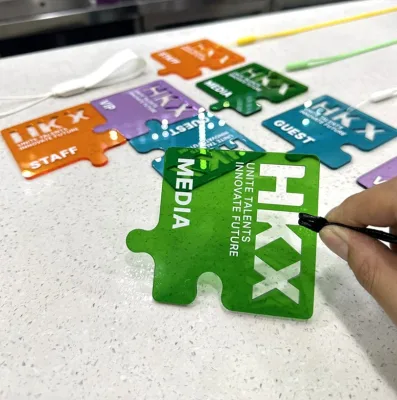
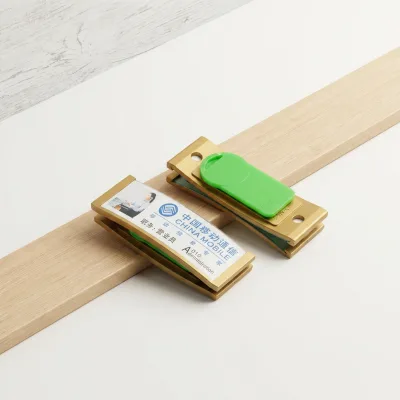
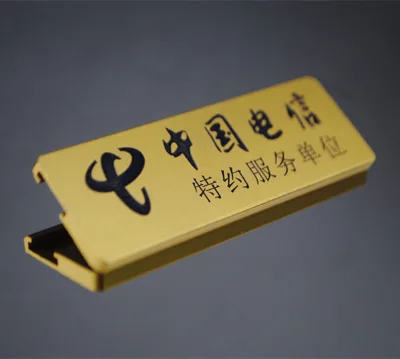


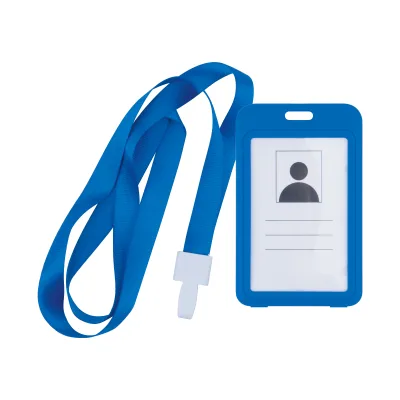
Comprehensive Sourcing Guide
Customized Durable Work Badge Cover Sourcing Guide
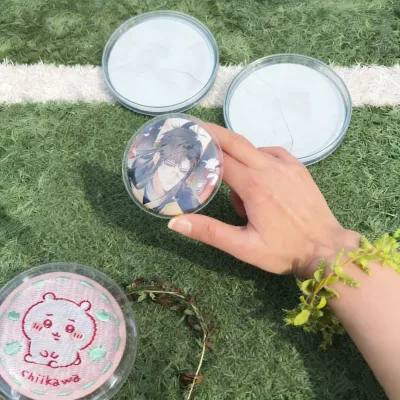
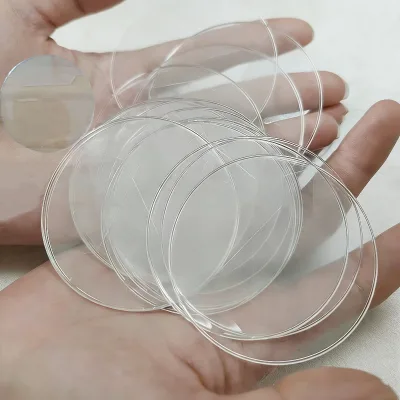
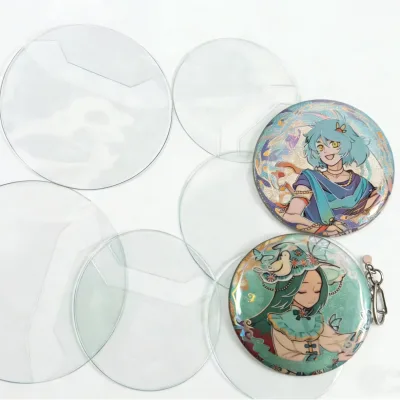
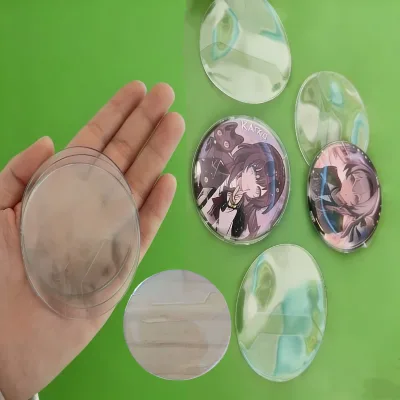
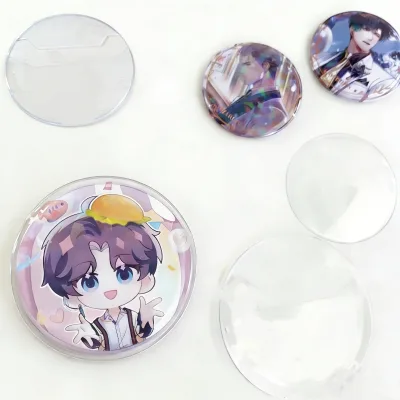
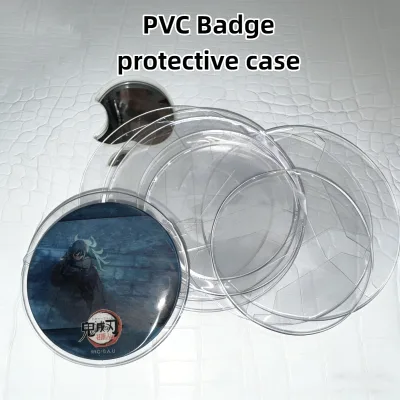
Procuring customized durable work badge covers requires a clear understanding of the material trade-offs between rigid plastics and flexible sleeves. Buyers often encounter listings for PVC badge sleeves, which offer eco-friendly durability and wear resistance, making them suitable for high-volume promotional activities or long-term employee identification. These items are frequently described as having a crystal clear finish, allowing for easy visibility of the underlying identification card while providing a protective barrier against daily wear and tear. The customization options typically include UV printing capabilities, which ensure that logos and text remain vibrant and legible over time.
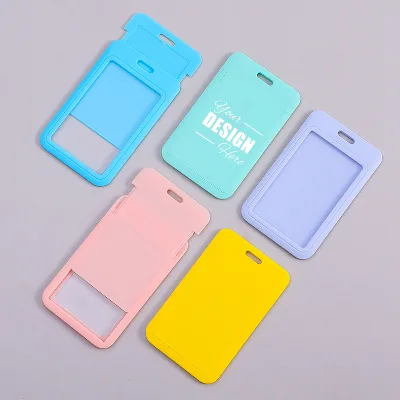
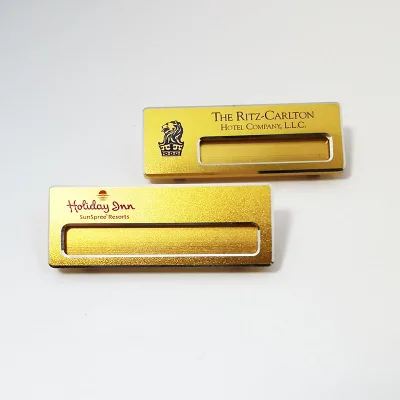
In contrast, some suppliers offer rigid badge holders made from materials like ABS or metal, which provide a more premium feel and enhanced protection for the card. These variants may feature specific color options such as white, gray, yellow, red, black, blue, green, or purple, catering to corporate branding requirements. The choice between a simple sleeve and a rigid holder often depends on the intended application, whether it is for casual events, formal office environments, or industrial settings where robustness is paramount. Understanding these material distinctions is the first step in defining precise procurement specifications.
Product Scope and Observed Listing Signals
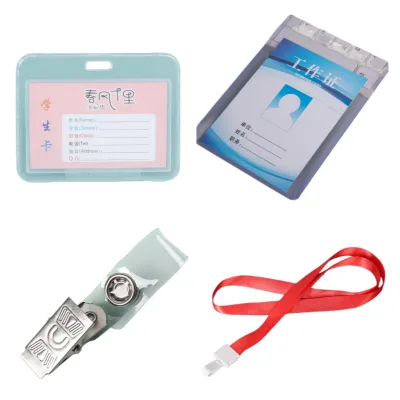
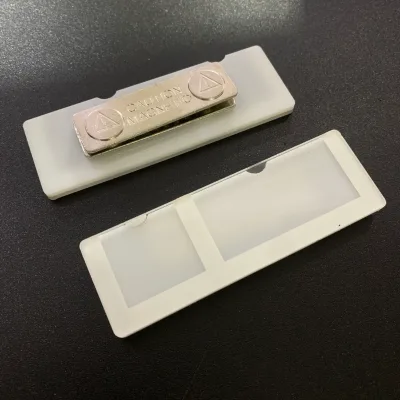
The current market landscape for badge covers includes a diverse range of product types, from simple PVC sleeves to complex magnetic badge systems. Observed listings indicate that products are often categorized under promotional office products or general plastic items, with specific model numbers like B02315 or FLD-M3178 identifying distinct designs. Buyers should note that some products are explicitly designed as single card holders or sleeves, while others may incorporate additional features such as magnetic attachments or specific mounting mechanisms. The presence of terms like "professional perfect service" and "fast delivery" suggests that many suppliers prioritize rapid turnaround times for customized orders, which is critical for time-sensitive corporate events.
Visual and physical attributes vary significantly across suppliers, with some offering standard sizes like 62 mm or 63 mm, while others provide fully customized dimensions. The single package size is often listed around 10x10x2 cm, indicating compact shipping profiles that can reduce logistics costs. Additionally, the style of the badge cover can range from simple and functional to creative designs that incorporate unique visual elements. Buyers must carefully review the product images and descriptions to ensure that the aesthetic matches their organizational identity, as options may include laser effects, smoke versions, or luminous finishes that go beyond standard transparent or colored plastics.
Technical Specifications to Verify
When evaluating technical specifications, buyers must prioritize the material composition and dimensional accuracy of the badge covers. PVC and ABS are common materials, each offering different levels of flexibility and impact resistance. For rigid badges, tolerance levels are critical; some suppliers specify tolerances between 0.05 mm and 0.1 mm, ensuring that the badge fits securely into lanyards or clip-on holders without excessive play. The size of the badge is another key parameter, with standard dimensions like 7x3.2 cm being prevalent, but customized sizes are widely available to accommodate non-standard identification cards. Verifying these measurements against the actual cards in use prevents fitment issues during distribution.
Printing techniques and color fidelity are also essential technical considerations. UV printing is a frequently cited method, offering high durability and resistance to fading, which is vital for badges that see frequent handling. Color options can be extensive, ranging from standard metallic shades like gold and silver to a wide spectrum of custom colors. Some suppliers offer color dot versions, mica finishes, or broken glass effects, which require close collaboration with the manufacturer to ensure the final product meets quality expectations. Buyers should request physical samples to assess the print quality, color accuracy, and the overall structural integrity of the badge cover before committing to a large order.
Compliance and Safety Documentation
Safety and regulatory compliance are paramount, especially when badge covers are used in environments with strict health and safety standards. Some suppliers provide certifications such as SGS, which indicates that the materials have been tested for specific safety and quality criteria. Buyers should verify the scope of these certifications to ensure they cover the relevant materials, such as PVC or ABS, and the intended use cases. Additionally, the eco-friendly nature of some PVC products may be a selling point for organizations with sustainability goals, but this claim should be backed by verifiable documentation regarding the absence of harmful additives like phthalates or heavy metals.
For products involving magnetic components, such as magnetic badge holders, additional safety considerations apply. These items may contain neodymium magnets, which require careful handling and disposal. Buyers should ensure that the magnetic strength is appropriate for the application and that the magnets are securely encased to prevent accidental detachment. Documentation regarding the grade of the magnet and the coating, such as nickel plating, can provide insights into corrosion resistance and longevity. It is advisable to request material safety data sheets (MSDS) or equivalent documentation to confirm that the products meet international safety standards for consumer and industrial goods.
Cost Drivers and Commercial Terms
The cost of customized durable work badge covers is influenced by several factors, including material choice, customization complexity, and order volume. MOQs typically range from 100 to 10,000 units, with higher volumes often resulting in lower per-unit costs. The price range observed in the market is quite broad, from as low as $0.03 to $10 per unit, reflecting the diversity in quality, material, and design intricacy. Buyers should be cautious of extremely low prices, as they may indicate inferior materials or poor manufacturing standards. Conversely, higher prices may reflect premium materials, complex printing processes, or faster delivery times.
Commercial terms such as packing and shipping methods also impact the total cost of ownership. Standard export packing is commonly used to protect the badges during transit, but specialized packaging may be required for fragile or high-value items. Lead times can vary based on the level of customization and the current production schedule of the supplier. Buyers should negotiate clear terms regarding sample costs, which are often supported by suppliers, and clarify who bears the responsibility for shipping and insurance. Understanding these commercial dynamics helps in budgeting accurately and avoiding unexpected expenses during the procurement process.
Supplier Qualification and Quality Control
Selecting a reliable supplier involves verifying their manufacturing capabilities and quality control processes. Suppliers located in regions like Guangdong and Zhejiang, China, are known for their expertise in plastic and metal product manufacturing. Buyers should assess the supplier’s ability to handle customized services, including cutting, molding, and printing, to ensure they can meet specific design requirements. The availability of samples is a strong indicator of a supplier’s confidence in their product quality and their willingness to collaborate with buyers to refine the final design. Requesting samples allows for a hands-on evaluation of the badge cover’s durability, print quality, and overall finish.
Quality control measures should be clearly defined in the purchase agreement. Buyers should inquire about the supplier’s inspection processes, including in-line checks and final random inspections. Certifications like SGS can provide additional assurance, but direct communication with the supplier’s quality team is essential. Buyers should also verify the supplier’s experience in producing similar products, as this can indicate a higher likelihood of consistent quality. Establishing a clear communication channel for addressing defects or discrepancies is crucial for maintaining a successful long-term relationship with the supplier.
Long-Term Procurement Checks
Sustaining a successful procurement strategy for badge covers requires ongoing monitoring of supplier performance and product quality. Buyers should regularly review feedback from end-users regarding the durability and functionality of the badges in real-world conditions. This feedback can inform future design iterations and material selections, ensuring that the products continue to meet evolving needs. Maintaining a relationship with multiple suppliers can also provide flexibility and mitigate risks associated with supply chain disruptions. Regularly updating the supplier database with new vendors can help in accessing the latest innovations and competitive pricing.
Additionally, buyers should stay informed about changes in material regulations and sustainability trends that may impact the production of badge covers. As environmental concerns grow, suppliers may adopt new eco-friendly materials or processes, which could offer benefits in terms of brand image and regulatory compliance. Periodic audits of the supplier’s production facilities and quality management systems can help ensure that standards are consistently met. By proactively managing these aspects, buyers can secure a reliable supply of high-quality customized durable work badge covers that support their organizational goals and operational efficiency.
FAQs
What materials are used for customized durable work badge covers?
Customized durable work badge covers are primarily manufactured using PVC and ABS materials. PVC options offer eco-friendly, wear-resistant, and crystal clear finishes suitable for various applications. ABS variants provide robust protection for electronic products and industrial magnets. These materials ensure high quality and durability for promotional office products and employee name plates.
Can I get samples before placing a bulk order?
Yes, suppliers support sample requests for customized durable work badge covers. This allows buyers to verify material quality, printing accuracy, and size specifications before committing to large quantities. Samples help ensure the final product meets specific design requirements and functional needs for events, gifts, or corporate branding purposes.
What customization options are available for badge cover designs?
Customization includes UV printing, various colors like crystal clear or specific shades, and tailored sizes such as 62 mm or 63 mm. Buyers can choose from simple styles or creative designs with features like luminous or laser effects. Custom logos and specific dimensions are available to meet unique branding and identification requirements.
What certifications ensure the quality of these badge covers?
Quality assurance is supported by SGS certification for certain product lines, ensuring compliance with safety and material standards. High-quality manufacturing processes include precise tolerances of 0.05mm to 0.1mm for specific models. These certifications and standards help verify the durability and reliability of the badge covers for professional and industrial use.
What are the typical MOQ and packaging details?
The minimum order quantity typically ranges from 100 to 10,000 units, depending on the supplier and customization level. Products are packed in standard export packing to ensure safe delivery. Single package sizes are often around 10x10x2 cm with a gross weight of 0.1 kg, facilitating efficient logistics and storage for bulk orders.
Where are these badge covers manufactured?
Manufacturing locations include Guangdong and Zhejiang provinces in China. These regions are known for their robust plastic product manufacturing capabilities, including PVC and ABS production. Buyers can source from these established industrial hubs to access a wide variety of customized badge covers with reliable supply chains and competitive pricing structures.