Source Customized DIN933 Titanium Alloy Screws for aerospace, automotive, and marine
Compare 30 listings for Customized DIN933 Titanium Alloy Screws with options in stainless steel and titanium alloys. Buyers can review sizes from M1 to M36, surface treatments, and lead times to find suitable fasteners for industrial applications; compare the available evidence and request quotations based on your requirements.
Updated
Key considerations
Products List






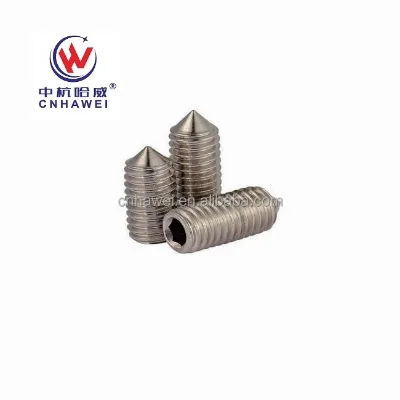
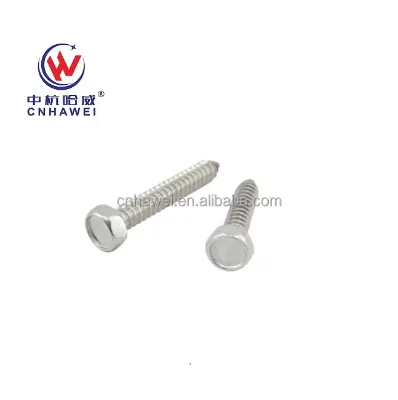
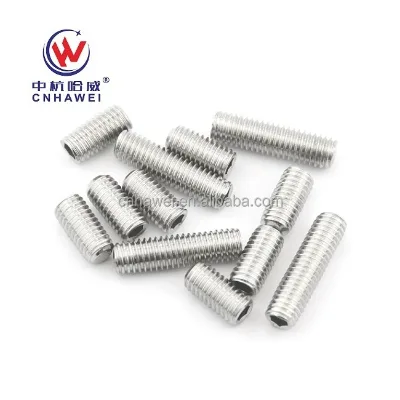
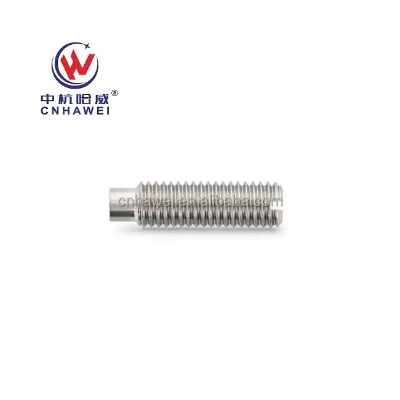
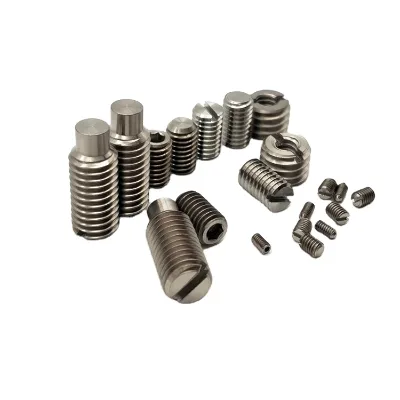
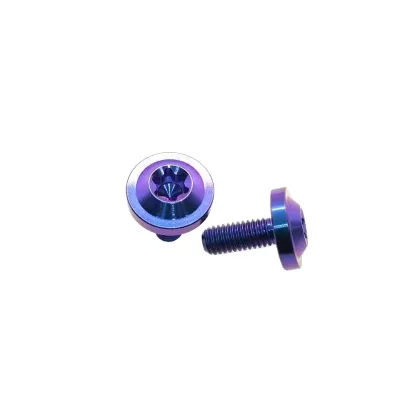
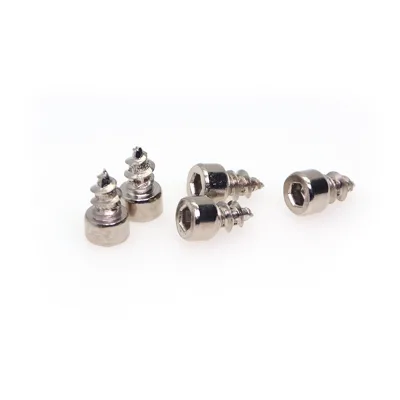
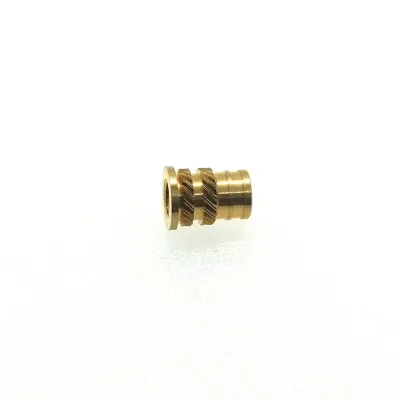


Comprehensive Sourcing Guide
Customized DIN933 Titanium Alloy Screws Sourcing Guide
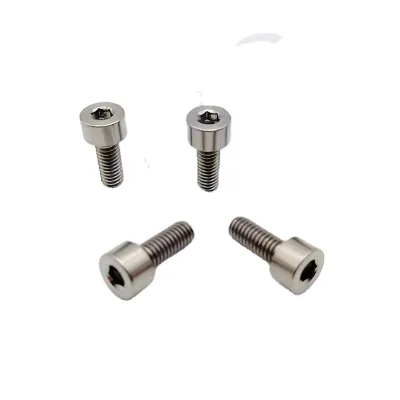
Procuring customized DIN 933 titanium alloy screws requires a precise understanding of material properties and manufacturing capabilities. These fasteners are critical in industries demanding high strength-to-weight ratios and exceptional corrosion resistance. Buyers must distinguish between standard stainless steel options and true titanium alloys, such as TA1, TA2, or TC4, to ensure the component meets specific engineering requirements. The customization aspect allows for tailored thread sizes, lengths, and head styles, which is essential for complex assembly applications where off-the-shelf parts may not fit.
The sourcing landscape for these specialized fasteners is dominated by manufacturers in China, particularly in regions like Guangdong. Suppliers often offer OEM customized services, allowing buyers to specify exact dimensions and surface treatments. It is vital to verify that the supplier can handle the unique machining challenges associated with titanium, which is harder and more gummy than steel. Understanding the supplier’s capacity for precision threading and head forming ensures that the final product will maintain structural integrity under load, preventing premature failure in critical assemblies.
Product Scope and Observed Listing Signals
Market listings for these fasteners reveal a wide range of specifications, with prices observed between $0.02 and $38.45 USD. This variance reflects differences in material grade, size, and surface treatment complexity. Buyers should note that minimum order quantities (MOQ) typically range from 1 to 50,000 units, offering flexibility for both prototyping and large-scale production. The product model numbers vary, with some listings specifying models like 473 or CH-titanium screw-016, indicating diverse manufacturing lines. Understanding these signals helps buyers align their procurement strategy with supplier capabilities and pricing structures.
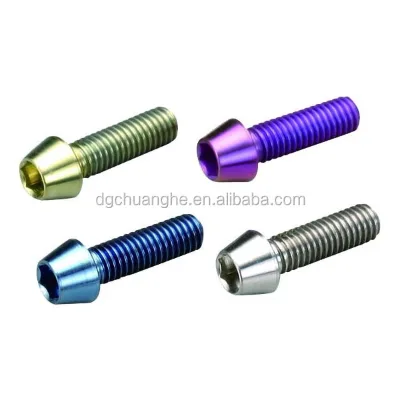
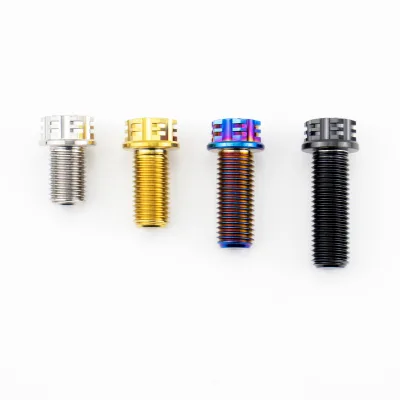
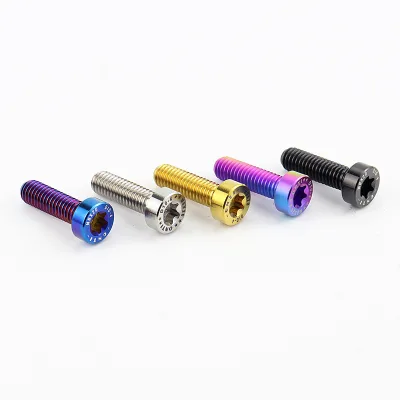
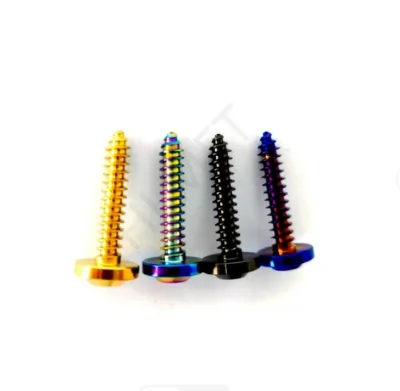
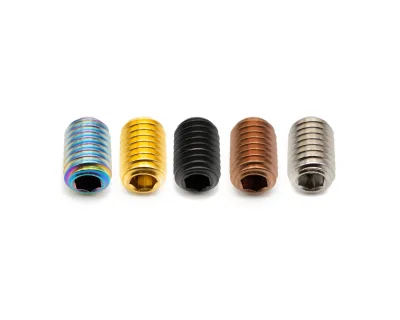
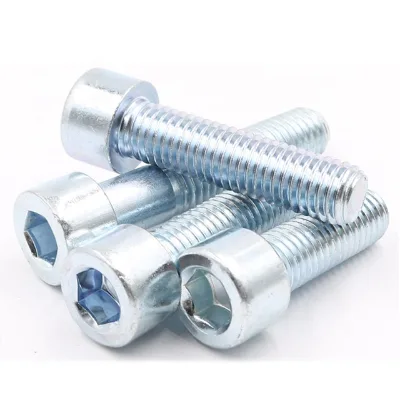
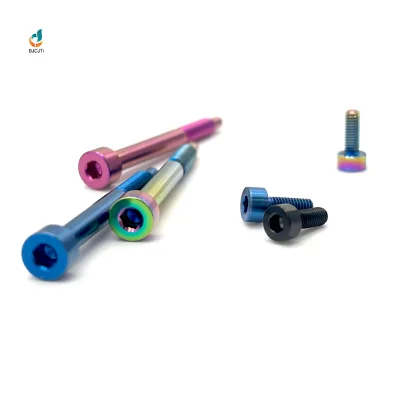
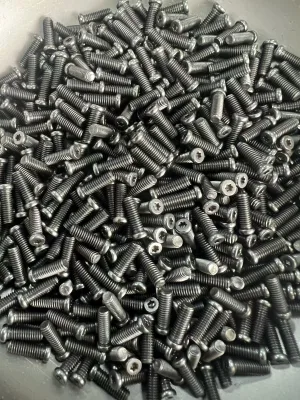
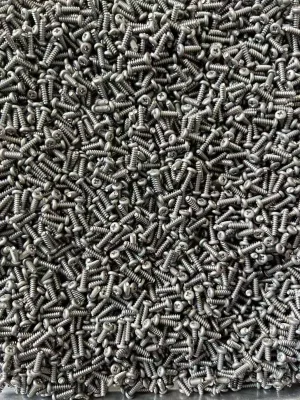
Common attributes include round or pan head styles, with cross grooves for drive compatibility. Materials are frequently listed as stainless steel or titanium, so buyers must explicitly confirm the alloy grade. Surface treatments such as nickel plating, galvanization, or zinc plating are available, though titanium itself offers inherent corrosion resistance. Colors can be customized, including red, green, and blue options, which may be relevant for identification purposes. These observed signals provide a baseline for evaluating supplier listings, but buyers must dig deeper into technical datasheets to confirm suitability for their specific application.
Technical Specifications to Verify
Verifying technical specifications is paramount when sourcing customized titanium screws. Key parameters include thread size, which can range from M2.2 to M76, and length, typically between 1mm and 1000mm. Buyers must confirm the measurement system, as listings may use either inch or metric standards. The head style, whether round, pan, or cheese, must match the assembly design. Additionally, the groove type, often cross-recessed, should be compatible with the driving tools used in production. These details ensure mechanical compatibility and prevent assembly errors.
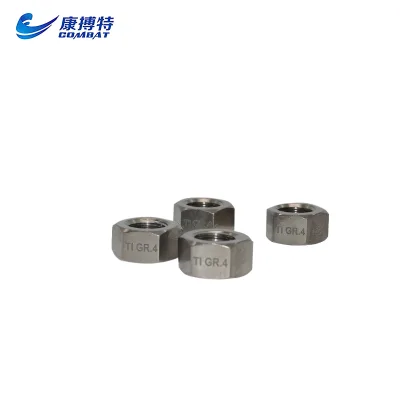
Material grade is another critical verification point. Listings may mention TA1, TA2, or TC4 titanium, each with distinct mechanical properties. TC4, for instance, offers higher strength, while TA1 and TA2 provide better corrosion resistance and formability. Buyers should request material certificates to confirm the grade. Furthermore, surface finish options like black, plain, or nickel-plated should be specified to meet aesthetic or functional requirements. Ensuring these specifications are accurately documented in the purchase order prevents mismatches and ensures the fasteners perform as expected in service.
Compliance and Safety Documentation
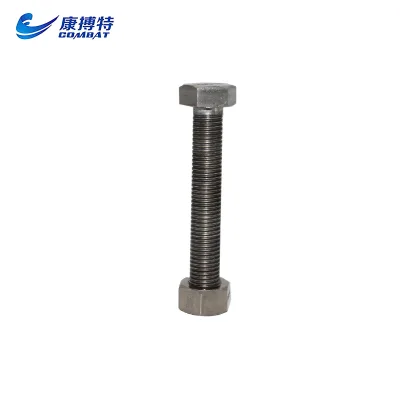
Compliance with international standards is essential for global procurement. Listings often cite standards such as DIN, ANSI, BSW, JIS, GOST, and GB, indicating the manufacturing benchmarks followed. Buyers must verify which specific standard applies to their order, as DIN 933 has specific requirements for hexagon head screws. Additionally, certifications like ISO 9001, ISO 14001, and IATF 16949 suggest a robust quality management system. These certifications indicate that the supplier adheres to consistent processes, which is crucial for maintaining quality across large orders.
Documentation such as EN 10204-3.1b certificates provides traceability of the material properties. Buyers should request these certificates to verify that the titanium alloy meets the specified chemical and mechanical requirements. While some listings mention RoHS or REACH compliance, these are often background claims and should be confirmed with current test reports. Ensuring that the fasteners comply with relevant industry regulations prevents legal issues and ensures safety in applications where failure could have serious consequences. Proper documentation also facilitates smoother customs clearance and quality audits.
Cost Drivers and Commercial Terms
Several factors influence the cost of customized titanium screws. Material costs are significant, as titanium is more expensive than steel. The grade of titanium, such as TC4 versus TA1, also affects pricing. Manufacturing complexity, including custom thread sizes and lengths, adds to the cost. Surface treatments like nickel plating or black oxide finishing require additional processing steps, increasing the unit price. Buyers should expect higher costs for smaller quantities due to setup and tooling expenses.
Commercial terms vary among suppliers. Lead times typically range from 7 to 20 working days, depending on order size and customization level. Sample availability is common, with delivery times of 7-15 days, allowing buyers to test quality before committing to large orders. Packaging is usually done in trays and cartons, with single package sizes around 20x18x16 cm. Buyers should negotiate clear terms for payment, shipping, and returns. Understanding these cost drivers and terms helps in budgeting and planning procurement cycles effectively.
Supplier Qualification and Quality Control
Supplier qualification involves assessing their manufacturing capabilities and quality control processes. Buyers should verify the supplier’s experience with titanium machining, as this material requires specialized tools and techniques. Inquire about their equipment for threading, head forming, and surface treatment. A supplier with a dedicated titanium production line is preferable to one that mixes materials. Additionally, check their quality control protocols, including in-process inspections and final testing. This ensures that every batch meets the specified tolerances and performance criteria.
Requesting references or case studies can provide insight into the supplier’s reliability. Look for suppliers who have experience in industries with high standards, such as aerospace or medical devices. Ask about their defect rate and how they handle non-conforming products. A robust quality control system should include statistical process control and regular audits. Buyers should also consider the supplier’s communication and responsiveness, as these factors impact the smooth execution of the order. Thorough qualification reduces the risk of supply chain disruptions and quality issues.
Long-Term Procurement Checks
Long-term procurement success depends on continuous monitoring and relationship management. Establish regular quality audits to ensure consistent performance. Review supplier performance metrics, such as on-time delivery and defect rates, periodically. Maintain open communication channels to address any issues promptly. Consider diversifying your supplier base to mitigate risks associated with single-source dependencies. Regularly update your technical specifications to reflect any changes in product design or industry standards.
Stay informed about market trends and material price fluctuations. Titanium prices can be volatile, so locking in long-term contracts may offer stability. Evaluate the supplier’s innovation capabilities, as they may offer improved materials or processes over time. Ensure that all compliance documentation remains current, as regulations can change. By proactively managing these aspects, buyers can secure a reliable supply of customized DIN 933 titanium alloy screws, supporting their operational efficiency and product quality over the long term.
FAQs
What materials are used for customized titanium screws?
Customized titanium screws are primarily manufactured using Titanium TA1, TA2, and TC4 alloys. These materials offer high strength-to-weight ratios and excellent corrosion resistance. Buyers can request specific grades to match their application requirements, ensuring optimal performance in demanding industrial environments.
Which standards apply to these fasteners?
These fasteners comply with major international standards including DIN, GB, ANSI, BSW, JIS, and GOST. Additionally, manufacturers often hold ISO9001, ISO14001, and IATF16949 certifications. This ensures consistent quality and allows buyers to select products that meet specific regional or industry regulatory requirements.
Can I get samples before placing an order?
Yes, samples are available for quality verification before bulk production. The typical sample delivery time ranges from 7 to 15 days. This allows buyers to inspect the head style, thread type, and surface treatment, ensuring the customized product meets their exact technical specifications and expectations.
What surface treatments are available for these screws?
Available surface treatments include Nickel plating, Galvanization, Zinc plating, and Black finishes. These options enhance corrosion resistance and aesthetic appeal. Buyers can choose custom colors like red, green, or blue, or specify plain finishes to suit their specific environmental conditions and design preferences.
What is the typical lead time for orders?
The usual delivery time is 7 to 20 working days after order confirmation. This timeframe depends on the order quantity and customization complexity. Standard sizes ship faster, while custom specifications may require additional processing time for threading, coating, and quality inspection before dispatch.
What head styles are offered for these screws?
Common head styles include Round Head, Pan Head, and Cheese Head. The groove type is typically Cross-recessed for easy installation. Buyers can request specific head dimensions and thread types as needed, allowing for precise mechanical integration into various assembly applications and structural requirements.