Source Customized Shoe Display Rack for Retail Shops, Supermarkets, and Boutiques
Find 30 Customized Shoe Display Rack options for retail shops, supermarkets, and boutiques. Compare metal and acrylic models with various shapes, finishes, and sizes to suit your store needs; compare the available evidence and request quotations based on your requirements.
Updated
Key considerations
Products List





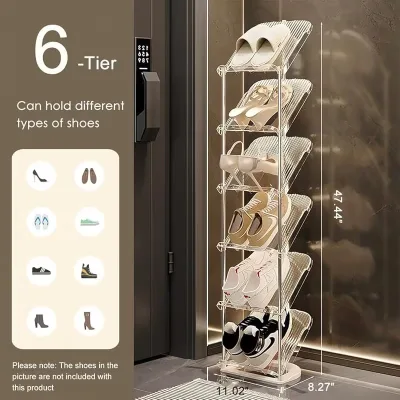
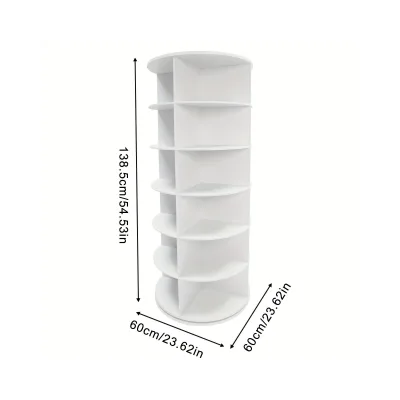


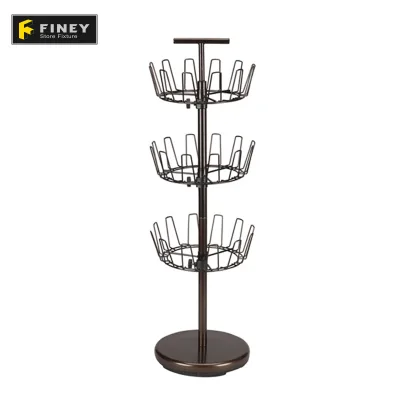
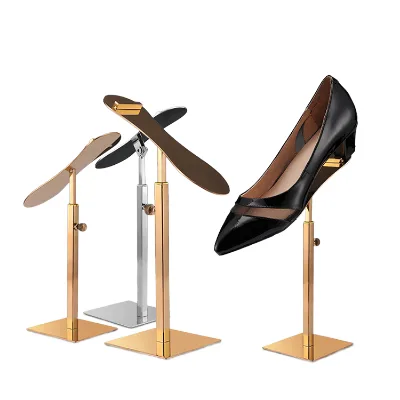
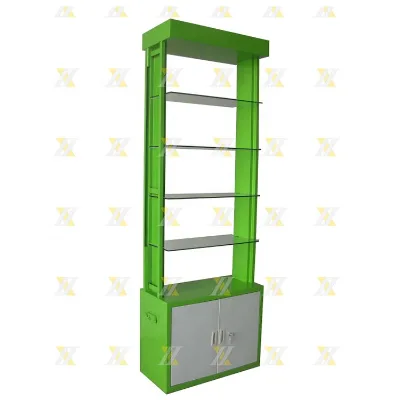
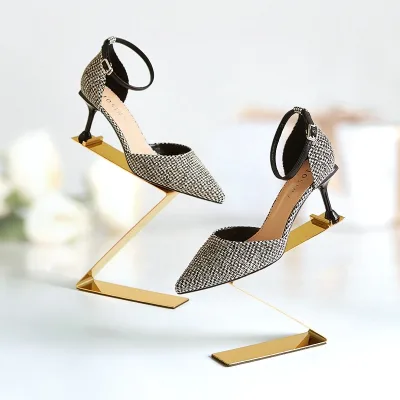
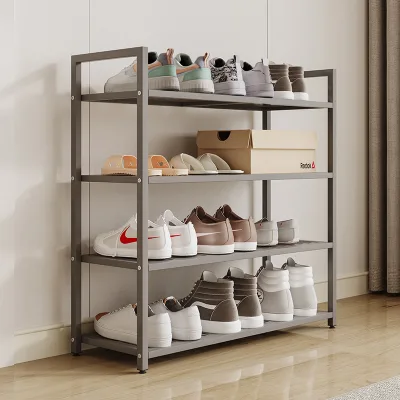
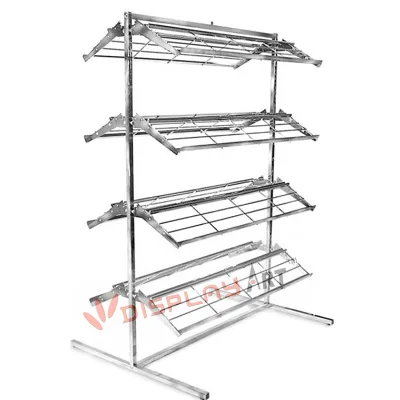
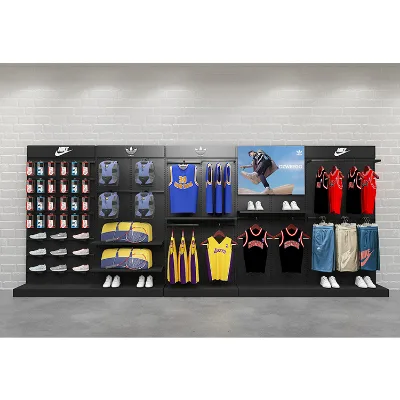


New Design Shoe Wall Display Shoes Shop Furniture Display Rack for Store
$100.00 - $500.00
MOQ: 5 pieces

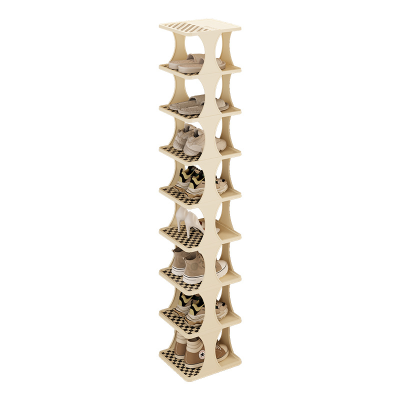


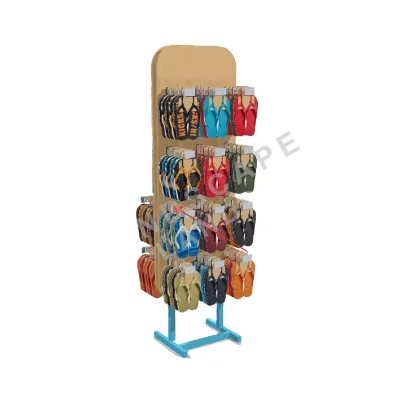
High quality factory customized shoes double side metal stand / display rack for slipper
$28.00 - $32.00
MOQ: 100 Minimum
Comprehensive Sourcing Guide
Customized Shoe Display Rack Sourcing Guide
Sourcing customized shoe display racks requires a strategic approach that balances aesthetic appeal with functional durability. Buyers must first define the specific retail environment, whether it is a high-end boutique, a large department store, or a temporary exhibition space. The visual impact of the rack is critical, as it directly influences customer engagement and product visibility. Understanding the spatial constraints and traffic flow of the retail floor helps in selecting the appropriate form factor, such as floor-standing units or tiered shelving systems.
The customization process allows for significant flexibility in materials, shapes, and finishes to align with brand identity. Common materials observed in the market include metal and acrylic, each offering distinct advantages in terms of weight, transparency, and structural integrity. Buyers should evaluate how these materials interact with lighting and store decor. For instance, metal racks provide a sturdy, industrial look, while acrylic options offer a modern, minimalist aesthetic. The choice of material also impacts the longevity and maintenance requirements of the display unit.
Product Scope and Observed Listing Signals
The current market for customized shoe display racks features a wide variety of designs, including trapezoid, heart, square, hexagon, and oval shapes. These diverse geometries allow retailers to create unique visual narratives that stand out in competitive retail environments. The observed listings indicate a strong trend toward modular and portable designs, which facilitate easy reconfiguration for seasonal changes or promotional events. Buyers should look for suppliers who offer a range of shape options to ensure the display fits seamlessly into their existing store layout.
Place of use is another critical signal, with products often designated for retail shops, supermarkets, and exhibition displays. This versatility suggests that many suppliers are capable of producing units that meet the rigorous demands of high-traffic areas. Additionally, the presence of features like waterproofing and eco-friendly materials indicates a growing emphasis on sustainability and durability. Buyers should verify if the specific rack model they are considering is suitable for their intended environment, particularly if it will be exposed to varying humidity levels or heavy foot traffic.
Technical Specifications to Verify
When evaluating technical specifications, buyers must pay close attention to the finish type and surface treatment options. Common finishes include waxed, laminated, varnished, and polished surfaces, as well as specific color treatments like shiny gold, brushed gold, rose gold, black, and white. These finishes not only affect the visual appeal but also the resistance to scratches and wear. It is essential to request samples to assess the quality of the finish and ensure it meets the brand’s aesthetic standards before placing a large order.
Shelf dimensions and size customization are also key technical factors. Many suppliers offer multi-size or fully customized dimensions to accommodate different shoe sizes and inventory volumes. Buyers should confirm the maximum load capacity and stability of the rack, especially for tiered or floor-type designs. The build method, whether it involves connecting components or a knock-down package, impacts assembly time and shipping costs. Understanding these technical details helps in planning the logistics and installation process efficiently.
Compliance and Safety Documentation
Compliance and safety are paramount when sourcing retail fixtures, particularly those that may be used in public spaces. Buyers should verify if the supplier adheres to recognized standards such as CE, ROHS, and TUV, which indicate adherence to European safety and environmental regulations. These certifications provide assurance that the materials and manufacturing processes meet specific quality and safety benchmarks. It is crucial to request valid certification documents from the supplier to ensure that the products are compliant with local regulations in the destination market.
In addition to certifications, buyers should inquire about the fireproof properties of the display racks, especially if they are made from metal or acrylic. Fire safety is a critical consideration for retail environments, and suppliers should be able to provide test results or material safety data sheets. Furthermore, the packaging details should be reviewed to ensure that the products are protected during transit. Standard safety export packing, such as carton or pallet packaging with bubble film, helps prevent damage and ensures that the racks arrive in perfect condition.
Cost Drivers and Commercial Terms
Cost drivers for customized shoe display racks include the choice of material, the complexity of the design, and the level of customization required. Metal and acrylic materials have different price points, and intricate shapes or special finishes can increase production costs. Buyers should also consider the minimum order quantity (MOQ) and supply ability of the supplier. Some suppliers offer low MOQs, such as one piece, which is beneficial for testing new designs, while others may have higher MOQs for cost efficiency.
Commercial terms such as payment methods, lead times, and shipping arrangements significantly impact the total cost of ownership. Buyers should negotiate clear terms regarding customization fees, tooling costs, and sample charges. The port of dispatch, often Shenzhen for Chinese suppliers, affects shipping costs and transit times. It is advisable to request a detailed quotation that breaks down all costs, including manufacturing, packaging, and logistics, to avoid hidden fees. Understanding these commercial terms helps in budgeting accurately and managing cash flow effectively.
Supplier Qualification and Quality Control
Supplier qualification is a critical step in ensuring the reliability and consistency of customized shoe display racks. Buyers should assess the supplier’s experience, with many reputable manufacturers boasting several years of industry expertise. A track record of successful projects and positive client feedback is a strong indicator of quality and professionalism. Additionally, suppliers that offer OEM and ODM services demonstrate flexibility and a commitment to meeting specific client requirements.
Quality control processes should be clearly defined and communicated to the supplier. Buyers should request information on the supplier’s quality assurance protocols, including in-process inspections and final product checks. The guarantee of quality is a key selling point for many suppliers, but buyers should verify this through third-party inspections if necessary. Establishing a clear communication channel for addressing any quality issues post-delivery is also essential for maintaining a strong supplier relationship and ensuring long-term satisfaction.
Long-Term Procurement Checks
Long-term procurement checks involve monitoring the performance and durability of the customized shoe display racks over time. Buyers should gather feedback from store staff and customers regarding the ease of use, stability, and aesthetic appeal of the racks. This feedback can provide valuable insights for future orders and help in refining the design specifications. Regularly reviewing the condition of the racks in the field allows for proactive maintenance and timely replacements, ensuring a consistent brand image.
Sustainability and recyclability are increasingly important factors in long-term procurement strategies. Buyers should evaluate the environmental impact of the materials used and the supplier’s commitment to eco-friendly practices. Products that are labeled as recyclable or eco-friendly can enhance the brand’s reputation and appeal to environmentally conscious consumers. Additionally, staying updated on industry trends and new material innovations can help buyers make informed decisions that align with evolving market demands and regulatory requirements.
FAQs
What materials are used for customized shoe display racks?
Manufacturers typically use metal or acrylic for these racks. Metal options often feature finishes like waxed, laminated, or polished surfaces. Acrylic variants provide a modern aesthetic. Buyers can select materials based on durability needs and visual style preferences for their retail environment.
Can I get custom sizes for these display units?
Yes, customized sizes are widely available. Suppliers offer multi-size options or fully customized dimensions to fit specific store layouts. This flexibility ensures the rack integrates seamlessly into department stores or boutiques. Buyers should provide exact measurements to ensure the final product meets their spatial requirements.
What is the typical MOQ for these racks?
The minimum order quantity can be as low as one piece. Some suppliers list an MOQ of 1pc, while others may require up to 500 units. This range allows both small boutiques and large chains to order suitable quantities. Buyers should verify the specific MOQ with their chosen manufacturer before placing an order.
Which certifications do these racks typically hold?
Certified products often meet CE, ROHS, and TUV standards. These certifications ensure safety and quality compliance for retail environments. Buyers seeking compliant inventory should request documentation from suppliers. Verifying these standards helps ensure the display racks meet international safety regulations for commercial use.
Where are these racks typically manufactured?
Most units originate from Guangdong or Jiangsu in China. These regions are known for manufacturing retail fixtures. Buyers can expect efficient logistics from ports like Shenzhen. Sourcing from these locations often provides competitive pricing and established supply chains for global distribution.
What styles are available for these display racks?
Available styles include European Modern, Classic, and Floor-type designs. Shapes can be trapezoid, heart, square, hexagon, or oval. Buyers can choose based on their brand aesthetic. Customization is available to match specific boutique or supermarket requirements, ensuring the display enhances the shopping experience.