Commercial Beverage Display Refrigerator Suppliers and Manufacturers
Explore 30 verified suppliers offering commercial beverage display refrigerators with ODM and OEM capabilities. Compare lead times, certifications like CE and RoHS, and pricing from 400 to 1120 USD. Contact suppliers directly to request quotes for specific models; review the available evidence before requesting comparable quotations from suitable candidates.
Updated
Suppliers List

Foshan Yueyueyue Intelligent Technology Co., Ltd.
- Verified by SGS
- Combined
- China Guangdong
- Lead time30 days
- Avg. response≤ 1h
Main productsCommercial Refrigerator, Commercial Freezer, Display Freezer, Display Cooler, Ice Maker, Icecream Maker, Mini Fridge, Beef Cabinet, Air Dryer, Blast Freezer
Main marketsDomestic

Qingdao Enneng Technology Co., Ltd.
- Verified by SGS
- Trading Company
- China Shandong
- Lead time23 days
- Avg. response≤ 3h
Main productsIndustrial Air Conditioner, Precision Air Conditioner, Enclosure Air Conditioner, Cabinet Air Conditioner, Display Refrigerator, Commercial Freezer, Beverage Refrigerator
Main marketsDomestic

Commercial Glass Beverage Refrigerator Energy Drink Display Refrigerator
$340.00 - $420.00
MOQ: 1 Pieces


Commercial Upright Refrigerated Display Cabinet Beverage Cold Drinks Refrigerator
$385.00 - $455.00
MOQ: 1 Pieces

Versatile Commercial Display Refrigerator for Beer and Beverage Storage
$385.00 - $455.00
MOQ: 1 Pieces

Versatile Modern Beverage Refrigerator for Commercial Display of Drinks
$385.00 - $455.00
MOQ: 1 Pieces


Qingdao Senlis Import & Export Co., Ltd.
- Trading Company
- China Shandong
- Lead time0 days
- Avg. response≤ 3h
Main productsRefrigerator, Freezer, Vertical Beverage Display Cabinet, Commercial Refrigerators, Horizontal Freezer, Display Refrigerator, Chest Freezer, Deep Freezer, Display Freezer, Display Showcase


Commercial Upright Refrigerated Beverage Showcase Display Cooler Refrigerator
$230.00 - $250.00
MOQ: 5 Pieces

Commercial Display Fridge Beverage Chiller Drink Fridge Cooler Glass Door Refrigerator
$230.00 - $250.00
MOQ: 5 Pieces


$480.00 - $550.00
MOQ: 5 Pieces

Zibo Ruilang International Trade Co., Ltd.
- Verified by SGS
- Combined
- China Shandong
- Lead time15 days
- Avg. response≤ 4h
Main productsCommercial Induction Cooktop, Induction Pot Cooker, Induction Large-Pot Cooker, Induction Fryer, Induction Noodle Boiler, Induction Griddle, Induction Steam Cabinet, Refrigerator, Display Refrigerator, Freezer
Main marketsDomestic


Commercial Beverage Display Refrigerator Double Door for Beverage Display
$99.00 - $129.00
MOQ: 1 Pieces

Coolssmann Refrigeration Co., Ltd.
- Verified by BV
- Manufacturer/Factory
- China Shandong
- Lead time23 days
- Avg. response≤ 4h
Main productsRefrigerator, Freezer, Fridge, Refrigeration, Commercial Refrigeration, Chiller, Cooler, Refrigeration Equipment, Meat Cooler, Delicase
Main marketsSouth America,Eastern Europe,Mid East,North America,Southeast Asia,Eastern Asia,Oceania,Western Europe,Africa

Commercial Store Beverage Refrigerated Display Cases Commercial Showcase Refrigerator
$1499.00 - $2899.00
MOQ: 2 Pieces

Cold Beverage Display Chiller Doors Commercial Showcase Type Refrigerator
$499.00 - $2280.00
MOQ: 1 Sets

Supermarket Commercial Refrigerator Supermarket Display Showcase Refrigerator Commercial Fridge
$1523.00 - $1828.00
MOQ: 2 Pieces

Beverage Fridge Cooler Drink Display Fridge Freezer Refrigerator Display Chiller
$1499.00 - $2899.00
MOQ: 2 Pieces

Guangzhou Astar Kitchen Equipment Co., Ltd.
- Verified by BV
- Combined
- China Guangdong
- Lead time15 days
- Avg. response≤ 15h
Main productsBakery Equipment, Oven, Kitchen Equipment, Mixer, Baking Oven, Convection Oven, Rotary Oven, Pizza Oven, Refrigerator, Cake Showcase
Main marketsAfrica,Domestic,Europe
Guangzhou Lvyuan Refrigeration Equipment Co., Ltd.
- Manufacturer, Trading Company, Distributor/Wholesaler
- Guangdong, China
- Lead time20 days
- Avg. response≤ 4h
Main productsSupermarket Display Fridge,Open Display Fridge,Glass Door Fridge,Combine Island Freezer,Deli Fridge
Main marketsNorth America(20.00%), Oceania(15.00%), Central America(10.00%), South America(10.00%), South Asia(5.00%), Southern Europe(5.00%), Northern Europe(5.00%), Southeast Asia(5.00%), Western Europe(5.00%), Eastern Asia(5.00%), Mid East(5.00%), Eastern Europe(5.00%), Africa(5.00%)

Foshan Shunde Ruibei Refrigeration Equipment Co., Ltd.
- Verified by SGS
- Combined
- China Guangdong
- Lead time60 days
- Avg. response≤ 4h
Main productsUpright Cooler, Upright Freezer, Display Refrigerator, Refrigerator Showcase, Ice Merchandisers, Back Bar Cooler, Multi-Door Display Cooler, Open Chiller, Island Freezer, Fresh Meat Display Refrigerator
Main marketsDomestic


Supermarket Beverage Fridge Display Freezer Commercial Fridge Upright Refrigerator
$187.00 - $357.00
MOQ: 5 pcs


Guangzhou ITO Catering Equipment Co., Ltd.
- Manufacturer, Trading Company
- Lead time旺季: "1 - 100":31,"> 100":"To be negotiated", 淡季: "1 - 100":31,"> 100":"To be negotiated"
- Avg. response≤ 2h
Main productsFryer/Oven/Ice Cream Machine/Beverage Dispenser/Popcorn Machine
Guangzhou Shinelong Kitchen Equipment Co., Ltd.
- Verified by SGS Group
- Trading Company
- Lead time14 days
- Avg. response≤ 4h
Main productsCooking Equipment, Refrigeration Equipment, Fast Food Equipment, Bakery Equipment, Commercial Kitchen Solutions
Main marketsAfrica(40%), Southeast Asia(30%), Mid East(10%)

Qingdao Yunlei Electric Applicance Co., Ltd.
- Verified by TUVRHEINLAND
- Manufacturer/Factory
- China Shandong
- Lead time45 days
- Avg. response≤ 6h
Main productsShowcase, Freezer, Refrigerator, Ice Maker Microwave, Oven Air-Cooled Glass Cabinet, Kitchen Equipment, Kitchen Fridge, Air-Cooled Glass Cabinet, Cooling Workbench, Stainless Steel Stove
Main marketsSouth America,Eastern Europe,Mid East,North America,Southeast Asia,Eastern Asia,Oceania,Western Europe,Africa


Refrigeration Equipment Commercial Refrigerator Commercial Freezer Display Fridge
$90.00 - $350.00
MOQ: 50 Pieces


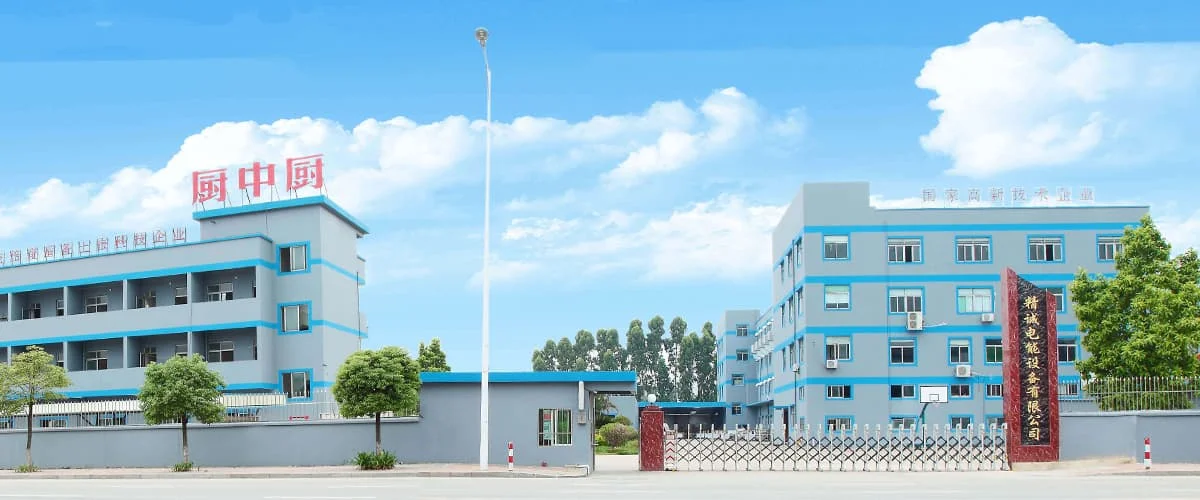
Dongguan Jingcheng Electric Energy Equipment Co., Ltd.
- Manufacturer, Trading Company
- Guangdong, China
- Lead time15 days
- Avg. response≤ 4h
Main productsCommercial Cooking Equipment,Commercial Refrigerators and Freezers,Commercial Water Purifier System,Restaurant Range Hood,Smart Dish Washer
Main marketsDomestic Market(30.00%), Southeast Asia(20.00%), Oceania(10.00%), Eastern Asia(10.00%), Southern Europe(6.00%), Western Europe(5.00%), Mid East(5.00%), South America(4.00%), South Asia(3.00%), North America(3.00%), Northern Europe(3.00%), Eastern Europe(1.00%)
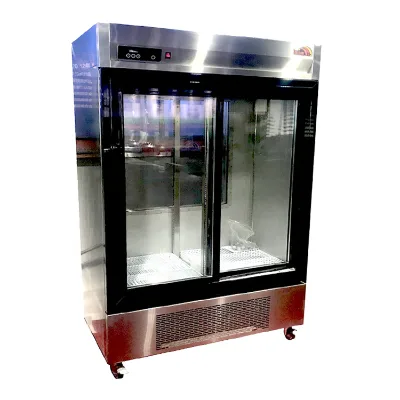
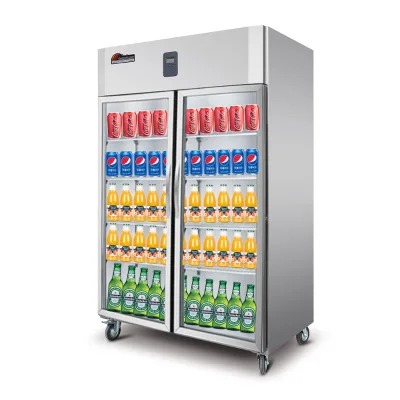
Showcase Chiller Freezer Supermarket Display Fridge Exhibidoras Frigorifico Wine and Beverage Cooler
$1190.00 - $1290.00
MOQ: 1 pieces

Shangdong Boxing Changtai Environmental Protection Technology Co., Ltd.
- Verified by CTI
- Combined
- China Shandong
- Lead time15 days
- Avg. response≤ 3h
Main marketsSouth America,Southeast Asia/ Mideast,Domestic,Europe,North America

Commercial Beverage Display Refrigerator Wine Beer Cooler Showcase Fridge
$83.76 - $105.94
MOQ: 1 Pieces

Commercial Glass Door Display Refrigerator Beverage Beer Cooler Showcase Fridge
$236.50 - $300.29
MOQ: 1 Pieces

High Quality Commercial Glass Display Showcase Drink Refrigerator for Sale
$47.78 - $147.76
MOQ: 1 Pieces

Commercial Fridge Chiller Glass Door Display Showcase Drink Beverage Cooler Refrigeration
$47.78 - $147.76
MOQ: 1 Pieces

Hubei Changcai Electromechanical Co., Ltd.
- Manufacturer, Trading Company
- Hubei, China
- Lead time20 days
- Avg. response≤ 9h
Main productsfood steamer showcase,refrigerator display,kanto cooking machine,warmer display,drink warmer showcase
Main marketsDomestic Market(85.00%), Southeast Asia(10.00%), Mid East(5.00%)
Guangdong Grace Kitchen Equipment Co., Ltd.
- Manufacturer, Trading Company
- Lead time旺季: "1 - 50":7,"51 - 100":15,"> 100":"To be negotiated", 淡季: "1 - 50":7,"51 - 100":15,"> 100":"To be negotiated"
- Avg. response≤ 2h
Main productsKitchen Equipment, Bakery Equipment, Buffet Equipment, Snack Equipment, Stainless Steel Customized Products
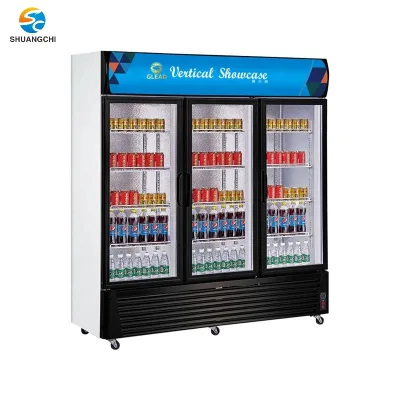
Guangzhou Glead Kitchen Equipment Co., Ltd.
- Manufacturer, Trading Company
- Lead time旺季: "1 - 1":16,"2 - 10":25,"> 10":"To be negotiated", 淡季: "1 - 1":16,"2 - 10":25,"> 10":"To be negotiated"
- Avg. response≤ 9h
Main productsOne Stop Kitchen Solution,Cooking Equipment,Bakery Equipment,Fast Food Equipment,Refrigeration Equipment
Foshan Xuehu Refrigeration Equipment Co., Ltd.
- Manufacturer
- Guangdong, China
- Lead time15 days
- Avg. response≤ 3h
Main productsfreezer,Quick freezer,Liquid nitrogen tank,Ice machine,Popsicle machine
Main marketsMid East(40.00%), North America(30.00%), Southeast Asia(20.00%), Central America(10.00%)
Shanghai Keshi Refrigeration Equipment Co., Ltd.
- Verified by TüVRheinland
- Manufacturer, Trading Company
- Lead time7 days
- Avg. response≤ 3h
Main productsIce Cream Machine, Orange Juicer, Slush Machine, Ice Machine, Juice Dispenser
Main marketsWestern Europe(30%), Domestic Market(30%), North America(20%)
Zhongshan Lintee Cold Chain Equipment Co., Ltd.
- Manufacturer, Trading Company
- Guangdong, China
- Lead time25 days
- Avg. response≤ 4h
Main productsMulti Decks Refrigerator,Glass Door Freezer,Meat Display Chiller,Cold Freezer Room,Supermarket Cooler
Main marketsDomestic Market(50.00%), Southeast Asia(10.00%), Africa(10.00%), Mid East(10.00%), Northern Europe(5.00%), North America(3.00%), Southern Europe(3.00%), Western Europe(3.00%), Eastern Europe(3.00%), South America(3.00%)
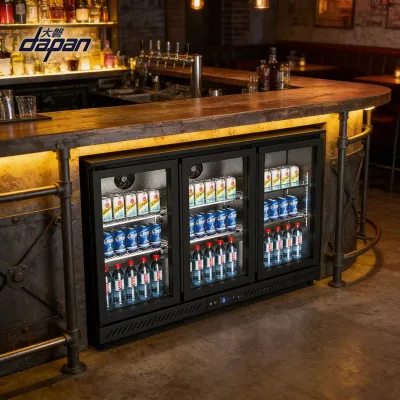
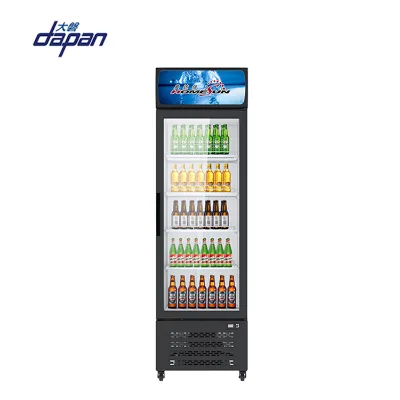
Da Pan Electric Appliance Ind. Co., Ltd.
- Verified by SGS Group
- Manufacturer, Trading Company
- Lead time45 days
- Avg. response≤ 1h
Main productsRefrigerator, Wine Cooler, Commercial Refrigerator, Cigar Humidor, Car Fridge
Main marketsNorth America(20%), Northern Europe(16%), Southeast Asia(10%)

Shandong Xinrong Refrigeration Co., Ltd
- Verified by SGS
- Trading Company
- China Shandong
- Lead time15 days
- Avg. response≤ 3h
Main marketsEurope

Glass Door Refrigerator with Commercial Quality for Beverage Display
$1185.00 - $1895.00
MOQ: 1 Pieces

Upright Beverage Display Refrigerator for Efficient Retail Beverage Storage
$299.00 - $599.00
MOQ: 1 Pieces


Beverage Display Refrigerator with Selectable Colors for Supermarkets
$1185.00 - $1895.00
MOQ: 1 Pieces
Hangzhou Shuaizheng Technology Co., Ltd.
- Verified by TüVRheinland
- Manufacturer, Trading Company
- Lead time30 days
- Avg. response≤ 5h
Main productsMalatang Display Cabinet, Skewer Display Cabinet, Standard Ordering Cabinet, Air Curtain Cabinet, Step Ladder Cabinet
Main marketsDomestic Market(90%), Eastern Asia(7%), South America(3%)

Beijing Weilan Technology Development Co., Ltd.
- Verified by SGS
- Trading Company
- China Beijing
- Lead time15 days
- Avg. response≤ 2h
Main productsCombination Island Freezer, Vertival Refrigerator/Freezer, Multi-Deck Display Refrigerator, Fresh Meat Refrigerator, Deli Refrigerator, Ice Makers, Cake Showcase, Flower Showcase, Kitchen Refrigeration Series Equipment, Cold Storage Units
Main marketsDomestic

Commercial Upright Refrigerator Display Cooler Beverage Fridge with Glass Door
$217.29 - $489.43
MOQ: 1 Pieces

Beverage Showcase Refrigerator Chiller Upright Fridge Cooler Display Freezer for Store
$217.29 - $489.43
MOQ: 1 Pieces
Da Pan Electric Appliance Ind. Co. Ltd.
- Verified by SGS Group
- Manufacturer, Trading Company
- Lead time35 days
- Avg. response≤ 4h
Main productsCommercial Display Fridge, Back Bar Cooler, Ice Maker Machine, Freezing Display Fridge, Commercial Wine Cooler
Main marketsNorthern Europe(16%), North America(10%), Southeast Asia(10%)

Guangzhou Sunrry Kitchen Equipment Co., Ltd.
- Verified by CTI
- Trading Company,Manufacturer/Factory
- China Guangdong
- Lead time30 days
- Avg. response≤ 3h
Main productsCommercial Kitchen Solutions, Turnkey Kitchen Solutions, Catering Equipment, Restaurant Equipment, Commercial Refrigeration Equipment, Commercial Bakery Equipment, Commercial Cooking Equipment, Stainless Steel Equipment, Commercial Food Prep Equipment, Commercial Kitchen Equipment
Main marketsSouth America,Eastern Europe,Mid East,North America,Southeast Asia,Eastern Asia,Oceania,Western Europe,Africa
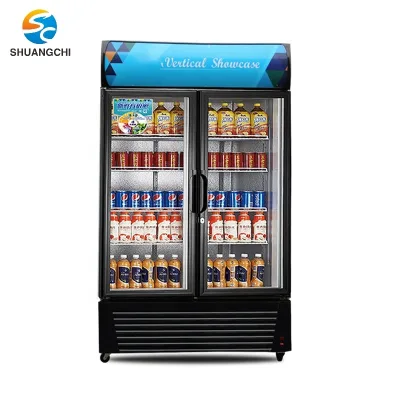
GUANGDONG SHUANGCHI DINING EQUIPMENT CO.,LTD
- Verified by Intertek
- Manufacturer, Trading Company
- Lead time25 days
- Avg. response≤ 1h
Main productsHot-Dog Grill, Fryer, Baking Oven, Food Warmer, Shawarma Machine
Main marketsSoutheast Asia(16%), South America(13%), Mid East(11%)
FOSHAN LIBOSA HOTEL SUPPLIES CO., LTD.
- Manufacturer, Trading Company
- Guangdong, China
- Lead time15 days
- Avg. response≤ 2h
Main productsoven,mixer,proffer,ice maker,cakeshowcase
Main marketsMid East(20.00%), Eastern Europe(10.00%), South America(10.00%), North America(10.00%), Southeast Asia(5.00%), Domestic Market(5.00%), South Asia(5.00%), Southern Europe(5.00%), Northern Europe(5.00%), Central America(5.00%), Western Europe(5.00%), Eastern Asia(5.00%), Oceania(5.00%), Africa(5.00%)
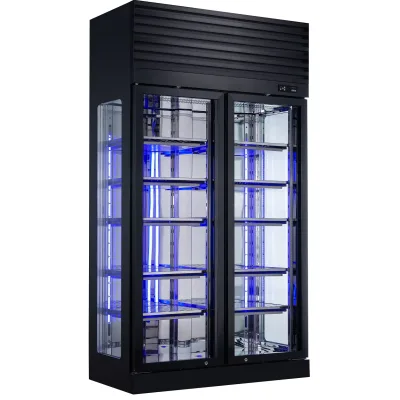
new style display refrigerator for beaf
$1783.7285 - $2183.9642
Lubolanshi (liaoning) Import And Export Co., Ltd.
- Verified by TüVRheinland
- Manufacturer, Trading Company
- Lead time30 days
- Avg. response≤ 1h
Main productsCooking Equipment, Refrigeration Equipment, Baking Equipment, Stainless Steel Kitchen Equipment, Commercial Kitchen Equipment
Main marketsNorth America(15%), Mid East(15%), South America(10%)
Qingdao Geling Electric Appliance Co., Ltd.
- Verified by SGS Group
- Manufacturer, Trading Company
- Lead time0 days
- Avg. response≤ 3h
Main productsIce Cream Freezer, Vertical Freezer, Salad Bar, Island Freezer, Display Refrigerator
Main marketsWestern Europe(30%), Mid East(30%), North America(20%)
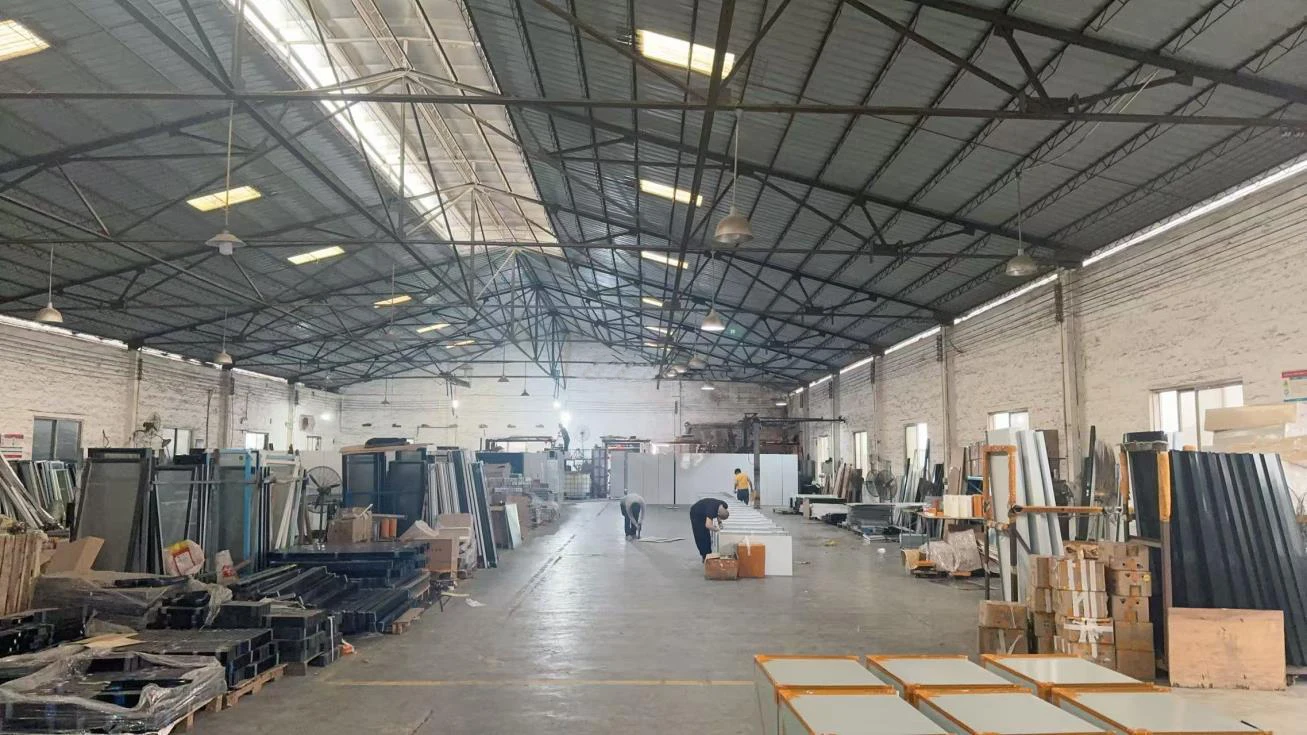
Foshan Belli Commercial Refrigeration Equipment Co., Ltd.
- Manufacturer
- Guangdong, China
- Lead time15 days
- Avg. response≤ 1h
Main productsCommercial beer cabinet,Commercial display cabinet,Commercial kitchen cabinet,Commercial bar refrigerator,Commercial refrigerator
Main marketsAfrica(1.00%)


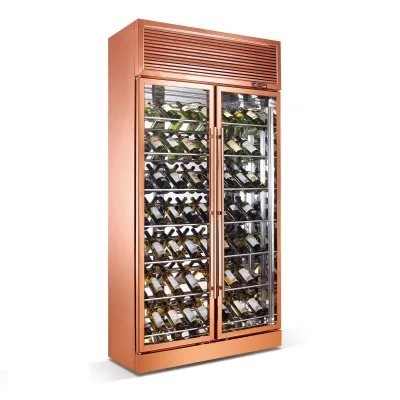
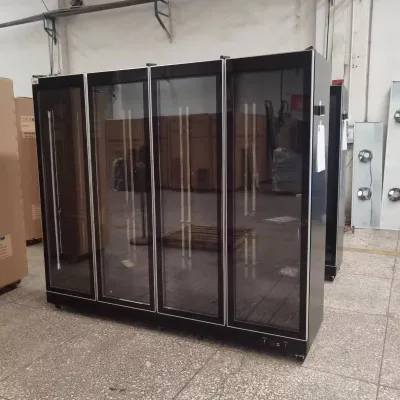
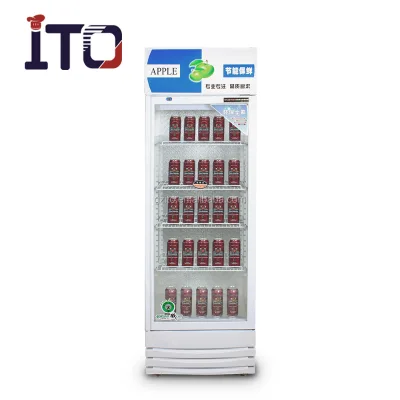


Comprehensive Sourcing Guide
Commercial Beverage Display Refrigerator Supplier Concentration and Factory Types
The current supplier landscape for commercial beverage display refrigerators is heavily concentrated in China, with Guangdong identified as a primary manufacturing hub. This regional clustering suggests a mature supply chain ecosystem where specialized component suppliers, such as compressors and glass manufacturers, are geographically proximate to final assembly plants. Buyers evaluating potential partners should recognize that this concentration often correlates with established logistics networks and a high density of factories capable of handling both domestic and international orders. The presence of combined company types indicates that many entities in this region operate as hybrid firms, blending manufacturing capabilities with trading functions. This structure allows for greater flexibility in order fulfillment, as these suppliers can manage production schedules internally while leveraging trading arms for broader market reach and customer service. Understanding this dynamic is crucial for buyers who need to distinguish between pure manufacturers and trading companies, as the latter may offer different advantages in communication and order management, even if they do not own the physical production lines.
Within this Guangdong-centric cluster, suppliers frequently offer a wide array of related products, including commercial freezers, ice makers, and blast freezers, alongside the core beverage display units. This product diversity often signals a factory’s ability to share production lines and engineering resources, which can lead to more consistent build quality across different equipment types. Buyers should note that many of these combined entities support both OEM and ODM services, indicating a robust engineering team capable of customizing designs or adapting existing models to specific brand requirements. The availability of customization options, such as adjustable temperatures and various door configurations, is a direct result of this flexible manufacturing setup. When assessing suppliers in this region, it is beneficial to look for those that explicitly state their capacity for original design manufacturing, as this suggests a higher level of technical proficiency and the ability to solve complex engineering challenges. This capability is particularly valuable for buyers seeking unique product features or specific aesthetic modifications that standard off-the-shelf models cannot provide.
How to Verify Commercial Beverage Display Refrigerator Suppliers
Verifying the legitimacy and capability of Commercial Beverage Display Refrigerator suppliers requires a multi-layered approach that goes beyond simple profile reviews. One critical step is to check for third-party verification badges, such as SGS, which can provide an additional layer of confidence regarding the supplier’s business operations and product quality standards. While system certifications like ISO may not always be explicitly listed in initial search results, the presence of product-specific certifications such as CE, RoHS, ISO, CCC, CB, SASO, EMC, GS, and ETL is a strong indicator of compliance with international safety and environmental regulations. Buyers should carefully review these certification lists to ensure they align with the target market’s legal requirements, as missing certifications can lead to customs delays or product recalls. It is also advisable to request copies of these certificates directly from the supplier to verify their validity and expiration dates, ensuring that the claims made in the product listings are accurate and up-to-date.
Beyond certifications, buyers should assess the supplier’s responsiveness and operational efficiency as proxies for their reliability. A response time metric, such as the observed average of 0.96, can indicate how quickly a supplier engages with potential inquiries, which is crucial for maintaining momentum in the sourcing process. Slow response times may suggest poor communication practices or a lack of dedicated sales support, which can become problematic during post-order issues. Additionally, verifying the supplier’s production capacity and lead times is essential for planning inventory and meeting customer demand. Buyers should inquire about the typical lead time for both standard and customized orders, as these can vary significantly based on production volume and complexity. It is also important to confirm whether the supplier offers escrow services or other secure payment methods, which can provide financial protection and ensure that funds are only released upon satisfactory delivery of the goods. These verification steps help mitigate risks and ensure that the chosen supplier is both capable and trustworthy.
What to Compare Across Commercial Beverage Display Refrigerator Suppliers
When evaluating multiple suppliers for commercial beverage display refrigerators, buyers should focus on comparing key operational metrics such as lead times, minimum order quantities (MOQs), and pricing structures. The observed lead time of 30 days provides a baseline for production schedules, but buyers should verify if this duration applies to all models or only specific configurations. Similarly, MOQs can vary significantly, with some suppliers requiring as few as 20 units, which is advantageous for smaller buyers or those testing new markets. Comparing these thresholds helps buyers determine which suppliers align with their volume capabilities and financial constraints. Pricing is another critical factor, with ranges observed from approximately $800 to $1,120 per unit depending on the model and specifications. Buyers should request detailed quotes that break down costs for different features, such as glass door types, cooling systems, and customization options, to ensure they are getting the best value for their specific requirements.
In addition to operational metrics, buyers should compare the technical specifications and features offered by different suppliers. Key attributes to evaluate include temperature control systems, defrost types, and energy efficiency ratings. For instance, some models may feature smart thermostats and frost-free defrosting, while others rely on manual defrost and basic temperature controls. The cooling type, whether air cooling or direct cooling, also impacts performance and maintenance requirements. Buyers should also consider the physical dimensions and capacity of the units, as these factors influence shelf space and storage efficiency in retail environments. Customization options, such as color choices, door styles, and internal shelving configurations, can further differentiate suppliers. By creating a comparison matrix that includes these technical and operational details, buyers can make more informed decisions and select suppliers that best meet their specific business needs and customer expectations. This structured approach ensures that all critical aspects of the product and supplier relationship are thoroughly evaluated.
Common Commercial Beverage Display Refrigerator Sourcing Risks
One significant risk in sourcing commercial beverage display refrigerators is the potential discrepancy between advertised specifications and actual product performance. Buyers must be cautious of suppliers who may exaggerate features such as energy efficiency, noise levels, or temperature stability. For example, while some suppliers claim low noise levels, the actual decibel output may vary depending on the operating environment and compressor quality. Similarly, claims about energy-saving features should be verified through independent testing or certification documents, as these can significantly impact long-term operational costs. Another risk is the variability in build quality, particularly regarding materials used for the cabinet, glass doors, and internal components. Buyers should request samples or detailed product specifications to assess the durability and finish of the units, as poor quality materials can lead to premature failure and customer dissatisfaction. It is also important to verify the source of critical components, such as compressors, to ensure they are from reputable manufacturers and meet the required standards.
Logistical and compliance risks are also prevalent in this category, particularly when dealing with international shipments. Buyers must ensure that the supplier can provide all necessary documentation for customs clearance, including accurate product descriptions, harmonized system codes, and compliance certificates. Failure to do so can result in delays, additional fees, or even the seizure of goods. Additionally, buyers should be aware of the risks associated with customization orders, as these can introduce complexities in production and quality control. Suppliers may struggle to maintain consistency when producing custom designs, leading to variations in appearance or functionality. To mitigate these risks, buyers should establish clear communication channels and request detailed production plans and quality assurance protocols before placing large orders. It is also advisable to include specific quality standards and inspection criteria in the purchase agreement to ensure that the final products meet the agreed-upon specifications. By proactively addressing these risks, buyers can protect their interests and ensure a smoother sourcing process.
Commercial Beverage Display Refrigerator Regional Sourcing and Logistics
Sourcing commercial beverage display refrigerators from regional hubs like Guangdong offers distinct logistical advantages, primarily due to the area’s well-developed infrastructure and proximity to major shipping ports. This geographic concentration facilitates efficient transportation of goods, reducing transit times and costs for international buyers. However, buyers must also consider the complexities of managing logistics from this region, including customs regulations, import duties, and local handling procedures. It is crucial to work with suppliers who have experience in exporting to the buyer’s target market, as they can provide valuable guidance on documentation and compliance requirements. Additionally, buyers should evaluate the supplier’s packaging methods to ensure that the refrigerators are protected during transit, as these units are often large and fragile. Proper packaging, such as foam, film, carton, and wooden pallets, is essential to prevent damage and ensure that the products arrive in perfect condition.
Furthermore, buyers should assess the supplier’s ability to handle different shipping modes, such as sea freight, air freight, or express courier services, depending on the urgency and volume of the order. Sea freight is typically the most cost-effective option for large orders, while air freight may be necessary for urgent or smaller shipments. Buyers should also consider the impact of seasonal fluctuations on shipping rates and availability, as peak seasons can lead to capacity constraints and higher costs. It is advisable to establish a long-term relationship with the supplier to secure better shipping terms and prioritize capacity during busy periods. Additionally, buyers should explore options for consolidating shipments from multiple suppliers to reduce overall logistics costs. By carefully planning and managing the logistics aspect of sourcing, buyers can optimize their supply chain and ensure timely delivery of commercial beverage display refrigerators to their customers. This proactive approach helps mitigate potential disruptions and enhances overall operational efficiency.
Commercial Beverage Display Refrigerator Commercial Terms and Order Planning
Effective order planning for commercial beverage display refrigerators requires a clear understanding of commercial terms, including payment structures, warranty policies, and after-sales support. Buyers should negotiate favorable payment terms, such as partial upfront payments with the balance due upon shipment or delivery, to balance risk and cash flow. It is also important to clarify the warranty period and coverage, as well as the process for claiming repairs or replacements in case of defects. Suppliers that offer comprehensive warranty support and readily available spare parts can significantly reduce downtime and maintenance costs for buyers. Additionally, buyers should inquire about the supplier’s return and refund policies, as these can provide a safety net in case the products do not meet the agreed-upon specifications. Establishing clear commercial terms upfront helps prevent misunderstandings and ensures a smooth transaction process for both parties.
Beyond immediate transactional terms, buyers should consider the long-term relationship with the supplier, including potential for future collaborations and volume discounts. Suppliers that demonstrate flexibility and willingness to accommodate changing requirements are often more valuable partners in the long run. Buyers should also evaluate the supplier’s ability to provide technical support and training, which can be crucial for installing and maintaining the refrigerators effectively. Furthermore, buyers should assess the supplier’s commitment to innovation and product development, as this can indicate their ability to stay competitive and offer updated models in the future. By focusing on these broader commercial aspects, buyers can build a resilient and sustainable sourcing strategy that supports their business growth. This holistic approach ensures that the supplier relationship is not just transactional but strategic, providing ongoing value and support throughout the product lifecycle.
FAQs
What is the price range for commercial beverage display refrigerators?
Prices typically range from $400 to $1,120 per unit depending on capacity and features. Larger models with higher gross capacity, such as 1800L or 2110L units, generally command higher prices. Smaller or standard configurations may start near $800. Buyers should verify specific pricing based on the selected model and customization requirements.
What certifications are available for these refrigerators?
Products commonly hold CE, RoHS, ISO, CCC, CB, SASO, EMC, GS, and ETL certifications. These ensure compliance with international safety and quality standards for commercial use. Buyers should confirm specific certification requirements for their target market, as availability may vary by model and region. Verification services like SGS are also available for quality assurance.
What is the minimum order quantity for these units?
The minimum order quantity is typically 20 units. This standard MOQ applies to most commercial beverage display refrigerators listed. Buyers seeking smaller quantities should contact suppliers directly to discuss flexibility. Bulk orders may offer better pricing advantages and streamlined logistics for large-scale commercial deployments.
How long does production take?
Standard lead times are approximately 30 days. This timeframe covers manufacturing, quality control, and preparation for shipment. Custom OEM or ODM orders may require additional time for design and prototyping. Buyers should confirm exact delivery schedules with suppliers to align with their operational timelines and inventory needs.
Can I customize the design or capacity?
Yes, customization is available for both OEM and ODM requirements. Buyers can select specific sizes, colors, and configurations to meet their brand needs. Options include custom dimensions, lighting systems, and door types. Suppliers support tailored solutions for commercial applications, ensuring the final product fits specific retail or hospitality environments.
Where are these suppliers located?
Suppliers are primarily located in Guangdong, China. This region is a major hub for commercial refrigeration equipment manufacturing. Buyers can expect efficient supply chain logistics from this area. Specific origins may include Shunde, known for high-quality appliance production. Geographic proximity to ports facilitates international shipping and export processes.