Four Wheel Shopping Basket Suppliers and Manufacturers
Source 28 verified Four Wheel Shopping Basket suppliers from China Jiangsu. Compare lead times, MOQs, certifications, and prices to find the right partner. Contact suppliers directly to request samples and quotes; review the available evidence before requesting comparable quotations from suitable candidates.
Updated
Suppliers List

Suzhou Yuanda Commercial Products Co., Ltd.
- Verified by SGS
- Combined
- China Jiangsu
- Lead time15 days
- Avg. response≤ 7h
Main productsShelf, Warehouse Duty Rack, Shopping Trolley, Shopping Basket, Logistic Cart, Stacking Storage Cage, Cashier, Locker, Vegetable Rack, Promotion Table
Main marketsNorth America


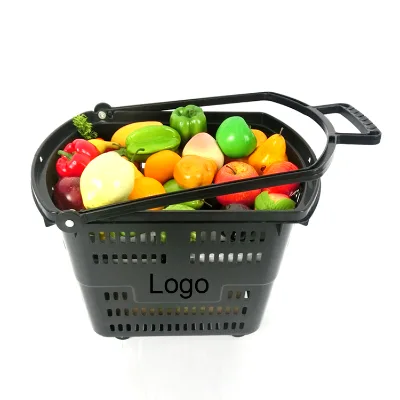
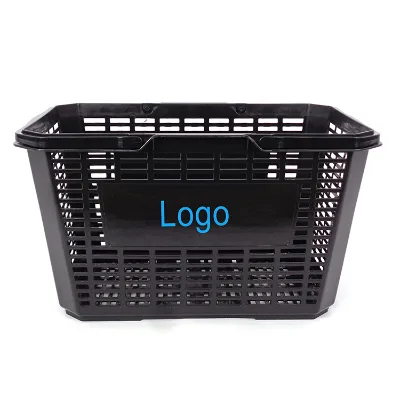
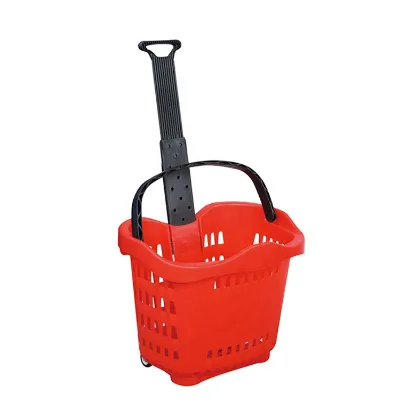
Large Shopping Basket for Supermarket, Four Wheels Trolley Basket for Stores
$6.50 - $8.50
MOQ: 100 Pieces


Suzhou Highbright Enterprise Limited
- Combined
- China Jiangsu
- Lead time30 days
- Avg. response≤ 5h
Main productsShopping Trolley, Shopping Cart, Gondola Shelf, Display Shelf, Shop Fittings, Store Fixtures, Roll Container, Shopping Basket, Checkout Counter, Swing Gate
Main marketsSouth America,Africa,Southeast Asia/ Mideast,East Asia(Japan/ South Korea),Europe,Australia,North America

Suzhou Malltek Supply China Co., Ltd.
- Verified by BV
- Trading Company
- China Jiangsu
- Lead time15 days
- Avg. response≤ 2h
Main productsShopping Trolley, Shopping Bakset, Airport Trolley, Supermarket Cart, Supermarket Shelf, Mannequin, Wire Container, Storage Rack, Shopping Cart, Checkout Counter
Main marketsSouth America,Africa,Others(foreignTradeCapacity.exportBusinessCapacityMarketOther),Southeast Asia/ Mideast,East Asia(Japan/ South Korea),Europe,Australia,North America
Yiwu Hotter Commercial Equipment Co., Ltd.
- Verified by SGS Group
- Manufacturer, Trading Company
- Lead time10 days
- Avg. response≤ 5h
Main productsCheckout Counter, Shelves, Storage Shelves, Supermarket Shelves, Trolley
Main marketsNorth America(30%), Western Europe(15%), South America(5%)
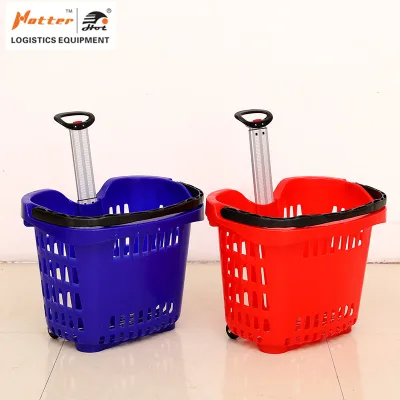
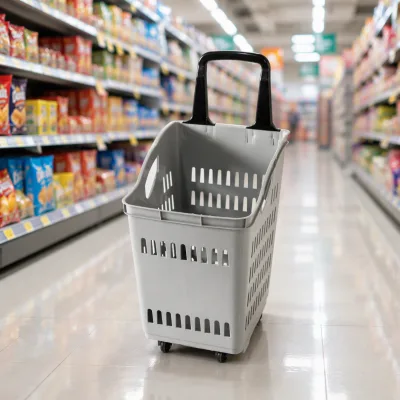
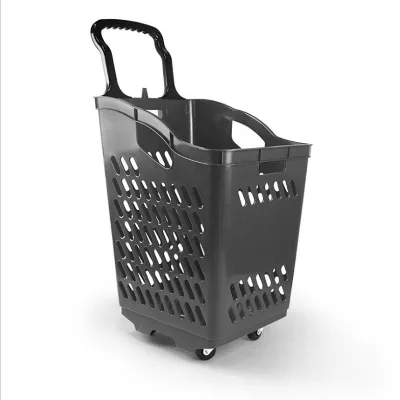
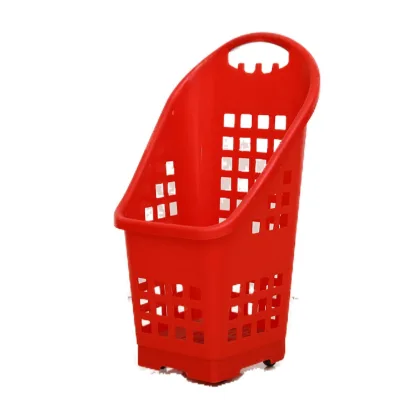
Best Sell Wholesale Large Capacity High Back Shopping Basket with Four Wheels
$10.00 - $11.00
MOQ: 100

Suzhou Shunhong Metallic Products Co., Ltd.
- Trading Company,Manufacturer/Factory
- China Jiangsu
- Lead time23 days
- Avg. response≤ 8h
Main productsShopping Cart, Roll Container, Warehouse Trolley, Storage Cage, Shopping Basket, Shopping Trolley, Supermarket Cart, Hand Push Cart, Wire Mesh Cages, Checkout Counter
Main marketsSouth America,Eastern Europe,Mid East,North America,Southeast Asia,Eastern Asia,Oceania,Western Europe,Africa

$10.00 - $15.00
MOQ: 200 Pieces


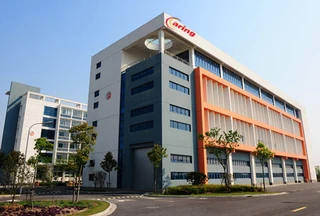
Suzhou Caring Equipment Co., Ltd.
- Trading Company
- Jiangsu, China
- Lead time15 days
- Avg. response≤ 7h
Main productsShopping carts,Shopping basket,Roll containers,Wire mesh container,Supermarket rack
Main marketsWestern Europe(30.00%), Africa(10.00%), North America(10.00%), Mid East(10.00%), South America(10.00%), Southeast Asia(5.00%), Eastern Asia(5.00%), Southern Europe(5.00%), Northern Europe(5.00%), Domestic Market(2.00%), South Asia(2.00%), Eastern Europe(2.00%), Oceania(2.00%), Central America(2.00%)
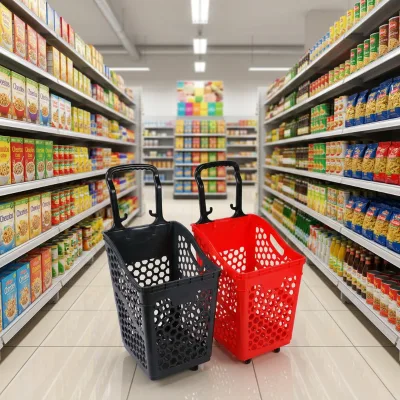
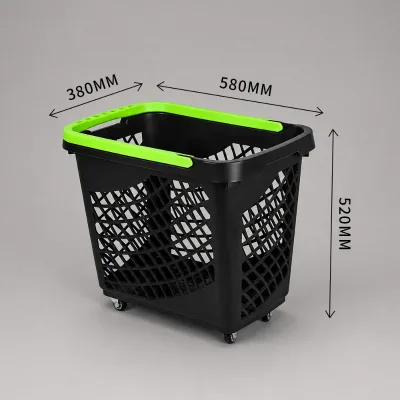
Plastic Shopping Basket With Wheels
$7.80 - $9.90
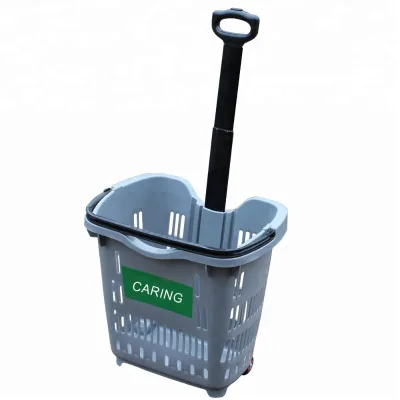
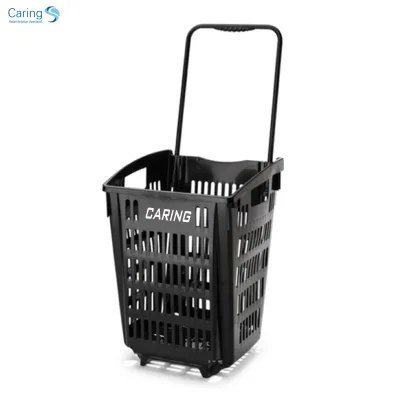
52 Litre Shopping Baskets on Wheels Pull Trolley
$9.00 - $10.50
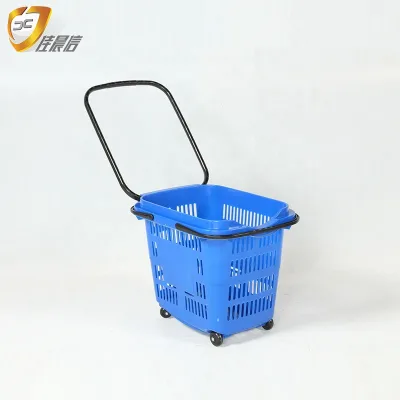
Qingdao Jiachenxin Metal Co., Ltd.
- Verified by SGS Group
- Manufacturer, Trading Company
- Shandong, China
- Lead time3 days
- Avg. response≤ 2h
Main productsSupermarket Shelves, Convenience Store Shelves, Display Racks, Warehouse Racks, Checkout Counters
Main marketsDomestic Market(70%), North America(11%), South America(5%)
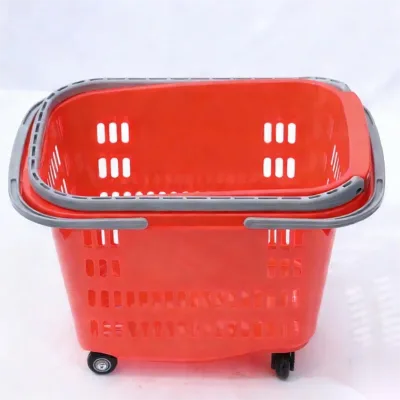
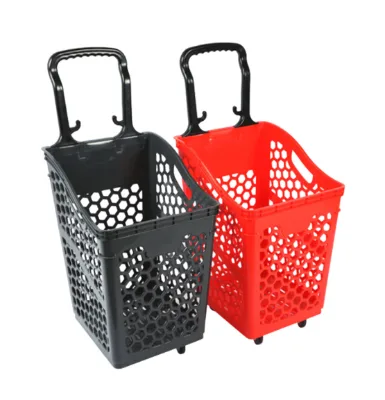
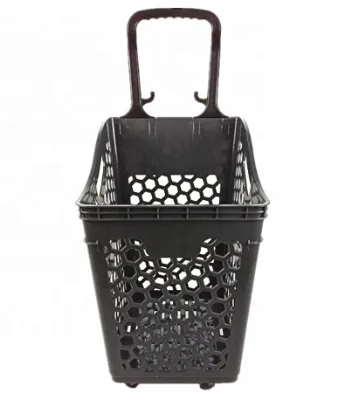
$5.6025 - $11.3801
MOQ: 10 sets
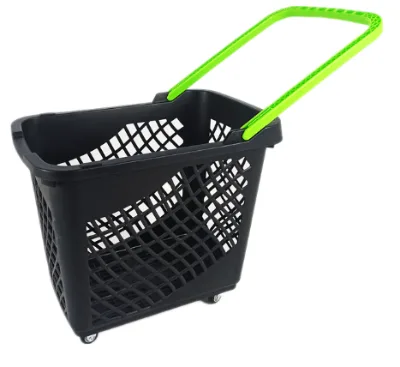
Taizhou Huayue Plastic Co., Ltd.
- Verified by TüVRheinland
- Manufacturer, Trading Company
- Lead time20 days
- Avg. response≤ 5h
Main productsBeach Lounger, Laundry Basket, Plastic Stool, Chair, Storage Box
Main marketsDomestic Market(50%), North America(25%), Oceania(11%)

Changshu Jinsheng Metal Products Factory
- Verified by TUVRHEINLAND
- Trading Company,Manufacturer/Factory
- China Jiangsu
- Lead time23 days
- Avg. response≤ 19h
Main productsShopping Cart, Shopping Trolley, Warehouse Rack, Supermarket Shelf, Wire Shelf, Display Shelf, Pallet Rack, Storage Rack, Shop Fittings, Airport Luggage Trolley
Main marketsSouth America,Eastern Europe,Mid East,North America,Southeast Asia,Eastern Asia,Oceania,Western Europe,Africa
Suzhou Beisco Imports and Exports Co.,Ltd
- Verified by SGS Group
- Manufacturer, Trading Company
- Lead time10 days
- Avg. response≤ 1h
Main productsSupermarket Shelf, Shelf, Gondola Shelf, Shopping Trolley, Shopping Cart
Main marketsNorth America(40%), Southern Europe(15%), Southeast Asia(10%)
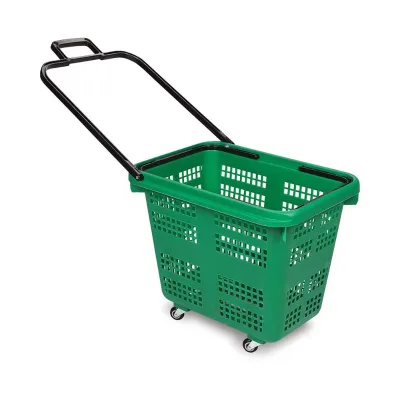
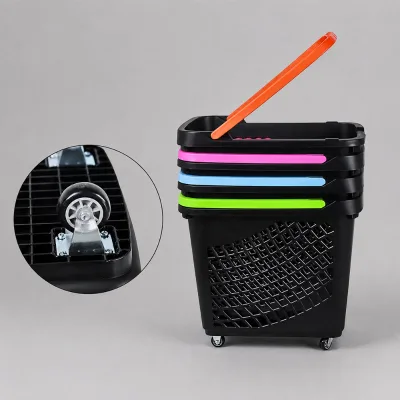
Factory Price Retail Store Plastic Rolling Supermarket Shopping Basket With PU Wheels
$10.84 - $12.05
MOQ: 200 pieces
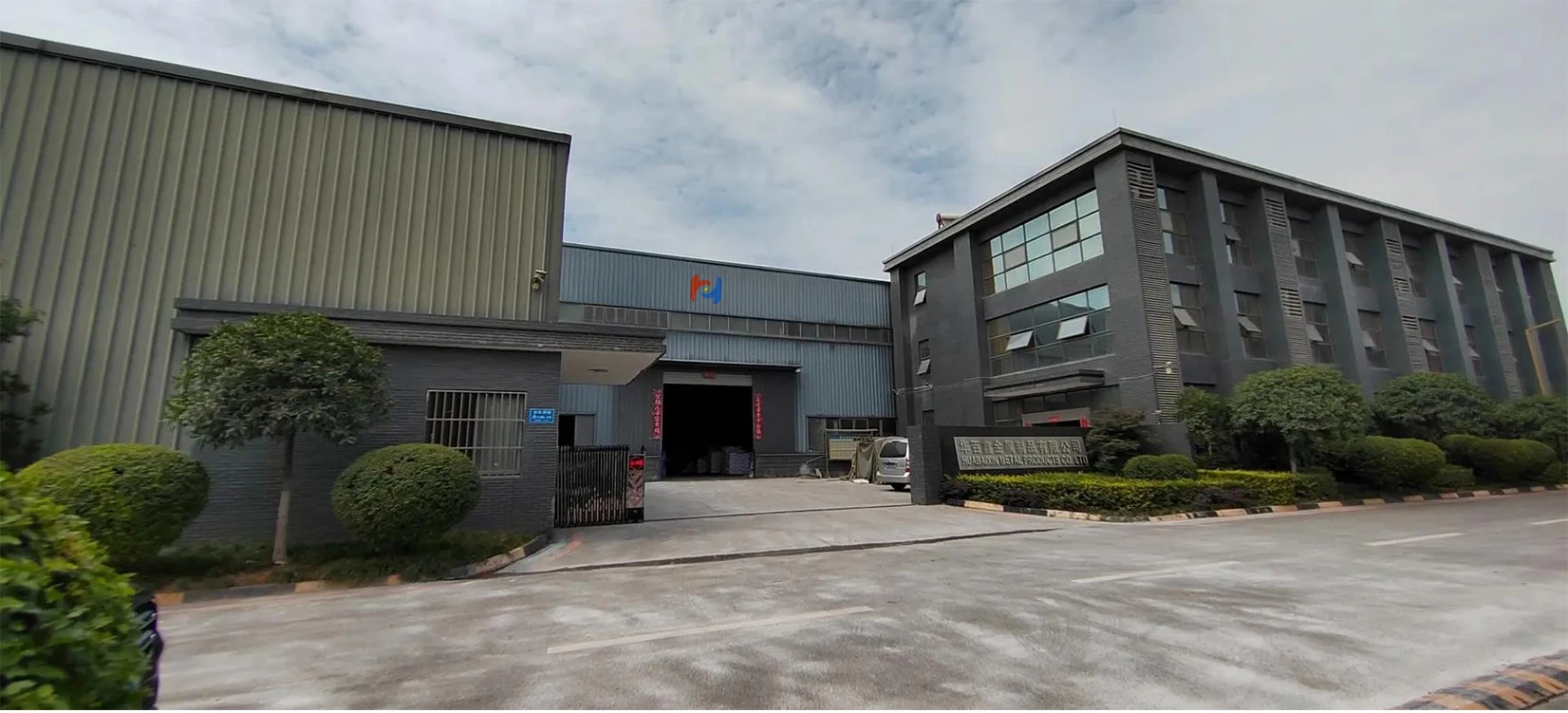
Datong Huabaixin Metal Products Co., Ltd.
- Manufacturer, Trading Company
- Shanxi, China
- Lead time15 days
- Avg. response≤ 3h
Main productsMetal Shelf,Display Racks,Wooden Shelf,Shopping cart,Plastic Shelf
Main marketsNorth America(90.00%), Central America(8.00%), Eastern Europe(1.20%), South Asia(0.20%), Northern Europe(0.20%), Southeast Asia(0.20%), Mid East(0.20%)
Joyings Metal & Plastic Co., Ltd Of Nanhai Foshan
- Verified by TüVRheinland
- Manufacturer, Trading Company
- Lead time30 days
- Avg. response≤ 5h
Main productsMetal Display Fixtures, Household Storage Products, Wall Hanging Home Furniture, Supermarket Display, Plastic Products
Main marketsNorth America(25%), South America(10%), Southeast Asia(10%)

Suzhou Jintu Metal Working Co., Limited
- Manufacturer/Factory
- China Jiangsu
- Lead time23 days
- Avg. response≤ 4h
Main productsSupermarket Shelf, Storage Rack, Shopping Trolley, Display Stand, Airport Trolley, Shop Fittings, Wire Shelving, Check out Counter, Supermarket Shopping Basket, Pallet Racking
Main marketsSouth America,Eastern Europe,Mid East,North America,Southeast Asia,Eastern Asia,Oceania,Western Europe,Africa


Supermarket Rolling Cheap Plastic Shopping Basket with Two Wheels or Four Wheels
$2.10 - $10.60
MOQ: 100 Pieces

Shopping Plastic Basket/Supermarket Basket, Rolling Basket, Wheel Basket Cart
$2.10 - $10.60
MOQ: 100 Pieces


Henan Headroad Import&Export Trading Co., Ltd.
- Verified by SGS Group
- Trading Company
- Lead time15 days
- Avg. response≤ 2h
Main productsMannequin/Dress Form/Dummy/Wigs/Torso Mannequin, 3D Printer, Photograph Ghost Mannequin
Main marketsNorth America(30%), Western Europe(25%), South America(10%)
Suzhou Highbright Enterprise Limited
- Manufacturer, Trading Company
- Lead time旺季: "1 - 2000":35,"> 2000":"To be negotiated", 淡季: "1 - 2000":35,"> 2000":"To be negotiated"
- Avg. response≤ 2h
Main productsSupermarket Shelf, Shopping Cart, Roll Container, Display Hook, Plastic Crate
Foshan Juweida Metal Products Co., Ltd.
- Manufacturer
- Guangdong, China
- Lead time30 days
- Avg. response≤ 4h
Main productsdisplay rack,display stand,display shelf,clothing display rack,tile display rack
Main marketsNorth America(20.00%), Southeast Asia(20.00%), South America(5.00%), Domestic Market(5.00%), South Asia(5.00%), Southern Europe(5.00%), Northern Europe(5.00%), Central America(5.00%), Western Europe(5.00%), Eastern Asia(5.00%), Mid East(5.00%), Oceania(5.00%), Africa(5.00%), Eastern Europe(5.00%)
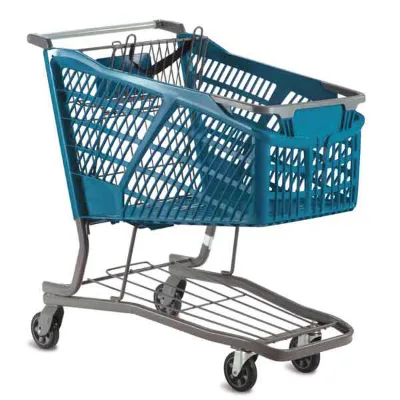
$25.5128 - $56.1269
MOQ: 50 Minimum
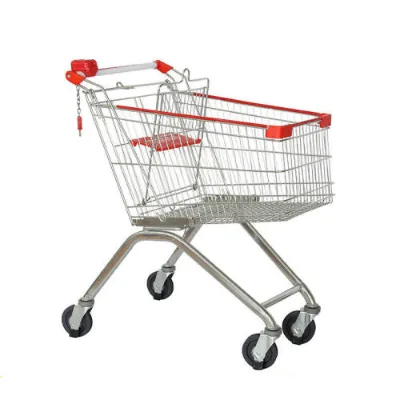
Shopping Baskets and Carts Kmart Shopping Trolley Cart Utility Shopping Cart
$20.6777 - $51.6943
MOQ: 50 Minimum
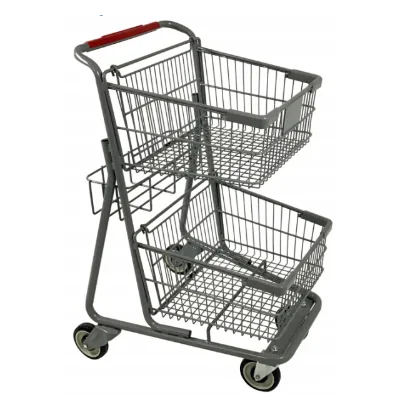
Supermarket Shopping Cart Grocery Shopping Cart Two Tier Shopping Cart
$22.5746 - $46.174
MOQ: 50 Minimum
Changshu Hongda Business Equipment Co., Ltd.
- Verified by Intertek
- Manufacturer, Trading Company
- Lead time20 days
- Avg. response≤ 11h
Main productsSupermarket Shelf, Storage Rack, Checkout Counter, Wooden Display Shelf
Main marketsDomestic Market(62%), South America(5%), Eastern Europe(5%)

- Verified by TUVRHEINLAND
- Combined
- China Jiangsu
- Lead time15 days
- Avg. response≤ 2h
Main productsSupermarket Shelf, Storage Rack, Shopping Trolley Cart, Wire Shelf, Checkout Counter, Shoppping Basket, Gondola Shelf, Tego Shelf
Main marketsDomestic

Shenzhen FARCTRL Technology Co., Ltd.
- Manufacturer, Trading Company
- Guagndong, China
- Lead time3 days
- Avg. response≤ 4h
Main productsEAS anti-theft System,Security anti-theft alarm,Security Alarm,Security hooks,Shopping cart
Main marketsNorth America(60.00%), Southern Europe(5.00%), Western Europe(5.00%), Eastern Asia(5.00%), Mid East(5.00%), Oceania(5.00%), Africa(5.00%), Southeast Asia(5.00%), South America(5.00%)
Suzhou Malltek Supply China Co., Ltd.
- Manufacturer, Trading Company
- Jiangsu, China
- Lead time15 days
- Avg. response≤ 2h
Main productsShopping Trolley,Airport Trolley,Shopping Basket,Foldable Wire Container,Roll Container
Main marketsNorth America(16.00%), Domestic Market(15.00%), Southeast Asia(15.00%), Western Europe(10.00%), South America(8.00%), Northern Europe(5.00%), Eastern Europe(5.00%), Eastern Asia(5.00%), Mid East(5.00%), Southern Europe(5.00%), Africa(4.00%), South Asia(3.00%), Central America(2.00%), Oceania(2.00%)

Jiaxing Xingjie Machinery Co., Ltd.
- Verified by BV
- Trading Company
- China Zhejiang
- Lead time30 days
- Avg. response≤ 3h
Main productsCaster Wheel, Castor, Wheel, PU Foam Wheel, Shopping Cart, Shopping Basket, Foldable Trolley, Rack, Medical Equipment, Customized Products
Main marketsSouth America,Africa,Southeast Asia/ Mideast,Domestic,Europe,North America

Foshan Languo Chuangyijia Technology Co., Ltd.
- Verified by BV
- Combined
- China Guangdong
- Lead time15 days
- Avg. response≤ 10h
Main productsAcrylic, Custom Acrylic Box, Plastic Basket, Phto Frame, Pop Clips, Floor Display Stand, Plastic Brochure Holder, Custom Sign Holder, Shelf Data Strips, PVC Data Strips
Main marketsSouth America,Africa,Southeast Asia/ Mideast,East Asia(Japan/ South Korea),Domestic,Europe,Australia,North America

Chinapack Jingli Supply Chain Management Jiangyin Co., Ltd.
- Verified by SGS
- Combined
- China Jiangsu
- Lead time15 days
- Avg. response≤ 1h
Main productsPlastic Pallet Box, Plastic Pallet, Plastic Crate, Spill Pallet, Paper Crate, PP Hollow Board, Pallet Box, Shopping Basket
Main marketsAfrica,Domestic,Australia
SUZHOU HONGTAI COMMERCIAL BUSINESS CO., LTD.
- Manufacturer, Trading Company
- Jiangsu, China
- Lead time20 days
- Avg. response≤ 7h
Main productsshopping trolley,basket,wire product,box,store cage
Main marketsEastern Europe(28.00%), South Asia(20.00%), Southeast Asia(10.00%), Eastern Asia(10.00%), Mid East(10.00%), Domestic Market(10.00%), Northern Europe(5.00%), Africa(5.00%), Southern Europe(2.00%)

Ningbo Zhongjiang Machinery Co., Ltd.
- Verified by CTI
- Combined
- China Guangdong
- Lead time30 days
- Avg. response≤ 1h
Main productsStainless Steel Kettle Welding Equipment, Tempered Glass Pot Cover Production Line, Net Basket Strainer Vegetable Basket Productio, Flour Screening Equipment, Splitting Sieve Equipment, Automatic Welding Machine for Brake Shoe, Brake System Brake Assembly Line, Stainless Steel Steaming Grid Equipment, Portable Basket Production Line, Rack Net Basket Equipment
Main marketsDomestic
Shandong Jinguan Goods Shelves Co., Ltd.
- Manufacturer, Trading Company
- Shandong, China
- Lead time20 days
- Avg. response≤ 2h
Main productsSupermarket Shelves,Warehouse Rack Shelf,Display Rack,Vegetable & Fruit Shelf,Grain Shelf
Main marketsNorth America(25.00%), Domestic Market(14.00%), Southeast Asia(10.00%), South Asia(8.00%), Africa(7.00%), Eastern Europe(5.00%), Western Europe(5.00%), Eastern Asia(5.00%), Mid East(5.00%), South America(5.00%), Central America(3.00%), Southern Europe(3.00%), Northern Europe(3.00%), Oceania(2.00%)
Changshu Ruhao Metal International Co., Ltd.
- Trading Company
- Jiangsu, China
- Lead time15 days
- Avg. response≤ 1h
Main productsSupermarket Shelf,Shopping Cart,Shopping Trolley,Warehouse Rack,Shopping Basket
Main marketsNorth America(25.00%), Domestic Market(15.00%), Western Europe(15.00%), Oceania(12.00%), South America(10.00%), Eastern Europe(5.00%), Northern Europe(5.00%), Mid East(3.00%), Africa(3.00%), Southern Europe(3.00%), Central America(1.00%), South Asia(1.00%), Eastern Asia(1.00%), Southeast Asia(1.00%)
Hico Medical Equipment Co., Ltd.
- Manufacturer, Trading Company
- Anhui, China
- Lead time15 days
- Avg. response≤ 3h
Main productsMedical Equipment,Beauty Equipment,Beauty&Massage Bed,Hospital/medical/nursing bed,Medical/salon Trolley
Main marketsNorth America(37.00%), South America(15.00%), Western Europe(10.00%), Africa(10.00%), Central America(5.00%), Eastern Europe(5.00%), Oceania(5.00%), Southeast Asia(3.00%), South Asia(2.00%), Southern Europe(2.00%), Northern Europe(2.00%), Eastern Asia(2.00%), Mid East(2.00%)
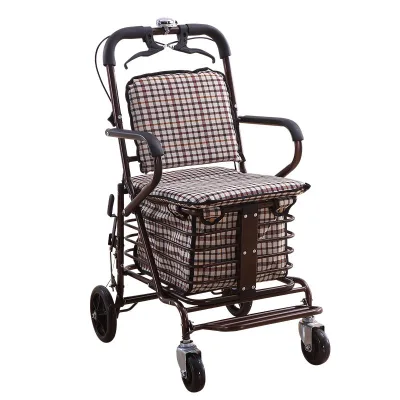
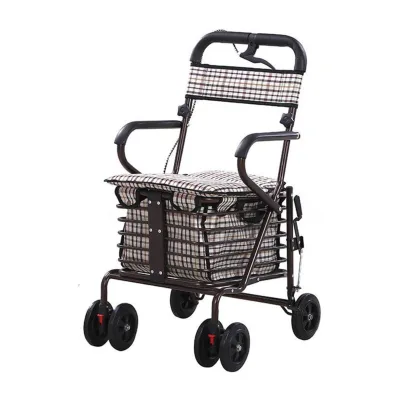
Folding Elderly Walker Shopping Cart with Seat for Four-wheeled Shopping with Double Brake
$22.7931 - $25.9002
MOQ: 1 pieces
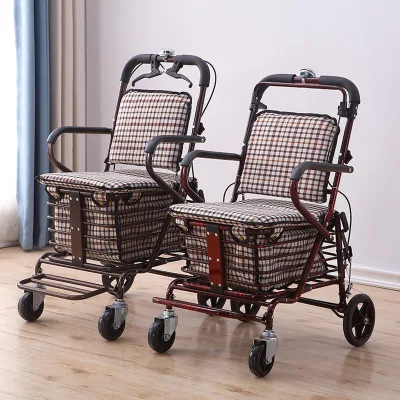


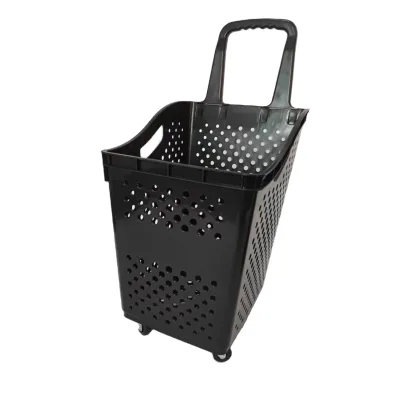
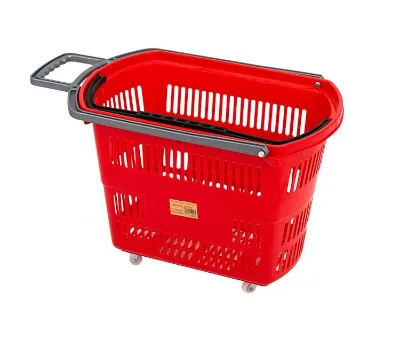








Comprehensive Sourcing Guide
Four Wheel Shopping Basket Supplier Concentration and Factory Types
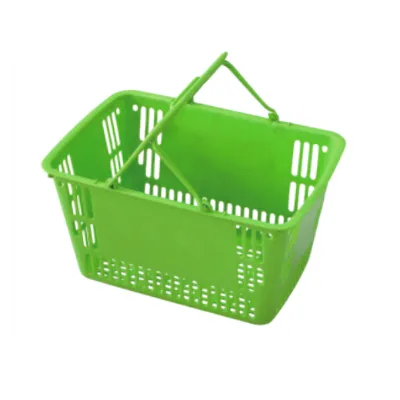
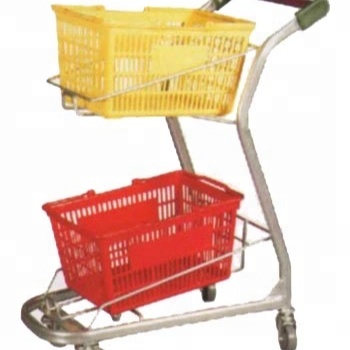
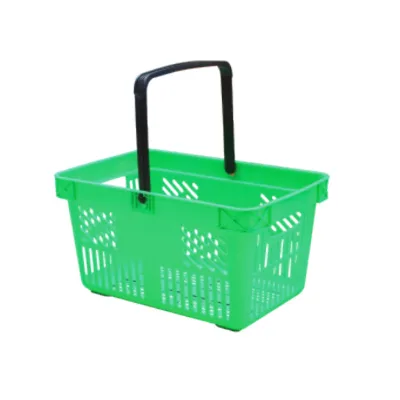
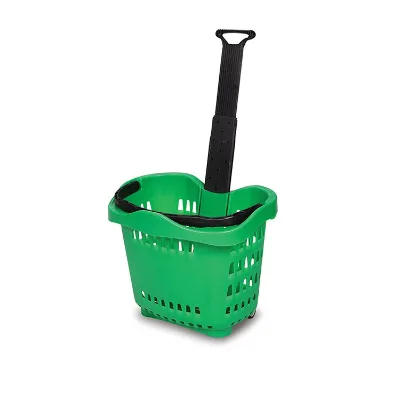
The current supplier landscape for four wheel shopping baskets reveals a distinct concentration of manufacturing activity within China, specifically in the Jiangsu province. This regional clustering suggests a mature industrial ecosystem where specialized tooling and plastic injection molding capabilities are readily available. Buyers evaluating potential partners should recognize that this geographic focus often correlates with established supply chains for raw materials like high-density polyethylene and specialized wheel components. When assessing suppliers, it is crucial to distinguish between pure trading companies and combined entities that may offer both sourcing flexibility and direct factory oversight. The presence of combined company types indicates that some suppliers might act as intermediaries while maintaining close ties to production lines, which can impact communication efficiency and quality control protocols. Understanding this structural nuance helps buyers determine whether they are engaging with the actual source of production or a reseller who adds a margin to the base cost.
Factory types in this sector vary significantly in their operational focus and customization capabilities. Many manufacturers specialize in standard plastic baskets with four-wheel configurations, catering to high-volume supermarket chains that require uniformity and durability. However, the market also includes facilities capable of offering original design manufacturing and original equipment manufacturing services, allowing for bespoke solutions tailored to specific retail environments. These advanced capabilities often involve more complex engineering, such as integrating folding mechanisms or custom logo printing onto the basket body. Buyers should inquire about the specific nature of the factory’s primary output, as some may prioritize simple, high-speed production of basic models while others invest in R&D for innovative storage solutions. The distinction between these factory types directly influences the lead times, minimum order quantities, and price points available to the buyer, making it essential to align supplier capabilities with the specific volume and customization needs of the procurement project.
How to Verify Four Wheel Shopping Basket Suppliers
Verifying the legitimacy and capability of a Four Wheel Shopping Basket supplier requires a multi-layered approach that goes beyond basic company profiles. One critical step is to check for third-party verification badges, such as those provided by SGS, which indicate that an independent agency has assessed the supplier’s business operations. This verification adds a layer of trust regarding the company’s legal standing and operational history. Additionally, buyers should scrutinize the supplier’s system certifications, particularly ISO9001:2015 and ISO14001:2015 certificates, which demonstrate adherence to international quality management and environmental standards. These certifications are not merely decorative; they reflect a structured approach to production consistency and waste management, which are vital for maintaining product quality over large production runs. Buyers should request copies of these certificates and verify their validity through the issuing bodies to ensure they are current and not expired.
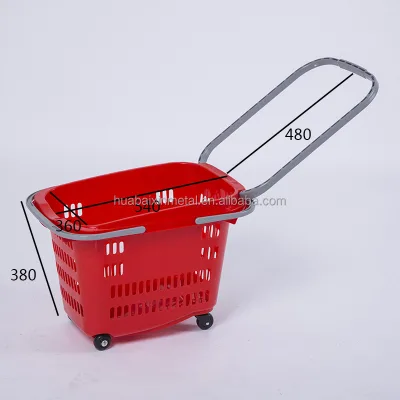
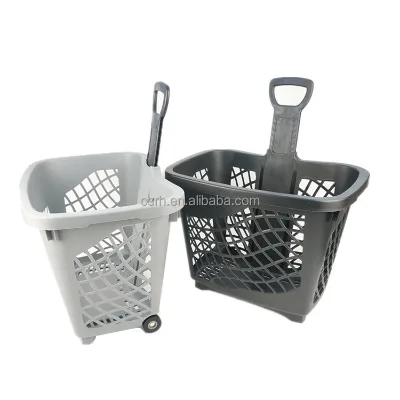
Beyond certifications, direct engagement metrics provide valuable insights into a supplier’s responsiveness and reliability. The response time is a key indicator of how quickly a supplier can address inquiries, provide quotations, or resolve issues during the negotiation phase. A faster response time often correlates with better customer service and more agile project management. Buyers should also look for evidence of product-specific attributes, such as material composition and structural design, to ensure the supplier’s offerings match technical requirements. For instance, confirming that the baskets are made from durable plastic and feature robust wheel assemblies is essential for long-term usability in high-traffic retail environments. Furthermore, checking for product evidence that includes detailed specifications, such as volume capacity and weight limits, helps buyers assess whether the supplier’s products meet their specific operational needs. This thorough verification process minimizes the risk of partnering with unreliable vendors and ensures a smoother procurement experience.
What to Compare Across Four Wheel Shopping Basket Suppliers
When evaluating multiple suppliers for four wheel shopping baskets, buyers must systematically compare key operational metrics to identify the most suitable partner. One of the most significant factors is the minimum order quantity, which can vary widely depending on the supplier’s production model and inventory strategy. Some suppliers may offer low MOQs, such as 10 or 15 pieces, which are ideal for small businesses or testing new product lines, while others may require higher volumes, such as 100 or 200 pieces, to achieve economies of scale. Understanding these thresholds helps buyers align their procurement strategy with their sales forecasts and storage capabilities. Additionally, lead times are a critical comparison point, as they determine how quickly orders can be fulfilled and delivered to the end customer. Suppliers with shorter lead times, such as those offering delivery within 7-15 days, provide greater flexibility for managing inventory and responding to sudden demand spikes.
Price and customization options are also essential dimensions for comparison. The price range for four wheel shopping baskets can vary significantly based on factors such as material quality, wheel type, and additional features like folding mechanisms or custom branding. Buyers should compare not just the unit price but also the total cost of ownership, including shipping and potential customization fees. Customization availability is another key differentiator, with some suppliers offering fully customized solutions, including logo printing and color selection, while others provide standard, non-customized products. The ability to customize can be a significant competitive advantage for retailers looking to enhance brand visibility. Furthermore, buyers should compare the supplier’s main product offerings to ensure they have a broad range of related items, such as shopping trolleys or storage cages, which can simplify the sourcing process and potentially lead to volume discounts. This comprehensive comparison ensures that buyers select a supplier that offers the best balance of cost, quality, and service.
Common Four Wheel Shopping Basket Sourcing Risks
Sourcing four wheel shopping baskets from international suppliers introduces several risks that buyers must proactively manage to ensure a successful procurement process. One significant risk is the potential for quality inconsistencies, particularly when dealing with plastic products that are subject to variations in material composition and manufacturing processes. Without rigorous quality control measures, buyers may receive batches of baskets that are prone to cracking, have defective wheels, or fail to meet specified weight capacities. This risk is exacerbated when working with suppliers who have limited experience in exporting or lack standardized production protocols. To mitigate this, buyers should request samples before placing large orders and conduct thorough inspections upon receipt. Additionally, verifying the supplier’s production capabilities and asking for detailed product specifications can help identify potential quality issues early in the sourcing process.
Another common risk is the discrepancy between quoted prices and final costs, which can arise from hidden fees, currency fluctuations, or changes in shipping rates. Buyers should be aware that the initial price quote may not include all costs, such as packaging, documentation, or customs duties, which can significantly impact the total expenditure. Furthermore, lead time delays can disrupt supply chains and result in stockouts, particularly if the supplier faces production bottlenecks or logistical challenges. To address these risks, buyers should establish clear communication channels with suppliers and request regular updates on production status. It is also advisable to include penalty clauses in contracts for late deliveries or quality failures to incentivize performance. By anticipating these risks and implementing robust mitigation strategies, buyers can protect their interests and ensure a smoother sourcing experience.
Four Wheel Shopping Basket Regional Sourcing and Logistics
The regional concentration of Four Wheel Shopping Basket manufacturers in China, particularly in Jiangsu province, offers buyers access to a highly developed industrial base with efficient logistics networks. This geographic clustering facilitates easier coordination of production and shipping, as suppliers often have established relationships with freight forwarders and port authorities. Buyers sourcing from this region should consider the implications of distance on shipping costs and transit times, as longer distances can increase the risk of damage and delay. However, the maturity of the local supply chain often results in competitive shipping rates and reliable delivery schedules. Understanding the specific logistics infrastructure in the supplier’s region can help buyers optimize their shipping strategies and reduce overall procurement costs.
Logistics planning also involves considerations for packaging and handling, as four wheel shopping baskets are bulky items that require careful packing to prevent damage during transit. Suppliers typically use standard export cartons or stand cartons to protect the products, but buyers should verify the packaging quality and ensure it meets their storage and handling requirements. Additionally, buyers should be aware of any import regulations or tariffs that may apply to plastic shopping baskets in their destination country, as these can affect the final landed cost. Working with suppliers who have experience in international shipping can help navigate these complexities, as they can provide necessary documentation and assist with customs clearance. By carefully planning the logistics aspect of sourcing, buyers can ensure that their four wheel shopping baskets arrive in good condition and on time, supporting their retail operations effectively.
Four Wheel Shopping Basket Commercial Terms and Order Planning
Effective order planning for four wheel shopping baskets requires a clear understanding of commercial terms and payment structures to avoid financial surprises. Buyers should negotiate terms that align with their cash flow needs, such as requesting partial payments upfront and the balance upon shipment or delivery. It is also important to clarify the Incoterms, such as FOB or CIF, to determine who is responsible for shipping costs and insurance. These terms directly impact the total cost and risk allocation between the buyer and the supplier. Additionally, buyers should inquire about the supplier’s policy on samples, as many offer samples for quality verification, sometimes at a discounted or free rate for bulk orders. Understanding these commercial terms helps buyers budget accurately and manage their procurement process more efficiently.
Order planning should also account for the supplier’s production capacity and lead times to ensure timely delivery. Buyers should establish a realistic timeline that includes sample approval, production, quality inspection, and shipping. It is advisable to place orders well in advance of peak seasons to avoid delays caused by high demand. Furthermore, buyers should consider the supplier’s flexibility in handling order modifications or cancellations, as market conditions can change rapidly. Establishing a strong relationship with the supplier through consistent communication and fair negotiation can lead to better terms and priority treatment during busy periods. By carefully planning the commercial aspects of the order, buyers can minimize risks and ensure a smooth transaction from start to finish.
FAQs
What is the price range for four wheel shopping baskets?
Prices typically range from $0.12 to $10.20 per unit depending on specifications. Basic plastic models start near the lower end, while larger or customized trolley baskets cost more. Buyers should check specific product listings for exact pricing tiers and volume discounts.
What is the minimum order quantity for these baskets?
MOQs vary by supplier and product type, generally ranging from 10 to 200 pieces. Some suppliers offer low MOQs of 10 or 15 units for samples, while standard bulk orders often require 100 or 200 pieces. Always verify the specific MOQ for your chosen model.
Are these shopping baskets customizable for branding?
Customization is available for many models, including logo printing and color selection. Some suppliers offer OEM and ODM services for tailored designs. However, certain basic models may be non-customized. Check product attributes to confirm if logo or color customization is supported for your order.
What certifications do these suppliers hold?
Suppliers often hold ISO9001:2015 and ISO14001:2015 system certifications. Product certifications may include CE and ISO9001:2000 standards. Verification services like SGS are also used to ensure quality. Buyers should request valid certificates to confirm compliance with international safety and management standards.
How long does delivery take for these orders?
Lead times typically range from 7 to 15 days after order confirmation. Some suppliers list a general lead time of 15 days. Response times average around 6.18 hours. Buyers should confirm exact delivery schedules with suppliers to ensure timely arrival for their retail operations.
Where are these suppliers located?
Most suppliers are located in Jiangsu, China, with some in Zhejiang. These regions are known for manufacturing commercial equipment and supermarket supplies. Buyers can filter results by location to prioritize suppliers closer to their shipping ports or logistics hubs for reduced freight costs.