Source Desktop Organizer Tray for Office, Home, and School
Compare 30 Desktop Organizer Tray options from verified Chinese manufacturers. Buyers can evaluate materials like stainless steel and bamboo, customization features, and pricing to find the right solution for office, home, or school environments; compare the available evidence and request quotations based on your requirements.
Key considerations
Products List


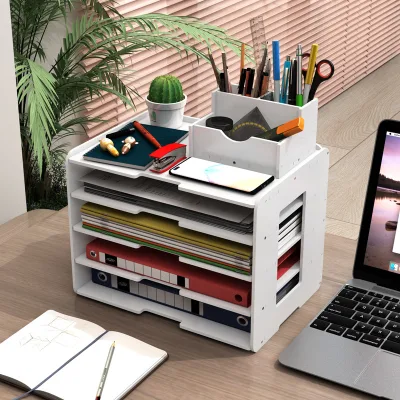
Bamboo Desk Organizer with Sliding Drawer, Double Tray and 5 Upright Sections
$6.56 - $12.59
MOQ: 500 Pieces


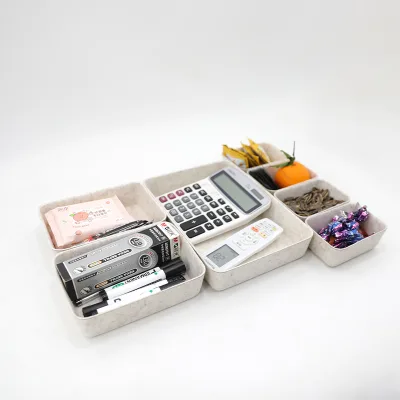
Creative Sectioned Storage Box Removable Divider Multifunction Desktop Organizer
$1.53 - $1.59
MOQ: 1000 Pieces

Comprehensive Sourcing Guide
Desktop Organizer Tray Sourcing Guide
The Desktop Organizer Tray market presents a diverse range of solutions tailored for office and home environments, with observed listings indicating a strong focus on functional storage for promotional and educational settings. Buyers should note that available models vary significantly in material composition, ranging from durable stainless steel and general metal options to eco-friendly bamboo and wood constructions. This variety allows procurement teams to select units that align with specific brand values, such as sustainability or industrial robustness, while ensuring the product fits the intended workspace aesthetic.
When evaluating product scope, it is critical to distinguish between general office utility and specialized applications like primary school promotional items. The observed data highlights specific configurations, including eight-color options and models designed for unisex or specific gender demographics, which suggests a need for precise specification matching during the sourcing process. Procurement teams must verify that the selected tray's dimensions and capacity, such as the 350295H275 mm standard or the 26.3277.3 cm variant, meet the physical constraints of the target desk space before committing to a bulk order.
Technical Specifications to Verify
Buyers must rigorously verify the physical dimensions and structural standards of the organizer to ensure compatibility with existing office furniture and workflow requirements. The market offers specific model numbers like LS-7744, JJQ-0247, and JJQ-0250, each potentially carrying unique dimensional constraints or adjustable features that impact usability. It is essential to confirm whether the product adheres to a fixed standard or offers adjustable configurations, as this distinction directly influences the versatility of the tray in dynamic work environments where space utilization is paramount.
Material composition serves as another critical technical parameter that dictates the longevity and aesthetic appeal of the desktop organizer. While some listings specify stainless steel or metal for durability, others emphasize bamboo and wood for an eco-friendly profile, requiring buyers to align material choices with their corporate sustainability goals. Additionally, the packaging method, whether color boxes, cardboard boxes, or polybags, must be assessed to ensure the product arrives in pristine condition, as improper packaging can lead to damage during transit and increase the total cost of ownership through replacement needs.
Compliance and Safety Documentation
Ensuring that desktop organizers meet international safety and environmental standards is a non-negotiable step for B2B procurement, particularly when products are intended for use in schools or by children. The observed listings reference certifications such as EN71 and ASTM D4236, which are vital for verifying that materials used in the construction are non-toxic and safe for handling. Buyers should explicitly request current certification documents to confirm that the supplier maintains these standards, as these regulations are often mandatory for importing goods into regions with strict consumer safety laws.
Beyond product safety, commercial compliance regarding manufacturing ethics and environmental impact must be validated through specific audit reports. Suppliers in the observed data have cited certificates like BSCI, Sedex, and ISO9001, indicating a commitment to ethical labor practices and quality management systems. Procurement teams should verify the validity and scope of these certificates to ensure the supply chain adheres to responsible sourcing principles, thereby mitigating reputational risks associated with non-compliant manufacturing processes or environmental violations in the production of office accessories.
Cost Drivers and Commercial Terms
The final landed cost of a Desktop Organizer Tray is heavily influenced by the chosen material, customization level, and the complexity of the packaging requirements. While base prices in the market range from $0.35 to $32.50, the inclusion of custom logo printing, specific color quantities, or specialized eco-friendly materials like bamboo can significantly alter the unit price. Buyers must analyze the trade-off between premium materials and cost efficiency, ensuring that the selected specifications deliver the desired brand value without exceeding the allocated procurement budget for the project.
Commercial terms and payment structures play a pivotal role in managing cash flow and risk during the procurement cycle. The observed market data indicates flexible payment options including T/T, L/C, and various digital wallets, alongside shipping terms like EXW, FOB, and CIF. It is crucial for buyers to negotiate clear delivery timelines, noting that lead times can vary from 20 days for container loads to 4-5 weeks for standard orders, and to define responsibilities for shipping costs and insurance to avoid unexpected expenses upon delivery.
Supplier Qualification and Quality Control
Selecting a qualified supplier requires a thorough assessment of their manufacturing history and capacity to deliver consistent quality at scale. The data suggests that many suppliers operate as established manufacturers with over 20 years of experience, serving major markets in Europe, North America, and Asia. Buyers should prioritize partners who demonstrate a proven track record in OEM and ODM services, ensuring they have the infrastructure to handle custom orders while maintaining the rigorous quality control necessary for high-volume production runs.
Quality control protocols must be established early in the engagement to prevent defects and ensure product consistency across large orders. Suppliers offering free samples with a turnaround time of 3 to 7 days provide an excellent opportunity to physically inspect the product for build quality, finish, and adherence to specifications before mass production begins. Procurement teams should mandate pre-shipment inspections and verify that the supplier's internal quality checks align with international standards to minimize the risk of receiving substandard inventory that could damage the buyer's brand reputation.
Long-Term Procurement Checks
Sustainable sourcing requires ongoing monitoring of supplier performance and supply chain resilience to ensure continuity of supply over the long term. Buyers should establish regular review cycles to assess the supplier's ability to meet delivery deadlines, maintain certification validity, and adapt to changing market demands or regulatory updates. This proactive approach helps identify potential bottlenecks early, allowing for strategic adjustments in inventory levels or supplier diversification to mitigate risks associated with geopolitical instability or logistical disruptions.
Continuous evaluation of product innovation and market trends is essential for maintaining a competitive edge in the office and home organization sector. As consumer preferences shift towards eco-friendly materials and customizable designs, buyers must ensure their suppliers remain agile in adopting new technologies and sustainable practices. Regularly updating the product specification sheet and re-evaluating the supplier's capability to deliver these innovations will help secure a reliable partnership that supports long-term business growth and brand evolution in the competitive desktop accessory market.
FAQs
Can I customize the Desktop Organizer Tray with my logo?
Yes, customization is available for this product line. The supplier accepts OEM and ODM services, allowing you to add your custom logo. This feature is suitable for promotional use in office and home settings. You can request samples to verify the printing quality before placing a bulk order for your specific branding needs.
What certifications do the desktop organizer trays have?
The products hold En71, ASTM D4236, and BSI certifications. Additionally, the manufacturer maintains BSCI, Sedex, ISO9001, and Reach certificates. These credentials ensure the materials meet international safety and quality standards. This makes the trays suitable for export to Europe, North America, and other regulated markets requiring strict compliance.
What is the typical lead time for Desktop Organizer Tray orders?
The delivery time is approximately 4-5 weeks for standard production runs. For specific container sizes, such as a 40FT container, the lead time is noted as 20 days. Sample preparation takes 3 to 7 days depending on the specific model. These timelines help buyers plan their inventory and shipping schedules effectively.
What materials are used to make these desktop organizers?
The desktop organizers are crafted from stainless steel, metal, and bamboo & wood materials. These durable options provide a sturdy structure for office and home use. The variety of materials allows for different aesthetic choices while maintaining functionality. Each material type is selected to ensure longevity and resistance to daily wear and tear.
What is the minimum order quantity for these trays?
The minimum order quantity ranges from 10 to 3000 pieces depending on the specific model. Some items have an MOQ of 1000 PCS, while others may start lower. This flexibility accommodates both small trial orders and large bulk purchases. Buyers should check the specific product model to confirm the exact MOQ requirements for their order.
How are the desktop organizer trays packaged for shipping?
Packaging options include color boxes, cardboard boxes, OPP bags, and polybags. Specific models use 1 PC per OPP bag with 12 pieces per carton. Other variations use 1 PC per polybag. The packaging is designed to protect the items during transit by sea or air. This ensures the products arrive in good condition for office or home use.