Source Diamond Face Shape Titanium Eyeglasses for daily wear
Compare 30 listings of Diamond Face Shape Titanium Eyeglasses featuring full-rim acetate and titanium frames. Buyers can review models like MW002 H and UB2077-2 for anti-blue light and reading applications with customizable options; compare the available evidence and request quotations based on your requirements.
Updated
Key considerations
Products List
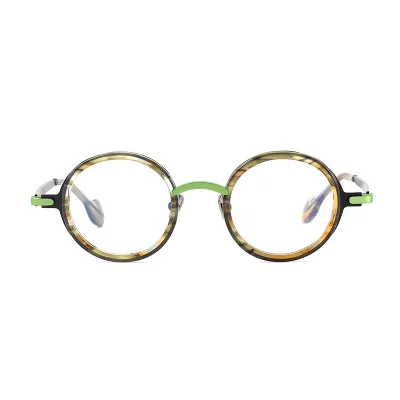
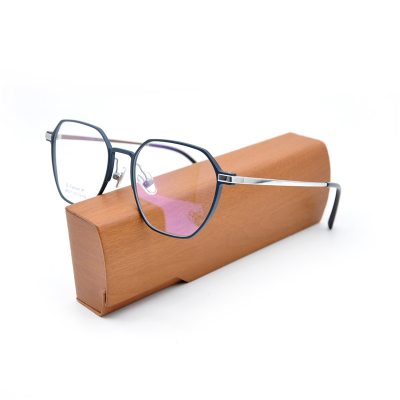
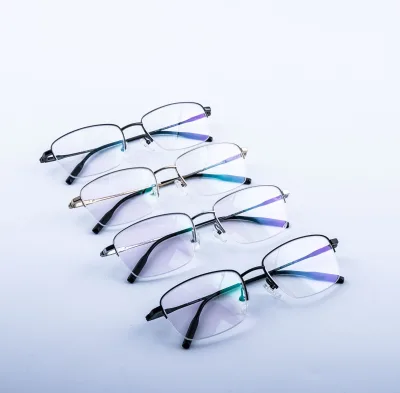


Luxury Pure Titanium Optical Frame, Titanium Eye Glass Frames Optical Glasses
$8.00 - $15.00
MOQ: 300 Pieces


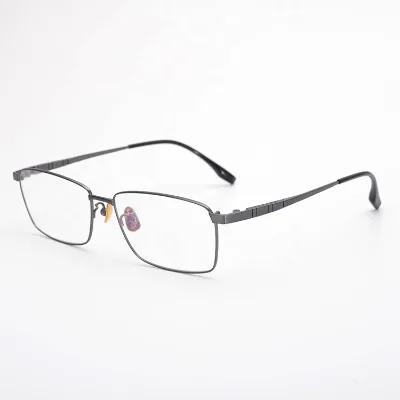


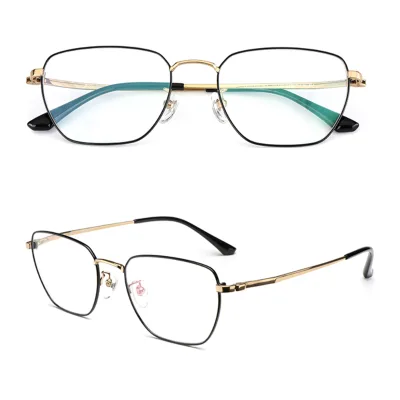
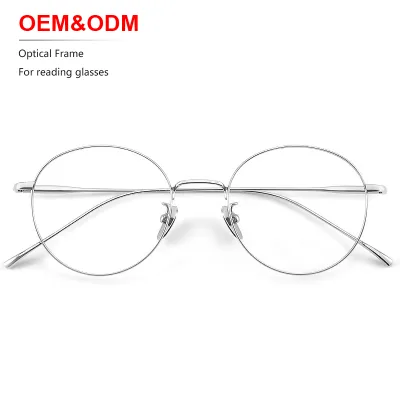

Men Women Ultra Light Titanium Eyeglasses Frame Glasses Optical Eyewear
$11.00 - $12.00
MOQ: 12 Pieces


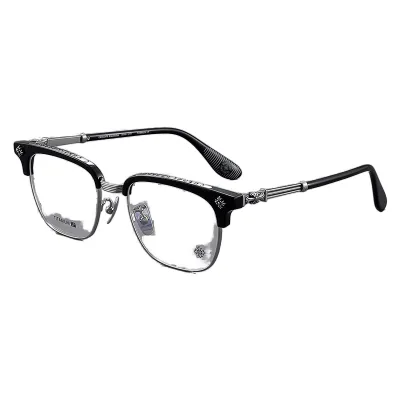


High Quality Men Titanium Rimless Glasses Frames Women Optical Frame Eyeglasses
$9.00 - $10.50
MOQ: 12 Pieces

Comprehensive Sourcing Guide
Diamond Face Shape Titanium Eyeglasses Sourcing Guide
Sourcing eyewear for a diamond face shape requires careful attention to frame geometry and material properties. Buyers must prioritize frames that soften angular cheekbones and balance narrow foreheads. The observed market signals indicate a strong presence of titanium and acetate constructions, which offer distinct advantages in weight and durability. Understanding these material distinctions is critical for selecting products that meet both aesthetic and functional requirements for this specific facial structure.
Procurement teams should also evaluate the variety of frame styles available, including full-rim and round designs. These shapes are often recommended to complement the high cheekbones characteristic of diamond face shapes. By focusing on suppliers who offer customizable options and a range of colors, buyers can better align product offerings with diverse customer preferences while maintaining structural integrity and visual harmony.
Product Scope and Observed Listing Signals
The current market landscape for diamond face shape eyewear includes a diverse array of styles, from classic round frames to modern rectangular designs. Observed listings highlight products with specific attributes such as full-rim structures and anti-blue light features, catering to daily wear and computer usage. These signals suggest that buyers have access to versatile options that address both fashion and functional needs, such as scratch resistance and lightweight comfort.
Suppliers frequently offer customization services, including logo placement and sample making, which are valuable for brand differentiation. The observed price range and minimum order quantities vary significantly, indicating a flexible supply chain that can accommodate both small boutique orders and large-scale retail distributions. Buyers should leverage these signals to identify suppliers who can provide the specific frame shapes and materials required for their target demographic.
Technical Specifications to Verify
When verifying technical specifications, buyers must confirm the exact frame material composition, particularly whether the product uses pure titanium or titanium-acetate blends. The observed data indicates that titanium frames are often marketed for their lightweight properties, which is a key selling point for comfort. It is essential to verify the lens material and any special coatings, such as UV400 protection, to ensure the product meets the intended usage requirements for eye health and protection.
Frame dimensions and shape accuracy are critical for diamond face shapes, as improper proportions can exacerbate angular features. Buyers should request detailed single package sizes and gross weights to assess shipping costs and product quality. Additionally, verifying the model numbers and specific design features, such as temple construction and lens positioning, ensures that the final product aligns with the technical requirements and aesthetic expectations of the end consumer.
Compliance and Safety Documentation
Compliance with international safety standards is non-negotiable for eyewear procurement. Buyers must verify that suppliers hold relevant certifications, such as CE, FDA, and adherence to ISO or EN standards like EN 14889:2003. These certifications ensure that the materials used are safe for skin contact and that the optical quality meets regulatory requirements. Without proper documentation, products may face customs delays or legal liabilities in target markets.
UV protection is another critical compliance aspect, especially for lenses marketed for daily wear or computer usage. Buyers should confirm that products meet UV400 standards to protect against harmful ultraviolet radiation. Additionally, verifying that the supplier provides clear labeling and packaging instructions ensures that the final product is correctly presented to consumers, reducing the risk of misuse and enhancing brand trust through transparent safety information.
Cost Drivers and Commercial Terms
Cost drivers in eyewear procurement include material selection, customization complexity, and order volume. Titanium frames typically command higher prices due to their durability and lightweight nature, while acetate options may offer more budget-friendly alternatives. Buyers should analyze the minimum order quantities and pricing tiers to determine the most cost-effective strategy for their inventory needs, balancing upfront costs with potential margins.
Commercial terms such as lead times, payment structures, and shipping methods significantly impact the overall procurement cost. Suppliers offering fast delivery and flexible packing options, such as polybags or inner boxes, can help reduce storage costs and improve inventory turnover. Buyers should negotiate clear terms regarding sample costs and mold fees, especially for customized designs, to avoid unexpected expenses during the sourcing process.
Supplier Qualification and Quality Control
Supplier qualification involves assessing manufacturing capabilities, quality control processes, and past performance. Buyers should verify that suppliers have experience in producing titanium and acetate frames, as these materials require specialized handling and finishing techniques. Requesting samples is a crucial step to evaluate build quality, frame symmetry, and comfort, ensuring that the product meets the high standards expected for diamond face shape eyewear.
Quality control checks should include inspections for surface defects, hinge durability, and lens clarity. Buyers should establish clear acceptance criteria and consider third-party inspections for large orders to mitigate risks. Additionally, verifying the supplier’s ability to provide consistent quality across batches is essential for maintaining brand reputation and customer satisfaction in the competitive eyewear market.
Long-Term Procurement Checks
Long-term procurement success depends on continuous supplier relationship management and market adaptation. Buyers should regularly review supplier performance metrics, including on-time delivery rates and defect percentages, to ensure ongoing reliability. Building strong relationships with suppliers who offer innovative designs and responsive customer service can provide a competitive advantage in the evolving eyewear landscape.
Staying informed about emerging trends, such as new materials or sustainable practices, is vital for long-term relevance. Buyers should periodically reassess their product offerings to ensure they align with changing consumer preferences and regulatory requirements. By maintaining a flexible and informed procurement strategy, buyers can effectively navigate market shifts and sustain growth in the diamond face shape eyewear segment.
FAQs
What frame materials are used for Diamond Face Shape Titanium Eyeglasses?
The frames are constructed from a combination of acetate and titanium materials. This hybrid approach provides the lightweight durability associated with titanium while allowing for the classic styling and color options found in acetate. The full-rim structure ensures stability and comfort for daily wear, catering specifically to the needs of adult women seeking versatile eyewear solutions.
Can these eyeglasses be customized with a specific logo?
Yes, customized logos are available for these eyeglasses. The supplier offers sample making services to facilitate the branding process. Buyers can request specific branding requirements to ensure the final product aligns with their corporate identity or retail needs. This customization option supports businesses looking to create unique, branded eyewear collections for their target audience.
What certifications do these titanium eyeglasses hold?
These eyeglasses hold CE, FDA, and UV400 certifications. They also comply with ISO and EN 14889:2003 standards. These certifications ensure the product meets international safety and quality requirements for optical devices. Buyers can rely on these documented standards to verify compliance for importation and sale in various global markets, ensuring consumer safety and product reliability.
What is the minimum order quantity for these eyeglasses?
The minimum order quantity is 300 pieces. This MOQ applies to the standard production run for these titanium eyeglasses. Buyers should consider this threshold when planning their inventory and procurement strategy. The packaging is designed to handle this volume efficiently, with 300 pieces fitting into a single carton for streamlined shipping and logistics management.
Where are these diamond face shape eyeglasses manufactured?
These eyeglasses are manufactured in Zhejiang, China, with some production also occurring in Guangdong. The primary origin is listed as Wenzhou, Zhejiang. This location is a known hub for eyewear manufacturing, providing access to established supply chains and production expertise. Buyers can expect consistent quality and efficient logistics from these established manufacturing regions in China.
What features do these titanium eyeglasses offer for daily wear?
These eyeglasses feature scratch-resistant lenses and a lightweight design. They are suitable for daily wear and offer anti-blue light protection in specific models. The classic style and full-frame structure provide a timeless look. These features combine to offer practical durability and comfort, making them an ideal choice for adults who require reliable eyewear for everyday use and visual comfort.