Source Polarized Motorcycle Sunglasses for riding, racing, and commuting
Compare 30 listings of Polarized Motorcycle Sunglasses with TR90 frames and UV400 protection. Buyers can evaluate options for motocross, street riding, and daily commuting with customizable colors and OEM services available; compare the available evidence and request quotations based on your requirements.
Updated
Key considerations
Products List
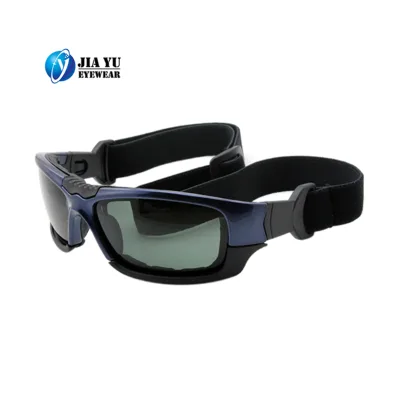
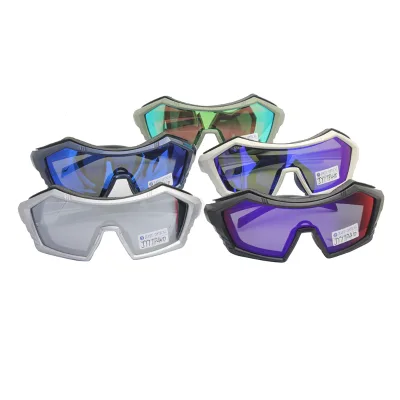
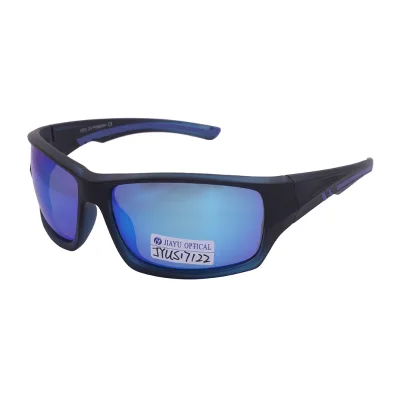
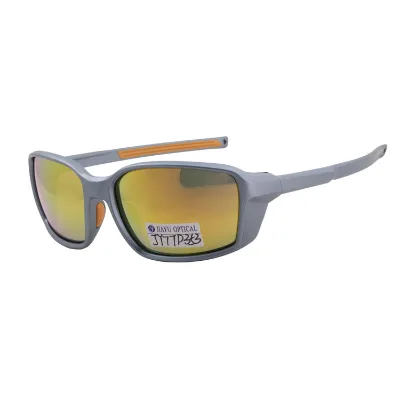


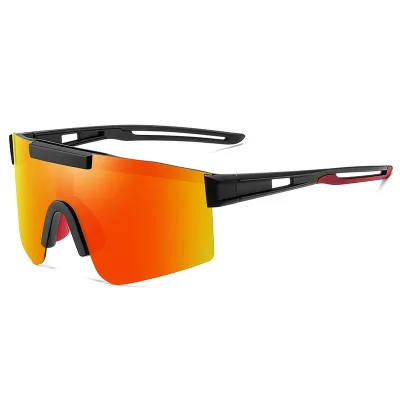
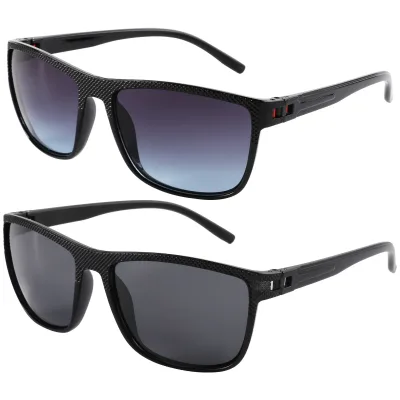
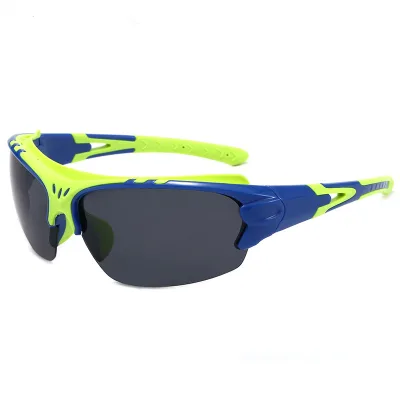


Outdoor Cycling Sunglasses Sport Polarized Anti-Glare Unisex Riding Glasses
$4.79 - $4.99
MOQ: 200 pieces

Sports Cycling Sunglasses Eyewear Goggles Polarized Cycling Safety Glasses
$4.79 - $4.99
MOQ: 200 pieces
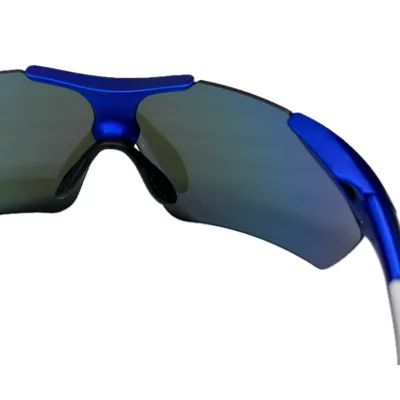
Comprehensive Sourcing Guide
Polarized Motorcycle Sunglasses Sourcing Guide
Sourcing Polarized Motorcycle Sunglasses requires a disciplined approach to balancing optical clarity with rugged durability. Buyers must prioritize products that offer UV400 protection and polarized lenses to reduce glare from road surfaces and windshields. The observed market signals indicate a wide range of options, from basic PC frames to premium TR90 materials, each serving different performance tiers. Understanding these material distinctions is critical for selecting eyewear that withstands high-speed vibration and impact without compromising visual acuity.
Procurement teams should also evaluate the structural integrity of the frame and strap systems. Full-rim designs with adjustable straps provide essential security during motocross or high-speed riding, preventing loss during sudden movements. The availability of customized colors and OEM branding allows retailers to align product aesthetics with their specific market positioning. However, verifying the actual lens material, whether polycarbonate or TAC, remains a vital step to ensure the claimed polarization and impact resistance meet safety expectations for motor sports applications.
Product Scope and Observed Listing Signals
The current market landscape for Polarized Motorcycle Sunglasses features a diverse array of models, with observed price points ranging from $0.99 to $19.99 USD. This broad spectrum suggests significant variation in material quality, manufacturing complexity, and brand positioning. Buyers should note that lower price points often correlate with basic polycarbonate frames and standard TAC lenses, while higher tiers may offer TR90 flexibility and advanced mirrored coatings. The minimum order quantities (MOQ) observed range from 2 to 600 pieces, indicating flexibility for both small boutique orders and large-scale distribution contracts.
Listing attributes reveal a strong emphasis on customization and branding capabilities. Many suppliers offer OEM services, allowing for custom logos via printing, laser engraving, or metal pieces. Product names frequently highlight features like "one-piece PC polarized lens" or "motocross goggles," signaling specific use cases. The presence of terms like "UV 400" and "polarized" is common, but buyers must verify these claims through documentation. Additionally, the availability of sample making and mold making services suggests that custom designs are feasible, though they may involve higher initial costs and longer lead times.
Technical Specifications to Verify
Frame material selection is a primary technical consideration, with options typically including polycarbonate (PC) or TR90. TR90 offers superior flexibility and impact resistance, making it ideal for high-impact sports, while PC provides a cost-effective alternative with good durability. Lens material is equally critical; polycarbonate lenses are shatter-resistant and lightweight, whereas TAC lenses are often used for their optical clarity and polarization efficiency. Buyers must confirm the specific lens material to ensure it meets the required impact standards for motorcycle riding, as this directly affects rider safety and product liability.
Optical attributes and fit specifications also require rigorous verification. Lenses should provide UV400 protection to block harmful ultraviolet rays, and polarization helps reduce glare from reflective surfaces like wet roads. Frame colors, such as black or customized options, and lens colors like gray, brown, or mirrored smoke, influence both aesthetics and light transmission. The inclusion of an adjustable strap is a key feature for secure fitment, preventing the glasses from slipping during vigorous activity. Single package dimensions and gross weight data help in calculating logistics costs and storage requirements efficiently.
Compliance and Safety Documentation
Certification verification is a non-negotiable step in the procurement process. Buyers should request valid certificates such as CE, BV, ISO9001, or FDA approvals to ensure the products meet international safety and quality standards. These documents confirm that the manufacturer adheres to regulated processes for material safety and optical performance. Without proper certification, products may face regulatory hurdles in target markets, leading to customs delays or product recalls. It is essential to validate the authenticity of these certificates directly with the issuing bodies rather than relying solely on supplier assertions.
Quality control documentation should also include test reports for impact resistance and optical clarity. While specific test results are not always listed, buyers should inquire about internal quality assurance protocols. The presence of ISO9001 certification suggests a structured quality management system, but it does not guarantee individual product compliance. Therefore, requesting sample testing or third-party lab reports for UV protection and polarization efficacy is advisable. This due diligence helps mitigate risks associated with substandard optical performance, which can impair vision and endanger riders during use.
Cost Drivers and Commercial Terms
Pricing structures are influenced by material choices, customization levels, and order volumes. The observed MOQ range of 2 to 600 pieces allows for flexible entry points, but larger orders typically yield better unit costs. Customization options, such as custom logos or packaging, may incur additional setup fees or higher per-unit prices. Buyers should negotiate clearly on whether these costs are included in the quoted price or billed separately. Understanding the total landed cost, including shipping and tariffs, is crucial for accurate margin calculation, especially when sourcing from regions like Fujian or Zhejiang in China.
Delivery terms and lead times are significant commercial factors. The observed delivery port of Xiamen indicates a common shipping route, but lead times can vary based on production capacity and customization complexity. Suppliers offering sample making and mold making services may have longer initial lead times for custom orders. Buyers should clarify production schedules and shipping methods to ensure timely delivery. Additionally, payment terms and return policies for defective goods should be explicitly defined in the contract to protect against financial losses and supply chain disruptions.
Supplier Qualification and Quality Control
Supplier qualification involves assessing manufacturing capabilities and past performance. Buyers should verify the supplier’s experience in producing motorcycle eyewear and their ability to handle OEM/ODM requests. The availability of mold making services indicates a higher level of technical capability, which is beneficial for custom designs. However, buyers must also evaluate the supplier’s quality control processes, including in-line inspections and final random inspections. A robust QC system ensures consistency in product quality, reducing the risk of receiving defective batches that could damage brand reputation.
Communication and responsiveness are key indicators of supplier reliability. Suppliers who provide detailed product specifications, clear pricing, and prompt responses to inquiries are generally more trustworthy. Buyers should request references or case studies from previous clients to gauge the supplier’s track record. Additionally, visiting the factory or conducting virtual audits can provide insights into production conditions and workforce expertise. Establishing a clear communication channel for addressing issues during production and post-delivery is essential for maintaining a successful long-term partnership.
Long-Term Procurement Checks
Continuous monitoring of product performance and market feedback is essential for long-term success. Buyers should track customer reviews and return rates to identify any recurring quality issues, such as lens scratching or frame breakage. This data can inform future purchasing decisions and negotiations with suppliers. Regularly reviewing supplier performance against agreed-upon KPIs, such as on-time delivery and defect rates, helps maintain high standards. Proactive engagement with suppliers to discuss improvements and innovations ensures that the product line remains competitive and aligned with evolving market trends.
Adapting to regulatory changes and consumer preferences is another critical aspect of long-term procurement. As safety standards evolve, buyers must stay informed about new certification requirements and material restrictions. Collaborating with suppliers to develop products that meet these emerging standards can provide a competitive advantage. Additionally, exploring new materials or design features, such as enhanced ventilation or anti-fog coatings, can differentiate the product offering. Building a resilient supply chain through diversification and strong supplier relationships mitigates risks and supports sustainable growth in the Polarized Motorcycle Sunglasses market.
FAQs
What frame materials are used for these Polarized Motorcycle Sunglasses?
The frames are constructed from TR90 and PC materials to ensure durability and lightweight comfort during riding. These materials provide flexibility and impact resistance, making them suitable for motorsport applications. The combination offers a robust structure that withstands vibration and stress while maintaining a sleek design for extended use on the road.
Can I customize the logo and packaging for bulk orders?
Yes, OEM services are available for custom logos and packaging. You can choose from printing, laser engraving, or metal pieces for branding. The supplier accepts custom logo and packaging requests, allowing you to tailor the product to your brand identity. This flexibility supports private labeling and specific marketing needs for distributors and retailers.
What certifications do these motorcycle goggles hold for safety?
The products hold CE, BV, and ISO9001 certifications, ensuring compliance with international quality and safety standards. Some variants also feature CE and FDA certifications. These credentials verify that the manufacturing processes and final products meet rigorous regulatory requirements, providing assurance to buyers regarding the reliability and safety of the eyewear for various markets.
What is the minimum order quantity for custom colors?
The minimum order quantity is 600 pieces per model or 300 pieces per color. This MOQ allows for efficient production runs while accommodating specific color preferences. Buyers can select customized colors to match their brand, provided they meet the specified quantity thresholds. This structure supports both large-scale distribution and targeted color variations.
Where are these sunglasses manufactured and shipped from?
These sunglasses are manufactured in Fujian, China, and shipped from the Xiamen port. The origin ensures access to established supply chains and manufacturing expertise in the region. Buyers can expect efficient logistics and export processes from this location, facilitating timely delivery to international destinations while maintaining consistent quality control throughout the production cycle.
What lens options are available for UV protection?
Lenses are available in gray, brown, smoke, and mirrored colors with UV400 protection. They are made from polycarbonate or TAC materials to ensure clarity and eye safety. The polarized lenses reduce glare, enhancing visibility during motorcycle riding. These options provide versatile choices for different lighting conditions while maintaining high optical standards for user comfort and protection.