Retro Y2K Rimless Sunglasses Suppliers and Manufacturers
Explore 31 verified options for Retro Y2K Rimless Sunglasses with data on location, lead times, and certifications. Compare response times and MOQs to find the right factory for your order today; review the available evidence before requesting comparable quotations from suitable candidates.
Updated
Suppliers List
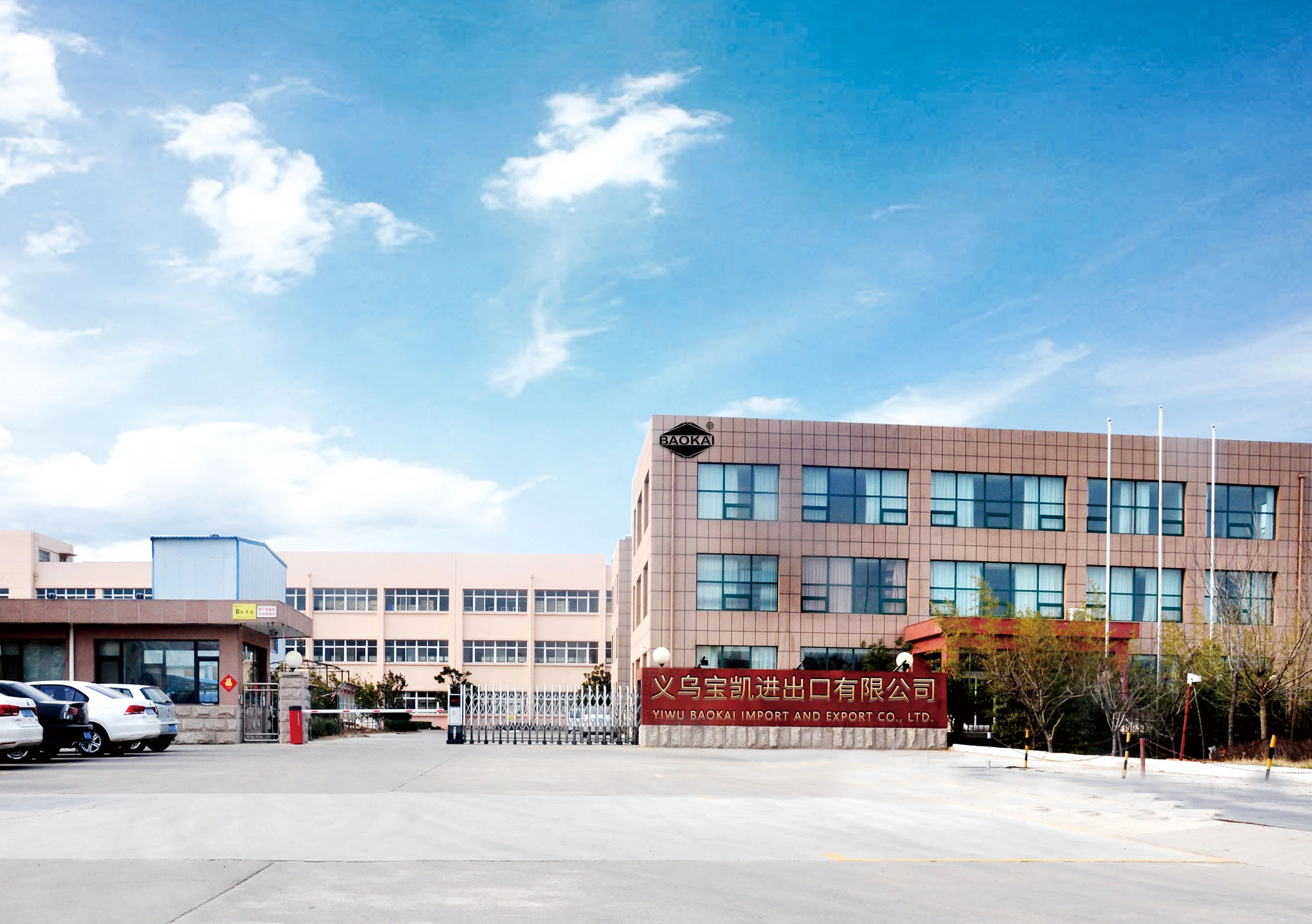
Yiwu Baokai Import And Export Co., Ltd.
- Trading Company
- Zhejiang, China
- Lead time5 days
- Avg. response≤ 1h
Main productsglass,Sunglasses,glass box,glass tissue,Eyewear
Main marketsNorth America(20.00%), Eastern Europe(18.00%), Africa(14.00%), Western Europe(10.00%), Southeast Asia(5.00%), Southern Europe(5.00%), Mid East(5.00%), Northern Europe(5.00%), South America(5.00%), South Asia(4.00%), Central America(4.00%), Eastern Asia(3.00%), Domestic Market(1.00%), Oceania(1.00%)
Taizhou Shuochun Glasses Technology Co., Ltd.
- Trading Company
- Zhejiang, China
- Lead time25 days
- Avg. response≤ 6h
Main productsSunglasses, Optical Eyewear, Sports Eyewear, Eyeglasses Frames, Eyeglasses Cases
Main marketsNorth America(25.00%), Eastern Europe(10.00%), Southeast Asia(10.00%), Northern Europe(8.00%), Western Europe(7.00%), Domestic Market(7.00%), South Asia(5.00%), Eastern Asia(5.00%), South America(5.00%), Africa(5.00%), Mid East(5.00%), Oceania(3.00%), Southern Europe(3.00%), Central America(2.00%)

- Verified by TUVRHEINLAND
- Trading Company
- China Zhejiang
- Lead time30 days
- Avg. response≤ 7h
Main productsDecoration Lights, Holiday Lights, Art Crafts, Electronics Devices, Sporting Goods & Recreation
Main marketsEurope
Wuhan Kaixinhong Tech Co., Ltd.
- Trading Company
- Hubei, China
- Lead time0 days
- Avg. response≤ 2h
Main productsSunglasses, Sunglasses Case, Smart Sunglasses, Glasses Accessories
Main marketsNorth America(80.00%), Western Europe(15.00%), South America(5.00%)

Huizhou Huaxi Technology Co., Ltd.
- Verified by SGS
- Trading Company
- China Guangdong
- Lead time15 days
- Avg. response≤ 5h
Main marketsEurope
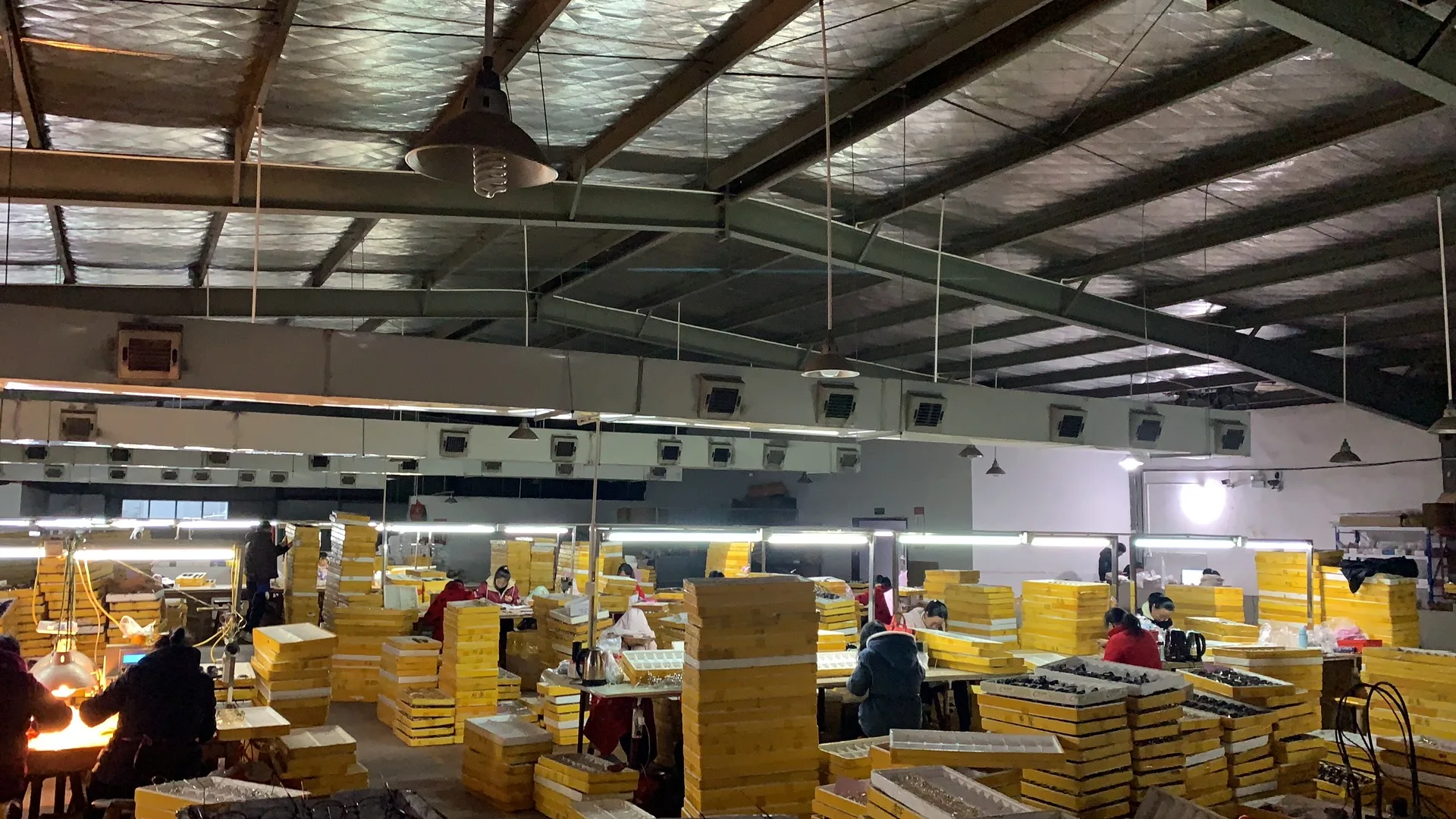
- Manufacturer
- Zhejing, China
- Lead time7 days
- Avg. response≤ 2h
Main productssunglasses,eyeglasses,Reading glasses,goggle,Party glasses
Main marketsNorth America(50.00%), Eastern Europe(15.00%), South America(15.00%), Central America(10.00%), Domestic Market(5.00%), Southern Europe(5.00%)
Taizhou Jiaojiang Junyi E-Commerce Co., Ltd.
- Verified by TüVRheinland
- Trading Company
- Lead time7 days
- Avg. response≤ 7h
Main productsSunglasses, Glasses Frame, Reading Glasses, Accessories, Glasses Case
Main marketsSoutheast Asia(30%), North America(20%), South America(20%)
Yiwu Chengguan Glasses Co., Ltd.
- Trading Company
- Zhejiang, China
- Lead time0 days
- Avg. response≤ 13h
Main productsSunglasses,Eyewear frame,Reading glasses,Children sunglasses,Eyewear Case
Main marketsNorth America(25.00%), Eastern Europe(20.00%), Western Europe(20.00%), South America(15.00%), Northern Europe(10.00%), South Asia(5.00%), Africa(5.00%)

Wenzhou Sunray Technology Co., Ltd.
- Verified by SGS
- Manufacturer/Factory
- China Zhejiang
- Lead time23 days
- Avg. response≤ 4h
Main productsSunglasses, Custom Sunglasses, Polarized Sunglass, Reading Glasses, Jewelry Boxes, Paper Boxes, Gift Boxes, Packaging Box, Custom Packaging Box, Packing Box
Main marketsSouth America,Eastern Europe,Mid East,North America,Southeast Asia,Eastern Asia,Oceania,Western Europe,Africa
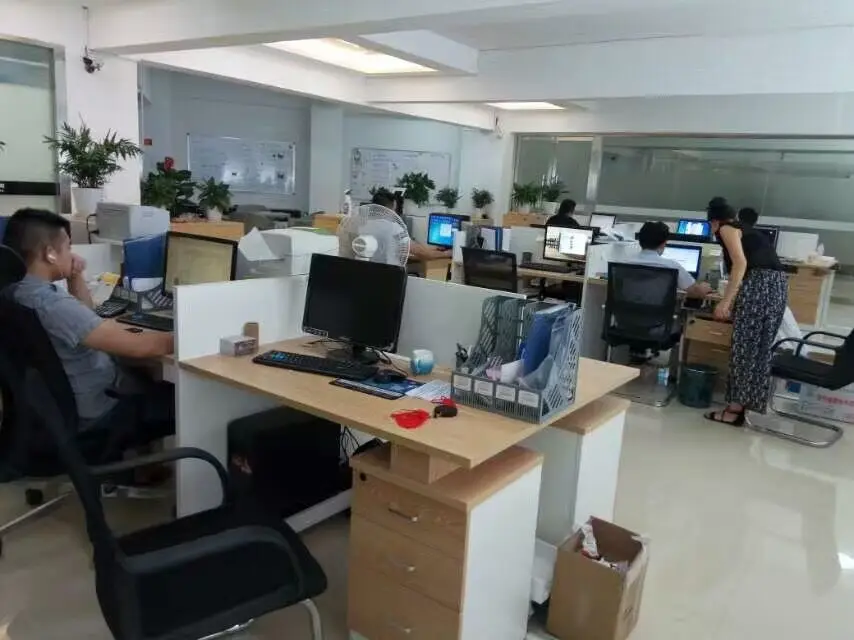
Yiwu Feiling Jewelry Co., Ltd.
- Trading Company
- Zhejiang, China
- Lead time15 days
- Avg. response≤ 3h
Main productsbracelet,necklace,earring,rings,sunglasses
Main marketsNorth America(30.00%), South America(15.00%), Central America(10.00%), Western Europe(8.00%), Eastern Europe(7.00%), Southern Europe(6.00%), Northern Europe(5.00%), Africa(5.00%), Southeast Asia(5.00%), Mid East(5.00%), South Asia(2.00%), Eastern Asia(2.00%)
Yiwu Beiyuan Glasses Co., Ltd.
- Verified by Intertek
- Manufacturer, Trading Company
- Lead time12 days
- Avg. response≤ 5h
Main productsSunglasses, Glasses Frame, Anti Blue Light Glasses, Optical Glasses, Glasses Accessory
Main marketsNorth America(60%), Oceania(10%), Domestic Market(10%)
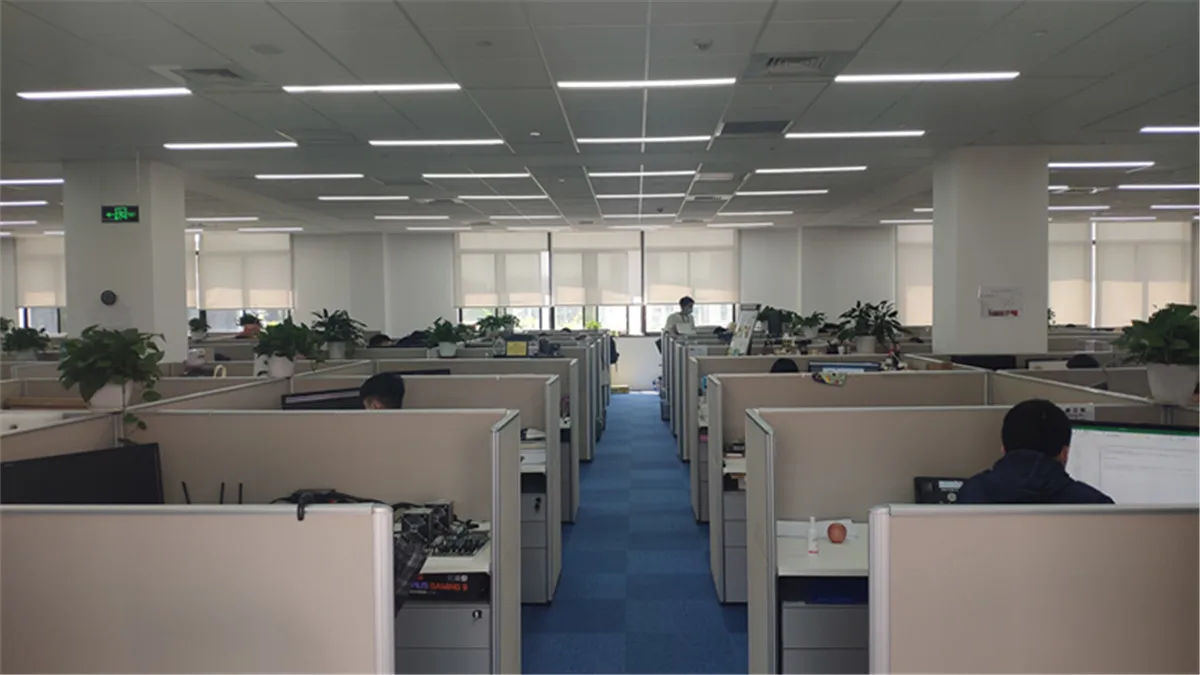
- Trading Company
- Zhejiang, China
- Lead time5 days
- Avg. response≤ 5h
Main productsdesigner sunglasses,designer jewellery,designer hats,designer shoes,designer handbag
Main marketsNorth America(59.00%), Eastern Europe(10.00%), Oceania(7.00%), Southern Europe(6.00%), Western Europe(6.00%), Northern Europe(5.00%), Eastern Asia(3.00%), Africa(2.00%), Southeast Asia(1.00%), South America(0.50%), Mid East(0.30%), South Asia(0.10%), Central America(0.10%)

Wenzhou Yangming Eyewear Accessories Co., Ltd
- Verified by SGS
- Combined
- China Zhejiang
- Lead time30 days
- Avg. response≤ 4h
Main marketsDomestic

Fashionable New Y2K Millennium Babe Star Rimless Sunglasses with a Premium Futuristic Vibe
$3.10 - $3.30
MOQ: 12 Pieces


New Metal Rimless Sunglasses for Women, Trendy and Stylish UV-Protection Sunglasses for Men
$1.90 - $2.20
MOQ: 12 Pieces


Wenzhou Ouyuan Optical Co., Ltd.
- Verified by SGS
- Trading Company
- China Zhejiang
- Lead time60 days
- Avg. response≤ 3h
Main productsSunglasses, OEM ODM Sunglasses, Custom Sunglasses, Glasses, Eyeglass, Glasses Case, Estuche Para Gafas, Reading Glasses, Polarized Lens, Gafas De Sol
Main marketsEurope,North America
Taizhou Xinke Optical Glasses Co., Ltd.
- Manufacturer, Trading Company
- Lead time旺季: "1 - 2":7,"3 - 6":15,"7 - 51":45,"> 51":"To be negotiated", 淡季: "1 - 2":7,"3 - 6":15,"7 - 51":45,"> 51":"To be negotiated"
- Avg. response≤ 1h
Main productsGlasses,optical lens,frame,sunglasses

- Verified by BV
- Trading Company
- China Zhejiang
- Lead time30 days
- Avg. response≤ 8h
Main productsSunglass, Optical Frame, Sports Sunglasses, Kid's Optical Frames, Reading Glasses, Polarized Sunglasses, Eyeglasses Frame, Sun Glasses, Eyewear Frame, Sunglasses Case
Main marketsEurope,North America

Huizhou Sunkey Optical Co., Ltd.
- Verified by SGS
- Combined
- China Guangdong
- Lead time45 days
- Avg. response≤ 7h
Main marketsDomestic


2026 Women's Vintage UV400 Wholesale Sunglasses Logo Custom Design Outdoor Full Frame Y2K Sunglasses
$1.10 - $3.50
MOQ: 100 Pieces


Taizhou Hannibal E-Commerce Co., Ltd.
- Verified by Intertek
- Trading Company
- Lead time30 days
- Avg. response≤ 2h
Main productsSunglasses

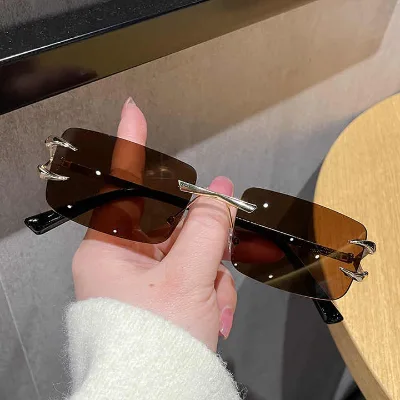
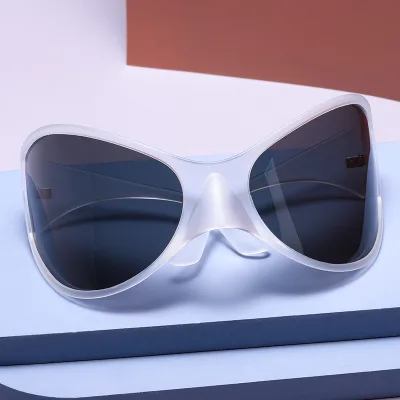
$2.66 - $2.95
MOQ: 2 pieces


$0.95 - $1.08
MOQ: 2 pieces

Taizhou Kayi Glasses Co., Ltd.
- Manufacturer, Trading Company
- Zhejiang, China
- Lead time0 days
- Avg. response≤ 6h
Main productsSunglasses,Optical glasses,Reading glasses
Main marketsNorth America(40.00%), Southern Europe(12.00%), Western Europe(11.00%), Southeast Asia(11.00%), Domestic Market(5.00%), Northern Europe(5.00%), Oceania(3.00%), Eastern Europe(3.00%), South America(3.00%), Mid East(2.00%), Africa(2.00%), Eastern Asia(1.00%), South Asia(1.00%), Central America(1.00%)
- Verified by SGS Group
- Trading Company
- Lead time15 days
- Avg. response≤ 2h
Main productsSunglasses, Optical Frames, Eyeglasses Frames, Sports Sunglasses, Polarized Sunglasses
Main marketsNorth America(55%), Western Europe(40%), Southeast Asia(5%)

Wenzhou Readsun Optical Co., Ltd.
- Verified by SGS
- Trading Company,Manufacturer/Factory
- China Zhejiang
- Lead time60 days
- Avg. response≤ 7h
Main productsSunglasses, Reading Glasses, Optical Frame, Plastic Sunglasses, Kid's Sunglasses, Metal Sunglasses, Sport Sunglasses, Titanium Optical Frame, LED Reading Glasses, Promotion Sunglasses
Main marketsSouth America,Eastern Europe,Mid East,North America,Southeast Asia,Eastern Asia,Oceania,Western Europe,Africa

Newest Big Frame Women Men Sunglasses Oversized Wholesale Retro Rimless Shades Sunglasses
$2.80 - $2.99
MOQ: 2 Pieces

Oversized Retro Vintage Luxury Brand Rimless Sunglasses for Women Oculos De Sol Feminino
$1.57 - $2.21
MOQ: 12 Pieces

Shenzhen Chenxi Lingdong Technology Co., Ltd.
- Verified by BV
- Trading Company
- China Guangdong
- Lead time15 days
- Avg. response≤ 13h
Main marketsSoutheast Asia/ Mideast,Europe,North America
Yiwu Longge Accessories Limited
- Trading Company
- Zhejiang, China
- Lead time5 days
- Avg. response≤ 5h
Main productssocks,men socks,custom socks,Sunglasses,Hats
Main marketsSouth America(30.00%), North America(20.00%), Western Europe(15.00%), Mid East(5.00%), Oceania(5.00%), Southeast Asia(5.00%), Eastern Europe(5.00%), Africa(3.00%), Domestic Market(2.00%), Eastern Asia(2.00%), South Asia(2.00%), Southern Europe(2.00%), Northern Europe(2.00%), Central America(2.00%)
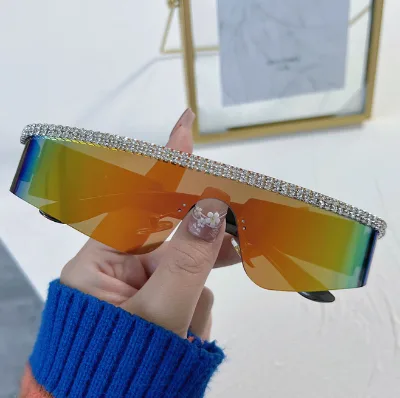
$2.10 - $2.30
MOQ: 30 pieces

- Verified by BV
- Trading Company
- China Zhejiang
- Lead time30 days
- Avg. response≤ 9h
Main productsWomen Bags, Sunglass, Jewelry, Women Perfume, Baseball Caps, Earrings, Necklace, Sport Hats, Women Shoes, Handbags
Main marketsNorth America


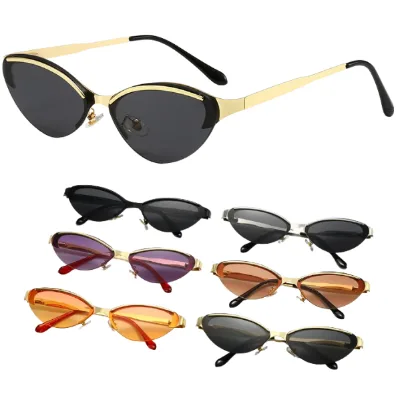
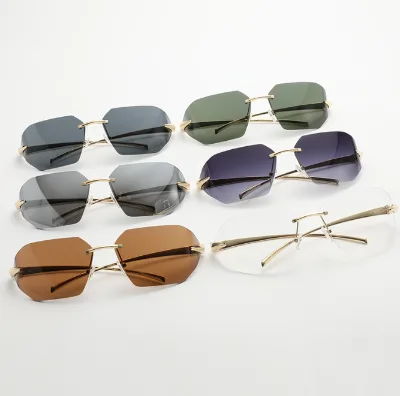
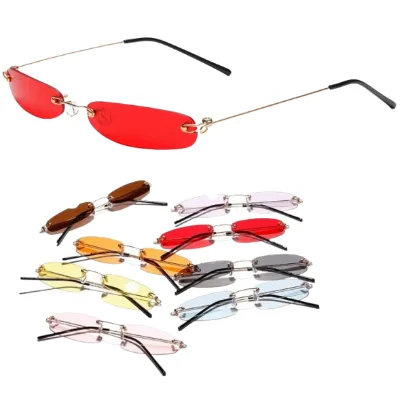
Luxury Sunglasses Custom Designer Small Rectangle Sun Glasses Trendy Women Men Rimless Sunglasses
$2.99 - $3.99
MOQ: 2 Pieces


Sky & Sea Optical MFY Co., Ltd.
- Verified by SGS
- Combined
- China Zhejiang
- Lead time60 days
- Avg. response≤ 5h
Main productsOptical Frame, Sunglasses, Reading Glasses, 3D Glasses, Blocking Pad, Eyeglasses, Optical Frames, Glasses Case, Safety Glasses, Lens Cleaner
Main marketsSouth America,Europe,North America
- Verified by SGS Group
- Trading Company
- Lead time15 days
- Avg. response≤ 5h
Main productsSunglasses, Glasses Frame, Acetate Sunglasses, Sunglasses Case, Polarized Sunglasses
Main marketsNorth America(60%), Western Europe(20%), Eastern Europe(10%)
Yiwu Luba Technology Co., Ltd.
- Verified by TüVRheinland
- Manufacturer, Trading Company
- Lead time25 days
- Avg. response≤ 4h
Main productsEyewear, Eyeglasses Frames
Main marketsNorth America(65%), Oceania(15%), Eastern Europe(5%)
Fuzhou Hengchang Technology Co., Ltd.
- Verified by TüVRheinland
- Trading Company
- Lead time15 days
- Avg. response≤ 3h
Main productsSunglasses
Main marketsNorth America(80%), Western Europe(15%), Oceania(2%)

- Trading Company
- China Zhejiang
- Lead time0 days
- Avg. response≤ 4h
Main productsOptical Glasses, Reading Glasses, Sunglasses, Blue Light Blocking Glasses, Eyeglasses Frames, Kid's Sunglasses, Titanium Optical Frame, Women Reading Glasses, Mens Spectacles Frames, Fashion Sunglasses
Taizhou Fancy Optical Co., Ltd.
- Trading Company
- Zhejiang, China
- Lead time15 days
- Avg. response≤ 15h
Main productssunglasses,reading glasses,optical glasses,pet glasses,decorative glasses
Main marketsNorth America(35.00%), Western Europe(20.00%), Eastern Europe(15.00%), Southeast Asia(10.00%), South America(10.00%), Mid East(5.00%), South Asia(5.00%)
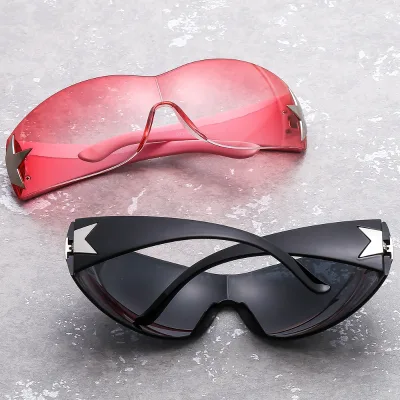
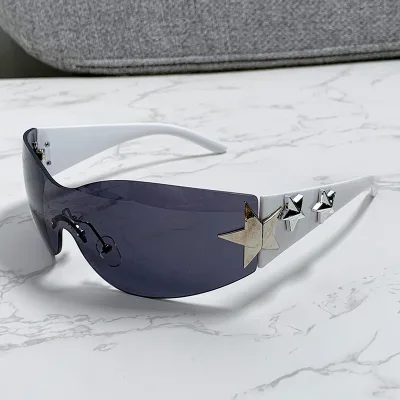

Metal Y2K Hollow Sunglasses Women European Style Trendy Club Shades Fashion Eyewear
$1.67 - $1.86
MOQ: 10 pieces

Wenzhou Dilicn Optical Co., Ltd
- Verified by TUVRHEINLAND
- Trading Company
- China Zhejiang
- Lead time15 days
- Avg. response≤ 7h
Main productssports sunglasses, reading glasses, optical frames
Main marketsSouth America,Europe,North America

Women Y2K Vintage Round Acetate Sunglasses Small Retro Oval Frame Gradient Tint Outdoor Sun Shades
$6.58 - $7.38
MOQ: 12 Pieces

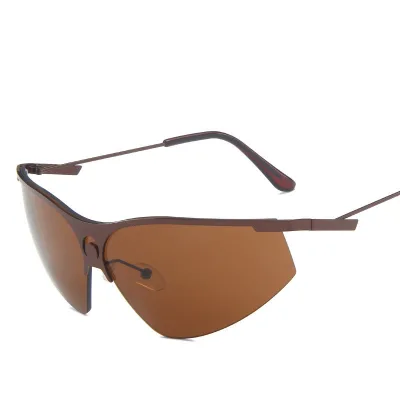
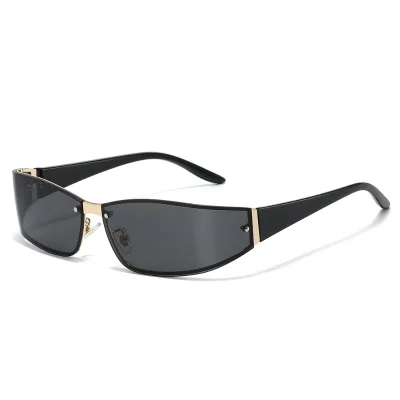
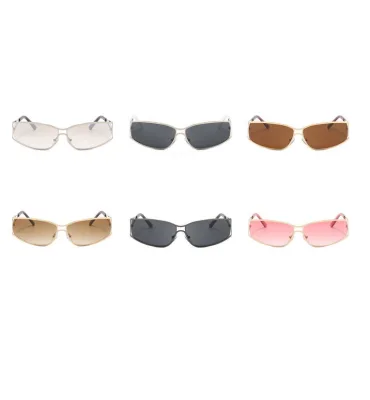






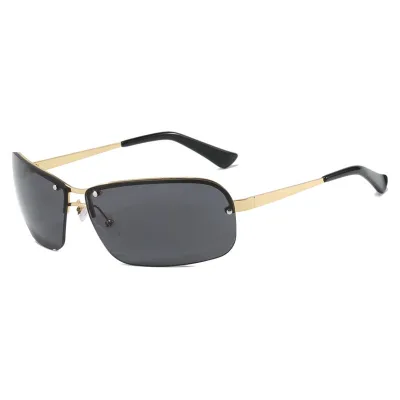
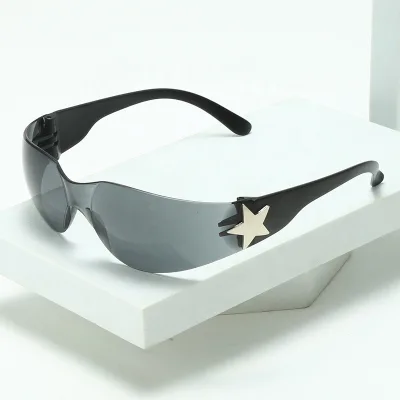
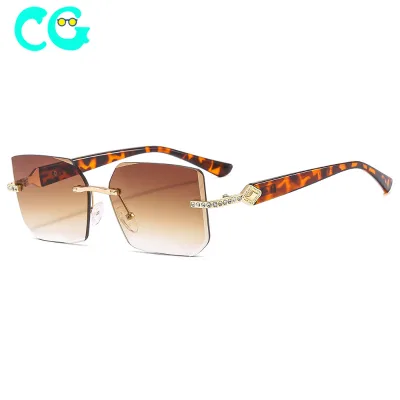

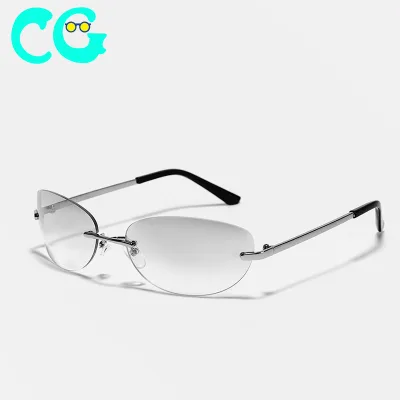


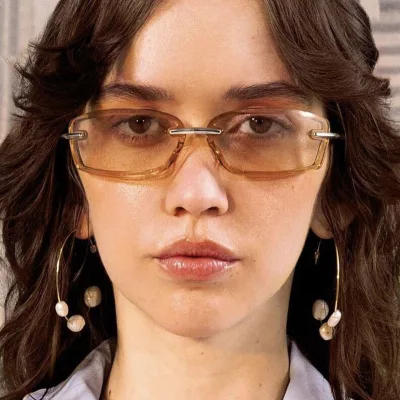



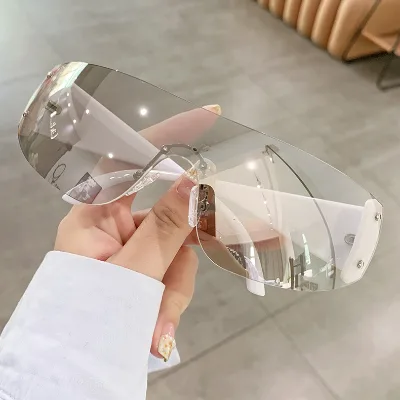
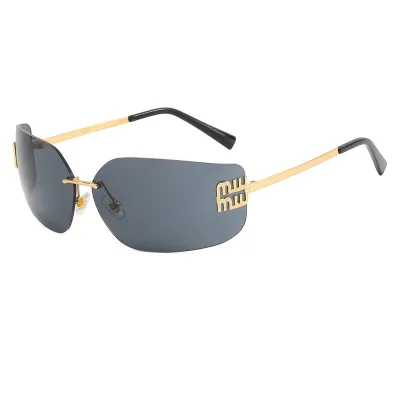



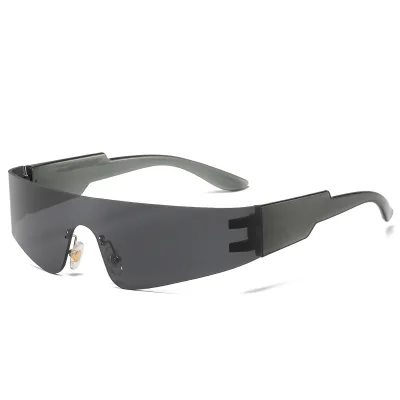
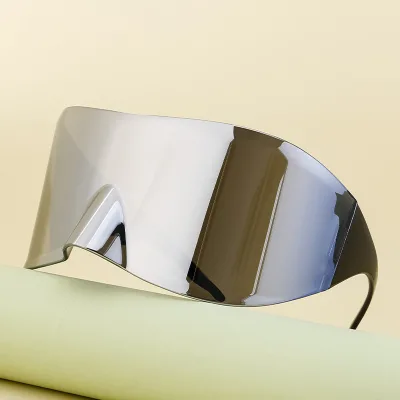
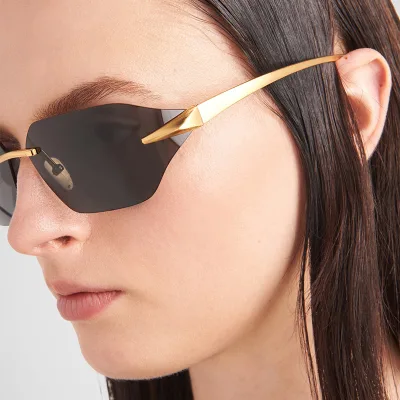


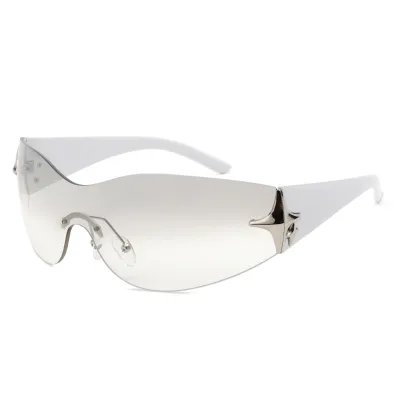
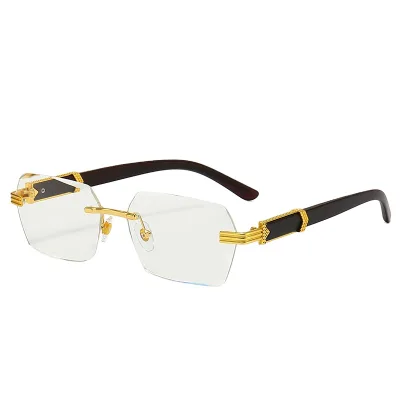
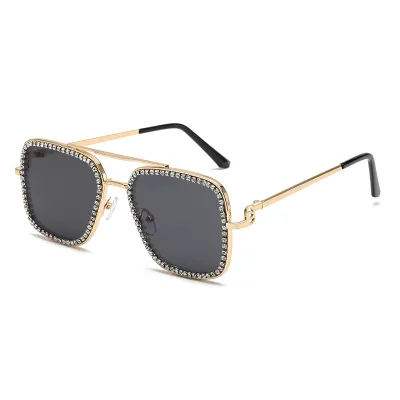

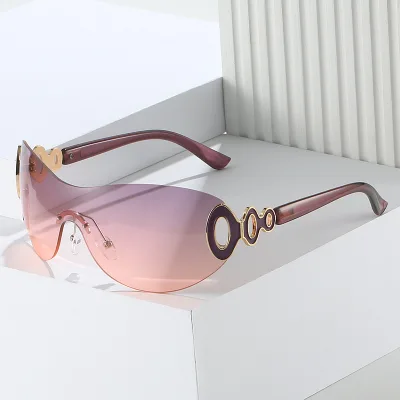


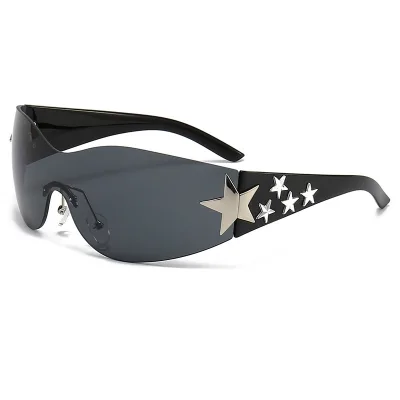
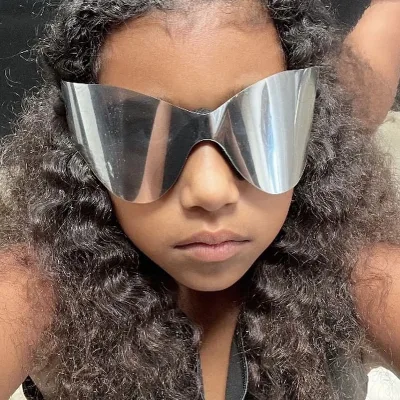
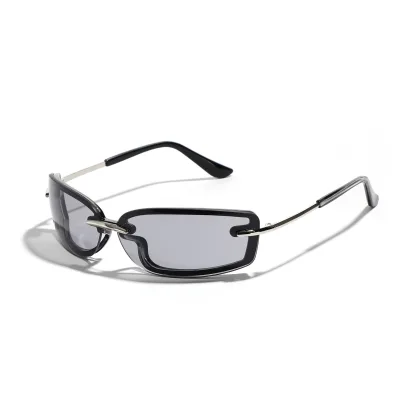
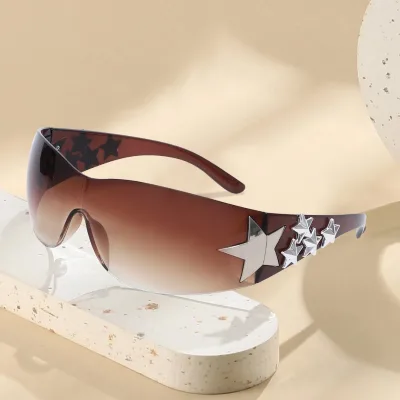
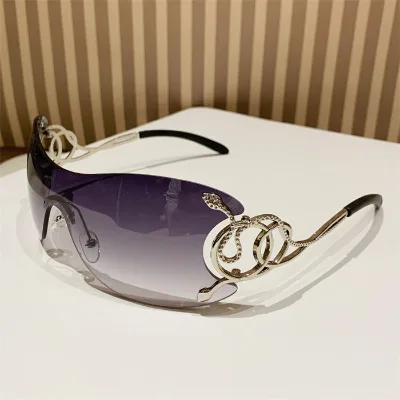
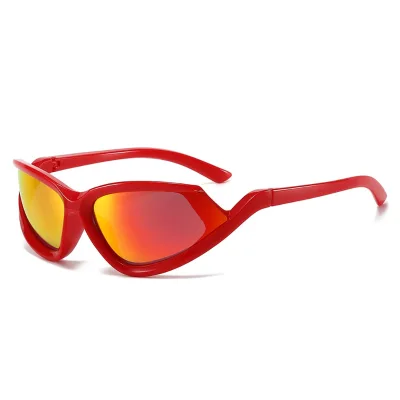



Comprehensive Sourcing Guide
Retro Y2K Rimless Sunglasses Supplier Concentration and Factory Types
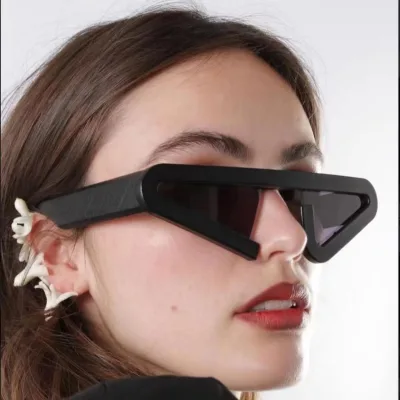
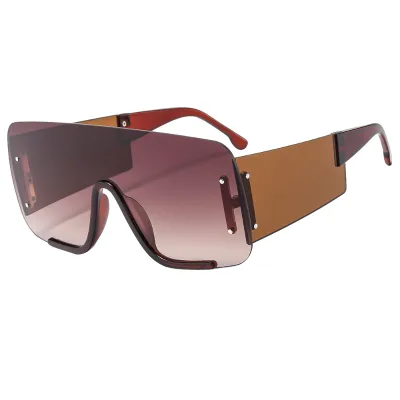
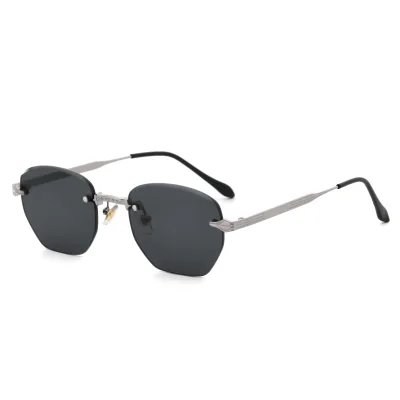
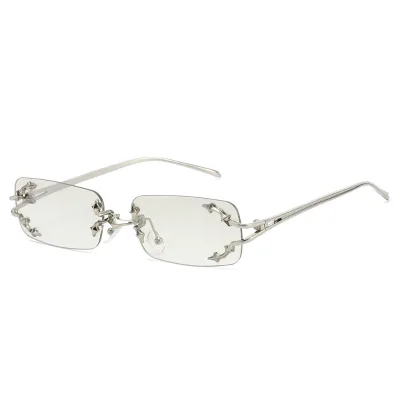
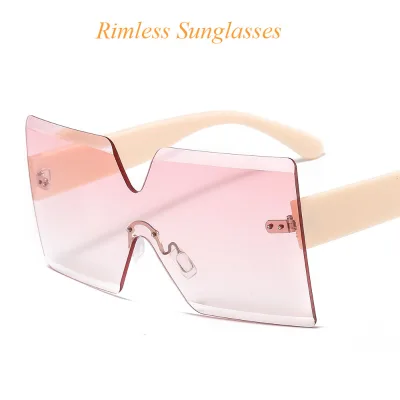
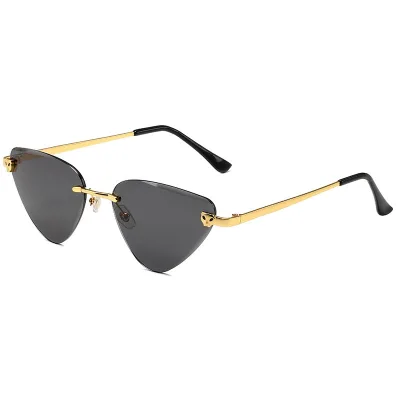
The sourcing landscape for Retro Y2K Rimless Sunglasses reveals a distinct concentration of manufacturing activity within specific Chinese provinces, with Zhejiang emerging as a primary hub for this niche eyewear category. Suppliers located in this region often specialize in a blend of fashion-forward designs and functional eyewear, catering to the high-volume demands of global retail markets. The product evidence indicates that many manufacturers in Zhejiang focus on materials such as metal frames and PC lenses, which are essential for achieving the lightweight, durable aesthetic characteristic of Y2K fashion trends. This geographic clustering allows for efficient supply chain management, where raw material sourcing and final assembly can occur within close proximity, reducing transit times for components and enabling faster turnaround for custom orders. Buyers evaluating suppliers in this region should note that the concentration of trading companies alongside factories provides a diverse range of options, from direct manufacturing to curated product selections that simplify the procurement process for international buyers who may not have the resources to manage complex factory relationships directly.
Factory types in this sector vary significantly, ranging from specialized eyewear manufacturers to broader trading companies that aggregate products from multiple smaller workshops. The observed data shows that some suppliers identify primarily as trading companies, which can offer a wider variety of styles, including vintage shades and punk-inspired rimless designs, without the need for the buyer to engage with multiple individual factories. These trading entities often provide value-added services such as sample making and mold creation, which are critical for brands looking to customize their retro Y2K offerings. Conversely, direct manufacturers may offer more competitive pricing on high-volume orders but might have stricter minimum order quantities and less flexibility in design changes. The presence of OEM and ODM branding on product listings suggests that many suppliers are equipped to handle private label requests, allowing buyers to establish their own brand identity while leveraging existing manufacturing capabilities. Understanding this distinction is crucial for buyers to align their sourcing strategy with their business model, whether they prioritize speed and variety or cost efficiency and brand control.
How to Verify Retro Y2K Rimless Sunglasses Suppliers
Verifying the legitimacy and capability of Retro Y2K Rimless Sunglasses suppliers requires a multi-layered approach that goes beyond surface-level product listings. One critical step is to check for third-party verification badges, such as those from TÜV Rheinland, which indicate that the supplier has undergone rigorous audits of their business operations and manufacturing facilities. These verifications provide a layer of confidence regarding the supplier’s legal standing and operational stability, reducing the risk of engaging with fraudulent entities. Buyers should also scrutinize the supplier’s response time and lead time metrics, as these indicators often reflect the efficiency and reliability of their internal processes. A supplier with a rapid response time, such as one day, may indicate a well-stocked inventory or a streamlined communication channel, whereas longer response times might suggest a more traditional, slower-moving operation. Additionally, examining the supplier’s main product categories can reveal their depth of expertise; a supplier focusing exclusively on eyewear is likely more knowledgeable about material specifications and quality control than a generalist trading company.
Beyond verification badges and operational metrics, buyers should assess the supplier’s certification status and compliance with international standards. The presence of CE certification on product listings is a strong indicator that the supplier adheres to European safety and quality regulations, which is particularly important for eyewear that must meet specific optical and material safety requirements. Buyers should request copies of these certificates and verify their validity through the issuing body to ensure they are current and applicable to the specific products being sourced. Furthermore, examining the detailed product attributes, such as lens material (e.g., AC or PC) and optical attributes (e.g., UV400 protection), can provide insights into the supplier’s attention to detail and commitment to quality. Suppliers that provide comprehensive and accurate product specifications are more likely to deliver products that meet buyer expectations. Buyers should also look for evidence of customization capabilities, such as the ability to provide mold making and sample making services, which are essential for developing unique retro Y2K designs that stand out in the competitive fashion market.
What to Compare Across Retro Y2K Rimless Sunglasses Suppliers
When evaluating multiple suppliers for Retro Y2K Rimless Sunglasses, buyers must systematically compare key commercial and operational dimensions to identify the most suitable partner for their specific needs. One of the most critical factors is the minimum order quantity (MOQ), which can vary significantly across suppliers. Some suppliers may offer low MOQs, such as two pieces, which is ideal for testing the market or fulfilling small boutique orders, while others may require MOQs of 500 pieces or more, catering to larger retail chains or distributors. Buyers should align their MOQ requirements with their inventory strategy and cash flow capabilities to avoid overstocking or underutilizing production capacity. Additionally, comparing price ranges is essential, as costs can fluctuate based on material choices, customization levels, and order volumes. For instance, prices for rimless sunglasses may range from approximately $1.30 to $4.45 per unit, depending on the complexity of the design and the quality of the lenses and frames. Buyers should request detailed quotations that break down costs to understand the value proposition of each supplier.
Lead time and response speed are another crucial pair of metrics to compare, as they directly impact the buyer’s ability to meet market demand and manage inventory. Suppliers with shorter lead times, such as five days, can offer greater flexibility for rush orders or seasonal collections, while those with longer lead times, such as 25 to 30 days, may require more advanced planning and larger inventory buffers. Response time is equally important, as it reflects the supplier’s willingness and ability to communicate effectively. A supplier that responds within a day is more likely to be responsive to queries, resolve issues quickly, and provide timely updates on order status. Buyers should also compare the range of main products offered by each supplier, as a broader catalog may indicate a more versatile manufacturing capability or a more extensive network of partners. Finally, examining the supply ability, such as the number of pieces produced per day, can provide insights into the supplier’s capacity to handle large orders without compromising quality or delivery schedules. By systematically comparing these dimensions, buyers can make informed decisions that balance cost, speed, and reliability.
Common Retro Y2K Rimless Sunglasses Sourcing Risks
Sourcing Retro Y2K Rimless Sunglasses involves several inherent risks that buyers must proactively manage to ensure a successful procurement process. One significant risk is the potential for quality inconsistencies, particularly when dealing with suppliers that offer a wide variety of styles and materials. Rimless designs, in particular, require precise engineering to ensure durability and safety, as the lack of a full frame places greater stress on the lens attachment points. Buyers may encounter issues such as loose lenses, fragile frames, or inadequate UV protection if the supplier does not adhere to strict quality control standards. This risk is exacerbated when working with trading companies that may not have direct oversight of the manufacturing process, leading to discrepancies between the samples provided and the final bulk production. To mitigate this risk, buyers should insist on pre-production samples and conduct thorough inspections before authorizing full-scale production. Additionally, specifying clear quality requirements in the purchase agreement, including acceptable defect rates and testing protocols, can help hold suppliers accountable for maintaining consistent product quality.
Another common risk is the potential for delays in delivery, which can disrupt the buyer’s supply chain and result in missed market opportunities. Lead times can vary significantly based on the supplier’s current workload, material availability, and logistical constraints. Buyers may face delays if the supplier encounters production bottlenecks or if there are issues with customs clearance and shipping. This risk is particularly acute for seasonal products like retro Y2K sunglasses, where timing is critical to capturing consumer interest. To manage this risk, buyers should establish clear communication channels with their suppliers and request regular updates on production progress. It is also advisable to build buffer time into the procurement schedule to account for potential delays. Furthermore, buyers should consider diversifying their supplier base to reduce dependency on a single source, which can provide greater flexibility and resilience in the face of unexpected disruptions. By anticipating and addressing these risks, buyers can minimize the impact of sourcing challenges and ensure a smoother procurement experience.
Retro Y2K Rimless Sunglasses Regional Sourcing and Logistics
The regional concentration of Retro Y2K Rimless Sunglasses suppliers in China, particularly in Zhejiang, offers distinct advantages and challenges for international buyers. Sourcing from this region allows buyers to benefit from established manufacturing ecosystems that are well-versed in producing fashion eyewear, with access to a wide range of materials and components. However, buyers must also navigate the complexities of international logistics, including shipping costs, transit times, and customs regulations. The proximity of suppliers to major ports in Zhejiang can facilitate efficient export processes, but buyers should still plan for potential delays due to global shipping disruptions or peak season congestion. Additionally, buyers should consider the environmental and social implications of their sourcing decisions, as increasing consumer awareness of sustainability practices may influence brand perception and market demand. Suppliers in this region may have varying levels of compliance with environmental standards, so buyers should inquire about their sustainability initiatives and certifications to align with their corporate social responsibility goals.
Logistics planning also involves selecting the appropriate shipping method based on the urgency and volume of the order. For smaller, time-sensitive orders, air freight may be the preferred option, despite higher costs, to ensure timely delivery. For larger, less urgent shipments, sea freight offers a more cost-effective solution, although it requires longer lead times and more complex coordination. Buyers should work closely with their suppliers and freight forwarders to optimize shipping routes and consolidate shipments where possible to reduce costs. Additionally, buyers should be aware of import duties and taxes in their home country, which can impact the total landed cost of the products. Understanding these regional and logistical factors is essential for developing a robust sourcing strategy that balances cost efficiency with supply chain reliability. By leveraging the strengths of the Zhejiang manufacturing cluster while mitigating logistical risks, buyers can establish a sustainable and competitive supply chain for Retro Y2K Rimless Sunglasses.
Retro Y2K Rimless Sunglasses Commercial Terms and Order Planning
Effective order planning for Retro Y2K Rimless Sunglasses requires careful attention to commercial terms that govern the transaction between buyer and supplier. Key terms to negotiate include payment methods, such as the use of escrow services to secure funds until the goods are received and verified, which provides an additional layer of protection for the buyer. Buyers should also clarify the terms of delivery, such as Incoterms, to determine who is responsible for shipping costs, insurance, and customs clearance. Clear communication regarding these terms helps prevent misunderstandings and ensures that both parties have a shared understanding of their obligations. Additionally, buyers should establish a clear timeline for order placement, production, and delivery, aligning it with their sales forecasts and marketing campaigns. This proactive planning helps to minimize the risk of stockouts or overstocking and ensures that products are available when needed to capture market demand.
Another critical aspect of order planning is the management of customization and branding requirements. Buyers seeking to establish their own brand identity should work closely with suppliers to finalize design specifications, packaging details, and labeling requirements well in advance of production. This includes confirming the accuracy of any logos, text, or graphics that will be applied to the products or their packaging. Buyers should also discuss the process for approving samples and making any necessary revisions before bulk production begins. By investing time in these preparatory steps, buyers can reduce the likelihood of errors and delays during the production phase. Furthermore, buyers should consider the long-term relationship with their supplier, as a reliable partner can offer valuable insights into market trends and product innovations. Building a strong partnership based on clear communication and mutual trust can lead to more favorable commercial terms and greater flexibility in
FAQs
What MOQs apply to Retro Y2K Rimless Sunglasses?
Listed MOQs for Retro Y2K Rimless Sunglasses range from as low as 2 pieces on some fashion styles up to 500 pieces on others, with 10-piece minimums also common. Confirm the exact MOQ per model before ordering, since requirements vary by frame design, customization level, and whether mould or sample making services are involved.
How much do Y2K rimless sunglasses cost per unit?
Prices on this page range roughly from 1.30 to 4.45 USD per piece depending on the model, materials, and order quantity. Rimless PC-frame styles at higher volumes sit at the lower end, while metal-frame and shield designs cost more. Always request a current quotation for your specific quantity and lens color selection.
Do these sunglasses provide UV400 protection?
Several listed styles specify UV400 lenses, including both AC and PC lens options, so buyers can expect ultraviolet protection on those models. However, not every product listing states a UV rating, and some explicitly note non-polarized lenses. Verify the UV certification and test documentation for the exact model you intend to purchase before placing bulk orders.
What lead times should buyers expect?
Lead times on this page range from as fast as 5 days for some suppliers to around 25 or 30 days for others. The shorter times generally apply to ready-stock fashion styles, while longer lead times may reflect larger production runs. Confirm the lead time for your chosen model, quantity, and any customization before confirming the order.
Which materials are used in these Y2K rimless frames?
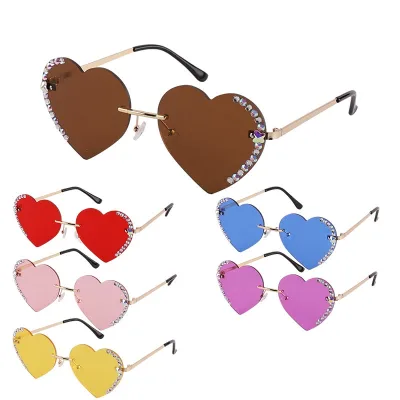
Frame materials across listings include PC (polycarbonate) and metal or stainless frames, with lenses in AC or PC. Lens attributes include mirror and gradient finishes, and some styles feature decorative elements like rhinestone hearts. Check the specific model number to confirm the exact frame material, lens material, and available lens colors for your target market.
Can suppliers customize rimless sunglasses with my own branding?
Yes, customization is available from some suppliers, and at least one listing explicitly offers mould making and sample making services under OEM/ODM arrangements. Customization may affect MOQ, unit price, and lead time, so request sample and tooling costs first. Ask which branding options, such as logo printing or custom packaging, are supported for your chosen frame.
Where are these sunglasses suppliers located?
The suppliers on this page are based in Zhejiang, China, with at least one listing specifying Taizhou as the place of origin. Zhejiang is a major eyewear manufacturing region, which supports competitive pricing and varied styles. Confirm whether your chosen supplier is a manufacturer or a trading company, as this affects pricing and quality control.
How quickly do these suppliers respond to inquiries?
Response times on this page vary from about 1 hour for the fastest supplier to roughly 6 hours for others, with one verified supplier averaging around 6.24 hours. Faster responders are typically better for time-sensitive sampling and order changes. Factor response speed into supplier selection if your project involves frequent revisions or tight seasonal deadlines.