anti-blue light pc eyeglasses Suppliers and Manufacturers
Explore 28 verified options for anti-blue light pc eyeglasses with clear data on location, lead times, and certifications. Compare response times, MOQs, and price ranges to identify suitable partners for your bulk orders today; review the available evidence before requesting comparable quotations from suitable candidates.
Updated
Suppliers List

- Trading Company
- China Zhejiang
- Lead time0 days
- Avg. response≤ 4h
Main productsOptical Glasses, Reading Glasses, Sunglasses, Blue Light Blocking Glasses, Eyeglasses Frames, Kid's Sunglasses, Titanium Optical Frame, Women Reading Glasses, Mens Spectacles Frames, Fashion Sunglasses


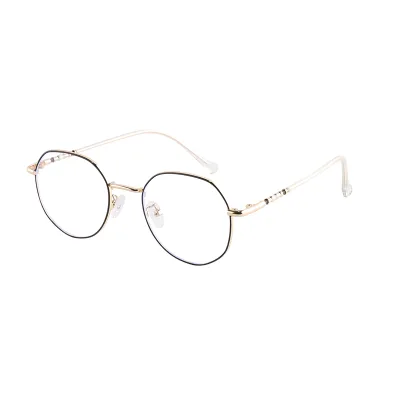
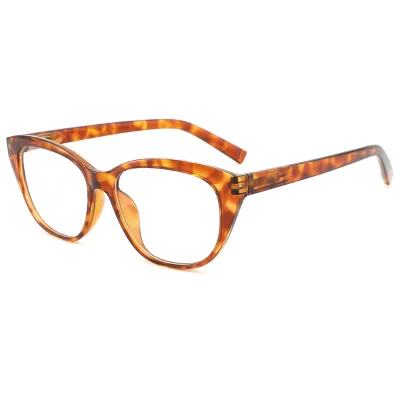
Anti-Blue Light Eyeglass Frame Glasses Computer Eyeglasses Readers Frame
$0.50 - $1.65
MOQ: 1200 Pieces


Fashion Computer Optical Frame Anti Blue Light Blocking Glasses Eyeglasses Frame
$1.90 - $2.30
MOQ: 1200 Pieces

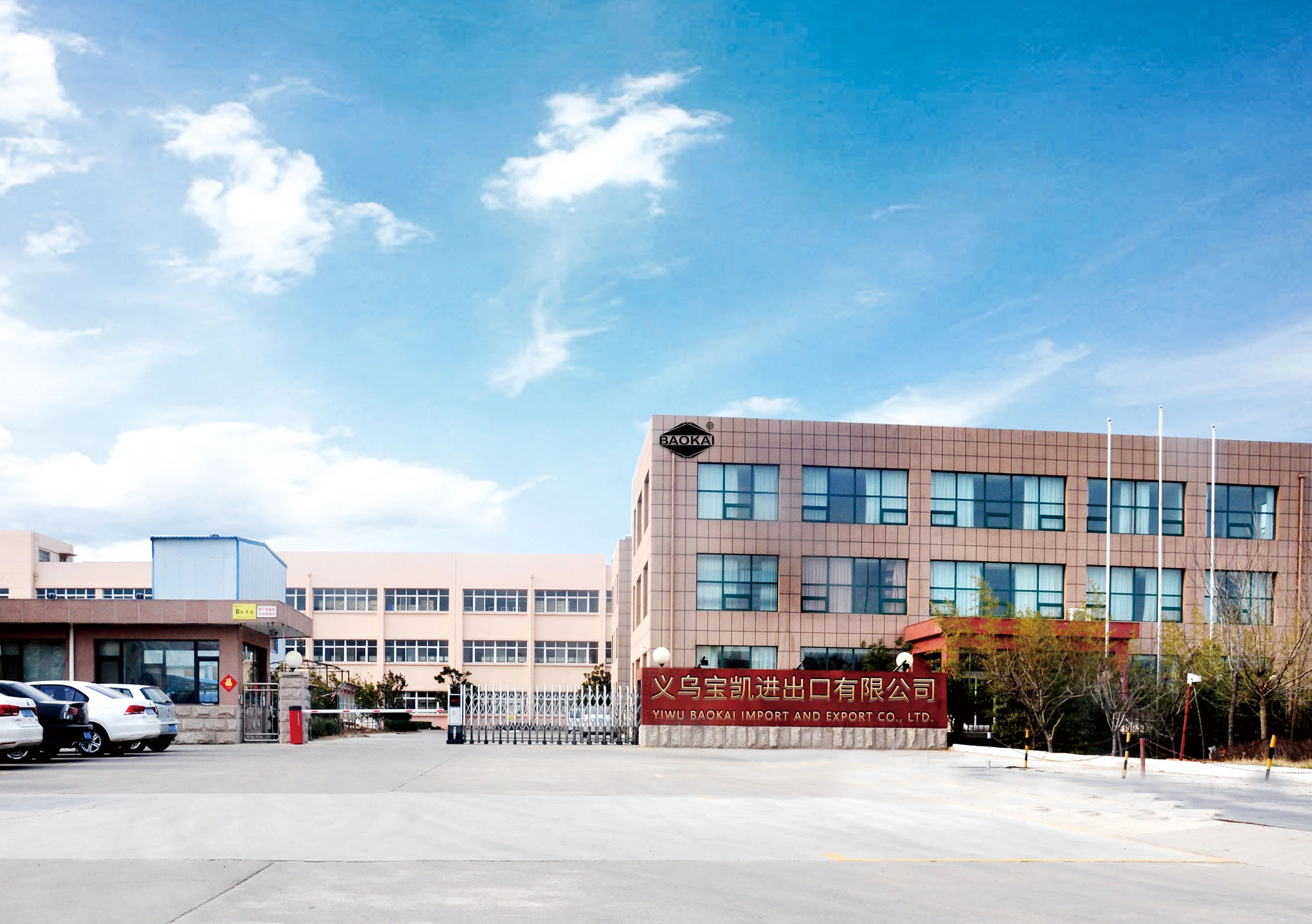
Yiwu Baokai Import And Export Co., Ltd.
- Trading Company
- Zhejiang, China
- Lead time5 days
- Avg. response≤ 1h
Main productsglass,Sunglasses,glass box,glass tissue,Eyewear
Main marketsNorth America(20.00%), Eastern Europe(18.00%), Africa(14.00%), Western Europe(10.00%), Southeast Asia(5.00%), Southern Europe(5.00%), Mid East(5.00%), Northern Europe(5.00%), South America(5.00%), South Asia(4.00%), Central America(4.00%), Eastern Asia(3.00%), Domestic Market(1.00%), Oceania(1.00%)
- Verified by SGS Group
- Trading Company
- Lead time15 days
- Avg. response≤ 5h
Main productsSunglasses, Glasses Frame, Acetate Sunglasses, Sunglasses Case, Polarized Sunglasses
Main marketsNorth America(60%), Western Europe(20%), Eastern Europe(10%)
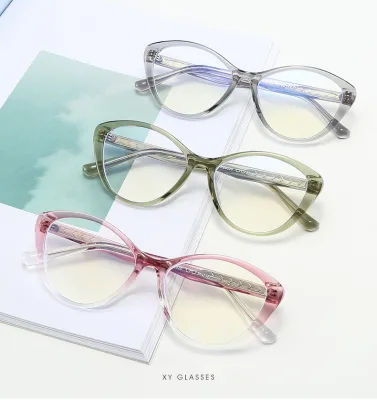
$2.9061 - $3.5068
MOQ: 3 pieces
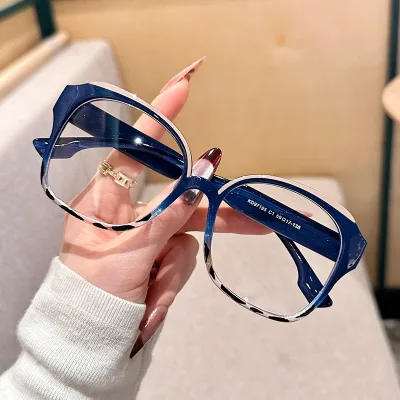
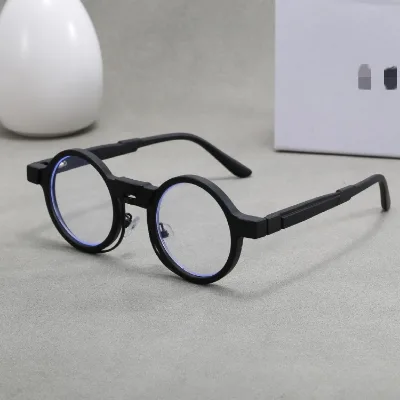

- Verified by BV
- Trading Company
- China Zhejiang
- Lead time30 days
- Avg. response≤ 8h
Main productsSunglass, Optical Frame, Sports Sunglasses, Kid's Optical Frames, Reading Glasses, Polarized Sunglasses, Eyeglasses Frame, Sun Glasses, Eyewear Frame, Sunglasses Case
Main marketsEurope,North America


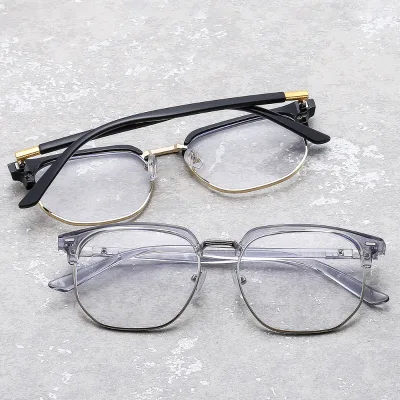
Overside Square PC Optical Frame Women's Anti Blue Light Glasses in Ready Stock
$3.35 - $3.85
MOQ: 2 Pieces

High Quality Square Optical Frame Blue Ray Cut Computer Protection Glasses PC Eyewear in Ready Stock
$3.80 - $4.15
MOQ: 2 Pieces

Fashion Optical Frame PC Material with Blue Light Protection Eyeglasses in Ready Stock
$2.80 - $3.50
MOQ: 2 Pieces
Taizhou Shuochun Glasses Technology Co., Ltd.
- Trading Company
- Zhejiang, China
- Lead time25 days
- Avg. response≤ 6h
Main productsSunglasses, Optical Eyewear, Sports Eyewear, Eyeglasses Frames, Eyeglasses Cases
Main marketsNorth America(25.00%), Eastern Europe(10.00%), Southeast Asia(10.00%), Northern Europe(8.00%), Western Europe(7.00%), Domestic Market(7.00%), South Asia(5.00%), Eastern Asia(5.00%), South America(5.00%), Africa(5.00%), Mid East(5.00%), Oceania(3.00%), Southern Europe(3.00%), Central America(2.00%)
Taizhou Fancy Optical Co., Ltd.
- Trading Company
- Zhejiang, China
- Lead time15 days
- Avg. response≤ 15h
Main productssunglasses,reading glasses,optical glasses,pet glasses,decorative glasses
Main marketsNorth America(35.00%), Western Europe(20.00%), Eastern Europe(15.00%), Southeast Asia(10.00%), South America(10.00%), Mid East(5.00%), South Asia(5.00%)
Wenzhou Changhui International Trade Co., Ltd.
- Trading Company
- Zhejiang, China
- Lead time40 days
- Avg. response≤ 4h
Main productsSUNGLASS,READING GLASS,SAFTY FRAME,GOGGLES,DISPLAY
Main marketsSouthern Europe(17.00%), South America(15.00%), North America(15.00%), Central America(12.00%), Western Europe(10.00%), Eastern Europe(10.00%), Oceania(8.00%), Southeast Asia(8.00%), Northern Europe(5.00%)
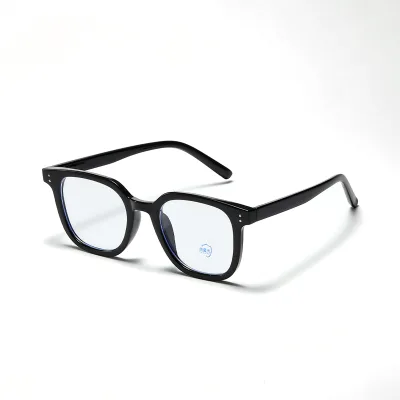
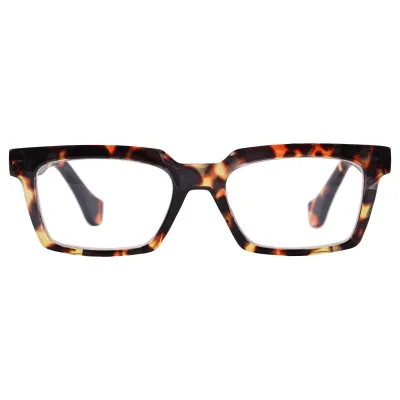
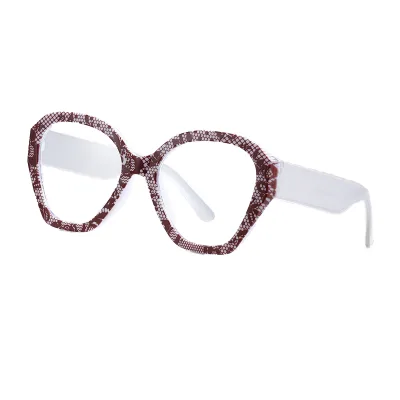
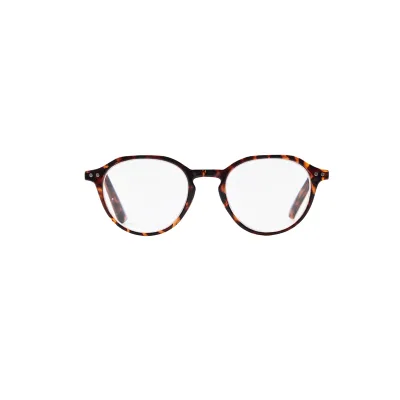
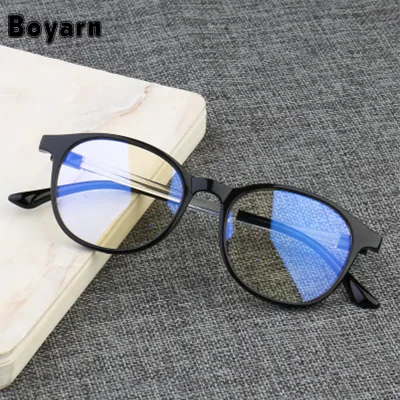
Anti Blue Light Lens Reading Glasses Eyeglasses Clear Frame Glasses Eye Glasses O
$0.7685
MOQ: 600 Minimum
Wenzhou Goodrise Trading Co., Ltd.
- Verified by SGS Group
- Trading Company
- Lead time0 days
- Avg. response≤ 3h
Main productsSunglasses, Reading Glasses
Main marketsNorth America(32%), South America(25%), Eastern Europe(20%)
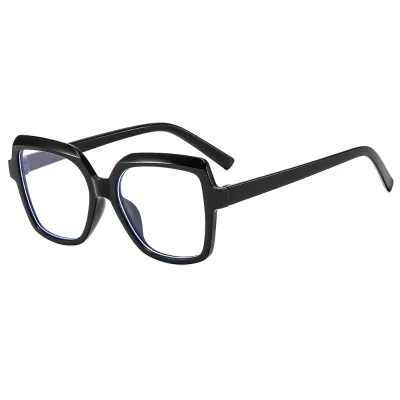
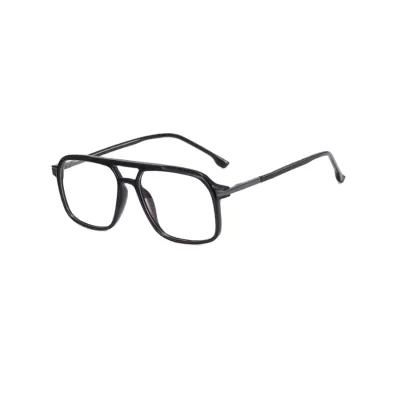
$1.9849 - $3.5997
MOQ: 2 pieces
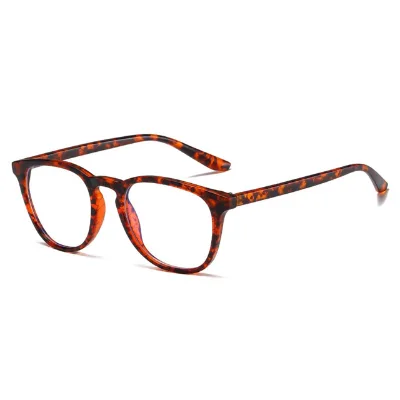

- Verified by SGS
- Trading Company
- China Zhejiang
- Lead time30 days
- Avg. response≤ 3h
Main productsOptical Frames, Sunglasses, Reading Glasses, Blue Block Glasses, Glasses Cases, Clean Cloth, Glasses Accessories, Clip on Glasses, Glasses Lenses
Main marketsSouth America,Africa,Southeast Asia/ Mideast,Europe,North America

Wholesale Clear Bluelight Eyewear Anti Blue Light Computer Eyeglasses Blue Light Blocking Glasses
$1.58 - $2.88
MOQ: 12 Pieces

Blue Light Blocking Computer Glasses Anti Blue Light Blocking PC Optical Glasses for Women
$1.48 - $2.35
MOQ: 12 Pieces


Wenzhou Youge Eyewear Co., Ltd.
- Verified by SGS
- Trading Company
- China Zhejiang
- Lead time15 days
- Avg. response≤ 4h
Main productsOptical Frame, Sunglasses, Reading Glasses, Sports Sunglasses, Kids Eyewear, Anti Blue Light Glasses, Safety Protection Glasses, Packaging Accessories, Eyeglasses Cases & Boxes, Cleaning Cloth
Main marketsEurope

Fashion Computer Blue Light Blocking Eyeglasses Frames Women Anti Blue Light Glasses
$1.60 - $2.30
MOQ: 12 Pieces


Adult Size Clear Lenses Color Computer Anti Blue Light Glasses for Unisex
$1.30 - $2.00
MOQ: 12 Pieces


$1.30 - $2.00
MOQ: 12 Pieces
- Manufacturer, Trading Company
- Zhejiang, China
- Lead time7 days
- Avg. response≤ 4h
Main productsSunglasses,Eye glasses,Reading glasses,Glasses case,Glasses bags
Main marketsNorth America(50.00%), Central America(10.00%), Africa(10.00%), South America(10.00%), Domestic Market(5.00%), Southeast Asia(5.00%), Western Europe(5.00%), Eastern Europe(5.00%)

Wenzhou Sunray Technology Co., Ltd.
- Verified by SGS
- Manufacturer/Factory
- China Zhejiang
- Lead time23 days
- Avg. response≤ 4h
Main productsSunglasses, Custom Sunglasses, Polarized Sunglass, Reading Glasses, Jewelry Boxes, Paper Boxes, Gift Boxes, Packaging Box, Custom Packaging Box, Packing Box
Main marketsSouth America,Eastern Europe,Mid East,North America,Southeast Asia,Eastern Asia,Oceania,Western Europe,Africa
Wenzhou Yazhou Glasses Co., Ltd.
- Verified by TüVRheinland
- Manufacturer, Trading Company
- Lead time70 days
- Avg. response≤ 2h
Main productsSunglasses, Reading Glasses, Sport Glasses
Main marketsNorth America(45%), South America(15%), Eastern Asia(15%)
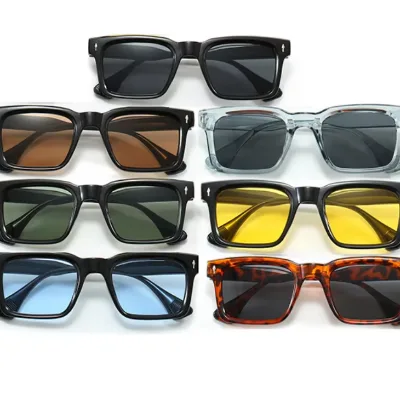
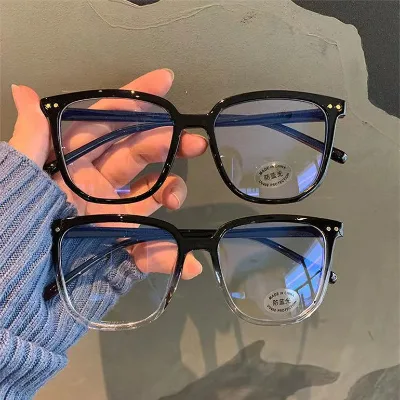
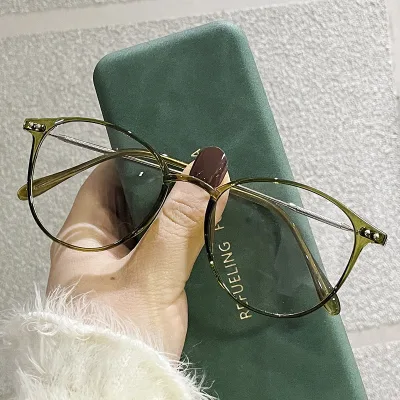
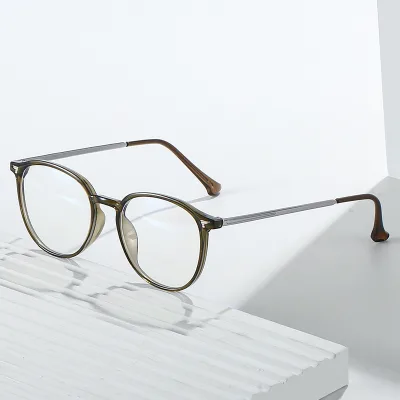
For Eyewear Clear Lens PC Frame Anti-Blue Light Blocking Computer Glasses Sunglasses
$0.60 - $1.00
MOQ: 100 pieces
Taizhou Feirong Glasses Co., Ltd.
- Manufacturer
- Zhejiang, China
- Lead time25 days
- Avg. response≤ 2h
Main productsSunglasses,Custom sunglasses,Promotional Sunglasses,Smart glasses,Sport sunglasses
Main marketsEastern Europe(25.00%), North America(15.00%), Southern Europe(10.00%), Northern Europe(10.00%), Central America(10.00%), Western Europe(10.00%), Southeast Asia(10.00%), South America(10.00%)

Wenzhou Yogi International Trade Co., Ltd.
- Verified by BV
- Trading Company
- China Zhejiang
- Lead time30 days
- Avg. response≤ 3h
Main productsReading Glasses, Sunglasses, Glasses, Sports Sunglasses, Eyewear, Optical Frame
Main marketsEurope


Classic Two Color Square Frame Reading Glasses Eyewear with Anti-Blue Light
$0.90 - $1.30
MOQ: 1200 Pieces


Factory Price Non-Deform Ability Prescription Anti Blue Reading Glasses
$1.50 - $2.50
MOQ: 1200 Pieces

Factory Price Not Prone to Breaking Prescription Anti Blue Reading Glasses
$0.90 - $1.50
MOQ: 200 Pieces

Guangzhou USOM Glasses Co., Ltd.
- Verified by SGS
- Trading Company,Manufacturer/Factory
- China Guangdong
- Lead time23 days
- Avg. response≤ 15h
Main productsSunglasses, Sport Sunglasses, Military Goggles, Anti-Blue Eyeswear, Ski Goggles, Motorcycle Goggles, Safety Goggles, Metal Fashion Sunglasses, Snow Board Goggles, Fishing Sunglasses
Main marketsSouth America,Eastern Europe,Mid East,North America,Southeast Asia,Eastern Asia,Oceania,Western Europe,Africa


Anti Eyestrain Anti Blue Light Eyewear Computer Reading Gaming TV Phones Anti Blue Light Glasses
$1.88 - $3.04
MOQ: 100 Pieces

Blue Light Blocking Glasses Optical Frame Fashion Anti Blue Light Blocking Computer Glasses
$1.88 - $3.04
MOQ: 100 Pieces

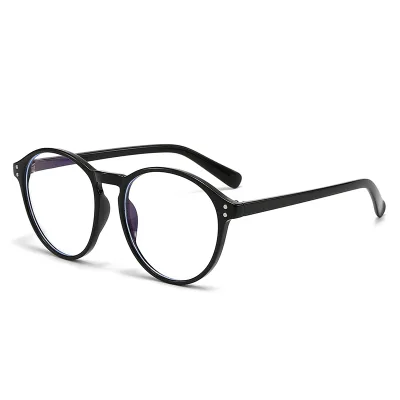
Round Eyeglasses Frame Computer Gaming Sunglasses Blue Light Blocking Glasses
$1.88 - $3.04
MOQ: 100 Pieces

Sunglasses Manufacturers New Promotion Wholesale Eye Glasses Anti Blue Light Glasses Computer
$1.88 - $3.04
MOQ: 100 Pieces
Meishijie Digital Technology (henan) Co., Ltd.
- Trading Company
- Henan, China
- Lead time15 days
- Avg. response≤ 1h
Main productsMetal Reusable Injection Pen,Disposable plastic injection pen,glass bottle,Injection pen,Disposable injection pen
Main marketsNorth America(60.00%), Southeast Asia(20.00%), Western Europe(10.00%), Mid East(10.00%)
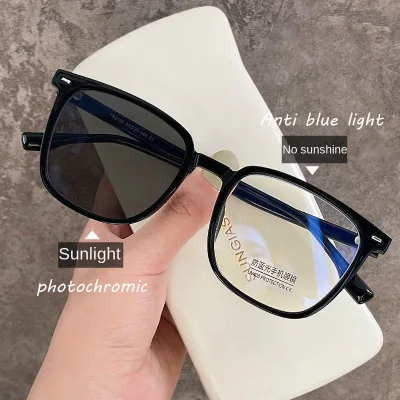
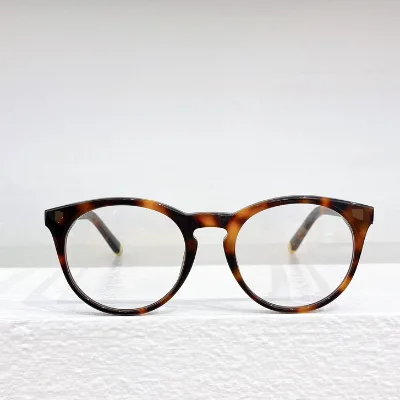
$133.6591 - $138.7987
MOQ: 2 pieces

Wenzhou Croesus Optical Co., Ltd.
- Verified by SGS
- Combined
- China Zhejiang
- Lead time30 days
- Avg. response≤ 24h
Main marketsEurope,Australia,North America

Customized Fashion Real Wood PC Round Frame Anti Blue Light Blocker Reading Glasses Eyeglasses
$2.77 - $3.46
MOQ: 600 Pieces

Unisex Computer Glasses Lightweight Full-Frame Anti-Blue Light Blocking Eyeglasses for Adults
$1.30 - $1.50
MOQ: 1 Pieces

Cheap Ultralight Eyeglasses Glare Frame Man Anti Blue Light Reading Glasses
$1.25 - $1.80
MOQ: 50 Pieces
Wenzhou Baibo Eyeglasses Co., Ltd.
- Verified by SGS Group
- Manufacturer, Trading Company
- Lead time5 days
- Avg. response≤ 3h
Main productsOptical Frame, Sunglasses, Reading Glasses, Blue Light Blocking Eyeglasses, Sports Eyewear
Main marketsNorth America(52%), Western Europe(20%), South America(5%)

Wenzhou Readsun Optical Co., Ltd.
- Verified by SGS
- Trading Company,Manufacturer/Factory
- China Zhejiang
- Lead time60 days
- Avg. response≤ 7h
Main productsSunglasses, Reading Glasses, Optical Frame, Plastic Sunglasses, Kid's Sunglasses, Metal Sunglasses, Sport Sunglasses, Titanium Optical Frame, LED Reading Glasses, Promotion Sunglasses
Main marketsSouth America,Eastern Europe,Mid East,North America,Southeast Asia,Eastern Asia,Oceania,Western Europe,Africa

Hot Sale Trendy Eyeglasses Computer Anti Blue Light Optical Frames Glasses
$1.89 - $2.20
MOQ: 10 Pieces


Fashionable Computer Reading Glasses Blue Light Blocking PC Lens for Office Use
$0.85 - $1.00
MOQ: 1200 Pieces


Full Frame Anti Blue Light Eyewear Fashion Men or Women Reading Glasses Factory
$0.71
MOQ: 1200 Pieces
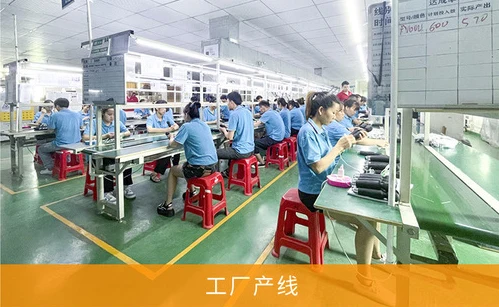
Shenzhen Finomay Technology Co., Ltd.
- Manufacturer, Trading Company
- Guangdong, China
- Lead time7 days
- Avg. response≤ 2h
Main productsBranded sunglasses,Polarized sunglasses,Sports sunglasses,Custom sunglasses
Main marketsNorth America(50.00%), Western Europe(15.00%), Northern Europe(10.00%), Eastern Europe(10.00%), Southern Europe(10.00%), Oceania(5.00%)
Yiwu Givenmoe Trading Corporation
- Verified by TüVRheinland
- Trading Company
- Lead time30 days
- Avg. response≤ 3h
Main productsGlasses
Main marketsNorth America(20%), Western Europe(20%), Eastern Europe(15%)
Linhai Chuangmu Glasses Factory
- Manufacturer
- Zhejiang, China
- Lead time0 days
- Avg. response≤ 5h
Main productsSunglasses,Optical glasses,Presbyopic glasses,Myopia glasses,Children's glasses
Main marketsNorth America(70.00%), South America(10.00%), Oceania(5.00%), Africa(5.00%), Southeast Asia(5.00%), Eastern Europe(5.00%)
- Manufacturer, Trading Company
- Taiwan, China
- Lead time60 days
- Avg. response≤ 12h
Main productssunglasses lens,goggle lens,photochromic lens,HD lens,TAC lens
Main marketsWestern Europe(60.00%), South Asia(40.00%)
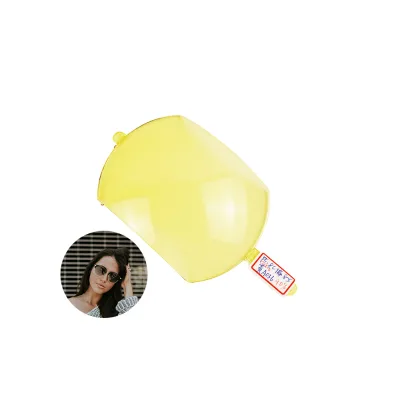
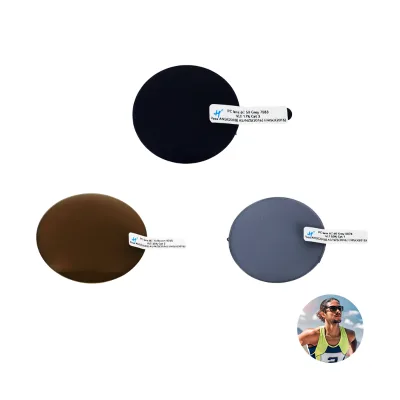
2024 Classic Blue Cut Eyeglasses with Clear Polycarbonate Lenses Hot Sales for a Timeless Look
$1.00 - $1.50
MOQ: 500 Minimum
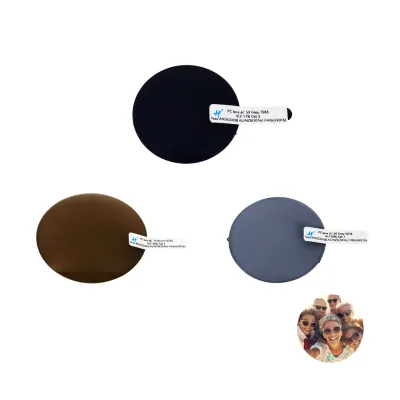
Hot Sales Custom Blue Light Eyeglasses Comfort Fit for Personalized Vision
$1.00 - $1.50
MOQ: 500 Minimum
Wuhan Kaixinhong Tech Co., Ltd.
- Trading Company
- Hubei, China
- Lead time0 days
- Avg. response≤ 2h
Main productsSunglasses, Sunglasses Case, Smart Sunglasses, Glasses Accessories
Main marketsNorth America(80.00%), Western Europe(15.00%), South America(5.00%)
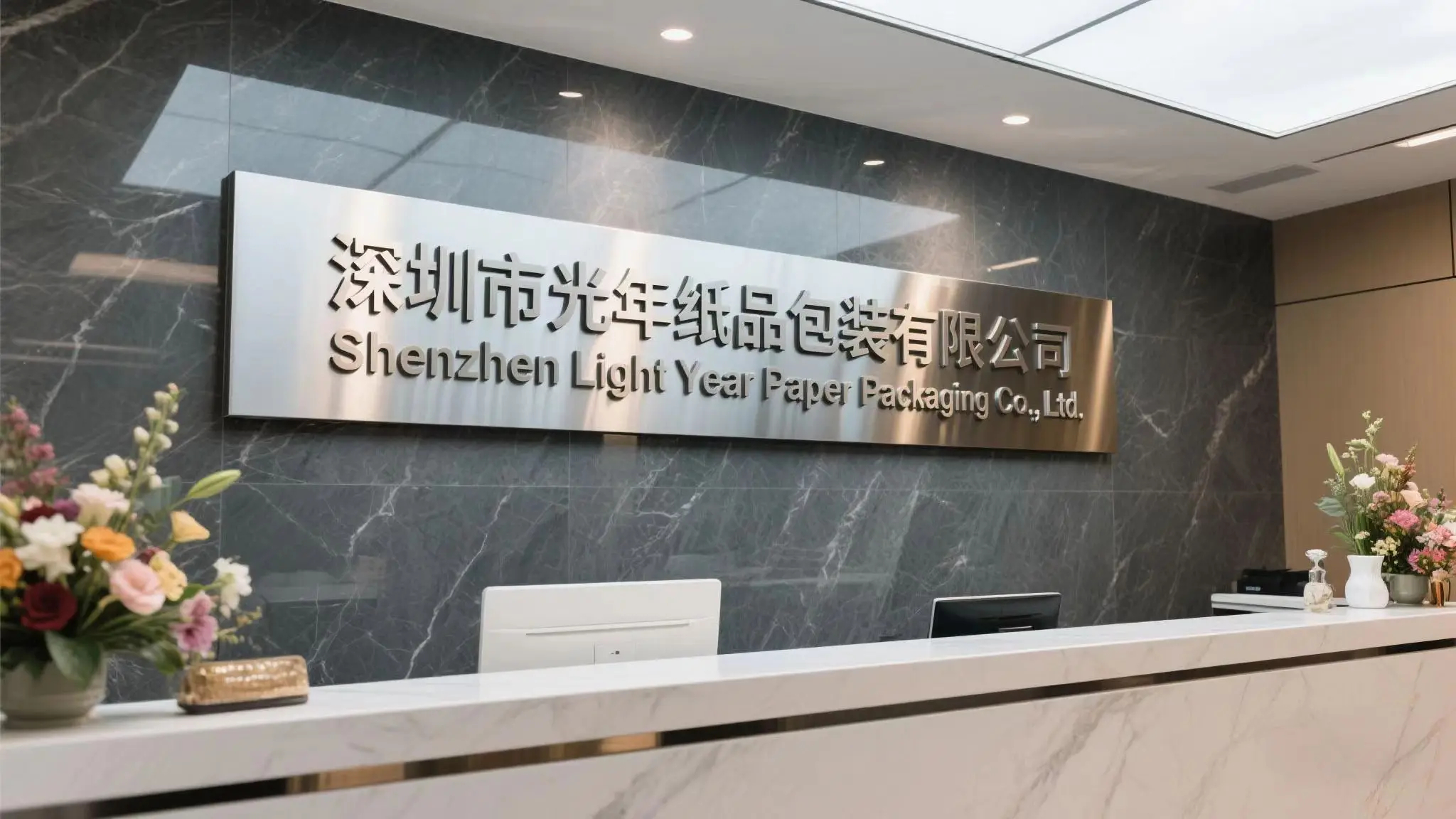
Shenzhen Light Year Paper Packaging Co., Ltd.
- Manufacturer, Trading Company, Distributor/Wholesaler
- Guangdong, China
- Lead time10 days
- Avg. response≤ 2h
Main productsPackaging boxes,Glasses,Fashion Sun glasses,Gift boxes,Sticker/Label
Main marketsNorth America(40.00%), Western Europe(25.00%), South Asia(10.00%), South America(10.00%), Domestic Market(10.00%), Mid East(5.00%)
Wenzhou Hengbo International Trade Co., Ltd.
- Trading Company
- Lead time旺季: "1 - 300":15,"> 300":"To be negotiated", 淡季: "1 - 300":15,"> 300":"To be negotiated"
- Avg. response≤ 3h
Main productsSunglasses, Reading Glasses, Optical Glasses, Safety Glasses, Kids Sunglasses
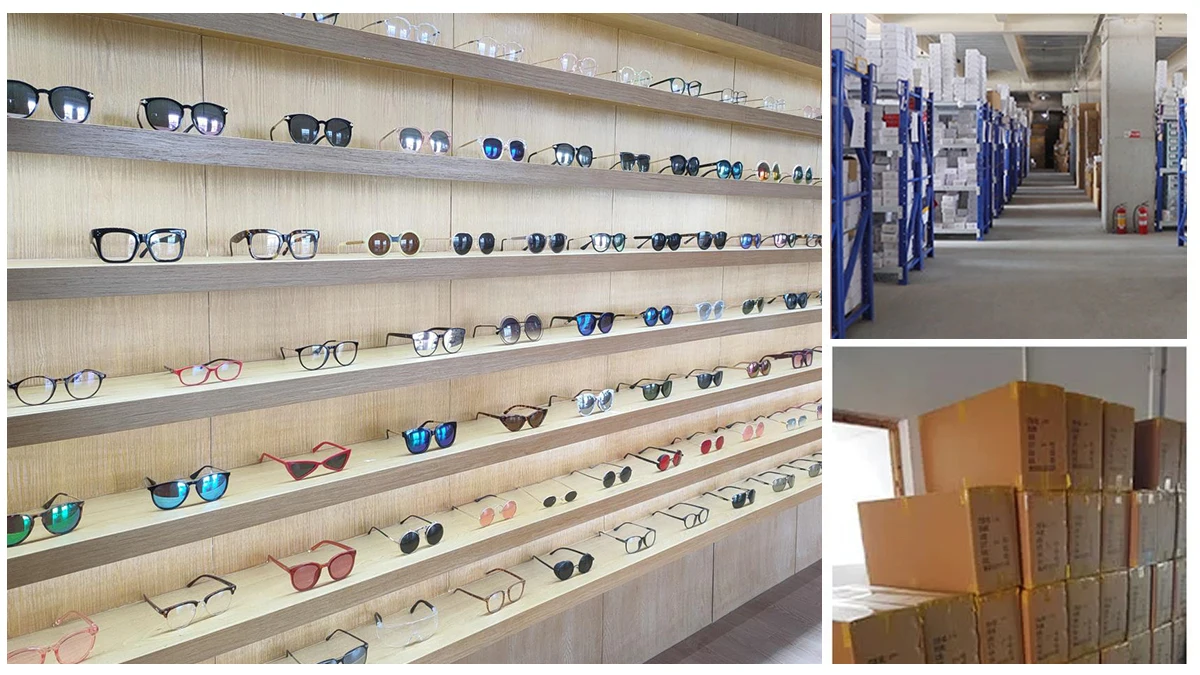
- Trading Company
- Zhejiang, China
- Lead time5 days
- Avg. response≤ 9h
Main productsSunglasses,Wood Sunglasses,Metal & PC Sunglasses,Reading Glasses,Glasses Accessories
Main marketsNorth America(25.00%), Western Europe(15.00%), Oceania(10.00%), Northern Europe(10.00%), South America(10.00%), South Asia(5.00%), Southern Europe(5.00%), Southeast Asia(5.00%), Central America(5.00%), Eastern Europe(5.00%), Mid East(5.00%)
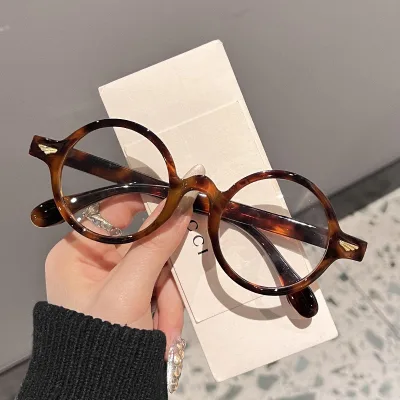
$1.3137 - $1.7347
MOQ: 2 pieces
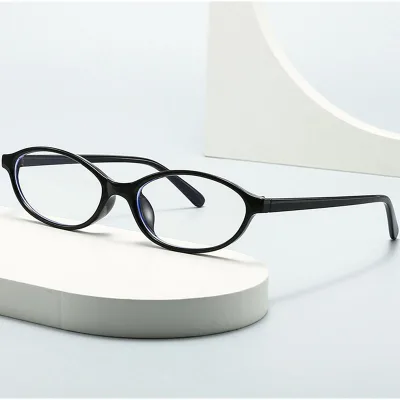
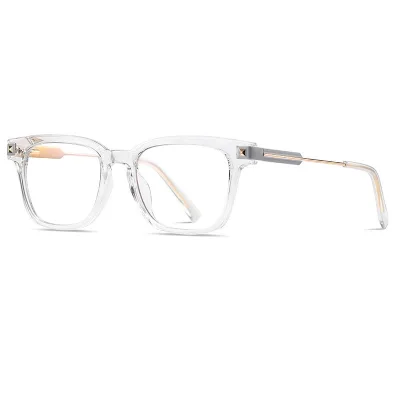
High Quality TR90 Frame Optical Eyeglasses Custom Logo New Brand Anti Blue Light Glasses for Men
$4.55 - $4.95
MOQ: 2 pieces
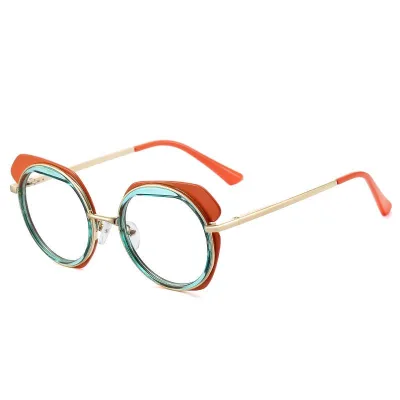
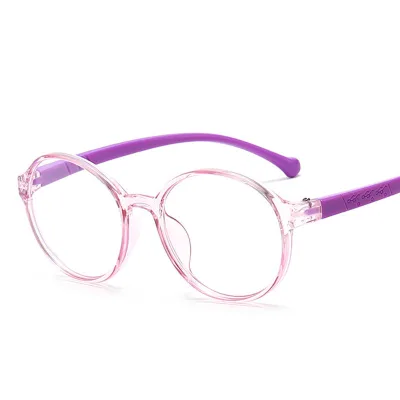
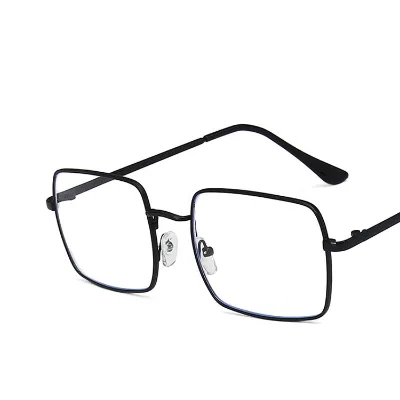
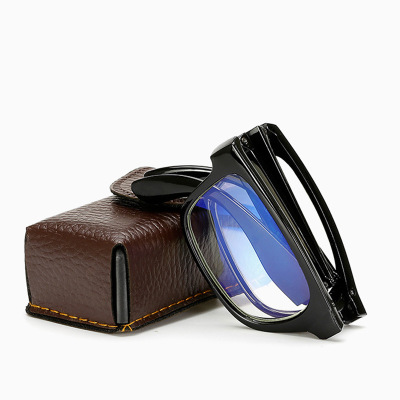


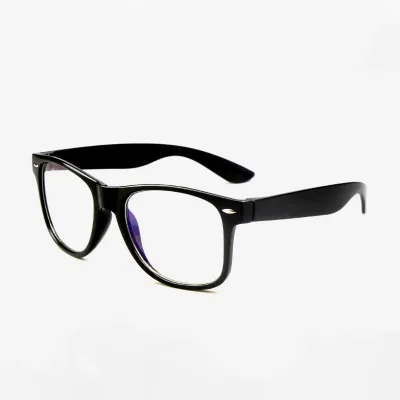
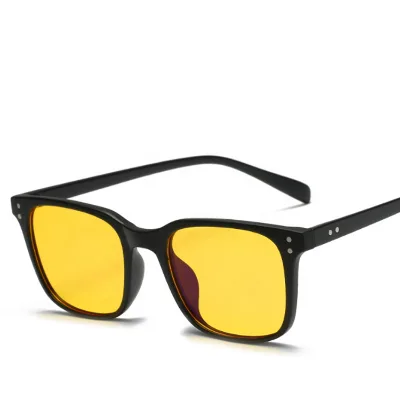
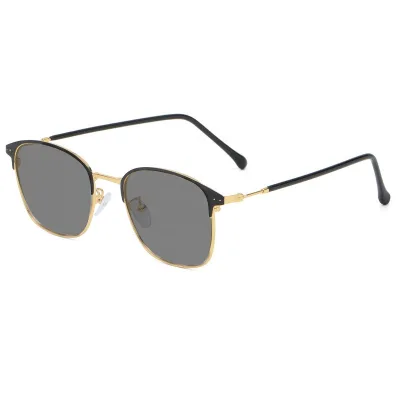
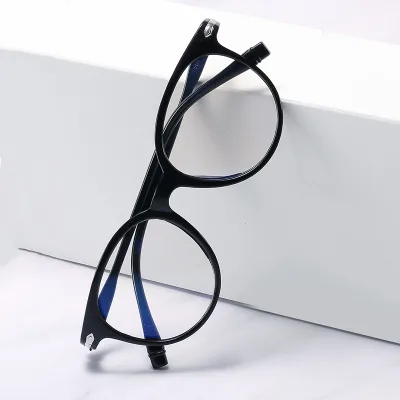
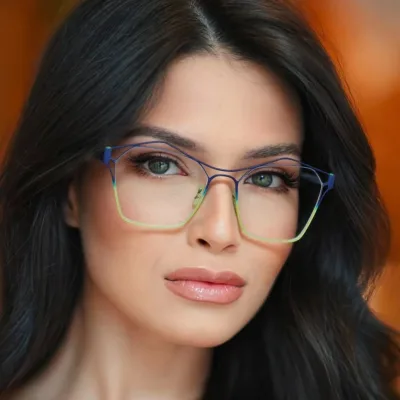
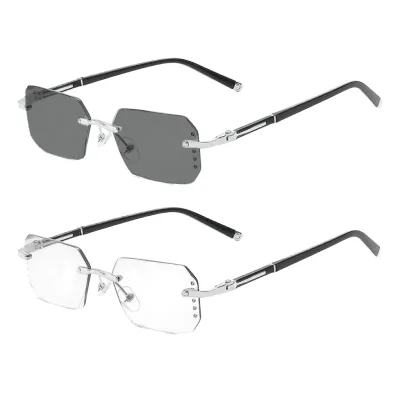
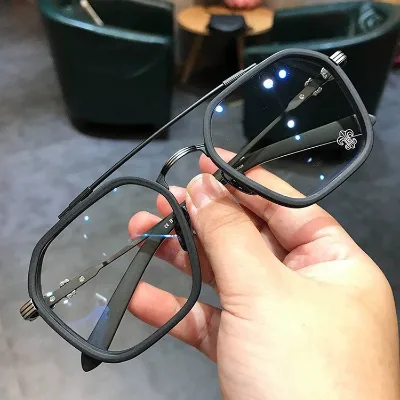
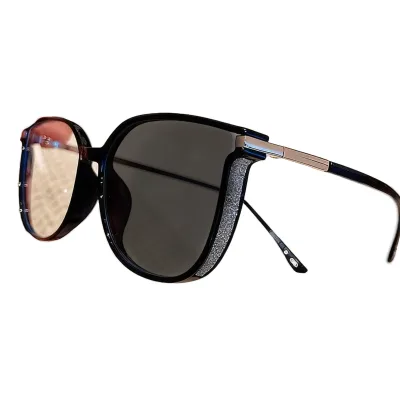
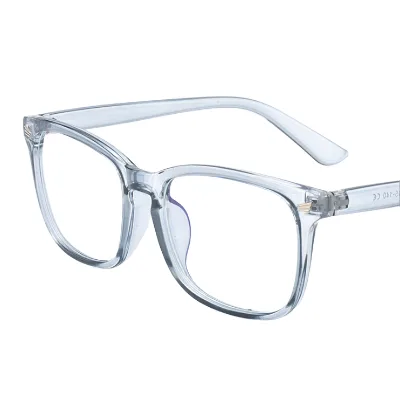
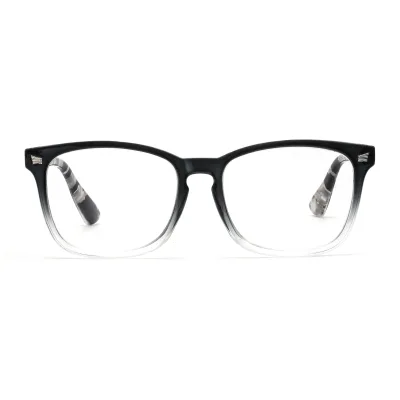
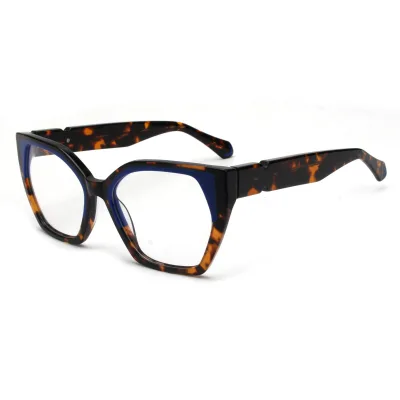
Comprehensive Sourcing Guide
Anti-Blue Light Pc Eyeglasses Supplier Concentration and Factory Types
The current search results indicate a significant concentration of suppliers operating out of Zhejiang, China, specifically within the region known for eyewear manufacturing. This geographic clustering suggests a specialized industrial ecosystem where raw materials, particularly polycarbonate, and finished optical frames are readily available. Buyers observing this data should recognize that suppliers listing Zhejiang as their origin often share logistical advantages and supply chain efficiencies specific to this region. However, the data also reveals a mix of company types, including trading companies that aggregate products from various factories. It is crucial to distinguish between a direct manufacturer and a trading entity, as the latter may offer a broader range of styles but might have less direct control over the production process.
When evaluating the factory types, the evidence shows that many listed entities function as trading companies rather than pure manufacturers. These trading companies often source optical frames, reading glasses, and blue light blocking eyewear from multiple production facilities to offer a diverse catalog. This structure allows buyers to access a wide variety of designs, such as full-frame, oval face, and unisex styles, without needing to manage relationships with numerous individual factories. However, the presence of trading companies means that the actual production location might differ from the listed headquarters. Buyers must verify if the supplier has direct factory access or if they are acting as an intermediary, as this distinction impacts quality control capabilities and communication speed regarding production issues.
How to Verify Anti-Blue Light Pc Eyeglasses Suppliers
Verification of supplier credibility requires a rigorous check of the specific attributes provided in the search results, such as response times and product certifications. The data indicates varying response times, with some suppliers showing a response time of 1 day while others report 3.35 days. A faster response time often correlates with better operational efficiency and a higher likelihood of timely communication during the sourcing process. Buyers should prioritize suppliers who demonstrate quick responsiveness, as this is a strong indicator of their commitment to customer service and order management. Additionally, checking for specific certifications like CE, FDA, and ISO En 14889: 2003 standards is essential to ensure the products meet international safety and quality requirements for optical eyewear.
Beyond response times and certifications, buyers must scrutinize the product attributes to confirm the authenticity of the claims. The search results list specific materials such as CP and PC, along with detailed specifications like frame color, nose support type, and suitable face shapes. It is vital to cross-reference these product details with the supplier's actual capabilities. For instance, if a supplier claims to offer customized logos and OEM services, the buyer should request samples to verify the quality of the customization. Furthermore, checking the product origin, which is listed as China or Zhejiang in the results, helps confirm the supply chain transparency. Buyers should not rely solely on the listed attributes but should request documentation to validate the stated standards and material compositions before proceeding with any order.
What to Compare Across Anti-Blue Light Pc Eyeglasses Suppliers
Comparing suppliers requires a detailed analysis of key commercial and operational metrics, including minimum order quantities, pricing structures, and lead times. The data reveals a wide range of MOQs, with some suppliers requiring as few as 2 pieces while others demand 1200 pieces. This variation significantly impacts the feasibility of sourcing for different business models, from small startups to large retailers. Buyers must align their order volume requirements with the supplier's MOQ to avoid unnecessary costs or inventory risks. Additionally, price ranges vary considerably, with some products listed at $0.50 and others at $6.99. Understanding the price drivers, such as frame material, design complexity, and customization options, is essential for making informed purchasing decisions.
Lead times and service capabilities are another critical area for comparison. The search results show lead times ranging from 0 to 5 days, alongside sample times of 5-7 days. These figures indicate the speed at which suppliers can fulfill orders and provide prototypes. Buyers should compare these timelines against their own project schedules to ensure timely delivery. Furthermore, the availability of services like OEM, ODM, and customized logo printing should be evaluated. Suppliers offering comprehensive service options provide greater flexibility for branding and product differentiation. By systematically comparing these dimensions, buyers can identify suppliers that best match their specific operational needs and strategic goals, ensuring a more efficient and effective sourcing process.
Common Anti-Blue Light Pc Eyeglasses Sourcing Risks
One of the primary risks in sourcing anti-blue light PC eyeglasses is the potential discrepancy between the listed product attributes and the actual delivered goods. The search results provide detailed specifications, such as frame material, color, and certification, but these claims must be validated through physical inspection. There is a risk that the actual product may not meet the stated standards, particularly regarding the blue light blocking efficacy or the durability of the PC material. Buyers should mitigate this risk by requesting third-party test reports or conducting their own quality checks upon receipt of samples. Relying solely on the provided product evidence without independent verification can lead to significant quality issues and customer dissatisfaction.
Another significant risk involves the reliability of the supply chain and the consistency of production quality. The data shows a mix of trading companies and potential manufacturers, which can introduce variability in production standards. Trading companies may source from different factories, leading to inconsistencies in product quality across different batches. Additionally, the lead times listed in the results may not always reflect the actual production capacity, especially during peak seasons. Buyers should be cautious of suppliers who promise extremely short lead times without providing evidence of their production capabilities. Establishing clear communication channels and setting realistic expectations regarding production timelines and quality control measures is essential to minimize these risks and ensure a smooth sourcing experience.
Anti-Blue Light Pc Eyeglasses Regional Sourcing and Logistics
The concentration of suppliers in Zhejiang, China, offers distinct logistical advantages for sourcing anti-blue light PC eyeglasses. This region is a well-established hub for eyewear manufacturing, providing access to a robust network of suppliers, raw material providers, and logistics services. Buyers sourcing from this area can benefit from shorter lead times and lower shipping costs due to the proximity of production facilities to major ports. However, the specific location of the factory within Zhejiang may vary, and buyers should verify the exact origin to ensure accurate shipping estimates. Understanding the regional logistics landscape is crucial for planning efficient supply chains and minimizing transit times.
Logistics planning also involves considering the packaging and shipping requirements for optical eyewear. The search results indicate specific packing details, such as 1PCS/Polybag and 12PCS/Inner Box configurations. These packaging standards affect the volume and weight of the shipment, which in turn influences shipping costs and handling requirements. Buyers should ensure that the packaging meets their specific needs, including protection against damage during transit and compliance with destination country regulations. Additionally, the use of polybags and inner boxes suggests a focus on individual product protection, which is essential for maintaining the quality of delicate optical frames. By carefully planning logistics and packaging, buyers can optimize their supply chain efficiency and reduce the risk of product damage.
Anti-Blue Light Pc Eyeglasses Commercial Terms and Order Planning
Commercial terms and order planning are critical components of a successful sourcing strategy for anti-blue light PC eyeglasses. The data shows varying price points and MOQs, which directly impact the financial planning and inventory management of the buyer. Buyers must carefully calculate the total cost of ownership, including the unit price, shipping costs, and any additional fees for customization or certification. Understanding the pricing structure is essential for determining the profitability of the product and setting competitive retail prices. Additionally, the MOQ requirements must be aligned with the buyer's sales forecast to avoid overstocking or stockouts.
Order planning also involves establishing clear communication protocols and payment terms with the supplier. The response times and service capabilities listed in the results provide insights into the supplier's reliability and responsiveness. Buyers should negotiate payment terms that protect their interests while ensuring the supplier has the necessary cash flow to fulfill the order. Furthermore, setting clear expectations regarding delivery timelines and quality standards is essential for managing the order process effectively. By developing a comprehensive order plan that addresses these commercial terms, buyers can minimize risks and ensure a smooth transaction from order placement to final delivery.
FAQs
What is the price range for anti-blue light PC eyeglasses?
Prices for anti-blue light PC eyeglasses typically range from $0.50 to $6.99 per unit. Specific models vary, with some options starting at $0.50 and others reaching up to $6.99. Buyers should check individual product listings for exact pricing based on customization and order volume.
What is the minimum order quantity for these frames?
Minimum order quantities vary by supplier and product model. Some listings require a minimum of 1200 units, while others accept orders as low as 2 pieces. Buyers must verify the specific MOQ for each product code before placing an order to ensure it meets their procurement needs.
Where are these optical frames manufactured?
These optical frames are manufactured in Zhejiang, China. Suppliers in this region specialize in producing various eyewear products, including anti-blue light glasses. Buyers can expect consistent production capabilities and access to a wide range of frame styles and materials from this specific geographic location.
What certifications do these eyeglasses hold?
Many anti-blue light PC eyeglasses hold CE and FDA certifications. Some products also comply with ISO and EN 14889:2003 standards. Buyers should verify specific certification documents for each product model to ensure they meet regional regulatory requirements and quality expectations for their target market.
How long does production take for these glasses?
Lead times for production vary by supplier. Some suppliers indicate a lead time of 5 days, while others may have different schedules. Buyers should confirm the exact lead time with the supplier before ordering to ensure timely delivery and alignment with their inventory planning requirements.
Can I customize the logo on these frames?
Yes, customization is available for many anti-blue light PC eyeglasses. Suppliers offer OEM and ODM services, allowing buyers to add custom logos and designs. Buyers should discuss specific customization requirements and potential additional costs with the supplier to ensure the final product meets their branding needs.