Source Direct Discharging Powder Gypsum Screen for Chemicals, Food, Mining
Compare 30 Direct Discharging Powder Gypsum Screen options from verified Chinese manufacturers. These circular vibrating screens feature stainless steel construction, multiple voltage options, and are designed for separation screening in chemicals, food processing, and mining applications; compare the available evidence and request quotations based on your requirements.
Updated
Key considerations
Products List
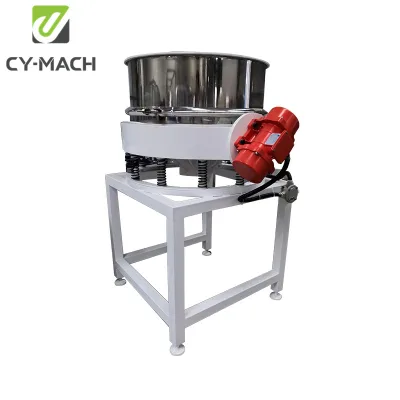
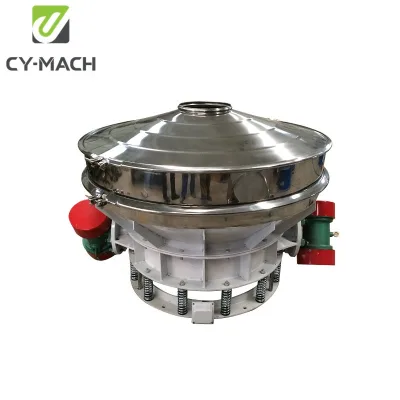
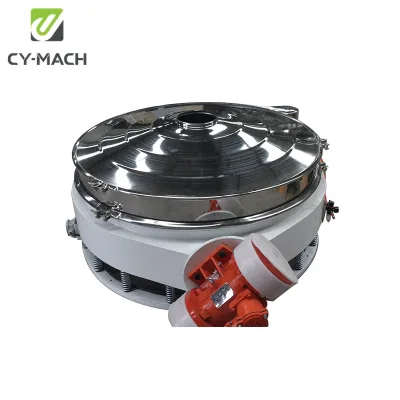


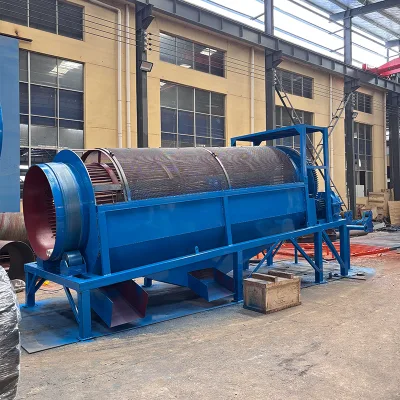
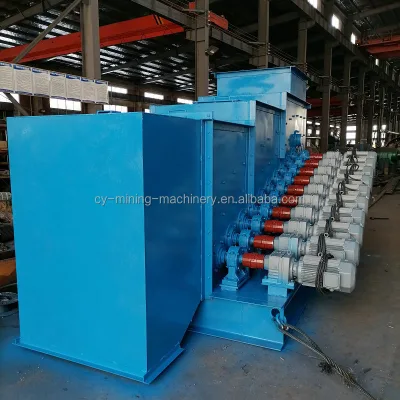

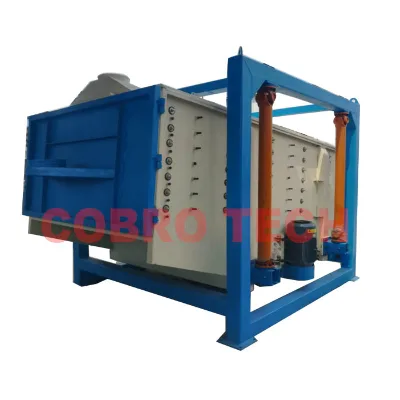

Heavy Duty Fine Mining Screen for Sand Fine Particle Processing
$170.00 - $285.00
MOQ: 10 Square Meters
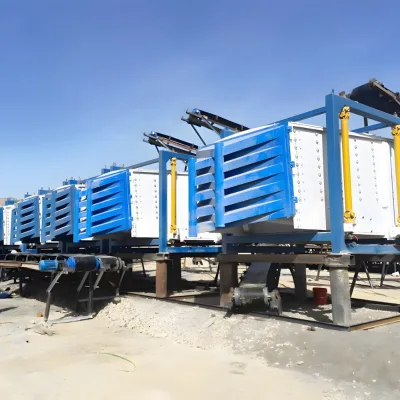
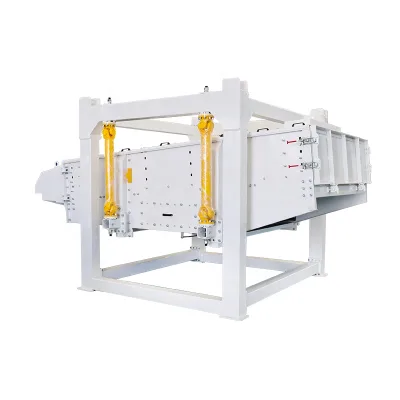
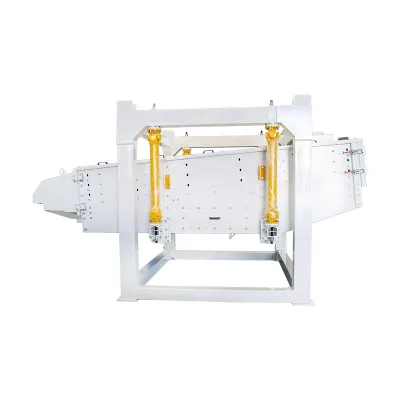
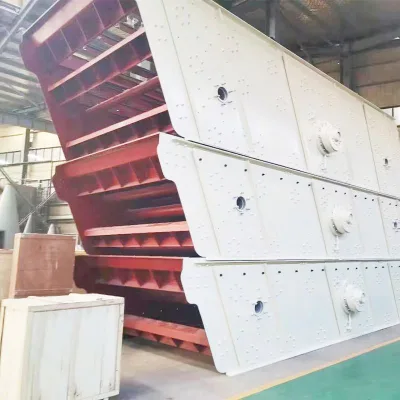


Durable Dewatering Screen for Effective Mineral Processing Solutions
$5000.00 - $100000.00
MOQ: 1 Pieces

Customizable High-Performance Mining Screens for Efficient Material Processing
$24500.00 - $45600.00
MOQ: 1 Pieces

Advanced Dewatering Screen for Efficient Sand and Aggregate Handling
$5000.00 - $100000.00
MOQ: 1 Pieces


Heavy-Duty Rock and Grizzly Screen for Efficient Material Separation
$1800.00 - $1950.00
MOQ: 1 Pieces


Durable Drum Screen for Robust Soil Screening and Efficient Separation
$18100.00 - $19230.00
MOQ: 1 Pieces

High-Efficiency Compost Screen for Advanced Soil Sieving and Sorting
$18100.00 - $19230.00
MOQ: 1 Pieces

Versatile Compost Screen for Optimal Separation and Screening Applications
$18100.00 - $19230.00
MOQ: 1 Pieces

Flexible Mesh High-Frequency Sand Washing Screen for Efficient Sieving
$16000.00 - $36000.00
MOQ: 1 Pieces

Comprehensive Sourcing Guide
Direct Discharging Powder Gypsum Screen Sourcing Guide
Sourcing a Direct Discharging Powder Gypsum Screen requires careful alignment of mechanical design with material flow characteristics. The observed market features units like the CY-MACH CYS-600, which utilize a circular vibrating motion to separate fine powders efficiently. These machines are engineered for high-capacity separation, making them suitable for processing gypsum powder where consistent particle size distribution is critical. Buyers must ensure the screen’s direct discharge mechanism prevents material buildup, which is common in sticky or fine powders.
The core component of these systems is the vibrating motor, which drives the circular motion necessary for effective screening. Observed models support voltages of 220V, 380V, 415V, or 450V, allowing flexibility for different industrial power infrastructures. The material construction often involves Stainless Steel 304 or 316L, ensuring resistance to corrosion and easy cleaning, which is vital for food-grade or chemical applications. Understanding these technical baselines helps buyers select equipment that matches their specific gypsum processing throughput and purity requirements.
Product Scope and Observed Listing Signals
The product scope encompasses circular vibrating screens designed for lightweight fine shaker applications, specifically tailored for separation and screening tasks. Observed listings indicate a focus on direct discharge mechanisms, which streamline the output process for materials like silica sand and gypsum. These units typically feature a single layer of screening mesh with a capacity of less than 200 mesh, ensuring precise particle separation. The design emphasizes large capacity and long working life, addressing the high-volume demands of industrial powder processing environments.
Listing signals reveal a strong emphasis on customization, with suppliers offering adjustable dimensions and motor configurations. The observed model numbers, such as CYS-600, CY-1000, and CYS-1200, suggest a range of sizes to accommodate varying production scales. Buyers should note that while some listings mention specific dimensions like 900900780mm, others provide broader ranges from φ 400 to φ 2000. This variability allows for tailored solutions, but it also necessitates clear communication of exact spatial and throughput requirements to avoid mismatches in installation and operation.
Technical Specifications to Verify
Verifying technical specifications is crucial to ensure the screen meets operational demands. Key parameters include the motor power, which ranges from 0.18kw to 3.0kw, and the voltage compatibility, which must align with the facility’s electrical supply. The input size range of 28μm to 100mm indicates the machine’s capability to handle a broad spectrum of particle sizes, but buyers must confirm that the specific mesh size matches their gypsum fineness requirements. Additionally, the weight of the unit, observed at 180 KG for some models, impacts installation logistics and foundation requirements.
The transmission structure and running track are also critical technical aspects. The circular vibrating screen design relies on two vibrating motors to generate the necessary motion, ensuring uniform distribution of material across the screen surface. Buyers should verify the shaft number, which is typically single, and the supporting devices, such as coil springs, which affect vibration stability and noise levels. Confirming these details ensures the equipment will operate smoothly and maintain the desired screening efficiency over time, reducing the risk of mechanical failure or inconsistent product quality.
Compliance and Safety Documentation
Compliance and safety documentation are essential for integrating the vibrating screen into a regulated industrial environment. Buyers should request machinery test reports, although observed listings indicate these may not always be available. It is important to verify that the equipment meets local electrical safety standards, particularly given the multiple voltage options provided. Ensuring that the motor and electrical components are certified for the specific operating environment helps prevent hazards and ensures reliable performance.
Documentation should also cover the material composition, especially if the gypsum is intended for food or pharmaceutical applications. Stainless Steel 316L offers superior corrosion resistance and hygiene, which may be required for certain processing stages. Buyers must confirm that the surface technology, such as spraying or painting, does not introduce contaminants. Additionally, warranty terms, observed at 1.5 years for some models, provide a layer of protection against manufacturing defects, but buyers should clarify the scope of coverage and the process for claiming repairs or replacements.
Cost Drivers and Commercial Terms
Cost drivers for direct discharging powder gypsum screens include the material grade, motor power, and customization level. Stainless Steel 316L construction and higher power motors increase the base price, while custom dimensions or specialized mesh configurations add further costs. Buyers should consider the total cost of ownership, including energy consumption and maintenance, rather than just the initial purchase price. The observed price range of 10-100000 USD reflects this variability, with simpler models at the lower end and highly customized, high-capacity units at the higher end.
Commercial terms such as MOQ and lead time are also significant factors. Observed MOQs range from 1 to 50 units, offering flexibility for both small-scale and large-scale procurement. Buyers should negotiate clear terms regarding shipping, installation support, and after-sales service. The availability of field maintenance and repair services is a valuable addition, reducing downtime and operational costs. Understanding these commercial dynamics helps buyers budget effectively and select suppliers who offer the best balance of cost and service quality.
Supplier Qualification and Quality Control
Supplier qualification involves assessing the manufacturer’s capability to deliver consistent quality and reliable support. Buyers should verify the supplier’s experience in producing vibrating screens for powder applications, particularly gypsum. The observed place of origin, Henan, China, is a known hub for machinery manufacturing, but buyers must conduct due diligence to ensure the supplier adheres to international quality standards. Requesting video outgoing-inspections is a practical step to verify the condition and assembly quality of the equipment before shipment.
Quality control processes should include rigorous testing of the vibrating motors and screen mesh integrity. Buyers should inquire about the supplier’s quality assurance protocols, including material certification and dimensional accuracy checks. The availability of customized solutions indicates a flexible manufacturing process, but it also requires robust quality control to prevent inconsistencies. Establishing a clear communication channel with the supplier for technical support and troubleshooting is essential for long-term operational success and maintaining screening efficiency.
Long-Term Procurement Checks
Long-term procurement checks focus on the sustainability of the supply relationship and the equipment’s lifecycle performance. Buyers should monitor the warranty claims and after-sales service responsiveness to ensure ongoing support. The observed 1.5-year warranty provides a baseline, but buyers may negotiate extended coverage for critical components like the vibrating motors. Regular maintenance schedules and spare parts availability are crucial for minimizing downtime and extending the machine’s working life.
Additionally, buyers should track the performance of the screen over time, noting any changes in screening efficiency or increased vibration noise. This data can inform future procurement decisions, helping to identify reliable models and suppliers. Engaging with the supplier for periodic technical reviews can also uncover opportunities for upgrades or modifications that enhance performance. By maintaining a proactive approach to equipment management, buyers can optimize their gypsum processing operations and achieve consistent product quality.
FAQs
What is the warranty period for the direct discharge vibrating screen?
The warranty period is typically 1.5 years for standard models, though some configurations may offer a 1-year warranty. This coverage ensures reliability for industrial separation screening applications. Buyers should verify the specific warranty terms associated with their chosen model number and customization options before finalizing procurement agreements.
Can the direct discharge vibrating screen be customized for specific needs?
Yes, customization is acceptable and available for various requirements. The machine supports custom-made specifications to fit unique operational demands. Buyers can request adjustments to dimensions, voltage, or material composition, such as selecting Stainless Steel 304 or 316L, ensuring the equipment aligns precisely with their production line constraints.
What is the power consumption of the direct discharge vibrating screen?
Power consumption ranges from 0.18kw to 3.0kw depending on the specific model selected. For instance, the CYS-600 model operates at 0.55KW, while the CY-1000 uses 1.5KW. This variability allows buyers to select a unit that matches their energy efficiency goals and electrical infrastructure capabilities for chemical or food processing tasks.
What materials are used to construct the direct discharge vibrating screen?
The screen is constructed from Stainless Steel 304, 316L, Carbon Steel, or PP materials. These options provide durability and resistance to corrosion, making them suitable for harsh environments in chemical or food processing industries. The choice of material depends on the specific application requirements and the nature of the materials being screened.
What is the voltage requirement for the direct discharge vibrating screen?
The voltage requirement is 220V, 380V, 415V, or 450V, or as requested by the buyer. This flexibility ensures compatibility with various electrical systems globally. Buyers can specify their preferred voltage during the customization process to ensure seamless integration into their existing facility infrastructure without requiring additional electrical modifications.
What is the weight of the direct discharge vibrating screen?
The weight is approximately 180 KG for standard configurations. This weight reflects the robust construction using stainless steel or carbon steel components. Buyers should consider this weight when planning installation logistics and ensuring their facility floor can support the load, especially for models with larger dimensions or additional customization features.