Source Hard Rock RC Drilling Rig for Mining, Engineering, and Core Drilling
Compare 30 Hard Rock RC Drilling Rig listings from verified Chinese suppliers. Evaluate specifications like drilling depth, power type, and mobility to find the right equipment for mining, engineering, and core drilling applications; compare the available evidence and request quotations based on your requirements.
Updated
Key considerations
Products List
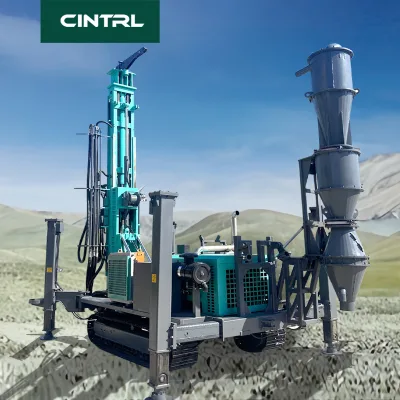
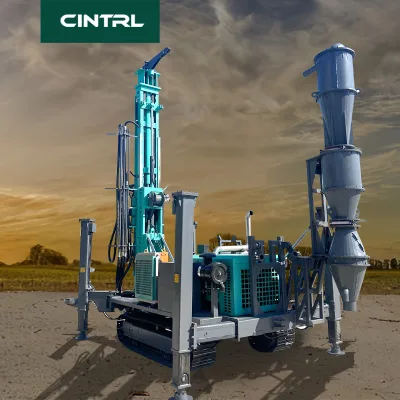
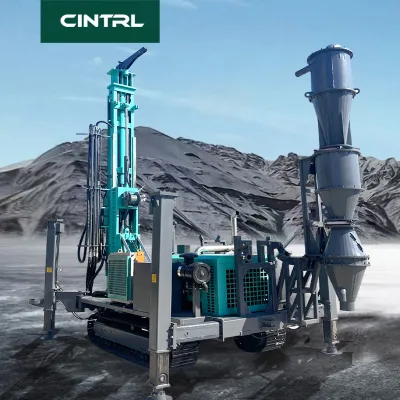


Factory Supply 500 RC Drilling Rig for Geological and Mining Applications
$60000.00 - $65000.00
MOQ: 1 Pieces


High Quality Rock Rotary Drilling Rig Engineering Drilling Machinery
$130000.00 - $180000.00
MOQ: 1 Sets

Portable RC Drilling Rig with Downhole Hammer for Hard Rock Exploration
$1000.00 - $32900.00
MOQ: 1 set

RC Reverse Circulation Drilling Rig for Geotechnical Site Investigation
$1000.00 - $32900.00
MOQ: 1 set

High Speed RC Drill Rig for Mineral Exploration and Geotechnical Investigation
$1000.00 - $32900.00
MOQ: 1 set
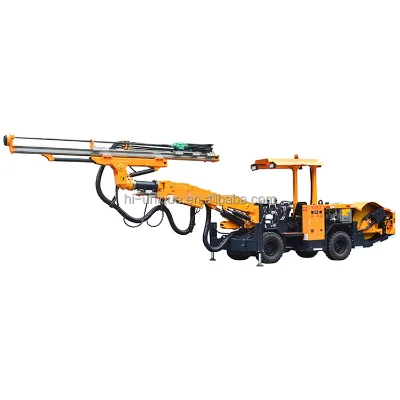
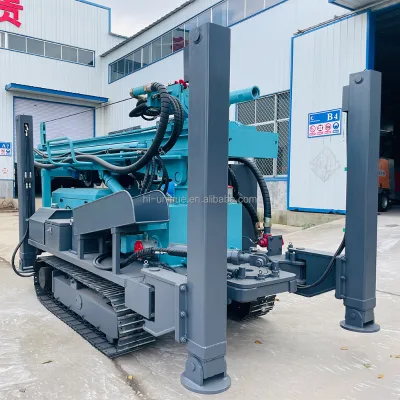
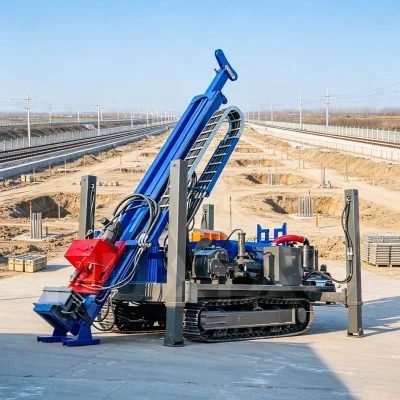
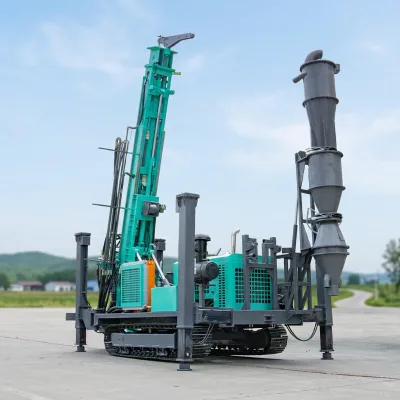
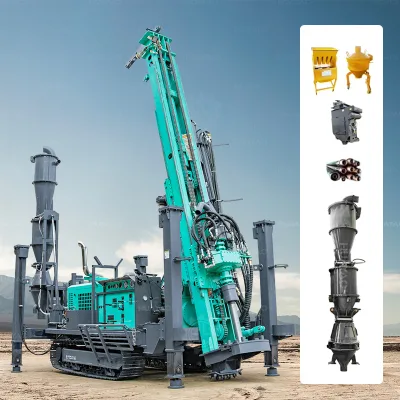
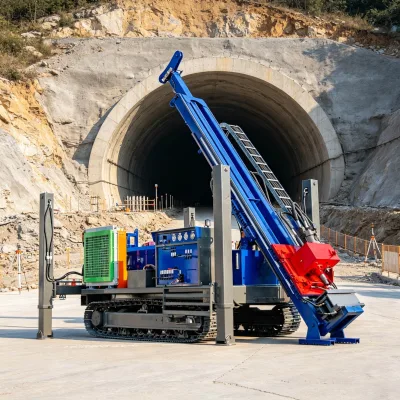


Portable RC Drilling Rigs for Sale Down The Hole Hammer Drill Rig Geotechnical Drill Rigs
$10000.00 - $50000.00
MOQ: 1 Pieces

Low-Pressure Down-The-Hole RC Drilling Rig for Sale Mobile Drilling Rig
$10000.00 - $50000.00
MOQ: 1 Pieces

Crawler Mounted RC Drill Rigs for Sale, 200mm Big Diameter Drilling Rig
$10000.00 - $50000.00
MOQ: 1 Pieces
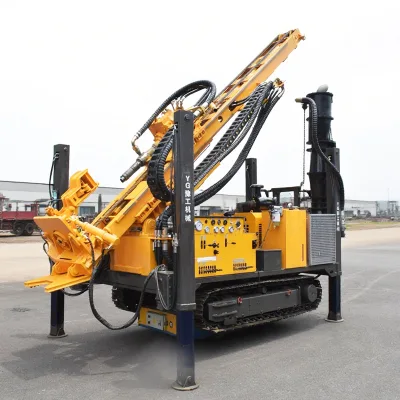
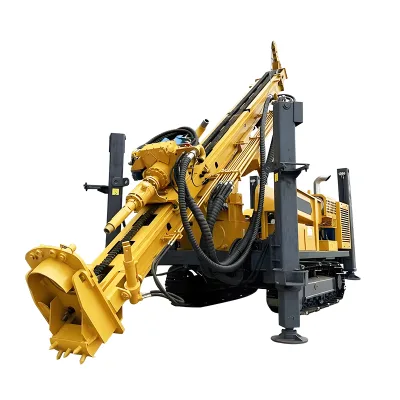
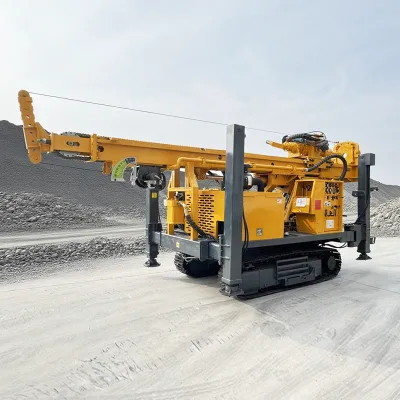
High-Pressure RC System 300m Depth for Efficient Drilling in Hard Rock Formations
$10500.00 - $18000.00
MOQ: 1 sets
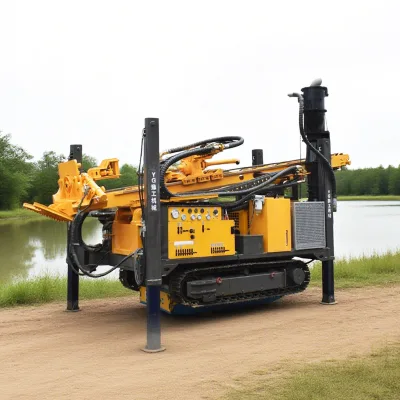
500m Deep Hole RC Rig for Oil, Gas, and Geothermal Drilling with Reliability
$10500.00 - $18000.00
MOQ: 1 sets
Comprehensive Sourcing Guide
Hard Rock RC Drilling Rig Sourcing Guide
Procuring a hard rock reverse circulation (RC) drilling rig requires careful evaluation of mobility, power systems, and drilling accuracy. The observed market features crawler-type units powered by diesel engines, with core components including pressure vessels, engines, motors, and dust collection systems. These rigs are designed for high-accuracy performance, making them suitable for ore exploration and mining core applications. Buyers must verify that the specific model matches their geological requirements, particularly regarding drilling depth and diameter capabilities.
The supply chain for these machines is predominantly centered in Shandong, China, with manufacturers offering both standard and customized configurations. Listings indicate a wide range of models, such as the RC500, UMDR-400, UMDR-500, and DR-150, each with distinct dimensional and weight specifications. While some units are new and come with one-year warranties, after-sales service availability varies, with some suppliers not providing overseas support. Understanding these logistical and service constraints is critical for ensuring long-term operational reliability and minimizing downtime in remote field locations.
Product Scope and Observed Listing Signals
The current market for hard rock RC drilling rigs presents a diverse array of specifications, with observed prices ranging from $1,000 to $180,000 USD. Most listings show a minimum order quantity (MOQ) of one unit, indicating flexibility for individual project procurement. Key selling points frequently highlighted include high accuracy and high efficiency, which are essential for precise geological sampling. Buyers should note that while many units are described as new, the condition and customization options can vary significantly between suppliers, requiring direct verification of the machine's status before purchase.
Dimensional and weight data reveal substantial variations across different models. For instance, the RC500 model measures 400029006800mm and weighs 12,000 kg, while other models like the UMDR-400 and UMDR-500 have different standard dimensions and package sizes. The drilling diameter typically ranges from 140mm to 400mm, with some units capable of drilling holes greater than 300mm. Depth capabilities also vary, with some rigs reaching up to 500 meters, while others are specified for depths greater than 200 meters. These physical attributes directly impact transport logistics and site installation requirements.
Technical Specifications to Verify
When evaluating technical specifications, buyers must prioritize the drilling method and motor type. The observed rigs primarily utilize rotary drilling ways, with some models employing DC motors and others using AC motors. Power outputs generally fall between 129kW and 132kW, providing sufficient energy for hard rock penetration. It is crucial to verify the max rotary torque, which can range from 8,000 to 10,000 N.M, and the rotary speed, typically between 40-60 RPM. These parameters determine the rig's ability to handle specific rock formations and maintain consistent drilling performance under varying geological conditions.
Core components such as the pressure vessel, engine, motor, and dust collection system are critical for operational safety and efficiency. The presence of a robust dust collection system is particularly important for maintaining a clean working environment and ensuring compliance with environmental standards. Buyers should also check the drill hole diameter and depth capabilities against their project requirements. For example, some models are optimized for ore usage, while others are designed for broader engineering applications. Verifying these details ensures that the selected rig aligns with the specific technical demands of the drilling site.
Compliance and Safety Documentation
Compliance with international standards is a key factor in selecting a reliable drilling rig. Many suppliers provide certifications such as ISO 9001 and CE, indicating adherence to quality management and safety regulations. Some listings also mention RoHS certification, which is relevant for environmental compliance regarding hazardous substances. Buyers should request and verify these certification documents to ensure that the equipment meets the regulatory requirements of their operating region. Additionally, video outgoing inspections are provided by some suppliers, offering visual confirmation of the machine's condition and functionality before shipment.
Safety features and documentation are equally important for operational integrity. Buyers should inquire about the specific safety mechanisms integrated into the pressure vessel and dust collection systems. Understanding the warranty terms, which are typically one year for new units, is also essential for risk management. Since some suppliers do not provide overseas after-sales service, buyers must assess their internal maintenance capabilities or arrange for third-party support. Clear documentation of these compliance and safety aspects helps mitigate operational risks and ensures smoother project execution.
Cost Drivers and Commercial Terms
Several factors influence the final cost of a Hard Rock RC Drilling Rig, including its model, specifications, and customization options. The observed price range of $1,000 to $180,000 USD reflects the diversity in capabilities and build quality. Buyers should consider the total cost of ownership, which includes transportation, installation, and maintenance expenses. The weight and dimensions of the rig significantly impact shipping costs, with larger units like the RC500 requiring specialized logistics. Understanding these cost drivers helps in budgeting accurately and avoiding unexpected expenses during the procurement process.
Commercial terms such as payment methods, delivery times, and packing arrangements also play a crucial role in the procurement decision. Most suppliers offer customization options, which can affect both the price and lead time. Packing methods vary, with some units shipped in containers and others in bulk carriers, depending on customer requirements. Buyers should negotiate clear terms regarding warranty coverage and after-sales support, especially if overseas service is not provided. Transparent commercial terms ensure that both parties have a shared understanding of responsibilities and expectations, reducing the potential for disputes.
Supplier Qualification and Quality Control
Supplier qualification is a critical step in ensuring the reliability of the purchased drilling rig. Buyers should verify the supplier's manufacturing capabilities, quality control processes, and track record in the industry. Many suppliers are located in Shandong, China, a region known for its heavy machinery production. However, buyers must conduct due diligence to confirm the supplier's legitimacy and ability to deliver high-quality products. Requesting references or case studies from previous clients can provide valuable insights into the supplier's performance and customer satisfaction levels.
Quality control measures should be rigorously assessed before finalizing the purchase. Buyers should inquire about the testing procedures used to verify the rig's performance, including drilling accuracy and power output. Video outgoing inspections are a useful tool for visual verification, but buyers may also consider third-party inspection services for added assurance. Understanding the supplier's customization capabilities is also important, as it allows for tailoring the rig to specific project needs. A thorough evaluation of supplier qualifications and quality control practices helps mitigate risks and ensures the acquisition of a reliable drilling rig.
Long-Term Procurement Checks
Long-term procurement success depends on establishing strong relationships with suppliers and ensuring ongoing support. Buyers should prioritize suppliers who offer comprehensive after-sales service, even if it requires additional cost. Since some suppliers do not provide overseas service, buyers must plan for local maintenance and repair capabilities. Regular communication with the supplier can help address any issues promptly and ensure the rig remains in optimal condition. Building a reliable supply chain network is essential for minimizing downtime and maximizing the efficiency of drilling operations.
Continuous monitoring of market trends and technological advancements is also important for long-term procurement strategies. Buyers should stay informed about new models and improvements in drilling technology that could enhance their operations. Periodic reviews of supplier performance and product quality help identify potential issues early and allow for corrective actions. Additionally, buyers should consider the scalability of their procurement strategy, ensuring that they can meet future drilling demands without compromising on quality or reliability. A proactive approach to long-term procurement checks ensures sustained operational success and competitive advantage.
FAQs
What is the maximum drilling depth for this rig?
The maximum drilling depth is 500 meters for the RC500 model. This crawler-type rig features a rotary drilling way suitable for mining core applications. It operates with a diesel power type and includes key components like a pressure vessel and engine for high-accuracy performance in engineering projects.
Which certifications does the drilling rig hold?
The drilling rig holds ISO 9001 and CE certifications. Some models also include RoHS compliance. These standards ensure quality management and safety. The equipment originates from Shandong, China, and is designed for new condition operations with a one-year warranty for peace of mind during mining projects.
Can the rig be customized for specific needs?
Yes, customization is available for this reverse circulation drilling rig. Buyers can request specific packing methods like container or bulk carrier options. The product allows for tailored dimensions and specifications to meet unique engineering requirements while maintaining high efficiency and accuracy in hard rock drilling operations.
What is the weight and dimension of the unit?
The unit weighs 12,000 kilograms and has dimensions of 4000 by 2900 by 6800 millimeters. Single package sizes vary, with some models measuring 630 by 210 by 250 centimeters. This heavy-duty crawler rig is built for stability and mobility on challenging mining sites across the globe.
How does the motor power affect drilling performance?
The motor power ranges from 129 to 132 kilowatts, ensuring robust performance. Some models use AC motors while others utilize DC motors. This power supports a rotary speed of 40 to 60 RPM and a max torque of 8000 to 10000 N.M, enabling efficient drilling in hard rock environments with high accuracy.
What is the warranty period for the equipment?
The equipment comes with a one-year warranty period. This coverage applies to the new condition drilling rig supplied from China. Buyers should note that overseas service is not provided, so local maintenance support is essential. The warranty ensures reliability for core mining and engineering applications.
Which drilling diameter range does the rig support?
The rig supports a drilling diameter range of 140 to 400 millimeters. Some specifications indicate a drill hole diameter greater than 300 millimeters. This capability makes it suitable for various ore extraction tasks. The rotary drilling way ensures consistent performance across different hard rock conditions.