Source CE Gold Centrifugal Beneficiation Machine for mining, recycling, processing
Find 30 CE Gold Centrifugal Beneficiation Machine options from verified suppliers. Compare specifications, capacities, and certifications to select the right equipment for mining concentration and ore processing applications. Review energy saving features, warranty terms, and delivery dates to ensure optimal performance for your specific mineral extraction needs.
Updated
Key considerations
Products List


Alluvial Gold Benefication Machine Gravity Equipment Centrifugal Concentrator
$4900.00 - $5500.00
MOQ: 1 Sets


Gold Mine and Gold Tailings Recycling Washing Plant Centrifugal Gold Beneficiation Machine
$3000.00 - $3600.00
MOQ: 1 Pieces

Gold Beneficiation Machine High Recovery Kelson Centrifugal Separator
$3000.00 - $3600.00
MOQ: 1 Pieces

High Quality Gold Centrifugal Beneficiation Plant Alluvial Gold Beneficiation Plant
$3000.00 - $3600.00
MOQ: 1 Pieces

Centrifugal Gold Beneficiation Plant for Small-Scale Gold Separation Equipment
$3000.00 - $3600.00
MOQ: 1 Pieces

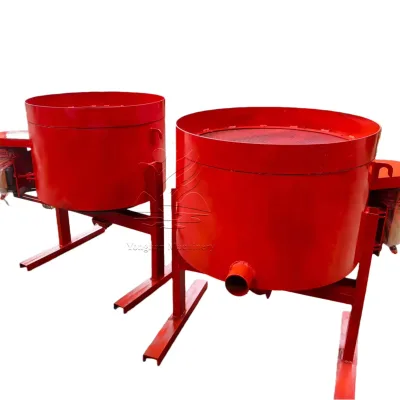
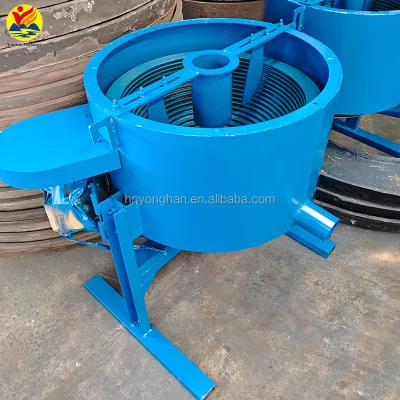
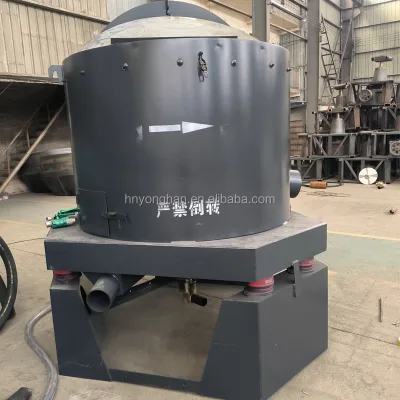
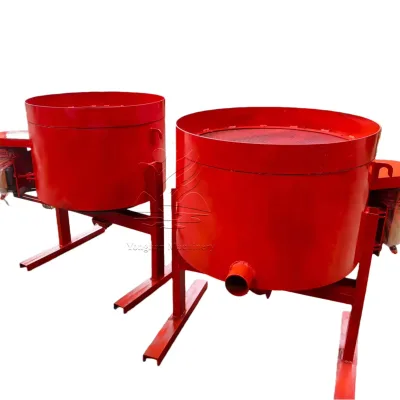
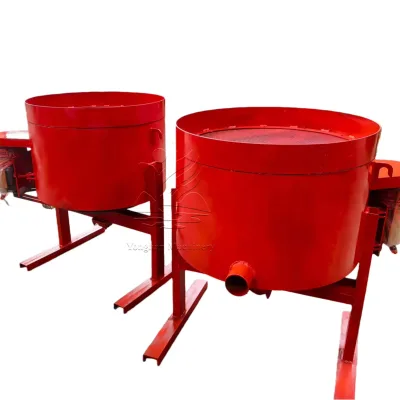
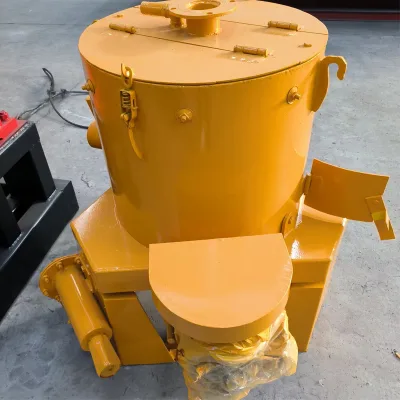
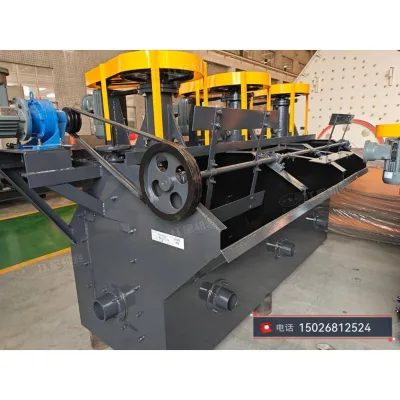

Industrial Gold Centrifuge Concentrator Machine for Ore Beneficiation
$3600.00 - $4100.00
MOQ: 1 Pieces

Centrifugal Gold Concentrator Separator Gold Processing Machine for Sale
$3600.00 - $4100.00
MOQ: 1 Pieces



Comprehensive Sourcing Guide
CE Gold Centrifugal Beneficiation Machine Sourcing Guide
Procuring a CE Gold Centrifugal Beneficiation Machine requires careful alignment of technical performance with regulatory compliance. Buyers must verify that the equipment meets specific gravity separation standards while ensuring the manufacturer holds valid CE and ISO9001 certifications. The observed market signals indicate a diverse range of models, from the STLB series to spiral configurations, each tailored for different ore types and throughput requirements. Understanding these variations is critical for selecting the right machinery for your specific mining concentration needs.
The sourcing process involves evaluating multiple product attributes, including voltage options, feeding density, and material construction. Suppliers often offer customization services, allowing buyers to tailor the machine’s dimensions and capacity to their site conditions. With observed prices ranging from $588 to $30,000, the cost spectrum reflects significant differences in build quality, automation levels, and production capacity. Buyers should focus on matching these technical specifications to their operational goals rather than solely relying on price points.
Product Scope and Observed Listing Signals
The current market offers a wide array of gravity separators and centrifugal concentrators designed for metallic and non-metallic ore excavation. Listings frequently highlight the STLB model series, with capacities spanning from 0.6 to 80 tons per hour, catering to both small-scale and industrial operations. These machines are typically constructed from carbon steel with heat-resistant features, ensuring durability in harsh mining environments. The observed product range includes various configurations, such as nude, containerized, or disassembled transport options, which impact logistics and installation planning.
Buyers should note that many suppliers provide customized solutions, including multi-color finishes and specific voltage settings like 380V or 220V-480V. The feeding density is generally optimized between 30% and 50%, with a feeding size of 0-6mm for gold centrifugal concentrators. These technical parameters are crucial for ensuring efficient mineral recovery. Additionally, the availability of long-term spare parts supply and machinery test reports adds value to the procurement decision, providing assurance of ongoing operational support and performance verification.
Technical Specifications to Verify
When evaluating technical specifications, buyers must prioritize the core components and automation features of the centrifugal concentrator. The motor is a critical element, and its quality directly influences the machine’s efficiency and longevity. Specifications such as the STLB20/30/60/80/100 models indicate varying capacities, ranging from 1-30t/H to 0-200T/H, which must align with your production targets. It is essential to verify the dimension(LWH) of the equipment, as some models measure 210018002100mm, affecting your facility’s layout and space allocation.
Voltage compatibility is another vital technical consideration, with options available for 220V-480V or customized settings to match local power infrastructure. The feeding size restriction of 0-6mm for gold centrifugal concentrators must be strictly adhered to for optimal performance. Buyers should also confirm the weight of the machinery, with some units weighing less than 1T, which simplifies handling and installation. Ensuring that the machinery test report is provided allows for independent verification of these technical claims before finalizing the purchase.
Compliance and Safety Documentation
Regulatory compliance is paramount when importing mining equipment, particularly regarding CE and ISO9001 certifications. These certifications indicate that the manufacturer adheres to European safety, health, and environmental protection standards. Buyers must request valid certification documents to ensure the equipment can be legally operated in their target markets. The presence of these certifications also suggests a baseline level of quality management and process control within the manufacturing facility, reducing the risk of non-compliant products.
In addition to certifications, buyers should verify the provision of machinery test reports and other safety documentation. These reports provide evidence that the equipment has undergone rigorous testing for performance and safety. It is crucial to ensure that all electrical components meet local voltage and frequency requirements to prevent operational hazards. Proper documentation also facilitates smoother customs clearance and reduces the likelihood of delays or penalties due to regulatory non-compliance.
Cost Drivers and Commercial Terms
The cost of a CE Gold Centrifugal Beneficiation Machine is influenced by several factors, including capacity, automation level, and customization options. Observed prices range from $588 to $30,000, reflecting the diversity in product specifications and build quality. Higher-priced units typically offer greater capacity, advanced automation features, and more robust construction materials. Buyers should carefully assess their production needs to avoid over-specifying or under-specifying the equipment, which can lead to unnecessary costs or operational inefficiencies.
Commercial terms such as MOQ, lead time, and warranty are also significant cost drivers. The observed MOQ of 1-1 suggests flexibility for small orders, while lead times of around 15 days indicate relatively quick delivery. Warranty periods vary, with some suppliers offering 1-year and others 2-year coverage, which impacts long-term maintenance costs. Buyers should negotiate clear terms regarding spare parts supply and after-sales support to mitigate future expenses and ensure continuous operation.
Supplier Qualification and Quality Control
Supplier qualification is a critical step in the procurement process, requiring verification of the manufacturer’s location and production capabilities. Many suppliers are based in Zhengzhou City, Henan Province, China, a hub for mining machinery manufacturing. Buyers should assess the supplier’s production capacity, which can range from 0-200T/H, to ensure they can meet your order volume and delivery schedule. Additionally, verifying the supplier’s ability to provide customized solutions and long-term spare parts support is essential for long-term partnership success.
Quality control measures, such as the provision of machinery test reports and adherence to standards like STLB, are key indicators of supplier reliability. Buyers should request detailed technical parameters and performance data to validate the supplier’s claims. Engaging with suppliers who offer export fumigation-free wooden cases or other specialized packing options demonstrates attention to detail and care for product integrity during transit. Establishing a clear communication channel for technical queries and support is also vital for a smooth procurement experience.
Long-Term Procurement Checks
Long-term procurement success depends on establishing robust relationships with suppliers who can provide consistent quality and support. Buyers should prioritize suppliers who offer customized solutions and have a proven track record in the mining concentration industry. Regularly reviewing the supplier’s performance, including delivery times and product quality, helps maintain high standards and identifies areas for improvement. Building a partnership based on mutual trust and clear communication ensures that any issues are addressed promptly and effectively.
Continuous monitoring of market trends and technological advancements in centrifugal beneficiation machines is also important. Staying informed about new models, such as the spiral configurations or updated STLB series, allows buyers to make informed decisions about future upgrades or expansions. Additionally, maintaining a comprehensive record of all documentation, including certifications and test reports, facilitates easier audits and compliance checks. By focusing on these long-term checks, buyers can ensure sustained operational efficiency and cost-effectiveness.
FAQs
What certifications does the machine have?
The machine holds CE and ISO9001 certifications as confirmed by product attributes. These standards ensure compliance with international safety and quality management requirements for mining equipment used in concentration processes.
Can the machine be customized for specific needs?
Yes, customization is available for this gravity separator and centrifugal concentrator. Buyers can request specific configurations to match their mining object requirements while maintaining the core functionality of the beneficiation machinery.
What is the delivery time for orders?
The standard delivery date is 15 days from order confirmation. This lead time applies to the production and preparation of the equipment before it is shipped from the origin in Zhengzhou City, Henan Province.
Which voltage options are supported by the unit?
The unit supports voltage ranging from 220V to 480V or can be customized. This flexibility allows the machinery to operate in various regions while ensuring compatibility with different power supply standards in mining sites.
What is the warranty period for the equipment?
The equipment comes with a warranty period of either 1 year or 2 years depending on the specific model. This coverage ensures reliability for the gravity separator used in metallic and non-metallic ore excavation.
How is the machine packed for shipping?
The machine is packed in export fumigation-free wooden cases or nude containers. Some models may be shipped as disassembled transport to optimize space and ensure safe delivery of the heavy beneficiation machinery to the destination.
What is the production capacity of the concentrator?
Production capacity ranges from 0.6 to 80 tons per hour for specific models. Other variants offer a broader range of 1 to 30 tons per hour, allowing selection based on the required throughput for gold concentration.