Source Disposable PET Plastic Salad Bowl for Food Packaging
Find 30 Disposable PET Plastic Salad Bowl options from China. Compare specs like 18oz-48oz sizes, 1mm thickness, and ISO22000 certifications. Source OEM/ODM trays for food storage, tableware, and dessert packaging with free samples available; compare the available evidence and request quotations based on your requirements.
Updated
Key considerations
Products List


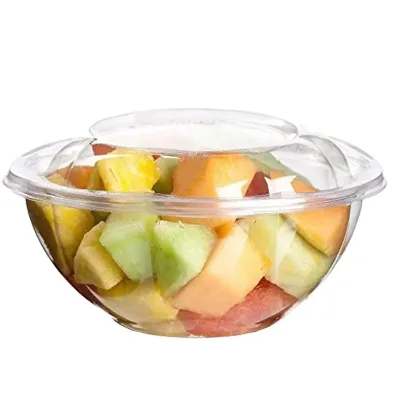

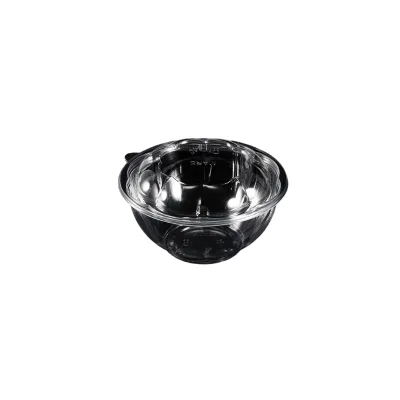
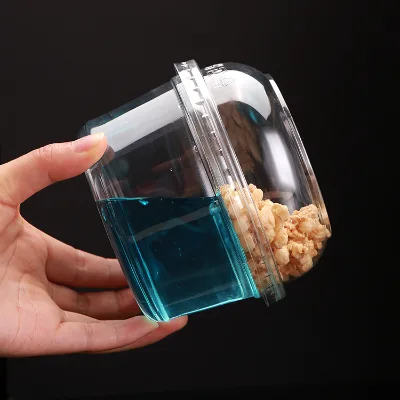
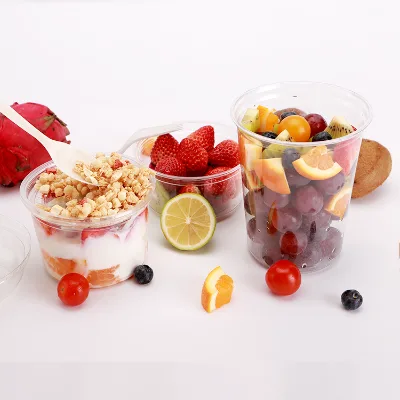
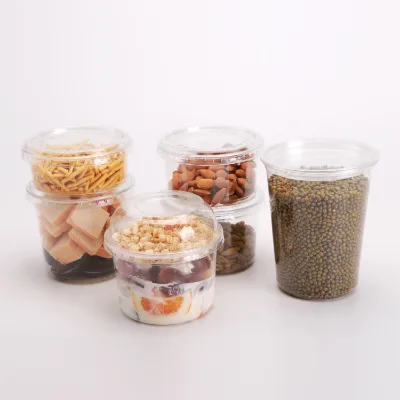
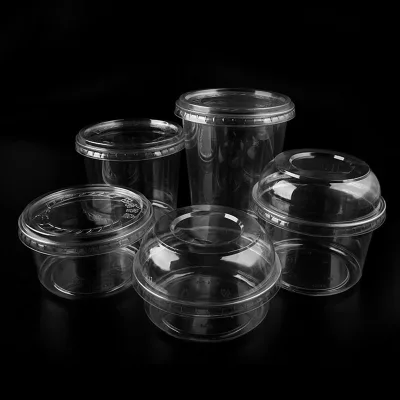
16oz Pet Salad Bowl with Dome Lid Disposable Clear Plastic Bowls Disposable Pet Salad Bowl with Lid
$0.0292 - $0.0342
MOQ: 12000 Pieces


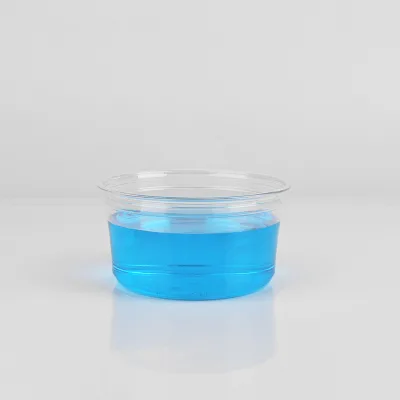
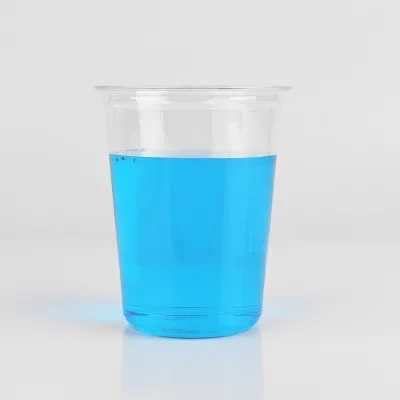
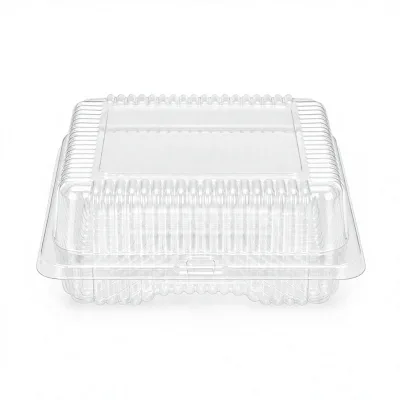
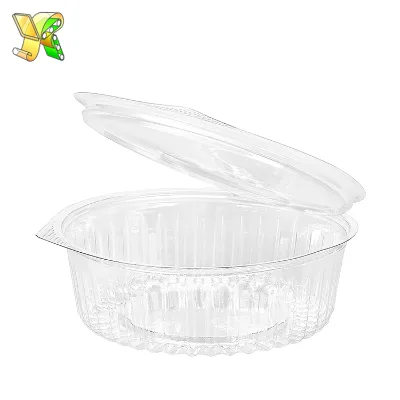
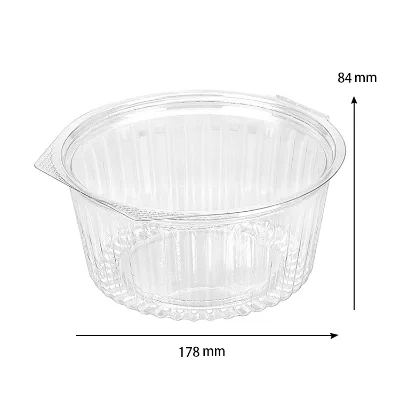
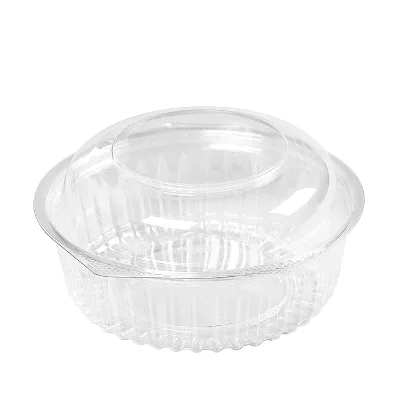
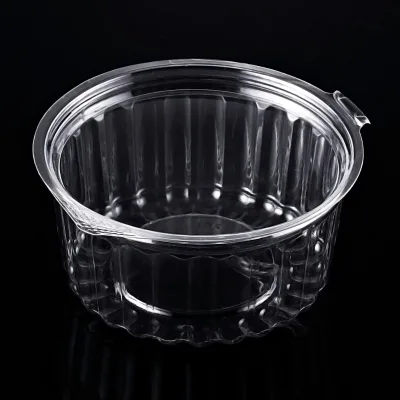
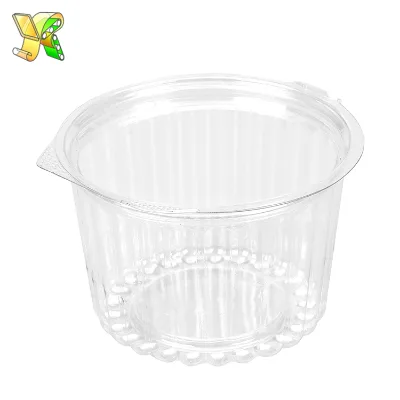


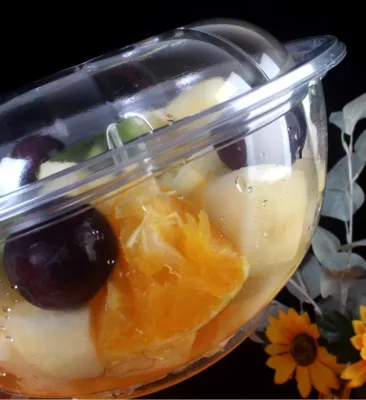
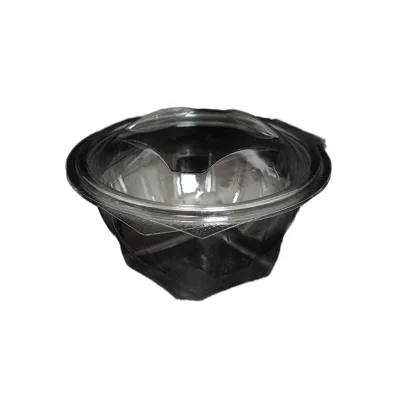
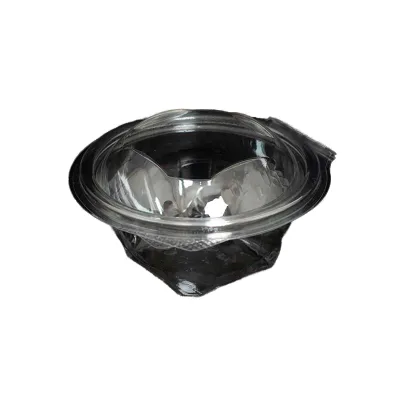
Convenient Disposable PET Plastic Salad Bowl for Lunch and Food Storage
$9.04 - $9.94
MOQ: 9000 cartons


Comprehensive Sourcing Guide
Disposable PET Plastic Salad Bowl Sourcing Guide
Sourcing disposable PET plastic salad bowls requires a disciplined approach to material verification and supply chain transparency. Buyers must prioritize suppliers who explicitly confirm the use of food-grade polyethylene terephthalate, ensuring the material meets strict safety thresholds for direct food contact. The observed market signals indicate a wide range of product configurations, from simple round bowls to complex salad boxes with integrated lids, necessitating clear specification alignment before order placement.
Procurement teams should evaluate suppliers based on their ability to provide consistent quality across high-volume orders while maintaining competitive lead times. The presence of OEM and ODM support suggests flexibility in branding and design, which is critical for private-label strategies. However, buyers must verify that customization does not compromise the structural integrity or safety certifications of the final product, particularly when dealing with varying wall thicknesses and weight specifications.
Product Scope and Observed Listing Signals
The current market landscape for disposable PET salad bowls features a diverse array of product models, including specific designations like JM-101, 180D series, and BX-0064D variants. These products are primarily categorized as trays or bowls, with usage spanning packaging, storage, and tableware applications. The observed listings highlight a strong emphasis on eco-friendly attributes and disposable convenience, catering to the growing demand for single-use solutions in the food service industry that balance hygiene with environmental considerations.
Price points in the observed data range significantly, reflecting variations in material grade, thickness, and order volume. Buyers should note that minimum order quantities (MOQs) can vary from as low as one piece for sampling up to 50,000 pieces for bulk production, with specific listings citing thresholds like 10,000 or 12,000 pieces. This variability requires careful negotiation to align inventory costs with sales velocity, ensuring that the chosen supplier can accommodate both initial trial orders and subsequent large-scale replenishment without excessive penalties or delays.
Technical Specifications to Verify
Technical due diligence must focus on the physical dimensions and material properties of the salad bowls to ensure they meet operational requirements. Key specifications to verify include single package sizes, such as 19x19x8 cm, and individual product dimensions like 173x60mm for specific models. Buyers should confirm the wall thickness, which has been observed at 1 mm, and the net weight per piece, ranging from 14g to 38g depending on the capacity and structural design. These metrics directly impact stacking efficiency, storage density, and the perceived quality of the product by end consumers.
Temperature resistance is another critical technical parameter that must be validated against intended use cases. The supplied data indicates a usage temperature range of -20°C to +50°C or +65°C for PET materials, which is essential for salads containing chilled ingredients or warm dressings. Additionally, buyers must verify lid compatibility and dishwasher safety status, as many disposable PET bowls are not dishwasher safe. Confirming these limits prevents product failure during storage or serving and ensures compliance with specific restaurant or catering operational protocols.
Compliance and Safety Documentation
Regulatory compliance is non-negotiable for food-contact packaging, requiring suppliers to provide robust certification documentation. Buyers should request evidence of ISO 22000 and ISO 9001 certifications, which demonstrate adherence to food safety management systems and quality management principles. The presence of BRC (British Retail Consortium) certification is particularly valuable for suppliers targeting international retail markets, as it signifies rigorous auditing of manufacturing processes and product safety standards.
Additional certifications such as CE, FDA, EU compliance, and social responsibility audits like BSCI, Sedex, and GRs further validate a supplier’s credibility. These documents assure buyers that the PET plastic used is food-grade and free from harmful contaminants. Procurement teams must verify that these certificates are current and issued by recognized accreditation bodies. Relying on suppliers with comprehensive certification portfolios reduces the risk of regulatory non-compliance and potential product recalls in destination markets.
Cost Drivers and Commercial Terms
Understanding the cost structure of disposable PET salad bowls involves analyzing material inputs, manufacturing complexity, and logistical factors. The base material cost for food-grade PET fluctuates with global oil prices, influencing the final unit price. Buyers should also consider the impact of customization, such as specific mold designs for models like BX-0065D, which may incur additional tooling fees. Packaging methods, typically poly bags within paper cartons, add to the overall cost but are essential for protecting the product during transit.
Commercial terms, including lead times and payment conditions, significantly affect total procurement costs. Observed delivery times range from 15-25 days for standard items to 30 days for customized orders, requiring accurate demand forecasting to avoid stockouts. Suppliers often offer free samples within 3-7 days, allowing buyers to assess quality before committing to large orders. Negotiating favorable MOQs and volume discounts can mitigate unit costs, while clear agreements on packaging standards ensure consistent product presentation and protection.
Supplier Qualification and Quality Control
Supplier qualification extends beyond certification checks to include an assessment of manufacturing capabilities and quality control processes. Buyers should verify the supplier’s origin, with notable production hubs in Henan and Zhejiang provinces in China, to understand regional supply chain dynamics. Evaluating the supplier’s ability to support OEM and ODM requests is crucial for brands seeking unique product differentiation. A robust quality control system should include in-process inspections and final random sampling to ensure consistency in weight, thickness, and appearance.
Establishing a clear communication channel for sample approval is a vital step in the qualification process. Buyers must request and evaluate free samples to confirm that the product meets their specific requirements for clarity, shape, and functionality. It is advisable to conduct periodic factory audits or third-party inspections to verify that production practices align with stated quality standards. This proactive approach minimizes the risk of receiving substandard batches and ensures long-term partnership stability with reliable manufacturing partners.
Long-Term Procurement Checks
Sustainable procurement practices require ongoing monitoring of supplier performance and product compliance. Buyers should regularly review supplier certifications to ensure they remain valid and up-to-date, particularly for critical standards like ISO 22000 and BRC. Tracking key performance indicators such as on-time delivery rates, defect rates, and responsiveness to quality issues helps identify potential risks early. Maintaining a diversified supplier base can mitigate disruptions caused by capacity constraints or geopolitical factors affecting specific manufacturing regions.
Continuous market analysis is essential to stay informed about emerging trends in eco-friendly packaging and material innovations. Buyers should periodically reassess their product specifications to ensure they align with evolving consumer preferences and regulatory requirements. Engaging in open dialogue with suppliers about potential improvements in material efficiency or packaging design can lead to cost savings and enhanced sustainability. By maintaining a disciplined approach to verification and relationship management, buyers can secure a reliable supply of high-quality disposable PET salad bowls.
FAQs
What certifications do these disposable PET salad bowls have?
These bowls hold ISO22000, ISO9001, BRC, CE, FDA, and EU certifications. They also meet BSCI, Sedex, and Grs standards. This ensures compliance for food-grade packaging and storage. Buyers can verify these credentials for international trade requirements and safety audits.
Can I get free samples before placing a bulk order?
Yes, free samples are available for these PET salad bowls. Samples typically take 3-7 days to prepare and ship. This allows buyers to verify quality, thickness, and clarity before committing to large quantities. It is a standard practice for OEM and ODM support.
What is the minimum order quantity for these salad bowls?
The MOQ ranges from 1 to 50,000 pieces depending on the specific model. Some models like BX-0064D require 10,000 pieces, while others need 12,000 pieces. Flexible MOQs support both small trials and large-scale industrial packaging needs for global distributors.
What is the delivery time for bulk orders?
Standard delivery time is 15-25 days for most models. Some specific items may require up to 30 days for production and shipping. This lead time accounts for manufacturing, quality control, and packaging in poly bags and paper cartons. Buyers should plan logistics accordingly.
Are these bowls suitable for cold food storage?
Yes, they are suitable for temperatures between -20°C and 50°C or 65°C. The PET material remains stable in cold conditions, making them ideal for salads, desserts, and ice cream. They are not dishwasher safe but are eco-friendly and disposable for convenience.
Can I customize the design and packaging for my brand?
OEM and ODM customization is fully supported. Buyers can request specific models like JM-101 or BX-0065D with custom sizes. Packaging can be adjusted to poly bags and paper cartons. This flexibility allows brands to tailor products for specific market segments and retail requirements.