Source Recyclable Food Mylar Pouch for Coffee, Tea, and Snacks
Compare 30 listings for Recyclable Food Mylar Pouch options featuring waterproof performance and customizable sizes. Buyers can evaluate materials like PBAT+PLA and sealing methods for food packaging needs; compare the available evidence and request quotations based on your requirements.
Updated
Key considerations
Products List


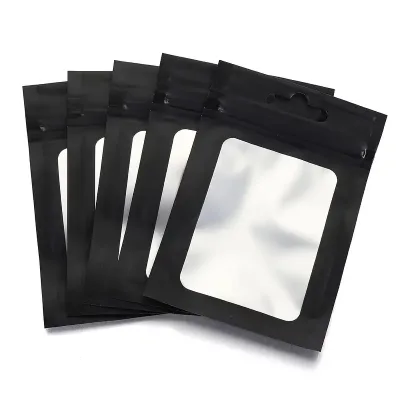
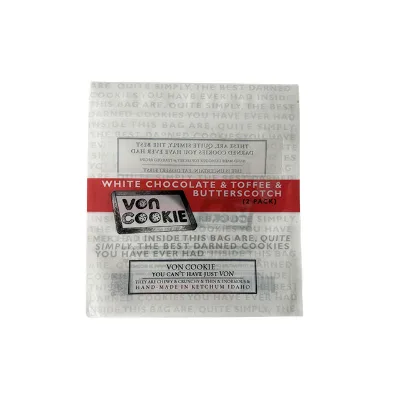


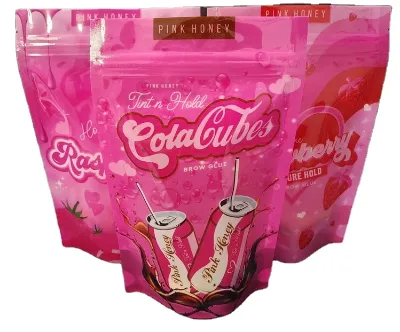


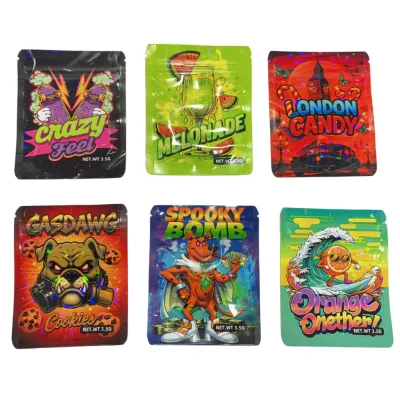
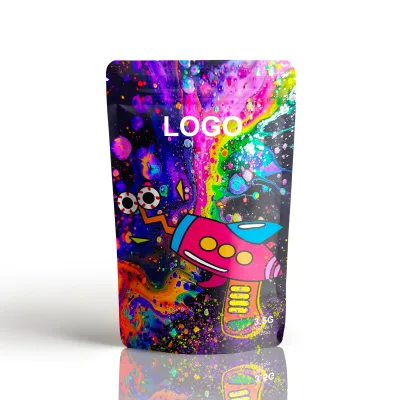
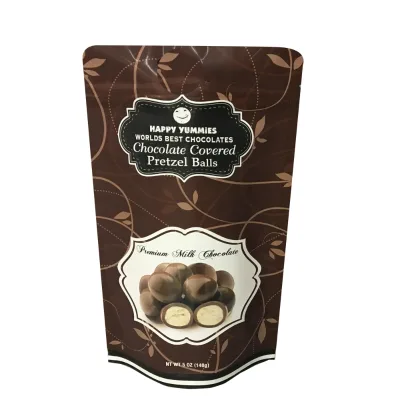
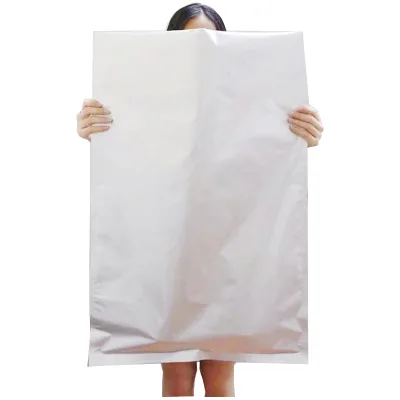
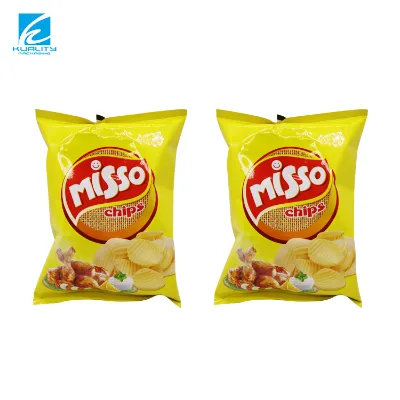

Dq Pack Customized Resealable Recyclable Food Packaging Pouch Stand up Mylar Bag
$0.01 - $0.07
MOQ: 30000 Pieces

Custom Printed Plastic Mylar Bag Snack Chips Food Packaging Stand up Pouch
$0.02 - $0.06
MOQ: 30000 Pieces

Custom Printed Mylar Bag Soft Food Packaging Reusable Ziplock Bag Stand up Pouch Bag
$0.02 - $0.06
MOQ: 50000 Pieces

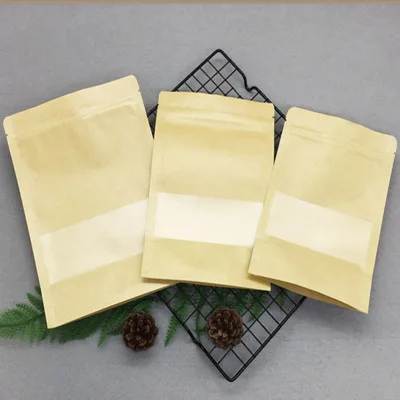


Comprehensive Sourcing Guide
Recyclable Food Mylar Pouch Sourcing Guide
Product Scope and Observed Listing Signals
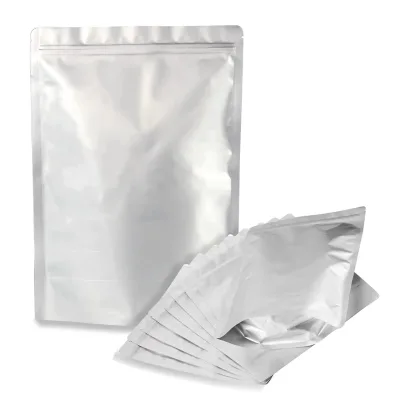
Buyers evaluating this category should note that observed listings frequently describe products as "Mylar bags" or "smell proof" pouches, often constructed from laminated materials such as aluminum foil or structures like OPP+PET+PE. While the core keyword emphasizes recyclability, the supplied data indicates raw materials often include Pbat+PLA blends alongside traditional laminates, suggesting a mix of biodegradable and conventional options in the market. Procurement teams must carefully distinguish between true recyclable structures and those that are merely moisture-proof or waterproof, as the latter may not meet specific sustainability mandates.
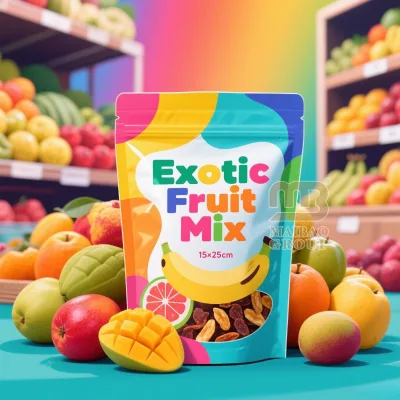
The observed product range includes back seal bags, zipper closure pouches, and flat bottom coffee bags, with applications spanning food packaging for coffee beans, candy, snacks, and tea. Listings show a wide variety of sizes, from small 6x10cm pouches to larger 18x26cm formats, and capacities ranging from 8oz to 5kg. Buyers should verify if the "recyclable" claim applies to the entire laminate structure or just specific layers, as many observed items use complex multi-layer constructions that may complicate end-of-life recycling streams despite featuring resealable features.
Technical Specifications to Verify
Thickness is a critical technical parameter, with observed listings specifying ranges from 50 to 200 microns or fixed values like 0.1 mm. Buyers must confirm that the selected thickness provides adequate barrier properties for the specific food product, particularly for moisture-sensitive items like coffee or tea, while also considering the mechanical strength required for shipping and handling. The material structure often involves layers such as BOPP, MOPP, Mylar, or CPE, and verifying the exact layer composition is essential to ensure the pouch meets both barrier and recyclability requirements.
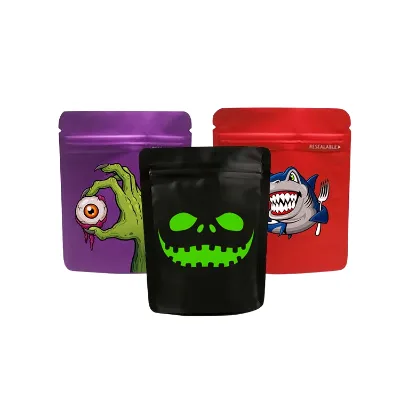
Sealing methods and surface treatments also require close scrutiny, as observed products feature zipper closures, back seals, and various printing options including gravure printing with up to ten colors. The surface handling can be coated or plain, and printed or unprinted, which affects both the aesthetic appeal and the functional integrity of the seal. Buyers should request samples to test the zipper durability and seal strength, ensuring that the resealable feature remains effective throughout the product's shelf life without compromising the structural integrity of the pouch.
Compliance and Safety Documentation
Food contact safety is paramount, and buyers must ensure that all materials, including inks and adhesives used in the laminated structures, comply with relevant food safety regulations. Although specific certification names are not provided in the observed data, suppliers should be required to provide documentation proving that their Pbat+PLA blends or aluminum foil laminates are safe for direct or indirect food contact. This includes verifying that the printing processes, such as gravure printing, do not introduce harmful substances that could migrate into the food product.
Recyclability claims must be substantiated by clear documentation, as the term "recyclable" can be ambiguous without specific context. Buyers should ask suppliers to clarify which recycling streams the pouch is compatible with, such as curbside recycling or specialized industrial composting for PLA-based materials. It is crucial to verify that the supplier’s claims align with local recycling infrastructure and regulations, ensuring that the packaging does not contaminate recycling streams or create disposal challenges for end consumers.
Cost Drivers and Commercial Terms
Pricing in the observed market ranges from $0.01 to $92, reflecting significant variations in material complexity, size, and customization levels. Buyers should anticipate that custom designs, specific thicknesses, and complex laminate structures will command higher prices compared to standard off-the-shelf options. The minimum order quantity (MOQ) varies widely, from 100 pieces to 80,000 pieces, with some listings specifying an MOQ of 5,000 pieces, which can impact unit costs and inventory management strategies.
Commercial terms also include design fees, which are often listed as free of charge, and delivery times that can be as short as 10 days. Payment terms typically involve a 30% T/T deposit with the 70% balance paid before shipment, which is a common practice in international trade. Buyers should negotiate these terms carefully, considering the volume of their orders and the lead time requirements, to ensure that the total cost of ownership, including shipping and handling, remains within budget.
Supplier Qualification and Quality Control
Supplier location is a key factor, with observed products originating from Guangdong, China, a major hub for plastic packaging manufacturing. Buyers should conduct thorough due diligence on potential suppliers, verifying their production capabilities, quality control processes, and ability to meet specific customization requirements. It is advisable to request references or case studies from previous clients to assess the supplier’s reliability and consistency in delivering high-quality packaging solutions.
Quality control measures should include regular inspections of raw materials, production processes, and finished products to ensure consistency in thickness, seal strength, and print quality. Buyers should establish clear acceptance criteria and inspection protocols, including third-party testing if necessary, to mitigate the risk of receiving substandard products. Regular communication with the supplier and periodic audits can help maintain high standards and address any issues promptly.
Long-Term Procurement Checks
Sustainability trends are evolving rapidly, and buyers should stay informed about changes in recycling regulations and consumer preferences for eco-friendly packaging. Regularly reviewing the supplier’s ability to innovate and offer new recyclable materials, such as advanced PLA blends or mono-material structures, can help future-proof the procurement strategy. Engaging in long-term partnerships with suppliers who are committed to sustainability can lead to better pricing, priority access to new products, and collaborative innovation opportunities.
Supply chain resilience is also critical, and buyers should diversify their supplier base to mitigate risks associated with geopolitical tensions, natural disasters, or production disruptions. Maintaining a buffer stock of critical packaging materials and establishing clear contingency plans can help ensure continuous production. Regularly evaluating supplier performance against key metrics such as delivery times, quality, and responsiveness can help identify areas for improvement and strengthen the overall procurement strategy.
FAQs
Can these mylar bags be customized for food packaging?
Yes, customization is available for these recyclable food mylar pouches. The product standard is customized, allowing for specific sizes ranging from 6x10cm to 18x26cm. Thickness options span 50-200 microns, and design fees are free of charge. Buyers can select from various material structures like BOPP, MOPP, or Mylar to meet specific food packaging needs.
What is the minimum order quantity for these bags?
The minimum order quantity varies by supplier, with observed ranges from 100 to 80,000 pieces. Some listings specify an MOQ of 5,000 PCS, while others accept orders as low as 100 pcs. Buyers should verify the specific MOQ with the manufacturer, as it depends on the chosen customization level and material structure for the Recyclable Food Mylar Pouch.
How long is the delivery time for these pouches?
The typical delivery time is approximately 10 days for these recyclable food mylar pouches. This lead time applies to standard production runs. Buyers should confirm exact schedules with the supplier, as lead times may vary based on order volume, customization requirements, and the specific manufacturing capacity of the factory in Guangdong, China.
What materials are used to make these food pouches?
These recyclable food mylar pouches are made from various materials including Pbat+PLA, Aluminum Foil, and laminated structures like OPP+PET+PE. Other options include BOPP, MOPP, Mylar, and CPE. The material choice depends on the required barrier properties, such as moisture proofing and waterproof performance, ensuring suitability for coffee, tea, or snack packaging.
Are these bags suitable for resealing food products?
Yes, these bags are designed for resealing food products. They feature zipper closures and zipper tops, functioning as waterproof zipper bags. The application includes food packaging for items like coffee beans, candy, and tea. The resealable design helps maintain freshness and provides convenience for consumers, making them ideal for various dry food applications.
What printing options are available for these mylar bags?
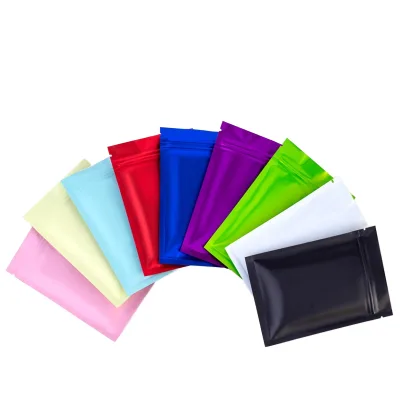
Printing options include gravure printing with 1 to 10 colors. The surface handling can be coated or plain, with printing or no printing available. Colors are customizable to match brand requirements. This allows for detailed branding on recyclable food mylar pouches, ensuring high-quality visual appeal for products like coffee, snacks, and tea while maintaining functional integrity.