Source Silk Screen Printing Spray Bottle for Travel, Beauty, and Personal Care
Find 30 options for Silk Screen Printing Spray Bottle solutions tailored for industrial cosmetic use. Compare models like NB-PACK and BT24L360BA, featuring PET plastic construction, various volumes from 10ml to 1000ml, and customization services including OEM/ODM and silk screen printing.
Updated
Key considerations
Products List


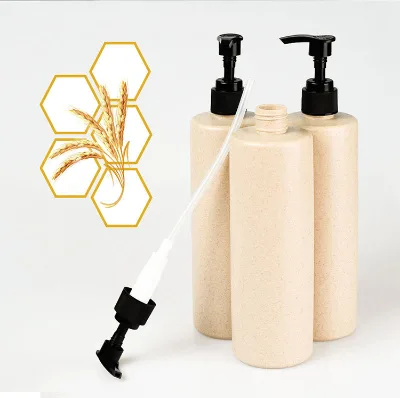
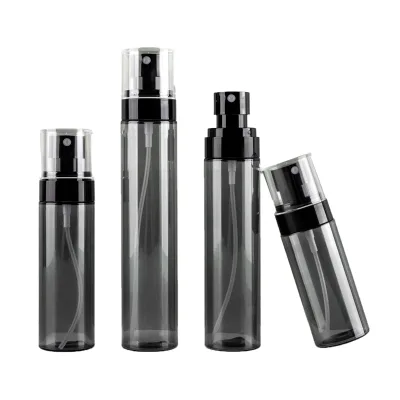
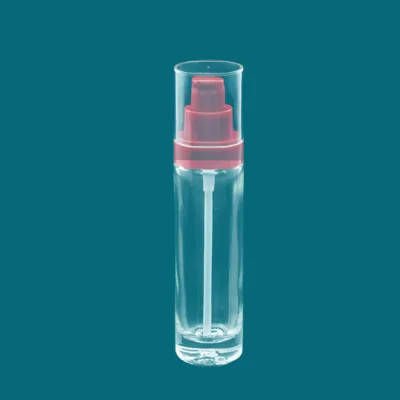
10ml PETG Bottle with Pump Sprayer for Lotion Surface Handled for Screen Printing
$0.13 - $0.15
MOQ: 10000 Pieces
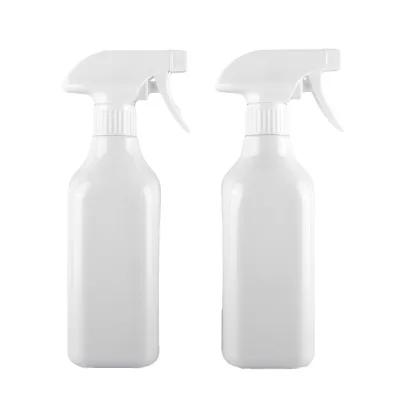
Oem Odm Recyclable Silk Screen Printing 500Ml Pet Pump Spray Bottle Plastic
$0.4039 - $0.5071
MOQ: 1000 pieces
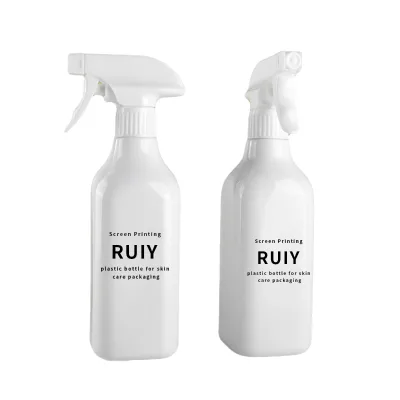

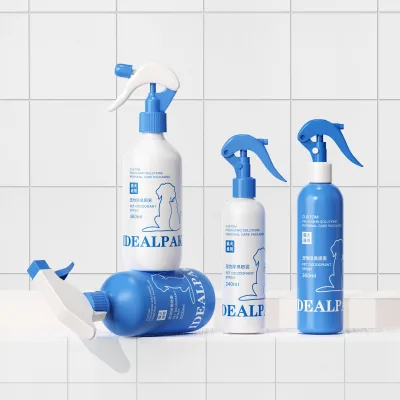

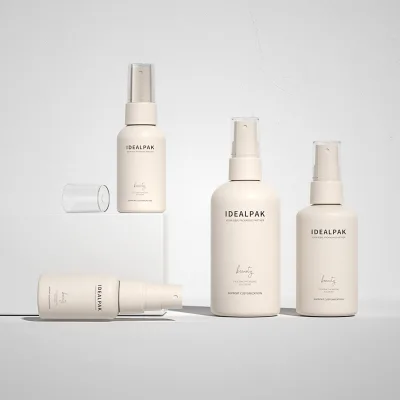
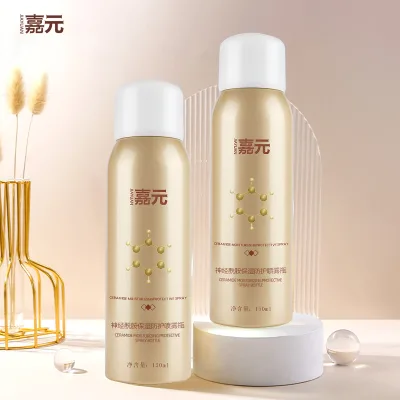
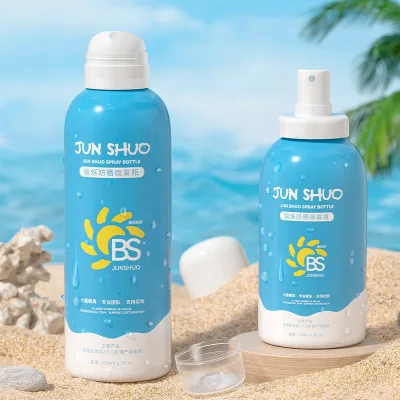
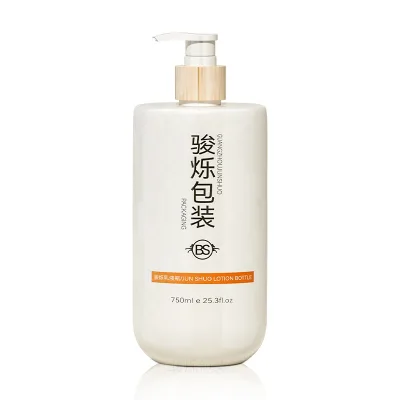
Custom Silk Screen Print Hot Stamping Logo Cosmetic Lotion Spray Bottle Set
$0.65 - $1.35
MOQ: 5000 Pieces
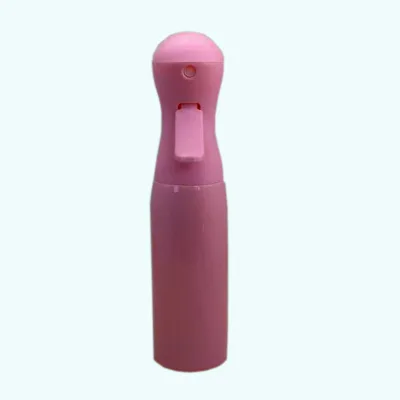
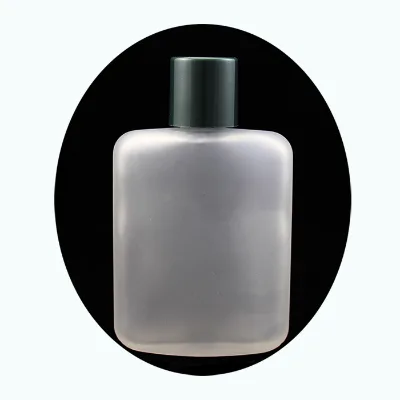
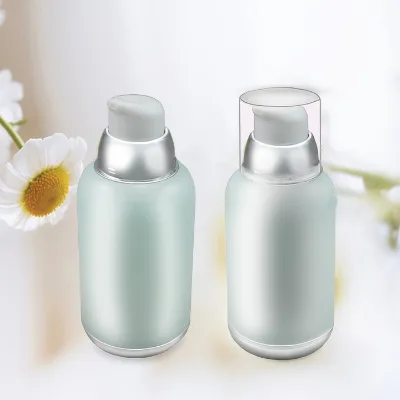
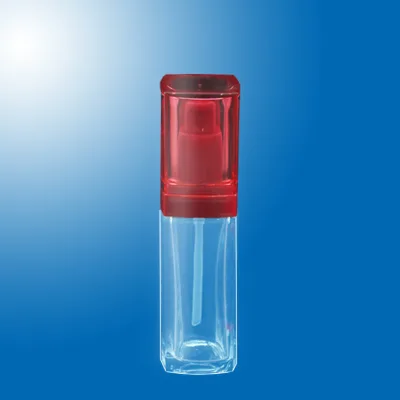
Comprehensive Sourcing Guide
Silk Screen Printing Spray Bottle Sourcing Guide
Sourcing silk screen printing spray bottles requires a nuanced understanding of both packaging functionality and decorative customization. Buyers must balance the mechanical reliability of the spray mechanism with the aesthetic demands of branded packaging. The intersection of these factors determines the final product’s market appeal and operational efficiency. This guide provides a structured approach to evaluating suppliers, verifying technical specifications, and managing commercial risks associated with custom-printed cosmetic containers.
Procurement teams should focus on identifying suppliers who offer robust OEM and ODM capabilities. The ability to customize package designs while maintaining consistent print quality is critical for brand differentiation. This guide outlines the essential verification steps, from material selection to compliance documentation, ensuring that sourced products meet both functional requirements and regulatory standards for global distribution.
Product Scope and Observed Listing Signals
The observed market for silk screen printing spray bottles includes a diverse range of materials, primarily metal and plastic, with PET being a notable polymer choice for specific applications. Listings indicate a wide volume capacity, ranging from small 10ml and 15ml travel sizes up to larger 1000ml containers, catering to various product formulations. The closure types vary significantly, including mist sprayers, lotion pumps, and trigger sprays, each serving distinct usage scenarios such as facial mists, body sprays, or industrial cleaning agents.
Customization is a dominant feature in this segment, with suppliers frequently offering tailored packaging solutions. Attributes such as non-transparent finishes and specific shapes, like round designs, are commonly available to meet brand identity needs. The presence of multiple spray types, including continuous spray and aerosol options, suggests that buyers must carefully match the mechanism to the viscosity and volatility of their liquid product to ensure consistent performance and user experience.
Technical Specifications to Verify
Verifying the collar material and bottle construction is essential for ensuring compatibility with the chosen spray mechanism. For plastic bottles, confirming the specific polymer type, such as PET, helps assess chemical resistance and durability. Buyers should also inspect the thickness of the material, as thinner walls may compromise structural integrity during shipping or under pressure. The sealing method, often a twist cap, must be tested for leak prevention and ease of use, particularly for products that require frequent opening and closing.
Print quality and adhesion are critical technical considerations for silk screen printed bottles. Buyers must verify the printing handling techniques, which may include silk screen printing, hot stamping, or heat transfer printing, to ensure the design remains intact during handling and exposure to environmental factors. The single package size and gross weight should be calculated accurately to optimize logistics costs and storage efficiency, ensuring that the final product meets dimensional constraints for retail shelving and shipping containers.
Compliance and Safety Documentation
Ensuring that packaging materials comply with relevant safety and environmental regulations is a non-negotiable aspect of procurement. Buyers should request documentation confirming that the materials used, particularly plastics and inks, are free from harmful substances and suitable for contact with cosmetic or personal care products. While specific certifications like BSCI or CE may be mentioned in supplier profiles, buyers must verify the current status and scope of these certifications to ensure they apply to the specific manufacturing facilities and product lines being sourced.
Transparency in supply chain practices is equally important for maintaining brand reputation. Procurement teams should inquire about the supplier’s adherence to ethical labor standards and environmental management systems. Requesting detailed material safety data sheets (MSDS) for the inks and coatings used in the silk screen printing process can help mitigate risks associated with chemical exposure and ensure that the final product meets international safety standards for consumer goods.
Cost Drivers and Commercial Terms
The cost of silk screen printing spray bottles is influenced by several key factors, including material selection, print complexity, and order volume. Higher MOQs, such as 10,000 pieces, often result in lower unit prices, but buyers must balance this with inventory holding costs and cash flow implications. The customization level, including unique shapes or multi-color prints, can significantly impact production costs, so it is essential to obtain detailed quotes that break down material, labor, and printing expenses.
Commercial terms such as sample availability and payment conditions play a crucial role in the procurement process. Suppliers that offer free samples allow buyers to evaluate print quality and mechanical functionality before committing to large orders. Understanding the lead times for both sample production and bulk manufacturing is vital for planning inventory replenishment. Buyers should also clarify any additional costs for tooling or setup fees, which can vary depending on the complexity of the custom design and the chosen printing method.
Supplier Qualification and Quality Control
Evaluating supplier qualifications involves assessing their manufacturing capabilities, quality control processes, and track record in producing custom printed packaging. Buyers should verify the supplier’s experience with silk screen printing techniques and their ability to maintain consistent color matching and print registration across large production runs. Requesting references or case studies from previous clients can provide insights into the supplier’s reliability and ability to meet tight deadlines and quality standards.
Implementing a robust quality control plan is essential to minimize defects and ensure product consistency. This includes defining clear acceptance criteria for print quality, bottle integrity, and spray mechanism performance. Buyers should consider conducting pre-shipment inspections to verify that the products meet all specified requirements before they are dispatched. Establishing a clear communication channel for addressing any quality issues or discrepancies is also crucial for maintaining a productive and responsive supplier relationship.
Long-Term Procurement Checks
Long-term procurement success depends on continuous monitoring of supplier performance and market trends. Buyers should regularly review supplier metrics, such as on-time delivery rates, defect rates, and responsiveness to issues, to identify areas for improvement. Building a diversified supplier base can mitigate risks associated with single-source dependencies and provide flexibility in responding to changes in demand or supply chain disruptions.
Staying informed about advancements in packaging technology and sustainability practices is also important for maintaining a competitive edge. Buyers should explore opportunities to adopt more eco-friendly materials or printing techniques that align with evolving consumer preferences and regulatory requirements. Regularly engaging with suppliers to discuss innovation and cost-saving initiatives can foster a collaborative partnership that drives continuous improvement and value creation for both parties.
FAQs
Can silk screen printing spray bottles be customized for branding?
Yes, customization is available for these bottles. Suppliers offer options such as silk screen printing, hot stamping, and labeling to match your brand identity. The packaging can also be customized to meet specific requirements. This allows for unique visual presentation while maintaining the functional integrity of the spray mechanism for various cosmetic applications.
What materials are used for silk screen printing spray bottles?
These bottles are typically made from metal or plastic, with PET being a common plastic type. The collar material may also be PET. The choice of material affects the bottle's transparency and durability. Non-transparent finishes are often selected to protect the contents, while the spray mechanism ensures precise application for perfumes, hair mists, and body sprays.
What is the minimum order quantity for these bottles?
The minimum order quantity varies by supplier, ranging from as low as one piece for samples to up to 30,000 pieces for bulk orders. Some suppliers specify an MOQ of 10,000 pieces for standard production runs. Samples can often be provided freely to evaluate quality before committing to a larger purchase, ensuring the product meets your standards.
What spray types are available for these cosmetic bottles?
Various spray types are available, including trigger sprays, pump sprays, fine mist sprayers, continuous sprays, and aerosol sprays. The closure type may be a mist sprayer or lotion pump, often sealed with a twist cap. These options allow for tailored application methods suitable for setting sprays, perfumes, and other personal care products requiring specific dispersion patterns.
What volume capacities are offered for these spray bottles?
Standard capacities range from 15ml to 1000ml, with common sizes including 10ml, 30ml, 100ml, 250ml, 300ml, and 500ml. Specific models may support custom sizes upon request. This wide range accommodates different product volumes, from small travel-sized testers to full-sized retail bottles, ensuring flexibility for various cosmetic and personal care product lines.
Where are these silk screen printing spray bottles manufactured?
These bottles are primarily manufactured in China, with specific production hubs located in Zhejiang and Guangdong provinces. The origin ensures access to established supply chains and manufacturing expertise. Buyers can source from these regions to benefit from competitive pricing and efficient logistics, while still having the option for customized packaging and branding services tailored to international markets.