Source Recyclable Cosmetic Aluminum Foil Bag for Food, Stationery, Gift
Compare 30 listings for the Recyclable Cosmetic Aluminum Foil Bag from verified Chinese suppliers. Options include Mylar and PE structures with custom sizes, colors, and features like zippers or vents for food, stationery, and gift packaging needs; compare the available evidence and request quotations based on your requirements.
Updated
Key considerations
Products List


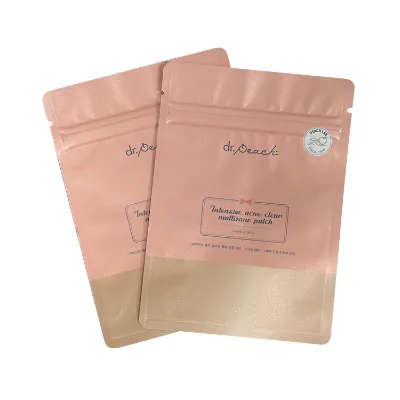
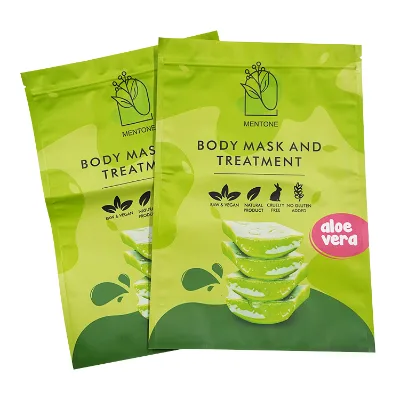
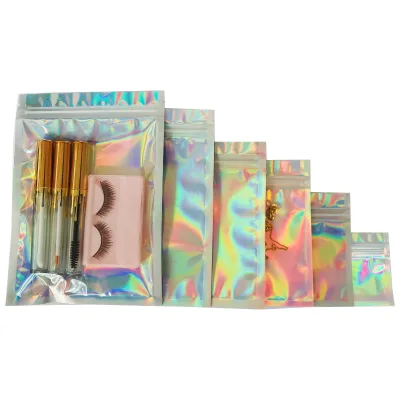
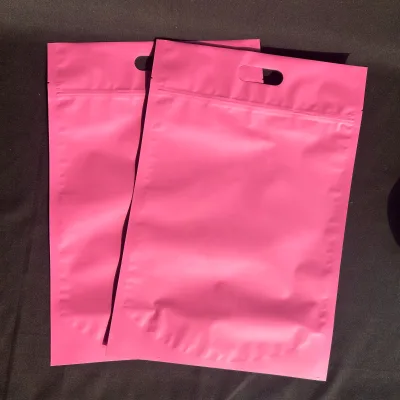

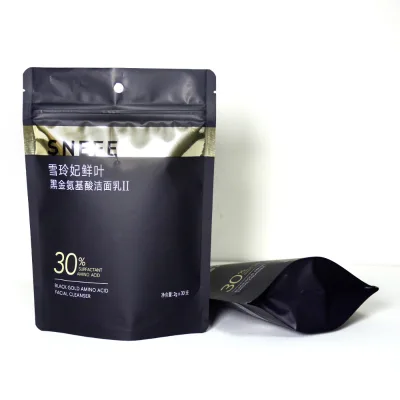
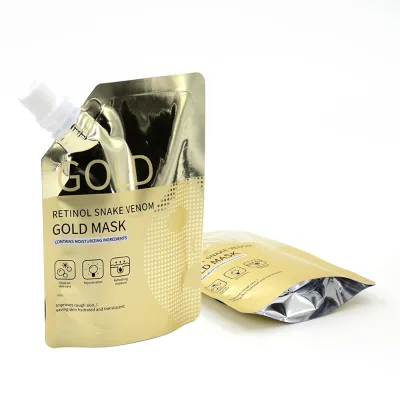


Cosmetic Bag Aluminium Foil Food Packaging Bag Shaped Pouch Liquid Pouch
$0.01 - $0.05
MOQ: 5000 Pieces


Aluminum Foil Facial Mask Plastic Bag Medical Grade Pouch Medical Grade Ziplock Bag
$0.015 - $0.028
MOQ: 30000 Pieces


Custom Laminated Aluminum Foil 3 Sides Sealed Cosmetic Mask Liquid Packaging Bag
$0.04 - $0.08
MOQ: 10000 Pieces

Custom Laminated Aluminum Foil Three Side Sealed Packaging Bag for Cosmetic Mask
$0.02 - $0.08
MOQ: 10000 Pieces
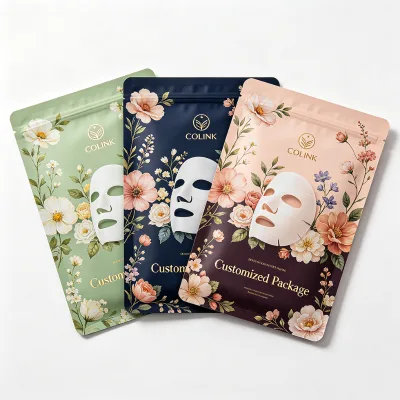
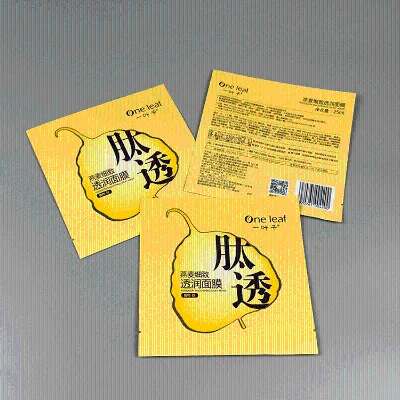
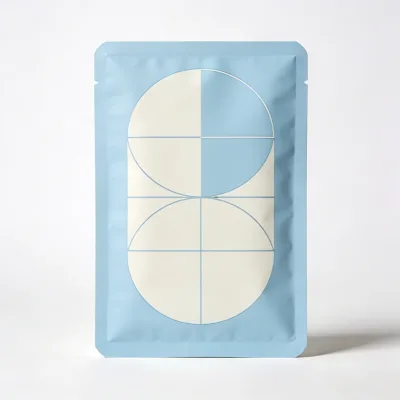
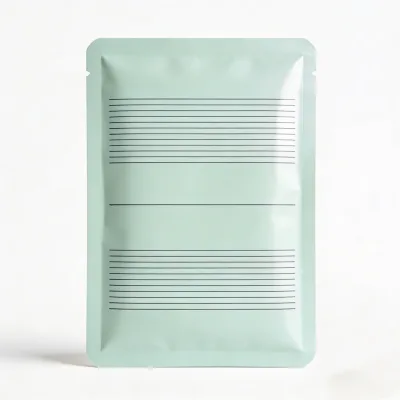


Aluminum Foil Packaging Bag for Facial Mask Packaging Pouch High Barrier Packing
$0.28 - $0.30
MOQ: 10000 Pieces
Comprehensive Sourcing Guide
Recyclable Cosmetic Aluminum Foil Bag Sourcing Guide
Recyclable cosmetic aluminum foil bags occupy a specific niche in flexible packaging: they combine the barrier performance traditionally associated with foil laminates with growing buyer pressure for recyclability. For procurement teams, this category demands careful attention because "aluminum foil bag" and "recyclable" can sit in tension—conventional foil-plastic laminates are notoriously difficult to recycle, while mono-material structures sacrifice some barrier properties. Understanding where a listed product genuinely sits on that spectrum is the first sourcing decision.
This guide is written for buyers sourcing bags for cosmetic packaging applications, which the observed listings explicitly cover alongside gift and stationery packaging. The structure follows a practical evaluation path: product scope, technical verification, compliance, cost, supplier qualification, and long-term program management. Throughout, treat listed attributes as observations about individual listings rather than guarantees, and verify every claim directly with the supplier before committing to a purchase order.
Product Scope and Observed Listing Signals
Listed products in this space include multi-layer structures described as PET+Al+PE and PET+Holographic+PE, as well as broader Mylar bag constructions using PET, Mylar, VMPET, MOPP, BOPP, PE, and aluminum. Model numbers such as CX08, GRY-001, GRY-003, GRY-024, and TSS-22120203 appear across listings, indicating a wide variety of stock formats that can anchor customization discussions. Closure types observed include heat-sealing and zipper tops, with accessories such as top sliders, vent holes, and handles available on some formats.
Buyers should note the breadth of applications listed: food, household, promotion, food packaging generally, and specifically stationery, gift, and cosmetic packaging. Usage descriptions also mention chicken and fruit and vegetable packaging, which signals that many listings are general-purpose bags rather than cosmetics-specific designs. That matters because cosmetic contact may impose requirements—compatibility with oils, actives, or fragrances—that a general packaging bag was never tested for. When a listing spans food and cosmetics, ask which application the structure was actually engineered and validated for, and request documentation specific to your intended use.
Technical Specifications to Verify
Start with the material structure and whether the advertised recyclability is compatible with it. A PET+Al+PE laminate contains aluminum, which typically complicates recycling; ask suppliers to explain exactly how a structure containing aluminum is recyclable, whether through a specialized stream, a reduced-aluminum design, or a recyclable-certified mono-material alternative. Confirm layer-by-layer composition in writing, including thickness of each layer, since barrier performance and recyclability both depend on precise construction rather than generic material names.
Then verify dimensional and functional specifications. Observed listings show customized sizes and thicknesses, with one reference standard of W300 × H235 plus a 120 mm bottom gusset—useful as an example of the gusset detail you should specify. Confirm whether transparency matters: some listings are non-transparent, others glossy, matte, or spot UV finished. For cosmetics, clarify gusset depth, stand-up capability for upright bag formats, zipper or heat-seal closure dimensions, and whether the surface finish affects print adhesion or scuff resistance during transit.
Compliance and Safety Documentation
Observed listings reference BRC, EU standard, and ISO 9001:2015 certificates, but certificate names on a listing page are not evidence of coverage for your product. Ask each supplier for the actual certificate documents, confirm the scope and expiry dates, and check whether the certified management system covers the specific production line that will run your order. For cosmetics destined for the EU or other regulated markets, clarify which food-contact or cosmetic-contact standards the materials comply with and request migration or safety test reports where applicable.
Because several observed structures include PE in the sealant layer and aluminum or VMPET as barriers, ask specifically about the chemical compatibility of the inner layer with your formulation—especially products containing essential oils or high alcohol content, which can attack sealant layers. Request samples and conduct your own compatibility and stability testing under realistic storage conditions. Do not accept a general "moisture proof" or "waterproof" feature claim as proof of barrier adequacy for a shelf-stable cosmetic product; ask for measured water vapor and oxygen transmission data instead.
Cost Drivers and Commercial Terms
Observed listings show a wide price band from USD 0.01 to USD 4 and MOQs ranging from 200 pieces to 50,000 pieces, with individual listings citing 500, 1,000, 10,000, and 50,000-piece minimums. This spread reflects differences in size, structure complexity, and printing. Expect the low end of the price range to correspond to small, simple stock bags and the high end to larger or holographic multi-layer constructions. Treat listed prices as starting points for negotiation on your specific specification.
Printing depth is a major cost lever: listings allow up to 10 colors with gravure printing, which carries cylinder costs but yields excellent per-unit economics at high volume. Supply ability of 1,000,000 pieces per week appears on one listing, which matters for replenishment planning but should be confirmed against competing orders. Clarify what the quoted price includes—cylinders, plates, freight terms, packaging (cartons and pallets are observed), and whether spot UV or matte finishes carry surcharges. Confirm the quotation validity period given resin and aluminum price volatility.
Supplier Qualification and Quality Control
Evaluate suppliers on structure capability first. A listing showing Mylar, VMPET, MOPP, BOPP, PE, and aluminum materials suggests genuine laminate expertise, but ask which structures the factory runs in-house versus brokers out. Confirm customization availability—observed listings state custom orders are accepted with customized logos and sizes—and assess whether the supplier can iterate samples quickly. Sample availability is explicitly stated in observed listings, so request pre-production samples in your exact material, thickness, and print design before approving tooling.
Build quality control checkpoints into the purchase agreement. Define acceptable print registration, seal strength, gusset integrity, and zipper function, and specify inspection sampling methods. For cosmetic applications, ask whether the supplier performs leak testing—some listings cite non-leakage as an advantage, but you should verify the test method behind that claim. Request production photos or third-party inspection during the first run, and establish an AQL standard for defects such as delamination, pinholes in the barrier layer, or misprinted branding before volume production begins.
Long-Term Procurement Checks
Once a supplier is qualified, manage the relationship with periodic re-verification rather than one-time approval. Certificate validity expires, and factories change resin sources or equipment; schedule annual reviews of ISO 9001:2015 or other cited certifications and re-run compatibility testing whenever your cosmetic formulation changes. Monitor consistency of incoming shipments against the approved sample—retention samples from each lot make disputes resolvable—and track defect rates across orders to catch drift early.
Recyclability claims deserve ongoing attention as regulations tighten. Ask suppliers for a roadmap: whether they plan mono-material alternatives, reduced-aluminum structures, or recycled-content options, and how changes would affect your barrier performance and tooling. Keep your packaging specification documented layer by layer so that a material substitution cannot occur without your written approval. Finally, confirm scale-up headroom before committing long term—verify that the stated weekly capacity of a million pieces on one listing reflects realistic availability for your program, and build dual-sourcing contingency for peak seasonal demand.
Want to source recyclable cosmetic aluminum foil bags faster? Explore verified listings on B2B marketplaces and request samples from multiple suppliers to compare structures, printing quality, and pricing side by side.
FAQs
What materials are used in recyclable cosmetic aluminum foil bags?
Recyclable cosmetic aluminum foil bags typically use laminated structures combining PET, aluminum foil layers, VMPET, MOPP, BOPP, Mylar, and PE. The exact structure depends on the barrier and appearance requirements of the product. Buyers should confirm the film combination, thickness, and recyclability claims with each supplier, since laminated structures vary between models and customization is generally available for specific formulations.
Can these aluminum foil bags be customized with my logo and design?
Yes, customization is available, and logo printing with customized designs is a standard offering. Gravure printing supports up to 10 colors, and surface finishes can be glossy, matte, or spot UV. Provide your artwork early so the supplier can confirm printing feasibility. Some suppliers also accept custom orders for bag structure, size, and thickness to match your cosmetic packaging needs.
What is the typical MOQ for recyclable cosmetic aluminum foil bags?
Observed MOQs vary widely across listings, ranging from 500 pieces to 50,000 pieces depending on the bag model, material structure, and printing complexity. Lower MOQs usually apply to simpler stock designs, while fully customized printed bags often require higher quantities. Confirm the exact MOQ for your chosen model and artwork before requesting a quotation, since it directly affects unit pricing.
Which closure and accessory options are available for these bags?
Available options include heat-sealing closures and zipper tops, depending on the product model. Accessories such as top sliders, vent holes, and handles can also be added. For cosmetic applications, zipper or slider closures help preserve product freshness and allow resealing after opening. Specify your preferred closure type and any accessories during customization so the bag structure can be manufactured accordingly.
What sizes and thicknesses can be produced for cosmetic foil bags?
Size and thickness are customized to buyer requirements. One listed upright bag model uses a reference dimension of 300mm width by 235mm height with a 120mm bottom gusset, but other dimensions can be produced. Share your product volume and shelf display needs so the supplier can recommend an appropriate size, gusset depth, and thickness combination for your cosmetic line.
Do suppliers hold certifications for these packaging bags?
Listed certifications include BRC, EU Standard, and ISO 9001:2015, which relate to quality management and packaging safety practices. Not every listed product carries every certification, so request current certificates for the specific bag model you intend to purchase. Verify that the certification scope covers the material structure and printing process used for your cosmetic packaging order.
Are samples available before placing a bulk order?
Yes, samples are available so buyers can evaluate material quality, printing, sealing, and barrier performance before committing to production. Sample availability and turnaround may vary by model and customization level, so confirm the process with the supplier. Testing a physical sample is especially important for cosmetic products where appearance, resealability, and moisture-proof performance affect the customer experience.
How are the bags packed and shipped after production?
Finished bags are typically packed in cartons, and some suppliers also use pallets for larger shipments. Carton and pallet packing protects the bags during transport and simplifies warehouse handling. Confirm the packing format, carton dimensions, and pallet configuration with your supplier, especially for high-volume orders, so the packaging aligns with your logistics and storage requirements.