Source Dried Golden Thread Powder for Food, Medicine, and Health Care
Compare 30 listings for Dried Golden Thread Powder from verified suppliers. Buyers can review specifications, certifications, and pricing for food, medicine, and health care applications. Explore options including solvent extraction, various packaging types, and multiple certifications like ISO and BRC to find the right product for your needs.
Updated
Key considerations
Products List
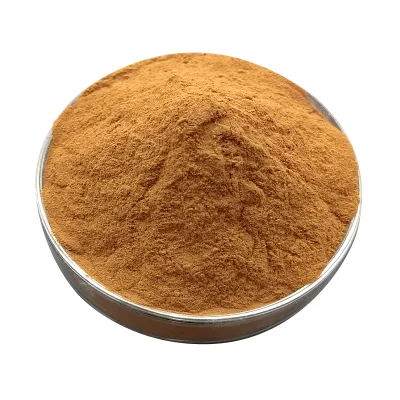




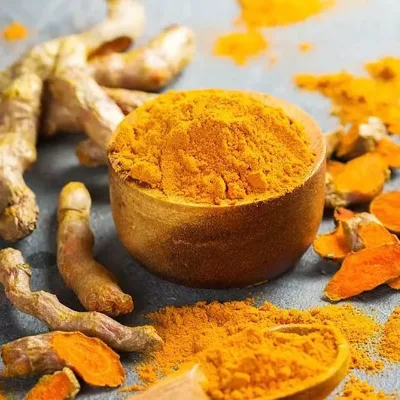
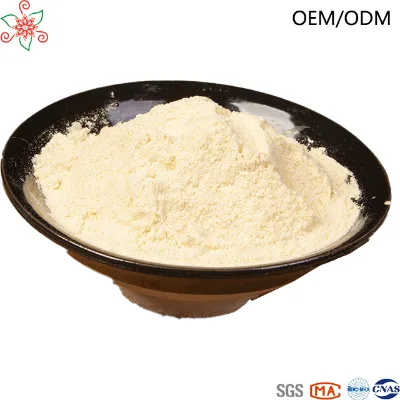
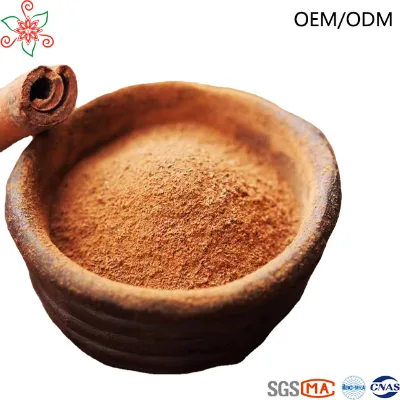
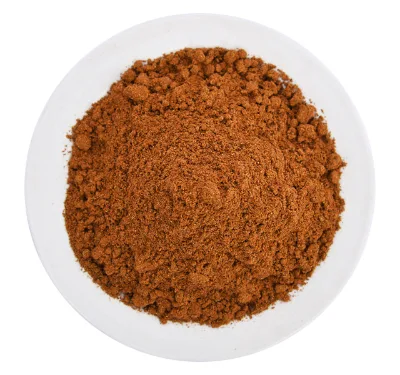
Concentrated Star Anise Extract Powder Pure Natural Fine Grinding Star Anise Powder
$4.80 - $5.90
MOQ: 100 kilograms




Comprehensive Sourcing Guide
Goldenrod Extract Powder Sourcing Guide
Procuring high-quality botanical extracts requires a disciplined approach to verifying supplier capabilities and product authenticity. Buyers must prioritize transparency in sourcing channels, ensuring that every claim regarding origin and extraction methods is backed by verifiable documentation. This guide outlines the critical steps for evaluating suppliers of Dried Golden Thread Powder, focusing on technical specifications, compliance, and commercial terms. By adhering to these evidence-based criteria, procurement teams can mitigate risks associated with inconsistent quality, regulatory non-compliance, and supply chain disruptions. The following sections provide a structured framework for making informed sourcing decisions, emphasizing the importance of due diligence in every stage of the procurement process.
Product Scope and Observed Listing Signals
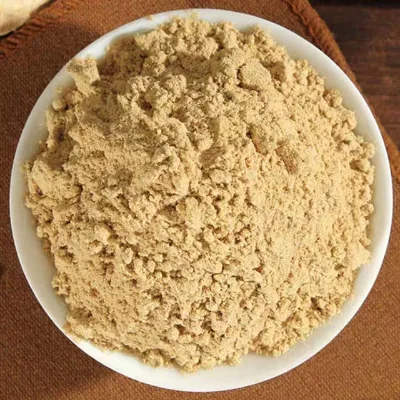
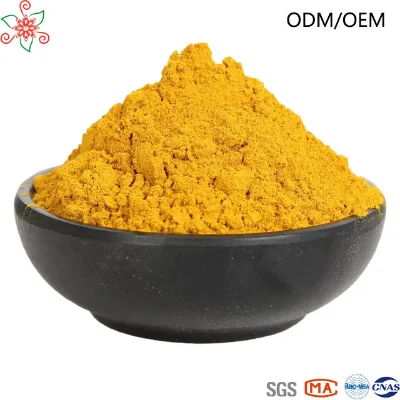
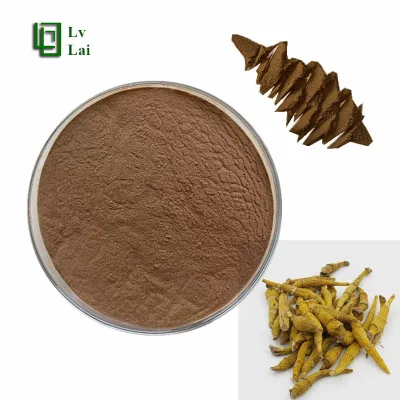
Market listings for botanical extracts often present a wide array of product variations, requiring buyers to distinguish between generic descriptions and specific product attributes. Observed data indicates that products labeled as Goldenrod Extract Powder typically appear as a brown to brown-yellow powder, derived from the whole part of the plant through solvent extraction. These products are frequently categorized under food-grade applications, with some listings specifying artificial planting as the cultivation method. Buyers should carefully review these details to ensure alignment with their specific formulation needs, noting that packaging options may vary from drums to glass containers, depending on the supplier’s standard offerings.
In addition to the primary extract, the market also features related botanical products such as fruit and vegetable juices, pumpkin extracts, and banana extracts, which may appear in the same search results. These items often share similar packaging formats, such as 5kg bags or 25kg drums, and may carry certifications like ISO, BRC, or HACCP. However, buyers must not assume that all listed products meet the same quality standards or application requirements. It is essential to verify the specific plant source, such as Solidago decurrens Lour. for goldenrod, and confirm that the product’s physical state, whether powder or juice, matches the intended use in health food or medicinal applications.
Technical Specifications to Verify
Technical verification is paramount when sourcing botanical extracts, as specifications directly impact product performance and regulatory compliance. Buyers should confirm the model number or product code, such as A506 or SNT-556, to ensure consistency in batch production. The assay method, often utilizing UV or HPLC techniques, is a critical indicator of purity and potency, allowing buyers to validate the concentration of active compounds. Additionally, the extraction ratio, such as 10:1 or 20:1, should be clearly stated to understand the concentration level of the final powder. These technical details provide a baseline for quality assessment and help in comparing offerings from different suppliers.
Packaging and storage specifications also play a vital role in maintaining product integrity during transit and storage. Standard packaging may include 25kg drums or 5kg bags per carton, with dimensions often standardized to facilitate efficient logistics. Buyers must verify the recommended storage conditions, typically a cool, dry place, to prevent degradation of the extract. Furthermore, the physical appearance, described as a light brown or fine powder, should be consistent with the supplier’s specifications. Any deviation in color, texture, or packaging integrity may indicate quality issues or improper handling, necessitating further investigation before finalizing the purchase.
Compliance and Safety Documentation
Compliance with international standards is essential for ensuring the safety and legality of imported botanical extracts. Buyers should request documentation for certifications such as ISO, BRC, HACCP, FDA, Kosher, and Halal, which demonstrate adherence to rigorous quality and safety management systems. These certifications provide assurance that the supplier follows established protocols for production, testing, and traceability. It is crucial to verify the validity of these certificates and ensure they cover the specific product being sourced, as certifications may vary in scope and applicability across different facilities or product lines.
In addition to certifications, buyers must ensure that the product meets relevant food grade standards and regulatory requirements in the destination market. This includes verifying that the extract source, such as Solidago decurrens Lour., is approved for use in food and health care products. Documentation should also include test results from independent laboratories, confirming the absence of contaminants and verifying the potency of active ingredients. Buyers should be cautious of suppliers who cannot provide comprehensive compliance documentation, as this may indicate potential risks related to product safety and regulatory non-compliance.
Cost Drivers and Commercial Terms
Understanding the factors that influence pricing is crucial for effective budgeting and negotiation. The cost of botanical extracts is driven by several variables, including the raw material source, extraction method, and purity level. Products derived from artificial planting may have different cost structures compared to wild-harvested sources, while solvent extraction processes can impact the final price due to equipment and operational costs. Buyers should also consider the packaging and logistics costs, which can vary based on the quantity ordered and the destination location.
Commercial terms, such as minimum order quantity (MOQ) and lead times, significantly affect the overall procurement strategy. Observed MOQs can range from small quantities for sampling to large volumes for bulk production, with lead times varying based on supplier capacity and inventory levels. Buyers should negotiate clear terms regarding payment methods, shipping responsibilities, and return policies to mitigate financial risks. It is advisable to request detailed quotations that break down costs by component, allowing for a transparent comparison of offers from different suppliers and facilitating more informed decision-making.
Supplier Qualification and Quality Control
Supplier qualification is a critical step in ensuring a reliable and consistent supply of botanical extracts. Buyers should conduct thorough due diligence, including on-site audits or virtual inspections, to assess the supplier’s production facilities, quality control processes, and overall operational efficiency. Verifying the supplier’s track record and reputation in the market can provide additional insights into their reliability and commitment to quality. It is also important to evaluate the supplier’s ability to customize products according to specific buyer requirements, such as unique packaging or formulation adjustments.
Quality control measures should be clearly defined and agreed upon before placing orders. This includes establishing protocols for incoming material inspection, in-process testing, and final product verification. Buyers should request samples for independent testing to validate the supplier’s claims regarding potency, purity, and safety. Regular quality audits and performance reviews can help maintain high standards and identify areas for improvement. By prioritizing supplier qualification and robust quality control, buyers can build a resilient supply chain that meets their operational and regulatory needs.
Long-Term Procurement Checks
Establishing long-term procurement relationships requires ongoing monitoring and evaluation to ensure sustained quality and service levels. Buyers should implement a system for regular performance reviews, assessing suppliers based on key metrics such as delivery reliability, product consistency, and responsiveness to issues. Continuous feedback loops can help identify potential problems early and facilitate corrective actions before they impact production. Additionally, staying informed about changes in regulatory requirements and market trends is essential for adapting procurement strategies and maintaining compliance.
Developing contingency plans for supply chain disruptions is also crucial for long-term success. This includes identifying alternative suppliers, diversifying sourcing locations, and maintaining safety stock where feasible. Buyers should regularly update their supplier database and conduct periodic re-qualification assessments to ensure that all partners meet current standards. By proactively managing supplier relationships and staying vigilant about market changes, buyers can secure a stable supply of high-quality botanical extracts, supporting their business objectives and customer satisfaction.
FAQs
What is the physical appearance of the extract?
The extract appears as a brown to brown yellow powder. This solid form is derived from the whole part of the plant through solvent extraction. The product is classified as food grade and is suitable for various health food applications. It maintains a consistent texture suitable for industrial processing and formulation needs.
Which certifications are available for this product?
Available certifications include ISO, BRC, Kosher, Halal, HACCP, and FDA. These credentials ensure compliance with international food safety and quality standards. Buyers can select products based on specific regulatory requirements for their target markets. The brand Natural Micron offers these verified options to support global trade and distribution channels.
What packaging options are provided for bulk orders?
Packaging includes drums, glass containers, and bags. Specific configurations feature 5 kg per bag with 3 bags per carton. Larger drums hold 25 kg net weight with 28 kg gross weight. Standard carton dimensions are approximately 42.5 cm by 33 cm by 26 cm. Customization is available to meet specific logistical or client requirements.
Can the product be customized for specific needs?
Yes, customization is available for this extract powder. Buyers can request specific model numbers such as A506 or SNT-556 to match their formulation needs. The product supports various applications including food, medicine, and health care products. This flexibility allows for tailored solutions in different industrial sectors and supply chain requirements.
Where is the product manufactured and shipped from?
The product originates from China, specifically Hainan. It is exported globally to various international markets. The manufacturing process follows strict quality controls to ensure consistency. Buyers can rely on established supply chains from this region for reliable delivery and consistent product quality across different orders and seasons.
How should the powder be stored to maintain quality?
Store the powder in a cool, dry place under normal conditions. This method preserves the integrity of the extract and prevents degradation. Proper storage ensures the product remains suitable for use in food and health care applications. Maintaining these environmental conditions helps extend shelf life and guarantees optimal performance in final formulations.