Source Washable Eco Friendly Drawstring Backpack for Traveling, Outdoor, Daily
Compare 30 Washable Eco Friendly Drawstring Backpack options from verified suppliers in China. These durable, lightweight bags feature customizable logos and patterns suitable for promotion, traveling, and daily use; compare the available evidence and request quotations based on your requirements.
Updated
Key considerations
Products List


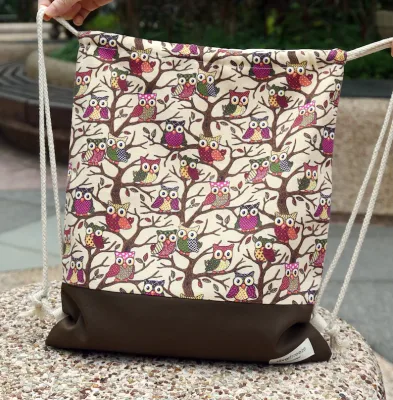

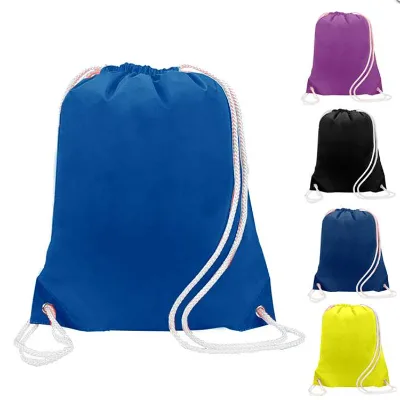
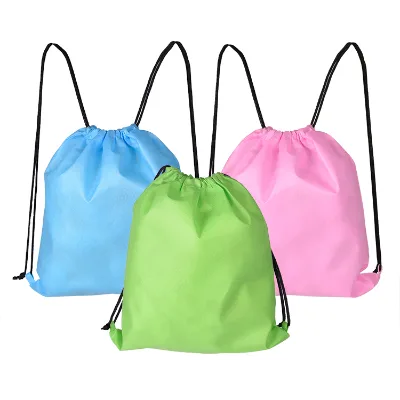
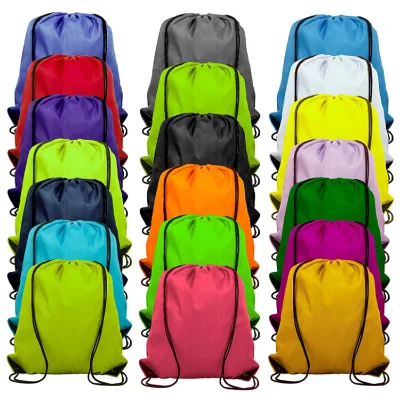

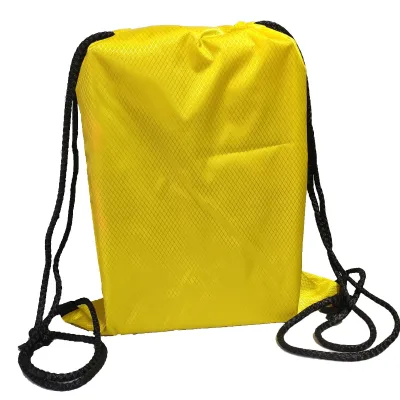

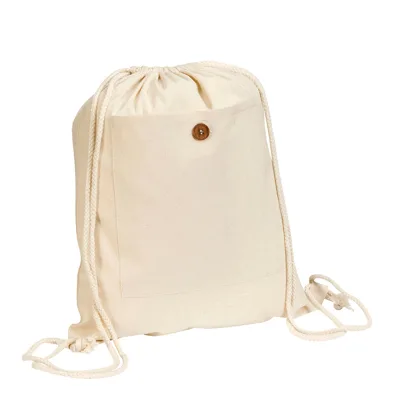
Customized Polyester Fitness Drawstring Backpack Large Capacity Drawstring Bag
$0.90 - $1.70
MOQ: 100 Pieces

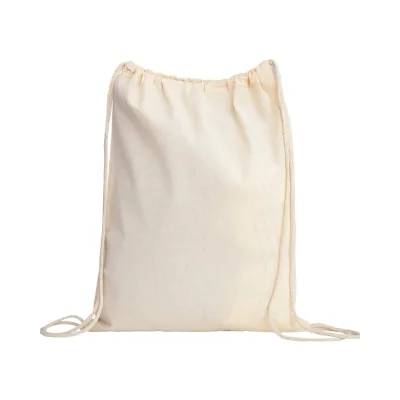


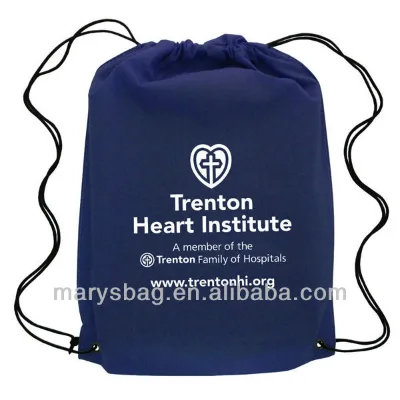
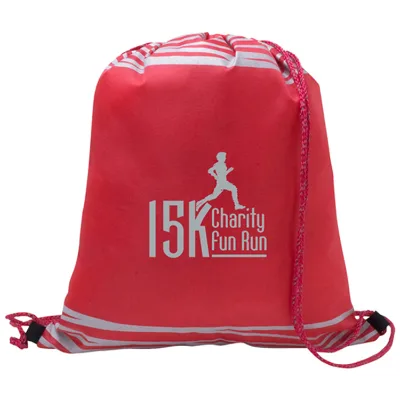
Comprehensive Sourcing Guide
Washable Eco Friendly Drawstring Backpack Sourcing Guide
Sourcing durable drawstring backpacks requires balancing material performance with sustainable manufacturing practices. Buyers must evaluate whether the product meets specific environmental claims while maintaining functional integrity for daily use. The market offers various options, but verifying the actual composition and washability is critical to avoid greenwashing. Procurement teams should focus on suppliers who provide transparent material breakdowns and clear care instructions. This ensures that the final product aligns with corporate sustainability goals and customer expectations for longevity.
The term "eco-friendly" often lacks a universal definition, so buyers must define their own criteria before engaging with suppliers. This might include recycled content percentages, biodegradable components, or low-impact dyeing processes. It is essential to request detailed material safety data sheets and environmental compliance reports from potential vendors. Without these documents, it is difficult to assess the true environmental footprint of the backpack. Establishing clear eco-standards early in the sourcing process helps filter out suppliers who cannot substantiate their claims.
Product Scope and Observed Listing Signals
The observed product listings indicate a diverse range of drawstring backpacks with varying material compositions and features. Key attributes include polyester and nylon materials, with options for customization in size, color, and logo printing. The listings highlight features such as waterproofing, durability, and lightweight construction, which are critical for promotional and daily use items. Buyers should note that while some products are labeled as waterproof, others are explicitly not, requiring careful selection based on intended use cases.
Observed price ranges and minimum order quantities suggest flexibility in procurement strategies. Prices typically fall between 0.1 and 5 USD, with MOQs ranging from 50 to 3000 units. This variability allows buyers to scale orders according to budget and demand forecasts. The availability of low MOQs and sample acceptance facilitates initial testing and quality verification. However, buyers must verify if these terms apply to customized designs, as standard items may have different commercial conditions.
Technical Specifications to Verify
Technical verification begins with material composition and construction quality. Buyers should confirm whether the backpacks are made from polyester, nylon, or blended fabrics, as this affects durability and washability. Specifications such as weight, capacity, and hardness (medium soft to soft) influence user comfort and functionality. It is crucial to verify if the product includes features like reinforced corners, inside pockets, or specific patterns, as these impact the overall utility and aesthetic appeal.
Size and customization options are also key technical considerations. Listings indicate optional and customizable sizes, which require precise measurement guidelines to ensure consistency across large orders. Buyers must verify the printing process, such as heat transfer, to assess colorfastness and logo durability after washing. Additionally, confirming the packing method, whether standard or customized, is essential for logistics planning. Ensuring these technical details are documented in the purchase order prevents discrepancies during production.
Compliance and Safety Documentation
Compliance documentation is vital for ensuring product safety and regulatory adherence. Buyers should request certifications such as CE, EU, LFGB, and CIQ, which indicate conformity with international safety and quality standards. These certifications are particularly important for products intended for promotional use or distribution in regulated markets. Verifying these documents helps mitigate legal risks and ensures that the backpacks meet necessary health and safety requirements.
In addition to certifications, buyers must assess the environmental claims made by suppliers. This includes verifying any eco-friendly assertions through third-party audits or material traceability reports. It is important to ensure that the production processes do not involve hazardous substances that could compromise user safety. Buyers should also check for any specific industry standards or guidelines that apply to the product category. Comprehensive documentation provides a solid foundation for trust and long-term supplier relationships.
Cost Drivers and Commercial Terms
Cost drivers for drawstring backpacks include material selection, customization complexity, and order volume. Polyester and nylon materials vary in price based on quality and source, while customization options like logo printing and unique patterns can increase production costs. Buyers should analyze how these factors impact the final unit price and negotiate terms that align with their budget constraints. Understanding the cost structure helps in making informed decisions about material and design choices.
Commercial terms such as MOQ, lead time, and payment conditions significantly affect procurement strategy. The observed MOQs range from 50 to 3000 units, with lead times of 30-35 days for customized orders. Buyers must balance these terms with their inventory needs and cash flow requirements. Negotiating flexible MOQs and clear delivery schedules can enhance operational efficiency. Additionally, understanding the sample acceptance policy allows for better quality control before committing to large-scale production.
Supplier Qualification and Quality Control
Supplier qualification involves assessing manufacturing capabilities, quality management systems, and past performance. Buyers should verify the supplier's location, such as Putian or Zhejiang in China, to understand logistical advantages and potential risks. It is crucial to evaluate their production capacity and ability to meet customization requests without compromising quality. Conducting factory audits or requesting references can provide insights into their operational reliability and ethical standards.
Quality control measures must be established to ensure consistent product quality. Buyers should define clear acceptance criteria for materials, stitching, and printing quality. Implementing pre-production samples and in-line inspections helps identify defects early in the manufacturing process. It is also important to verify the supplier's ability to handle returns or replacements for defective items. A robust quality control framework minimizes risks and ensures that the final products meet the buyer's specifications.
Long-Term Procurement Checks
Long-term procurement success depends on continuous supplier evaluation and relationship management. Buyers should regularly review supplier performance based on delivery times, product quality, and responsiveness to issues. Establishing key performance indicators (KPIs) helps in tracking progress and identifying areas for improvement. Regular communication and feedback loops foster a collaborative environment that supports continuous improvement and innovation.
Additionally, buyers must stay updated on market trends and regulatory changes that may impact sourcing decisions. This includes monitoring shifts in material costs, sustainability standards, and consumer preferences. Adapting procurement strategies to these changes ensures that the supply chain remains resilient and competitive. By maintaining a proactive approach to supplier management, buyers can secure a reliable source of high-quality drawstring backpacks that align with their long-term business goals.
FAQs
What materials are used for these drawstring backpacks?
The drawstring backpacks are manufactured using durable polyester and nylon materials. These fabrics ensure the bags are lightweight yet strong enough for daily use. The material choice supports the product's durability and allows for various customization options, including different colors and patterns suitable for promotional events or personal travel needs.
Can I customize the logo and pattern on the bag?
Yes, customization is available for both logos and patterns. You can choose from solid colors, lettering, geometric designs, cartoons, or animal prints. The logo printing process utilizes heat transfer technology to ensure clear and lasting results. This flexibility allows buyers to create unique promotional items or personalized accessories for specific target audiences.
What certifications do these backpacks hold?
These backpacks hold CE, EU, LFGB, and CIQ certifications. These standards ensure the products meet specific safety and quality requirements for international markets. The certifications provide assurance regarding material safety and manufacturing compliance, making them suitable for export to regions with strict regulatory standards for consumer goods and promotional items.
What is the typical lead time for production?
The typical delivery time for production is 30 to 35 days. This timeframe allows for proper manufacturing, quality control, and packaging processes. Buyers should plan their procurement schedules accordingly to ensure timely receipt of goods. The lead time may vary slightly based on order volume and specific customization requirements requested by the client.
Are these backpacks waterproof or water-resistant?
Waterproof features vary by specific model. Some versions are explicitly described as waterproof, while others are noted as not waterproof. Buyers should check the specific product model details to determine the level of water resistance. This variation allows for selection based on whether the bag is intended for dry daily use or outdoor activities with potential moisture exposure.
What is the minimum order quantity for these bags?
The minimum order quantity ranges from 50 to 3000 pieces depending on the supplier and model. Low MOQ options are available for smaller orders, making it accessible for various business sizes. This flexibility supports both small-scale promotional campaigns and large-scale retail distributions. Buyers can select suppliers that align with their specific volume requirements and budget constraints.