Source Taiwan Lipstick Case for Cosmetic, Travel, Outdoor
Compare 30 Taiwan Lipstick Case options from verified suppliers. Buyers can evaluate customization, materials like PU and plastic, packaging standards, and features such as water resistance for cosmetic, travel, and outdoor makeup applications. Detailed specs include model numbers, sealing types, and printing options for diverse needs.
Updated
Key considerations
Products List


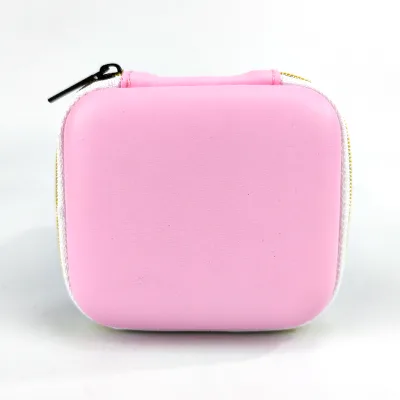
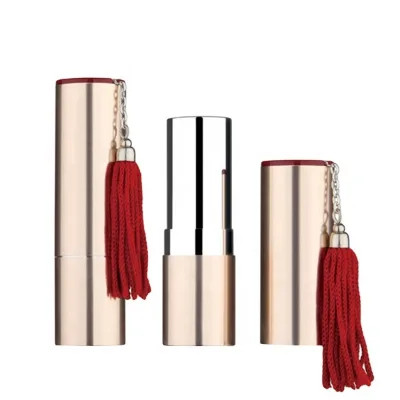
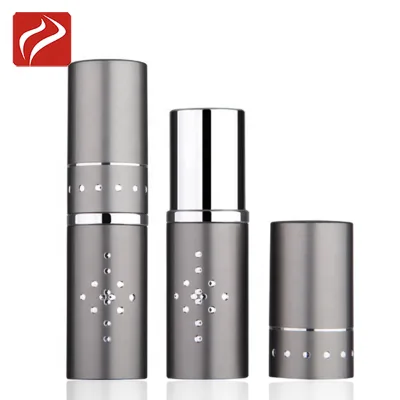
Personalized Custom Color Empty Rotary Lipstick Container Lipstick case
$0.30 - $0.60
MOQ: 10000 Minimum


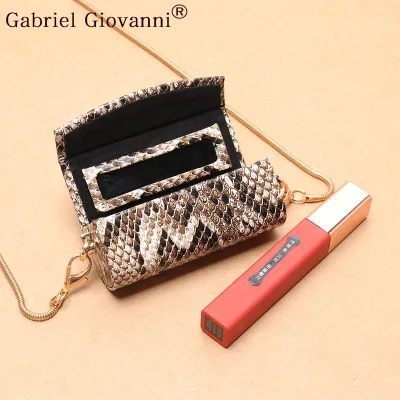


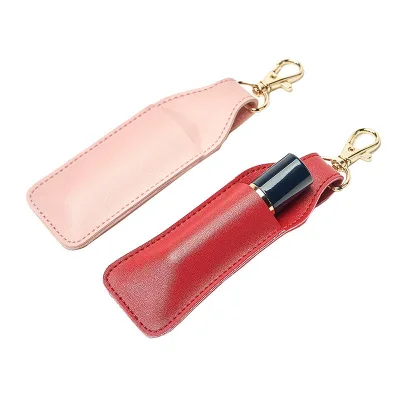
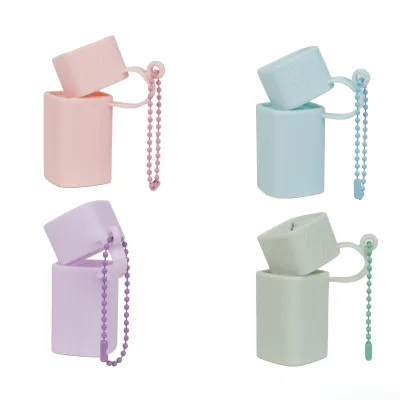
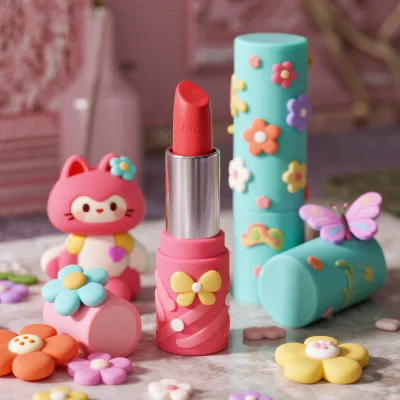
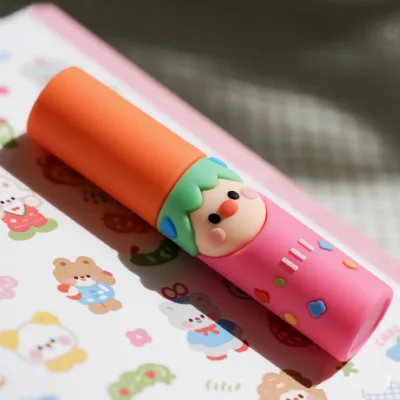
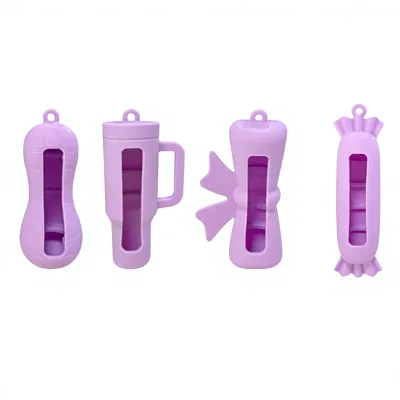
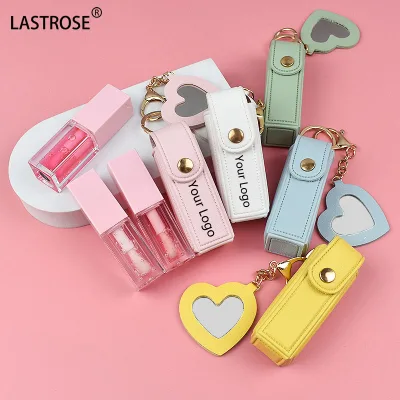
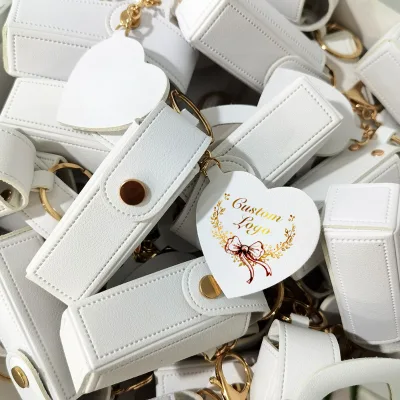
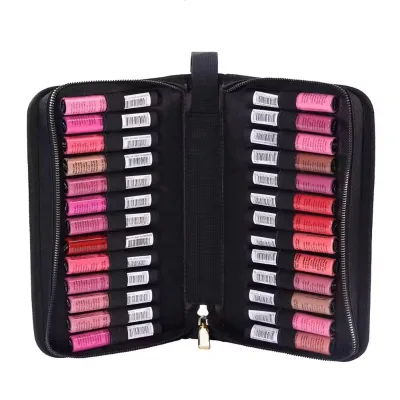
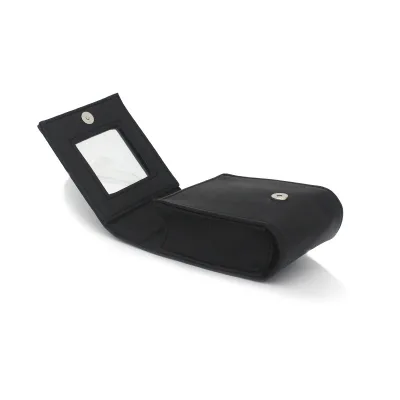

Makeup Container Lipstick Container Beauty Paper Lipstick Empty Case and Tube
$0.315 - $0.342
MOQ: 5000 Pieces
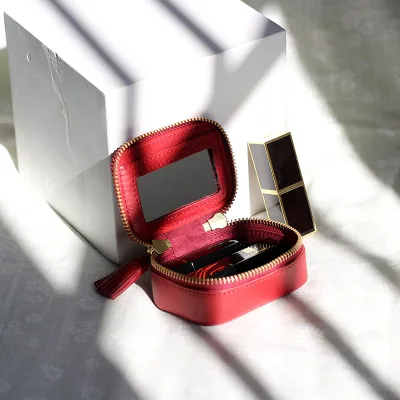
Comprehensive Sourcing Guide
Taiwan Lipstick Case Sourcing Guide
Sourcing lipstick cases from Taiwan requires a nuanced understanding of regional manufacturing strengths, particularly in high-precision plastic injection molding and premium material finishing. While the supplied data highlights suppliers primarily located in Ningbo and Guangdong, China, buyers often look to Taiwan for advanced design capabilities and stricter quality control protocols in cosmetic packaging. The core keyword suggests a focus on aesthetic durability and functional reliability, which are critical for brands aiming to maintain product integrity during transit and daily use. Understanding the distinction between mainland Chinese manufacturing scale and Taiwanese design innovation is essential for aligning procurement strategies with brand positioning.
Buyers must navigate a diverse landscape of case types, ranging from standard plastic tubes to specialized PU leather travel cases. The observed market signals indicate a strong emphasis on customization, with options for mixed colors, custom patterns, and specific closure mechanisms like zippers. This flexibility allows brands to tailor packaging to specific marketing campaigns or seasonal launches. However, the geographic dispersion of suppliers means that logistics and communication protocols vary significantly. Establishing clear channels for design iteration and sample approval is crucial to ensuring that the final product matches the intended aesthetic and functional requirements, regardless of the supplier's physical location.
Product Scope and Observed Listing Signals
The current market landscape for lipstick cases reveals a wide spectrum of product attributes, with observed prices ranging from $0.01 to $20.25 USD. This broad range reflects the disparity between basic plastic components and premium, multi-material designs. Minimum Order Quantities (MOQs) are similarly varied, spanning from 300 to 24,000 units, indicating that suppliers cater to both small-batch boutique brands and large-scale commercial manufacturers. Buyers should interpret these signals as indicators of production flexibility, where higher MOQs often correlate with lower unit costs and more stable pricing structures.
Specific product models such as WL-LP013 and WL-LP003 demonstrate the availability of cream-type lipsticks and standard lipstick formats, while other listings highlight specialized cases like the NS-914, which features a soft handle and zipper closure. These items are designed for applications including cosmetics, travel, outdoor activities, and makeup storage. The presence of features like water resistance and portability suggests that modern lipstick cases are evolving beyond simple containment to become lifestyle accessories. Buyers should carefully match these observed features with their target consumer's usage patterns to ensure product-market fit.
Technical Specifications to Verify
Technical verification begins with material composition, as observed listings specify materials such as plastic, PU, and PP for caps. Buyers must confirm the exact grade of plastic used, particularly for components that come into direct contact with cosmetic formulations. The presence of a rubber stopper in some designs indicates a need for secure sealing to prevent leakage and oxidation. Additionally, specifications like the 18*70.5mm size for certain cases highlight the importance of dimensional accuracy in ensuring that lipstick bullets fit correctly within the casing. Misalignment can lead to mechanical failure and customer dissatisfaction.
Closure mechanisms and surface finishes are equally critical technical aspects. Listings mention screen printing, hot stamping, and 0-10 color printing options, which require precise calibration to avoid defects. The shape of the case, whether square or round, impacts both the manufacturing process and the user experience. Buyers should request detailed technical drawings that specify tolerances for moving parts, such as the twist-up mechanism in lipstick tubes. Verifying these specifications early in the sourcing process helps prevent costly rework and ensures that the final product meets functional standards.
Compliance and Safety Documentation
Compliance with international safety standards is non-negotiable for cosmetic packaging. The supplied data references SGS standards, which suggests that some suppliers adhere to recognized quality and safety protocols. Buyers must verify that all materials used in the lipstick cases are compliant with relevant regulations, such as those governing food contact or cosmetic ingredients, depending on the region of sale. This includes ensuring that inks and adhesives used in printing do not contain harmful substances that could migrate into the product.
Documentation should also cover environmental claims, as some listings mention 100% recyclable features. Buyers need to validate these claims through third-party certifications to avoid greenwashing accusations. While ISO 9001 and ISO 14001 are mentioned in background contexts, their specific application to lipstick case manufacturing should be confirmed with the supplier. Requesting material safety data sheets (MSDS) and compliance certificates for each batch is a prudent step to mitigate regulatory risks and ensure that the packaging meets all legal requirements in the destination market.
Cost Drivers and Commercial Terms
Cost structures for lipstick cases are influenced by material choices, customization complexity, and order volume. The observed price range of $0.01 to $20.25 USD indicates that simple plastic cases are significantly cheaper than those with premium finishes or additional features like zippers. Buyers should analyze the cost breakdown to understand how much of the price is attributed to raw materials versus labor and tooling. Negotiating MOQs is also a key lever, as suppliers often offer more favorable terms for larger orders, with some listing negotiable MOQs starting at 5000 pieces.
Commercial terms such as EXW and FOB are commonly cited, which impacts the total landed cost. Buyers must account for shipping, insurance, and import duties when calculating the final expense. The availability of free samples is a valuable benefit that allows for quality assessment before committing to large orders. However, buyers should clarify whether sample costs are credited against future bulk orders. Understanding these commercial dynamics helps in budgeting accurately and negotiating favorable payment terms that align with cash flow requirements.
Supplier Qualification and Quality Control
Supplier qualification involves assessing manufacturing capabilities and quality control processes. The observed data indicates origins in Ningbo and Guangdong, China, regions known for robust manufacturing ecosystems. Buyers should verify the supplier's production capacity and lead times to ensure they can meet delivery deadlines. Customization availability is a key differentiator, with options for custom patterns and logos. It is essential to confirm that the supplier has the necessary equipment for screen printing, hot stamping, and other decorative techniques.
Quality control measures should include pre-production sample approvals and in-line inspections. Buyers should request evidence of consistent quality, such as defect rates or customer return data. The mention of safe export packing and cartons suggests that suppliers are aware of the need for product protection during transit. Establishing a clear quality agreement that defines acceptable defect levels and remediation procedures is crucial. Regular audits or third-party inspections can provide additional assurance that the supplier maintains high standards throughout the production process.
Long-Term Procurement Checks
Long-term procurement success depends on building sustainable relationships with suppliers. Buyers should monitor supplier performance over time, tracking metrics such as on-time delivery, product quality, and responsiveness to issues. The ability to scale production up or down based on market demand is a valuable attribute. Suppliers who offer flexible customization options can help brands stay competitive by introducing new designs and features quickly. Maintaining open communication channels facilitates continuous improvement and innovation.
Additionally, buyers should stay informed about changes in regulations and market trends that may affect packaging requirements. Regularly reviewing supplier certifications and compliance documentation ensures ongoing adherence to legal standards. Evaluating the supplier's commitment to sustainability, such as the use of recyclable materials, can also align with corporate social responsibility goals. By conducting periodic reviews and fostering collaborative partnerships, buyers can secure a reliable supply chain that supports long-term business growth and brand integrity.
FAQs
What customization options are available for lipstick cases?
Customization is available for lipstick cases, allowing buyers to tailor products to specific brand needs. Options include custom patterns, logos via screen printing or hot stamping, and mixed color selections. These features enable unique branding while maintaining the structural integrity of the case for professional cosmetic packaging solutions.
Can I get free samples for lipstick case orders?
Free samples are available for lipstick cases to help buyers evaluate quality before committing to bulk purchases. This allows for thorough testing of materials like PU or plastic, ensuring the product meets your standards for durability and aesthetics. Samples facilitate informed decision-making for custom cosmetic packaging requirements.
What is the typical MOQ for lipstick case manufacturing?
The typical MOQ for lipstick cases ranges from 300 to 24,000 units, depending on the specific model and customization level. Some items have a fixed MOQ of 5,000 pieces, while others remain negotiable. Buyers should verify the exact quantity requirements for their chosen model to ensure alignment with production capabilities.
Which certifications apply to these lipstick case products?
Products are certified under SGS standards, ensuring compliance with safety and quality regulations. Some listings reference ISO 9001 and ISO 14001, though these are background standards. Buyers should confirm specific certification requirements with suppliers to ensure the packaging meets international regulatory standards for cosmetic containers and personal care products.
Where are these lipstick cases manufactured and shipped from?
These lipstick cases are manufactured in China, with origins in Ningbo and Guangdong. Products are packed in safe export packaging or cartons for secure shipping. Buyers can expect reliable logistics from these key manufacturing hubs, ensuring timely delivery and protection of goods during international transit for global cosmetic supply chains.
What materials are used for lipstick case construction?
Lipstick cases are constructed from various materials including PU, plastic, and PP caps. Some designs feature rubber stoppers or seals for durability. The choice of material affects the case's weight, texture, and environmental impact, with options ranging from standard plastic to more sustainable or recyclable variants for eco-conscious branding.