Source Pure Italian Linen Shirt for Daily Wear, Summer Events, and Business Casual
Compare 30 listings for Pure Italian Linen Shirt options featuring cotton blends, various sizes, and customization services. Buyers can evaluate styles ranging from casual to formal with features like breathable fabric and embroidery; compare the available evidence and request quotations based on your requirements.
Updated
Key considerations
Products List
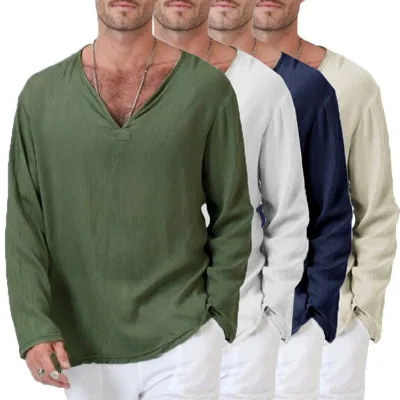

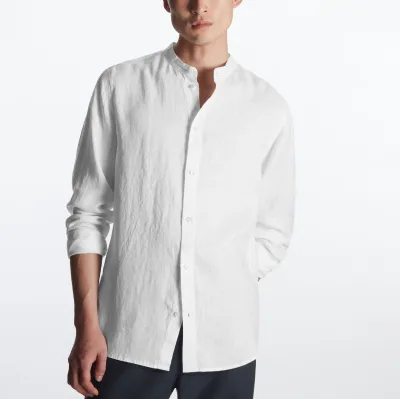
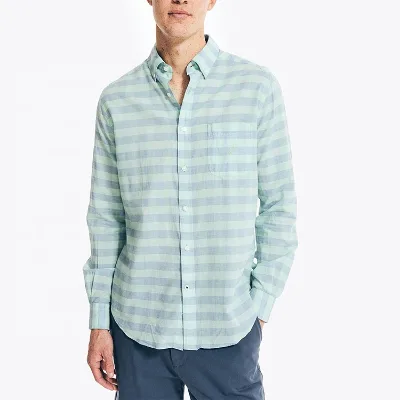
High Quality Casual Embroidery Cotton Linen Long Sleeve Plaid Shirt for Men
$6.57 - $10.75
MOQ: 50 pieces
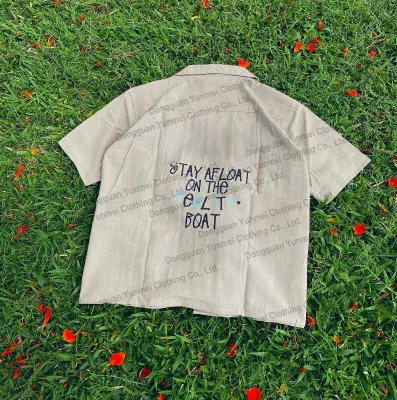


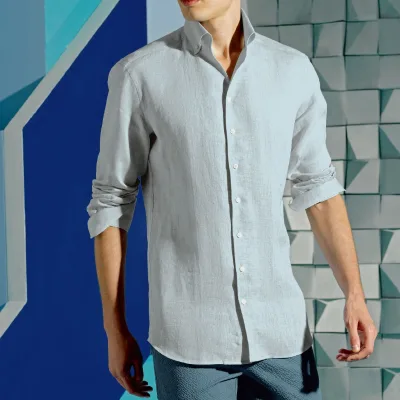
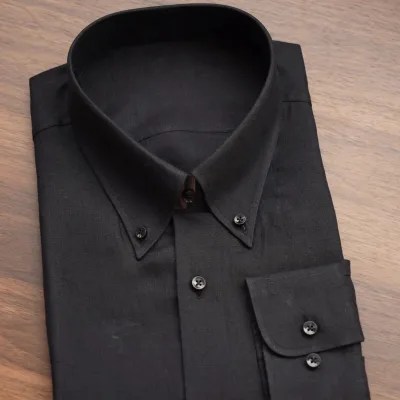
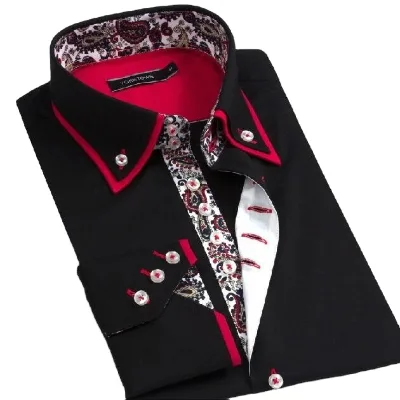
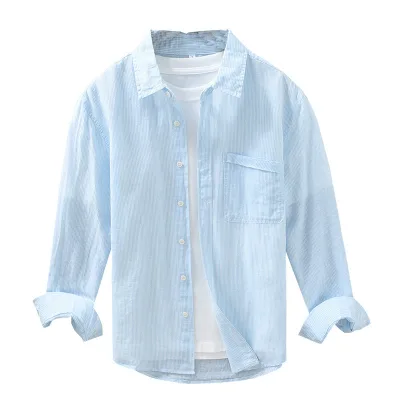
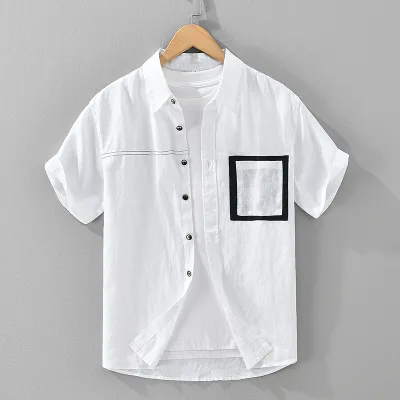


Men's Cotton Linen Shirt European Size Short Sleeved Casual Collar Shirt
$18.00 - $26.00
MOQ: 100 piece

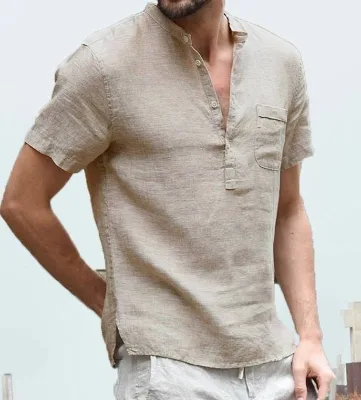


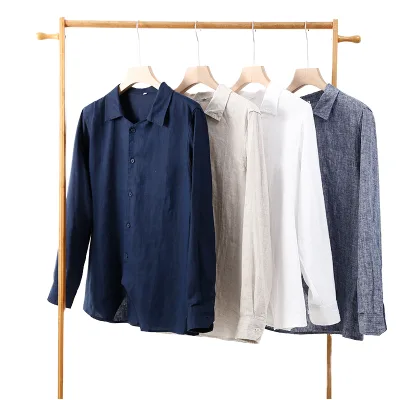

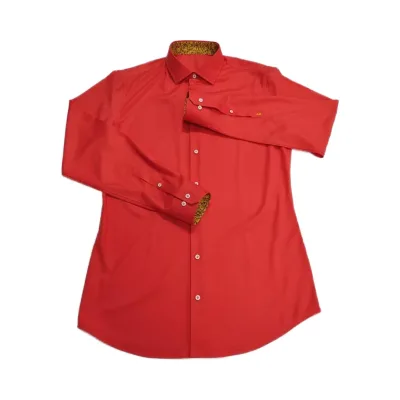
Comprehensive Sourcing Guide
Pure Italian Linen Shirt Sourcing Guide
Sourcing pure Italian linen shirts requires a disciplined approach to material verification and supplier qualification, as the term "Italian linen" often denotes fiber origin rather than manufacturing location. Buyers must distinguish between garments woven in Italy using imported flax and those woven elsewhere using Italian-certified yarn. The procurement strategy should prioritize transparency in the supply chain, ensuring that the final product meets the aesthetic and tactile expectations associated with high-end European textiles. This involves rigorous due diligence on the supplier’s ability to provide traceable documentation for raw material sourcing.
The market for these shirts is characterized by a blend of casual and formal styles, with a strong emphasis on breathability and natural fiber properties. Procurement teams should focus on suppliers who demonstrate expertise in handling delicate linen fabrics, which require specific weaving and finishing techniques to prevent excessive wrinkling and pilling. Understanding the nuances of linen weight, weave density, and finishing treatments is essential for selecting products that offer durability without compromising the signature soft hand feel. This knowledge base helps in evaluating samples and establishing clear quality benchmarks before committing to large-scale orders.
Product Scope and Observed Listing Signals
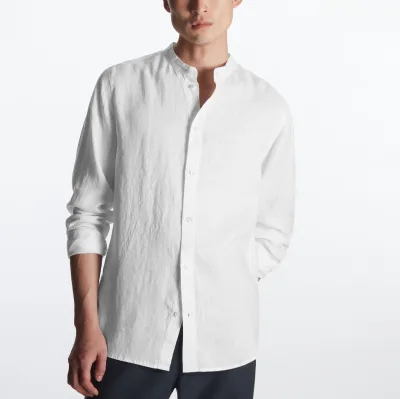
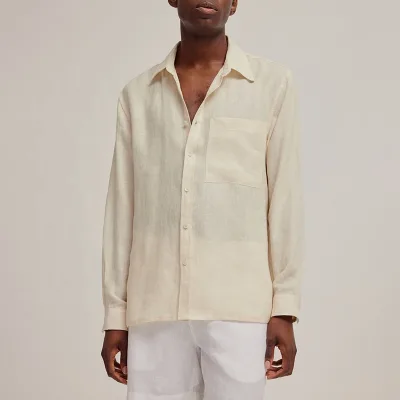
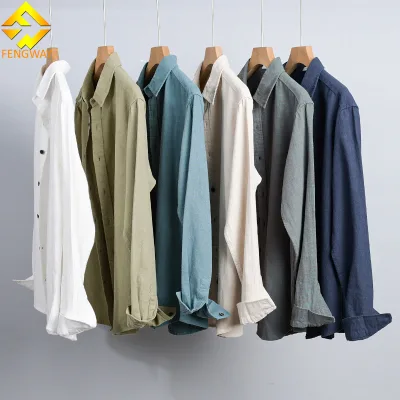
The observed product landscape reveals a diverse range of attributes that buyers must navigate carefully when seeking pure linen options. Listings indicate a variety of colors including white, khaki, black, and dark blue, alongside patterns such as plaid and solid designs. Sizes range from XXS to 3XL, catering to both youth and adult demographics. However, it is critical to note that many listings also describe materials like cotton, linen/cotton blends, or even synthetic alternatives, which do not meet the strict definition of pure Italian linen. Buyers must scrutinize material specifications closely to avoid misclassification.
Further analysis of listing signals shows variations in style, with options ranging from casual short-sleeve shirts to formal long-sleeve button-downs. Some products feature technical attributes like embroidered details or discharge printing, while others emphasize functional aspects such as anti-pilling and breathability. The presence of OEM services and customization options suggests a flexible manufacturing environment, but this also increases the risk of inconsistent quality if not properly managed. Procurement teams should use these signals as initial filters, verifying that the core material claim aligns with the actual product composition before proceeding to sample evaluation.
Technical Specifications to Verify
Verifying technical specifications is paramount to ensuring the shirt meets the expected quality standards for pure Italian linen. Buyers should request detailed fabric composition certificates that confirm 100% flax content, as blended materials often dilute the premium nature of the garment. Key technical parameters to verify include the fabric weight in grams per square meter, which influences drape and opacity, and the weave type, such as plain or twill, which affects texture and durability. Additionally, checking the yarn count and twist level can provide insights into the fabric’s strength and resistance to pilling.
Construction details must also be rigorously inspected, including seam strength, stitch density, and the quality of finishing treatments. Buyers should verify whether the fabric has undergone pre-washing or enzyme washing to reduce shrinkage and improve softness, as untreated linen can be stiff and prone to significant shrinkage. The presence of features like button-down collars or specific closure types should be cross-referenced with design specifications to ensure consistency. Furthermore, assessing the needle detection results is crucial for safety compliance, ensuring no metal fragments remain in the finished garment.
Compliance and Safety Documentation
Compliance and safety documentation form the backbone of a responsible procurement process, particularly when dealing with textiles that come into direct contact with skin. Buyers must ensure that suppliers provide relevant safety test reports, including needle detection results, to confirm the absence of hazardous metal fragments. While specific chemical standards were not explicitly detailed in the observed listings, buyers should verify adherence to international regulations such as REACH or OEKO-TEX standards, which limit the presence of harmful substances like formaldehyde and heavy metals.
Additionally, labor compliance and ethical sourcing certifications are increasingly important for maintaining brand reputation and meeting regulatory requirements in global markets. Buyers should request evidence of social audits, such as SMETA or BSCI, to ensure fair labor practices and safe working conditions in the manufacturing facilities. Documentation regarding the origin of the flax fiber, particularly if claimed to be Italian, should also be verified to prevent greenwashing. Establishing a clear chain of custody from raw material to finished product helps mitigate risks associated with non-compliance and ensures transparency throughout the supply chain.
Cost Drivers and Commercial Terms
Understanding the cost drivers associated with pure Italian linen shirts is essential for accurate budgeting and negotiation. The primary cost factors include the price of raw flax fiber, which fluctuates based on harvest yields and global demand, as well as the complexity of the weaving and finishing processes. Labor costs in the manufacturing region, such as Guangdong or Hebei, also significantly impact the final price. Buyers should be aware that higher thread counts, specialized finishes, and intricate embroidery will increase production costs, necessitating a clear understanding of the value proposition for each feature.
Commercial terms, including minimum order quantities (MOQ) and lead times, vary widely across suppliers. Observed MOQs range from 1 to 200 units, offering flexibility for small businesses but potentially higher per-unit costs. Lead times for samples are often supported within seven days, but bulk production lead times can extend significantly depending on order volume and customization requirements. Buyers should negotiate clear payment terms and delivery schedules, ensuring that penalties for delays are defined. Understanding these commercial dynamics helps in planning inventory levels and managing cash flow effectively.
Supplier Qualification and Quality Control
Supplier qualification is a critical step in mitigating risks and ensuring consistent product quality. Buyers should conduct thorough due diligence on potential suppliers, assessing their manufacturing capabilities, quality control systems, and past performance. This includes verifying their experience with linen fabrics, as handling this material requires specialized knowledge to avoid defects such as uneven dyeing or weak seams. Requesting references from previous clients and reviewing their product portfolios can provide valuable insights into their reliability and consistency.
Quality control measures should be established early in the procurement process, including pre-production sample approvals and in-line inspections during manufacturing. Buyers should define clear acceptance criteria for defects, such as stitching errors, fabric flaws, or color mismatches, and communicate these standards to the supplier. Implementing a third-party inspection service for final random inspections can provide an additional layer of assurance before shipment. Regular communication and feedback loops with the supplier help in addressing issues promptly and fostering a collaborative relationship focused on continuous improvement.
Long-Term Procurement Checks
Long-term procurement checks involve ongoing monitoring and evaluation of supplier performance to ensure sustained quality and reliability. Buyers should establish key performance indicators (KPIs) such as on-time delivery rates, defect rates, and responsiveness to issues, reviewing these metrics regularly. Continuous feedback from end-users or internal teams can highlight emerging quality trends or customer preferences that need to be addressed. This proactive approach helps in identifying potential issues before they escalate into major problems.
Additionally, buyers should stay informed about market trends and regulatory changes that may impact the linen shirt industry, such as new sustainability standards or shifts in raw material availability. Building a diversified supplier base can mitigate risks associated with single-source dependencies, ensuring business continuity in case of disruptions. Regular audits and relationship-building activities with key suppliers foster trust and collaboration, leading to better pricing, priority treatment, and innovative solutions. By maintaining a strategic focus on long-term partnerships, buyers can secure a competitive advantage in the market.
FAQs
What materials are used for these shirts?
The shirts are crafted from cotton or a linen and cotton blend. This fabric choice ensures breathability and comfort for daily wear. The material is suitable for summer occasions and provides a soft texture. Buyers can expect durable construction with options for different weights depending on the specific model selected for their needs.
Which sizes are available for these garments?
Available sizes range from XXS to 3XL, including M, L, and XL. This extensive sizing covers youth and adult demographics. The fit is designed for casual and daily occasions. Buyers should check specific model specifications as size charts may vary slightly between different product types and styles offered by the suppliers.
Can I request custom designs for these shirts?
Yes, customization is available for these products. Suppliers offer OEM services to meet specific buyer requirements. This includes custom patterns, colors, and potentially branding. Buyers interested in tailored solutions should contact manufacturers directly to discuss specific customization options and minimum order quantities for personalized production runs.
What is the typical lead time for orders?
Sample orders typically have a lead time of 7 days. Bulk production times may vary based on order volume and customization complexity. Buyers should confirm specific lead times with suppliers before placing large orders. Efficient sample turnaround allows for quick quality verification before committing to full-scale manufacturing and distribution plans.
Where are these shirts manufactured?
Products originate from regions including Hebei and Guangdong in China. These locations are known for textile manufacturing capabilities. Buyers can source from various suppliers within these areas. The global sales region indicates wide availability, allowing international buyers to access these products through established supply chains and export channels.
What features do these shirts offer?
Features include anti-pilling, anti-wrinkle, and breathable properties. The shirts are designed for casual and formal styles. Some models include embroidered details or specific collar types. These functional attributes enhance durability and comfort, making them suitable for various daily occasions and ensuring a professional appearance for the wearer.