Source anti-pilling breathable hooded sweatshirts for Winter, Summer, Spring
Find 30 anti-pilling breathable hooded sweatshirts from Guangdong suppliers. Compare features like 3D embroidery, cotton material, and custom printing options for men and women in various seasons. Explore multiple styles including hip hop designs with regular lengths and full sleeves. Check customization availability for silk screen, digital, and heat-transfer printing methods on these versatile garments.
Updated
Key considerations
Products List
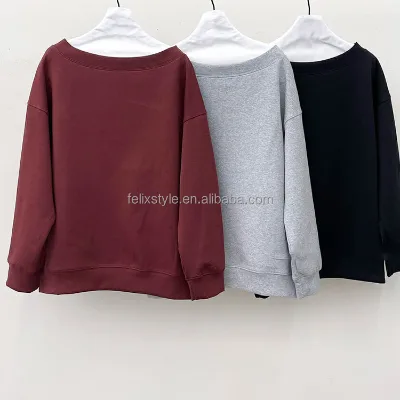
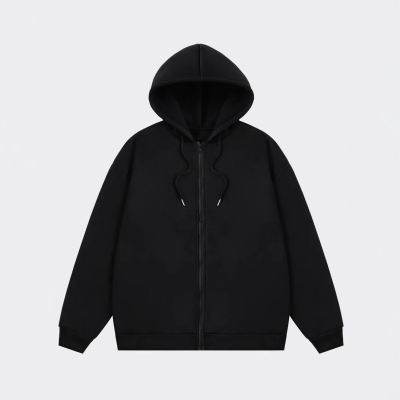


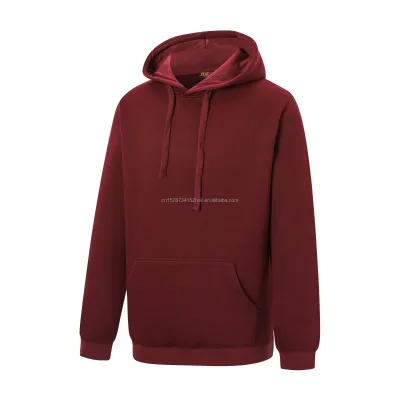
Men's Hoodies Pullover Soft Hooded Sweatshirts Long Sleeve Casual Hoodies with Zipper Pocket
$11.00 - $12.00
MOQ: 1000 Pieces







Comprehensive Sourcing Guide
Anti-Pilling Breathable Hooded Sweatshirts Sourcing Guide
Sourcing anti-pilling breathable hooded sweatshirts requires a disciplined approach to material selection and manufacturing verification, particularly when targeting the Chinese supply chain. Buyers must recognize that while "anti-pilling" and "breathable" are common marketing claims, the underlying fabric construction dictates actual performance. The observed market data indicates a strong presence of cotton-based garments, with specific listings highlighting 100% cotton materials and knitted fabric types. These natural fibers offer inherent breathability but require specific finishing processes to achieve the desired anti-pilling characteristics. Procurement teams should prioritize suppliers who can demonstrate consistent fabric weight and weave density, as these physical attributes are primary determinants of durability and comfort in winter and summer seasonal applications.
Commercial viability in this segment is heavily influenced by customization capabilities and minimum order quantities. The current landscape shows a wide range of MOQs, from single units to thousands, allowing for both prototyping and large-scale production runs. Suppliers frequently offer OEM services with extensive logo and graphic design options, including silk screen, digital, and puff printing. This flexibility supports brand differentiation but introduces complexity in quality control. Buyers must evaluate how these decorative techniques interact with the base fabric, especially when seeking features like windproof or waterproof treatments. Understanding the interplay between material composition, decorative methods, and functional finishes is essential for negotiating favorable terms and ensuring the final product meets specific performance expectations.
Product Scope and Observed Listing Signals
The current market for hooded sweatshirts exhibits a diverse range of styles, colors, and technical specifications that cater to varied consumer preferences. Observed listings feature products in black and white, with sizes ranging from small to 2XL, indicating a broad demographic appeal. The gender segmentation includes options for men, women, and adults, suggesting a versatile product category suitable for unisex or targeted marketing campaigns. Seasonal applicability spans winter, summer, spring, and autumn, highlighting the adaptability of the fabric weight and construction. Buyers should note that while some products are described as having a regular length, others may vary, necessitating careful review of individual product dimensions to ensure alignment with brand sizing standards and customer expectations.
Technical attributes observed in the market include specific design elements such as o-neck collars, full sleeves, and fixed hood types. Fabric weights are noted at 300 grams, which typically provides substantial warmth and durability, suitable for cooler climates. The presence of features like windproof and breathable properties suggests advanced fabric treatments or blends, although the primary material listed is often cotton. Decoration options are extensive, ranging from embroidery and beading to zippers and pockets, allowing for high levels of customization. These signals indicate a mature supply chain capable of producing complex garments. Procurement teams should leverage these observed attributes to create detailed specification sheets that clearly define required features, ensuring that suppliers understand the exact performance and aesthetic criteria for the order.
Technical Specifications to Verify
Verifying technical specifications is critical to ensuring that the purchased sweatshirts meet functional requirements, particularly regarding fabric integrity and construction quality. Buyers must confirm the exact material composition, as listings may vary between 100% cotton and other blends. The knitted fabric type and 300-gram weight are key indicators of durability and warmth, but these must be validated through physical sampling. It is essential to verify the anti-pilling treatment, which may involve specific washing processes, garment dyeing, or chemical finishes. Suppliers should provide detailed information on the yarn dyed, tie dyed, or plain dyed methods used, as these affect colorfastness and texture. Additionally, the sleeve length and style, whether regular or long sleeve, must be precisely defined to avoid discrepancies in fit and appearance.
Construction details such as collar type, hood attachment, and pocket placement significantly impact the garment's functionality and aesthetic. Fixed hood types and side pockets are common features that enhance utility, but their integration must be robust to withstand repeated use. Buyers should inspect the stitching quality, particularly around high-stress areas like the shoulders and cuffs, to ensure longevity. The presence of decorative elements like embroidery, sequins, or zippers adds value but requires careful quality control to prevent detachment or damage during washing. Furthermore, the printing methods, including digital, heat-transfer, or puff printing, must be evaluated for adhesion and durability. Confirming these technical specifications through rigorous sampling and inspection protocols is vital to mitigating the risk of receiving substandard products that fail to meet brand standards.
Compliance and Safety Documentation
Compliance and safety documentation are non-negotiable aspects of sourcing apparel, ensuring that products meet international regulatory standards and ethical manufacturing practices. Buyers must request comprehensive test reports that verify the safety of dyes, finishes, and decorative materials used in the sweatshirts. These reports should confirm the absence of harmful substances such as azo dyes, formaldehyde, and heavy metals, which are strictly regulated in many markets. Additionally, compliance with flammability standards is crucial, particularly for garments intended for children or specific climate conditions. Suppliers should provide certificates of conformity that attest to the product's adherence to relevant safety guidelines, providing assurance that the items are safe for consumer use and reducing the risk of legal liabilities or product recalls.
Ethical sourcing and labor practices are equally important considerations for modern procurement strategies. Buyers should verify that suppliers adhere to recognized social compliance standards, such as those related to fair wages, working hours, and safe working conditions. Documentation may include audit reports from third-party organizations that assess the supplier's factory environment and labor practices. This transparency not only mitigates reputational risk but also aligns with corporate social responsibility goals. Furthermore, environmental compliance should be evaluated, with suppliers providing information on their waste management, water usage, and chemical handling procedures. By prioritizing suppliers with robust compliance documentation, buyers can ensure that their supply chain is resilient, ethical, and aligned with global regulatory expectations, thereby protecting brand integrity and consumer trust.
Cost Drivers and Commercial Terms
Understanding the cost drivers in the hooded sweatshirt market is essential for effective budgeting and negotiation. Material costs, particularly for high-quality cotton and specialized finishes, constitute a significant portion of the total price. The observed price range of 1.2 to 50 USD reflects variations in fabric quality, design complexity, and order volume. Buyers should analyze how factors such as fabric weight, decorative techniques, and customization options impact the unit cost. For instance, intricate embroidery or multi-color printing may increase production time and material waste, leading to higher prices. Additionally, the choice of packaging, such as the standard 20 pieces per carton, can influence logistics costs and overall expenditure.
Commercial terms, including minimum order quantities and lead times, play a crucial role in supply chain planning. The wide MOQ range, from 1 to 1000 units, offers flexibility but may affect pricing tiers. Larger orders typically benefit from economies of scale, resulting in lower unit costs. Lead times, such as the 7-day sample order support, indicate supplier responsiveness and production capacity. Buyers should negotiate clear terms regarding payment schedules, shipping responsibilities, and return policies to mitigate financial risks. Understanding these commercial dynamics allows procurement teams to optimize costs while maintaining quality and delivery standards. By aligning order volumes with supplier capabilities and market conditions, buyers can achieve favorable pricing and ensure a smooth procurement process.
Supplier Qualification and Quality Control
Supplier qualification is a foundational step in securing reliable sources for anti-pilling breathable hooded sweatshirts. Buyers should conduct thorough due diligence to assess the supplier's manufacturing capabilities, quality management systems, and financial stability. This involves verifying the supplier's business licenses, production facilities, and past performance records. Suppliers with a proven track record in OEM services and extensive customization options are often more reliable. Additionally, evaluating their response to technical queries and their ability to provide detailed product specifications can indicate their professionalism and commitment to quality. Engaging with suppliers who demonstrate transparency and expertise helps build a strong partnership foundation.
Quality control measures must be implemented throughout the production process to ensure consistency and compliance with specifications. Buyers should establish clear quality standards and inspection protocols, including pre-production, during-production, and pre-shipment inspections. These inspections should focus on critical areas such as fabric quality, stitching integrity, and decorative element durability. Suppliers should be required to provide detailed inspection reports and allow for third-party audits if necessary. Implementing a robust quality control system helps identify and rectify issues early, reducing the risk of defective products reaching the market. By prioritizing supplier qualification and rigorous quality control, buyers can ensure that their procurement efforts yield high-quality products that meet brand standards and customer expectations.
Long-Term Procurement Checks
Long-term procurement checks are essential for maintaining supply chain resilience and adapting to evolving market demands. Buyers should regularly review supplier performance metrics, including on-time delivery rates, product quality consistency, and responsiveness to issues. Establishing key performance indicators (KPIs) allows for objective assessment and continuous improvement. Regular communication with suppliers fosters collaboration and enables proactive problem-solving. Additionally, staying informed about industry trends, such as new fabric technologies or sustainability practices, helps buyers make informed decisions and stay competitive. By maintaining a dynamic and responsive procurement strategy, buyers can mitigate risks and capitalize on opportunities for growth.
Sustainability and ethical considerations are increasingly important in long-term procurement strategies. Buyers should evaluate suppliers' efforts to reduce environmental impact and improve labor conditions. This may involve transitioning to eco-friendly materials, optimizing energy usage, or supporting community development initiatives. Regular audits and certifications can verify these efforts and demonstrate commitment to responsible sourcing. Furthermore, diversifying the supplier base can reduce dependency on single sources and enhance supply chain flexibility. By integrating sustainability and ethical practices into long-term procurement checks, buyers can build a resilient, responsible, and competitive supply chain that aligns with global expectations and drives long-term value.
FAQs
What material is used for these hooded sweatshirts?
The hooded sweatshirts are crafted from 100% cotton fabric. This material choice ensures a soft hand feel and natural breathability for the wearer. The fabric weight is specified at 300 grams, providing substantial warmth suitable for winter seasons. This composition supports the anti-pilling feature while maintaining durability through regular wear and washing cycles.
Can I customize the logo on these garments?
Yes, OEM service is available for logo customization. Buyers can choose from multiple printing methods including silk screen, digital, heat-transfer, and puff printing. Embroidery and embossed options are also supported. Logos can be placed on the front, back, sleeves, or lower hem to meet specific brand identity requirements for wholesale orders.
What is the minimum order quantity for these items?
The minimum order quantity ranges from 1 to 1000 pieces depending on the specific supplier and customization level. The selling units are typically in multiples of 100. Buyers should verify the exact MOQ with the manufacturer, as sample orders may have different requirements compared to bulk production runs for wholesale distribution.
How long does sample production take?
Sample orders are supported with a lead time of 7 days. This quick turnaround allows buyers to evaluate fabric quality, stitching, and print accuracy before committing to larger volumes. The sample process helps confirm that the anti-pilling and breathable features meet the desired standards for the final product line.
Which sizes are available for these sweatshirts?
Standard sizes include S, M, L, XL, and 2XL. These sizes cater to adult users, with options available for both men and women. The regular clothing length and full sleeve style ensure a consistent fit across the size range. Buyers should consult specific size charts from suppliers for precise measurements.
What features do these sweatshirts offer?
These garments feature anti-pilling, breathable, and windproof properties. The 100% cotton construction enhances comfort and moisture management. Additional features may include waterproof capabilities depending on the specific model. The design supports various seasonal uses, making them versatile for spring, autumn, and winter wear in diverse climates.