Source Custom Printed Organic Cotton T-Shirt for Events
Compare 30 listings for custom printed organic cotton t-shirt options featuring GOTS certification, various sizes, and customization. Buyers can evaluate materials, MOQs, and pricing to find suitable promotional apparel; compare the available evidence and request quotations based on your requirements.
Updated
Key considerations
Products List


Green Organic Cotton Knit Printed Pocket T-Shirt Men Custom Cotton T-Shirt
$2.00 - $18.00
MOQ: 100 Pieces


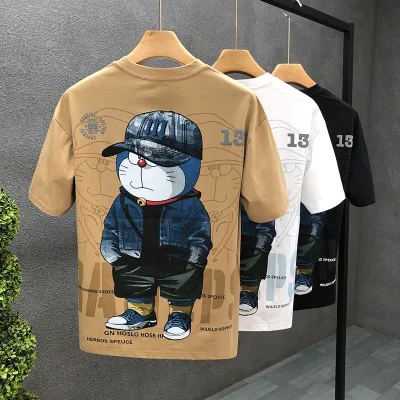


High Quality Oversized Cotton Men's T-Shirts with Printing Custom T Shirt
$1.99 - $3.50
MOQ: 50 Pieces


Comprehensive Sourcing Guide
Custom Printed Organic Cotton T-Shirt Sourcing Guide
Sourcing custom printed organic cotton t-shirts requires a disciplined approach to balancing material authenticity, print durability, and commercial viability. Buyers must navigate a market where "organic" claims are frequently misused, making verification of supply chain transparency the first critical step. The observed product landscape indicates a wide variance in specifications, from basic plain tees to complex promotional items, necessitating clear definition of end-use requirements before engaging suppliers. This guide outlines the essential verification steps to ensure that the final product meets both quality standards and brand expectations.
Procurement teams should prioritize suppliers who provide transparent documentation regarding their cotton sourcing and manufacturing processes. The presence of specific certifications and adherence to international standards serves as a primary indicator of supplier reliability. By focusing on verifiable data points rather than marketing language, buyers can mitigate the risk of receiving substandard goods. This guide provides a structured framework for evaluating suppliers, ensuring that every aspect of the procurement process, from initial inquiry to final delivery, is grounded in factual evidence and rigorous quality control.
Product Scope and Observed Listing Signals
The current market for custom printed organic cotton t-shirts exhibits significant diversity in material composition and design options. Observed listings reveal products made from 100% organic cotton as well as standard cotton blends, with some items classified broadly as cloth or shirt fabric types. Color options range from standard hues like white, red, gray, and green to fully customized color requests, allowing for extensive brand alignment. Buyers must carefully distinguish between these material variations, as the performance characteristics and cost structures differ substantially between pure organic cotton and mixed fabric compositions.
Design attributes further complicate the sourcing landscape, with offerings spanning from simple, smooth line designs to complex promotional shirts featuring various collar styles and sleeve lengths. Some products are explicitly marketed as unisex with regular lengths, while others offer customized sizing from XXS to 6XL. The presence of features such as moisture absorption, breathability, and compressed fits suggests a functional focus for certain listings, whereas others emphasize aesthetic simplicity and individuality. Understanding these distinctions is crucial for selecting the right product type that aligns with the intended use case, whether for corporate branding, retail resale, or promotional campaigns.
Technical Specifications to Verify
Verifying technical specifications is paramount to ensuring the longevity and comfort of the final product. Buyers should confirm the exact fabric type, ensuring it matches the desired weight and texture, and verify the sleeve style, whether long or short, to suit seasonal requirements. The collar style, ranging from round necks to various other designs, must be selected based on fit preferences and brand identity. Additionally, the length of the clothing, typically regular but often customizable, should be measured against target demographic sizing charts to prevent fit-related returns or dissatisfaction among end-users.
Print quality and durability are critical technical aspects that require rigorous testing. The technique used, such as screen printing or digital printing, significantly impacts the feel and longevity of the design on the fabric. Buyers must verify the pattern details, ensuring they are clear and precise, and confirm the color combination strategy to maintain brand consistency. Furthermore, the customization options available, including logo placement and design complexity, should be clearly defined in the technical pack. Ensuring that the printing process does not compromise the breathability or softness of the organic cotton is essential for maintaining product quality.
Compliance and Safety Documentation
Compliance with international textile standards is non-negotiable for reputable sourcing. Buyers must request proof of Global Organic Textile Standard (GOTS) certification to validate the organic nature of the cotton used. This certification ensures that the cotton is grown without harmful pesticides and that the processing facilities adhere to strict environmental and social criteria. Additionally, verification of Oeko-Tex standards can provide assurance that the final product is free from harmful substances, enhancing safety for consumers and aligning with corporate sustainability goals.
Safety documentation also includes adherence to specific care and warning labels. Products should clearly indicate washing precautions, such as machine washability at 40°C and prohibitions against dry cleaning or bleaching. Drying instructions, including low-temperature drying or no-drying recommendations, must be accurately communicated to preserve the garment's integrity. Furthermore, safety warnings, such as staying away from fire, should be present on labels to inform consumers of potential hazards. Ensuring that all compliance documentation is up-to-date and verifiable protects the buyer from legal liabilities and reputational damage.
Cost Drivers and Commercial Terms
Several factors influence the cost structure of custom printed organic cotton t-shirts, with material quality and order volume being primary drivers. The use of 100% organic cotton typically commands a higher price point compared to standard cotton blends due to stricter farming and processing requirements. Buyers should analyze the minimum order quantity (MOQ) requirements, which can range from 30 to 1000 units, to determine the most cost-effective order size. Larger orders often benefit from economies of scale, reducing the per-unit cost, but require careful inventory management to avoid overstocking.
Commercial terms, including payment conditions and lead times, also play a significant role in the total cost of ownership. Suppliers may offer OEM services, allowing for full customization, which can impact pricing based on the complexity of the design and production process. Packaging options, such as polybags or cartons, should be evaluated for their impact on shipping costs and product protection. Buyers must negotiate clear terms regarding quality assurance and returns to mitigate financial risks associated with defective goods or production delays.
Supplier Qualification and Quality Control
Supplier qualification involves a thorough assessment of manufacturing capabilities and quality control processes. Buyers should verify the supplier's origin, with many manufacturers based in regions like Shanghai, China, known for their textile expertise. It is essential to audit the production facilities to ensure they adhere to ethical labor practices and environmental standards. Suppliers offering OEM services should demonstrate flexibility in handling customized orders while maintaining consistent quality across batches.
Quality control measures must be implemented at every stage of production, from raw material inspection to final packaging. Buyers should request samples to evaluate the softness, durability, and print quality of the garments. Establishing clear acceptance criteria for defects, such as stitching errors or color mismatches, is crucial for maintaining high standards. Regular communication with the supplier regarding production progress and any potential issues can help prevent delays and ensure that the final product meets all specified requirements.
Long-Term Procurement Checks
Long-term procurement success depends on continuous monitoring of supplier performance and market trends. Buyers should establish key performance indicators (KPIs) to track delivery times, product quality, and responsiveness to issues. Regular audits and feedback loops with suppliers can help identify areas for improvement and strengthen the partnership over time. Staying informed about changes in organic cotton availability and pricing can also help buyers anticipate cost fluctuations and adjust their sourcing strategies accordingly.
Sustainability commitments should be revisited periodically to ensure alignment with evolving corporate social responsibility goals. Buyers should encourage suppliers to adopt innovative practices that reduce environmental impact, such as water-efficient dyeing processes or renewable energy usage. Building a resilient supply chain involves diversifying suppliers and maintaining open lines of communication to mitigate risks associated with geopolitical or logistical disruptions. By prioritizing long-term relationships and continuous improvement, buyers can secure a reliable source of high-quality custom printed organic cotton t-shirts.
FAQs
What materials are used for these custom printed organic cotton t-shirts?
The shirts are made from 100% organic cotton or standard cotton cloth. They feature a simple design with clear patterns and are available in white, red, gray, and green. The fabric is soft, durable, and long-lasting, suitable for promotional use. Buyers can choose between long sleeve or short sleeve styles depending on the season and specific application needs.
Can I customize the size and logo on these t-shirts?
Yes, customization is available for both size and logo. Sizes range from XXS to 6XL, with options for customized sizing. Logos can be added via printing techniques. The shirts support OEM standards and unisex fits. Buyers should note that specific customization details may vary by supplier, so confirming technical specifications before ordering is recommended.
What is the minimum order quantity for these promotional shirts?
The minimum order quantity varies between 30 and 1000 pieces depending on the supplier and specific product configuration. Some listings indicate an MOQ of 500 or 1000 units. Buyers should verify the exact MOQ with the manufacturer, as it may depend on whether the order requires custom sizing, specific color combinations, or standard plain designs for promotional campaigns.
Are these organic cotton t-shirts certified for sustainability?
Yes, some products are Global Organic Textile Standard certified. This certification ensures the organic cotton meets strict environmental and social criteria. Buyers seeking sustainable sourcing should look for this specific attribute in product listings. While Oeko-Tex and ISO 105 are mentioned in background contexts, the GOTS certification is the primary verified sustainability claim for these garments.
How should I wash and care for these cotton t-shirts?
Machine wash at 40 degrees Celsius is recommended. Do not dry clean or bleach the garments. Use low-temperature drying and iron at a maximum of 110 degrees Celsius. Keep away from fire. These care instructions ensure the soft, durable fabric maintains its quality. Following these guidelines helps preserve the simple design and clear patterns over time.
Where are these custom t-shirts manufactured and shipped from?
The products originate from China, specifically Shanghai. Suppliers offer OEM services and standard or custom packaging options. Buyers should confirm lead times and shipping details with the specific vendor. The location indicates potential access to established textile manufacturing hubs, which may influence pricing and production capacity for bulk orders of promotional or advertising shirts.