Source Waterproof Windproof Coated Track Jacket for Work, Outdoor, Leisure
Find 30 verified options for the Waterproof Windproof Coated Track Jacket suitable for work, outdoor activities, and leisure wear. Compare features like breathability, customization, and material composition from multiple Chinese suppliers; compare the available evidence and request quotations based on your requirements.
Updated
Key considerations
Products List


Jacket Waterproof Outdoor Streatwear Running Cycling Hooded Windproof Coat
$12.00 - $20.00
MOQ: 600 Pieces

Custom Logo Outdoor Windbreaker Jacket Raincoat Waterproof with Windproof
$12.00 - $20.00
MOQ: 600 Pieces


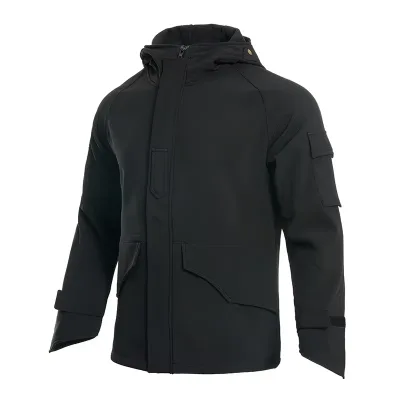
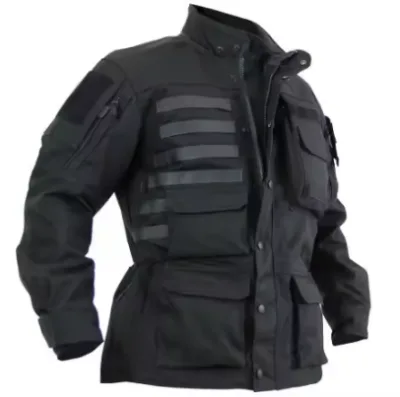

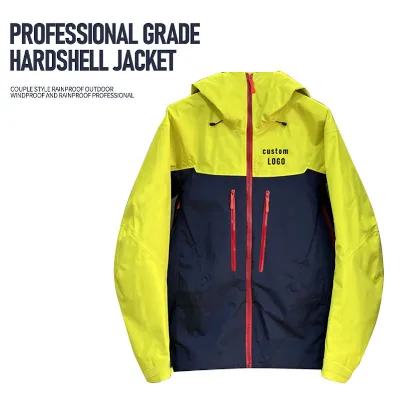
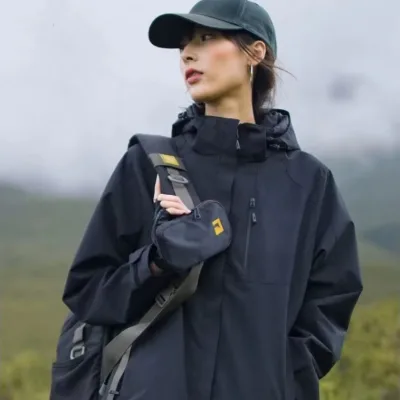
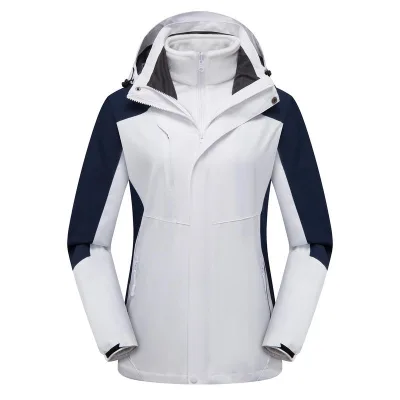
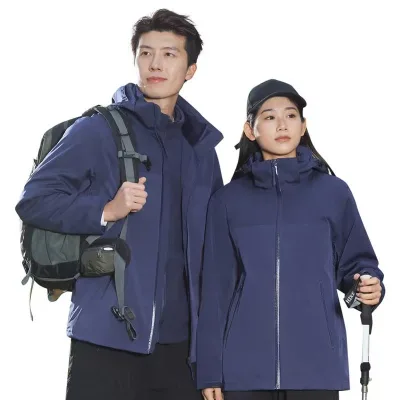
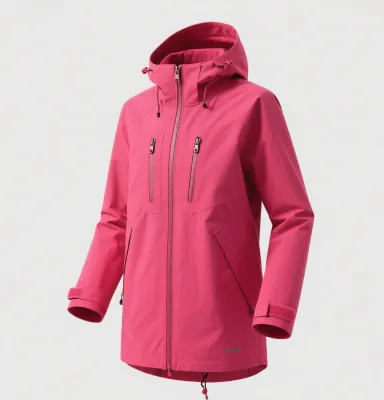
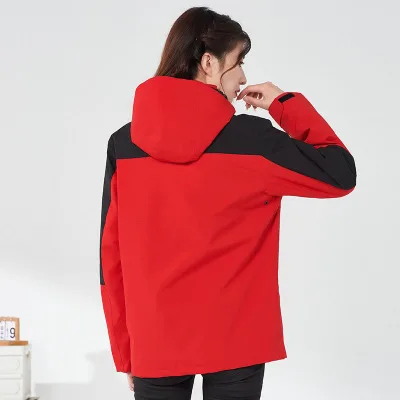
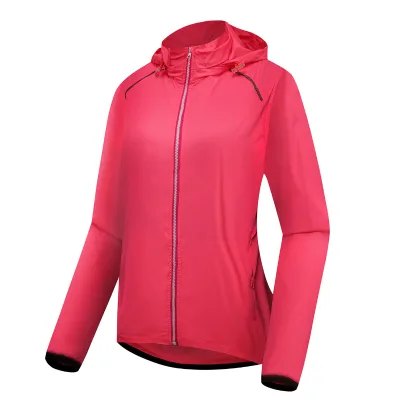


2.5 Layer Custom Outdoor Waterproof Breathable Windproof Waterproof Windbreaker Jacket
$23.50 - $29.50
MOQ: 1000 Pieces

2.5 Layer Fabric High Quality Custom Waterproof Outdoor Racing Windbreaker Jacket
$23.50 - $29.50
MOQ: 1000 Pieces
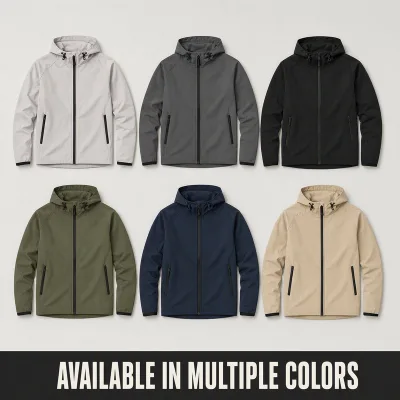


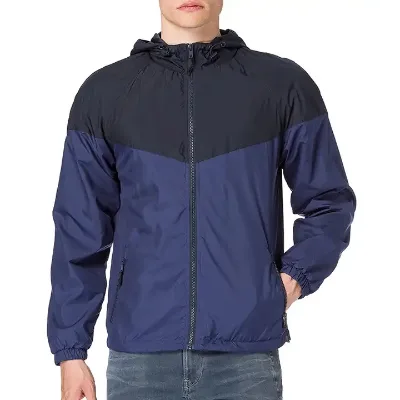
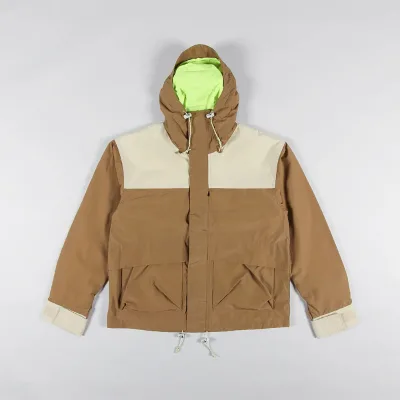
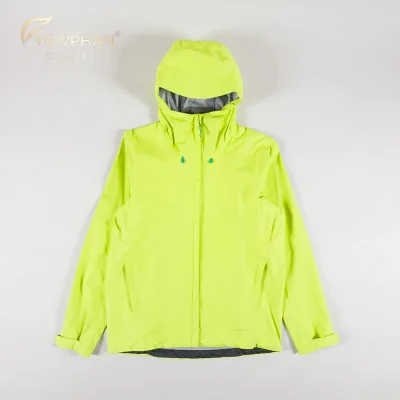
Phosphorus Green Hooded Windbreaker Jacket Outdoor Jacket Waterproof Windproof
$18.4062 - $42.9464
MOQ: 50 pieces
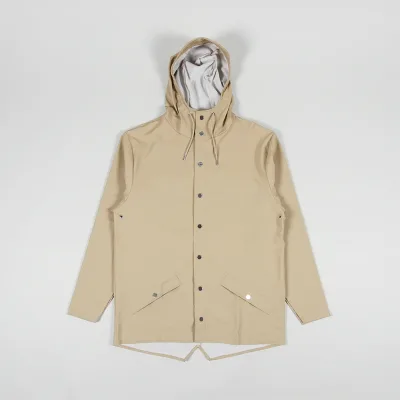
Men Khaki Rain Jackets Waterproof Custom logo Wind and Rain Breaker Jackets
$16.4845 - $36.0599
MOQ: 50 pieces
Comprehensive Sourcing Guide
Waterproof Windproof Coated Track Jacket Sourcing Guide
Procurement of waterproof windproof coated track jackets requires careful alignment with specific functional attributes observed in current market listings. Buyers must verify that the selected garments explicitly list windproof, waterproof, and breathable features, as these are critical for outdoor and working environments. The observed product data indicates that polyester is the dominant material, often combined with cotton for specific styles, ensuring durability while maintaining the necessary coating integrity for weather resistance.
Sourcing decisions should also account for the customization capabilities available from suppliers, particularly regarding design, printing methods, and color options. Many listings confirm that OEM services are available, allowing buyers to request tailored designs such as quilted patterns or specific branding patches. However, buyers must distinguish between standard leisure jackets and those designed for heavy-duty work, as the latter often require stricter verification of seam sealing and fabric thickness to ensure long-term performance in adverse conditions.
Product Scope and Observed Listing Signals
The current market offers a diverse range of track jackets that vary significantly in style, from padded and quilted designs to standard woven and knitted constructions. Buyers should note that while some products are marketed as casual clothes, others are explicitly categorized as working clothes, which may imply different construction standards for durability and safety. The observed listings include models with specific features like anti-static properties and rip-stop fabrics, which are essential for industrial applications where static discharge or fabric tearing could pose risks.
Color and pattern options are frequently customizable, with suppliers offering everything from standard blue and black to bespoke designs based on client images. The product scope extends to various seasonal adaptations, including winter and autumn-specific models, though buyers must verify the actual thermal insulation provided by the padding or fleece lining. It is crucial to confirm whether the "coated" aspect of the jacket refers to a specific waterproof treatment or a general fabric finish, as this distinction impacts the garment's longevity and maintenance requirements in wet environments.
Technical Specifications to Verify
Buyers must rigorously verify the shell material composition, as the supplied data highlights a mix of polyester and cotton blends that may affect water resistance and breathability. The thickness of the fabric is listed as standard in many cases, but for heavy-duty applications, specific thickness measurements or GSM values should be requested to ensure the coating can withstand prolonged exposure to wind and rain without degradation. Additionally, the closure type, typically a zipper, should be inspected for quality and weather-sealing capabilities to prevent water ingress through the front opening.
Seamless fusing is noted as absent in several listings, which suggests that traditional stitching methods are used; this necessitates a check for sealed seams to maintain the waterproof integrity of the garment. Buyers should also examine the single package dimensions and gross weight, as these factors influence logistics costs and storage requirements. The presence of specific technical features like anti-static properties and rip-stop capabilities should be confirmed through physical samples, as these attributes are not always guaranteed across all variations of the same product model.
Compliance and Safety Documentation
While the supplied product data does not explicitly list third-party safety certifications, buyers must request documentation proving that the materials and coatings meet relevant industry safety standards for the intended use. For working clothes, compliance with anti-static regulations is often mandatory, and suppliers should provide test reports verifying that the fabric effectively dissipates static electricity to prevent hazards in sensitive environments. Without explicit certification data in the listing, the burden of proof lies with the buyer to ensure the supplier can generate valid test results upon request.
Documentation regarding the origin of materials and the manufacturing process is equally critical for supply chain transparency. The observed listings indicate a primary origin in China, specifically Hubei, which requires buyers to verify that the production facilities adhere to local and international labor and environmental standards. Buyers should also inquire about the specific standards applied to the polyester and cotton blends to ensure they are free from harmful substances, particularly if the jackets are intended for close-contact wear or specific industrial applications where chemical exposure is a concern.
Cost Drivers and Commercial Terms
The price range observed in the market spans from approximately 3.7 to 53.15 USD, a variance driven by factors such as material quality, customization complexity, and order volume. Buyers should understand that lower-priced items often correspond to standard designs with minimal customization, while higher prices reflect complex features like digital printing, specific padding, or specialized coatings. The minimum order quantity (MOQ) varies widely from 1 to 1000 units, meaning that small buyers may face higher per-unit costs unless they consolidate orders or negotiate flexible terms with suppliers.
Commercial terms regarding packaging and shipping are significant cost drivers, as the observed data shows variations from simple PE bags to carton packaging with specific dimensions. Buyers must clarify whether the quoted price includes the cost of custom branding, such as patch designs or specific printing methods, as these services often incur additional fees. Furthermore, the supply type is listed as OEM service, which implies that production lead times and payment terms will be negotiated individually, requiring clear agreements on delivery schedules to avoid disruptions in the supply chain.
Supplier Qualification and Quality Control
Supplier qualification should focus on their ability to deliver consistent quality across customized orders, given the high variability in product attributes like style and material composition. Buyers must assess the supplier's technical capabilities, including their proficiency with knitted, woven, and other fabric types, to ensure they can meet specific design requirements without compromising the jacket's structural integrity. The presence of a brand name like Corhunter in some listings suggests that established manufacturers may offer more reliable quality control processes compared to generic suppliers.
Quality control protocols must be established before production begins, with a focus on verifying the waterproof and windproof claims through independent testing. Buyers should request pre-production samples to test the fabric's resistance to water penetration and wind, as well as the durability of the zipper and stitching. It is essential to define clear acceptance criteria for defects, such as uneven printing or loose seams, and to implement a rigorous inspection process at the factory level to ensure that the final products meet the agreed-upon specifications before shipment.
Long-Term Procurement Checks
Sustaining a successful procurement relationship requires regular audits of the supplier's ability to maintain consistent product quality over time. Buyers should monitor changes in material sourcing, as shifts from pure polyester to cotton blends or other mixtures can alter the performance characteristics of the jackets. Continuous verification of the anti-static and breathable features is necessary, as these attributes may degrade if the supplier changes the coating process or fabric treatment without prior notification.
Long-term checks should also include an evaluation of the supplier's responsiveness to design changes and their ability to scale production as order volumes increase. Buyers must ensure that the supplier can consistently meet the specified packaging requirements and lead times, as delays or packaging errors can disrupt downstream logistics. Establishing a feedback loop for product performance in the field will help identify any recurring issues early, allowing for timely adjustments to specifications or supplier selection to maintain the reliability of the Waterproof Windproof Coated Track Jacket supply.
FAQs
Can I customize the design and printing on these jackets?
Yes, customization is available for these jackets. You can request customized designs and various printing methods to match your brand identity. The supplier offers OEM service, allowing you to tailor the appearance of the windproof and waterproof outerwear to your specific requirements.
What materials are used in the construction of these jackets?
The jackets are primarily constructed from polyester, with some options featuring a polyester and cotton blend. The material is selected to provide essential features such as windproof, waterproof, and breathable performance, ensuring comfort and protection for adults in winter or autumn conditions.
What is the minimum order quantity for these jackets?
The minimum order quantity ranges from 1 to 1000 units, depending on the specific product model and customization level. This flexible MOQ allows buyers to test the market with smaller orders or place larger bulk purchases for established inventory needs.
Are these jackets suitable for unisex wear?
Yes, these jackets are designed for unisex wear, making them suitable for both men and women. They are categorized as casual or working clothes, featuring styles like hoody or padded designs that appeal to a broad adult demographic seeking functional outerwear.
What features do these jackets offer for outdoor use?
These jackets offer windproof, waterproof, breathable, and anti-static features. Some models also include dust-proof capabilities and rip-stop fabric. These attributes ensure durability and comfort, making them ideal for outdoor activities, work environments, or casual leisure wear in various weather conditions.
Where are these jackets manufactured and shipped from?
These jackets are manufactured in China, with specific origins noted in Hubei. The products are packed in PE bags and then cartons for shipping. Buyers can expect standard packaging solutions that protect the garments during transit from the mainland China production facilities.