Source eco-friendly anti-pilling oversize t-shirts for Summer, Promo, Custom
Compare 30 listings of eco-friendly anti-pilling oversize t-shirts featuring cotton materials, breathable designs, and customization options. Buyers can evaluate models like T-2023 and EAS-SU-20240329018 for summer wear, promotional use, and individual style needs; compare the available evidence and request quotations based on your requirements.
Updated
Key considerations
Products List
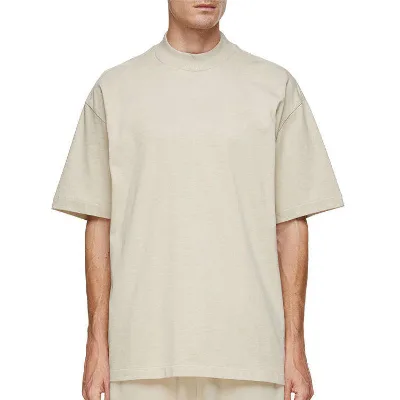


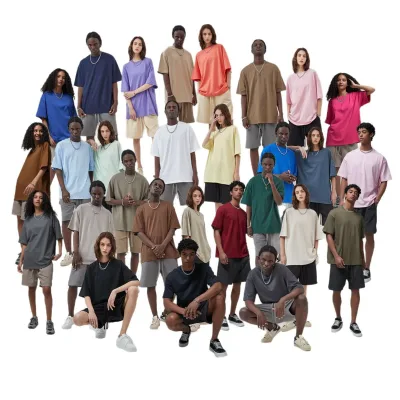
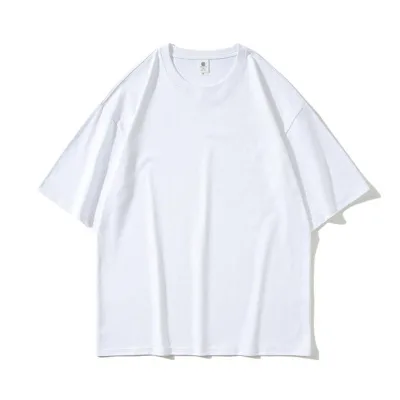



High Quality 100% Cotton Tshirts Sublimation T Shirt Plain Custom Oversize T-Shirt
$2.53 - $3.97
MOQ: 50 Pieces

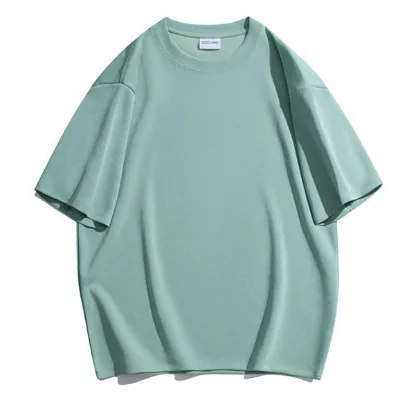
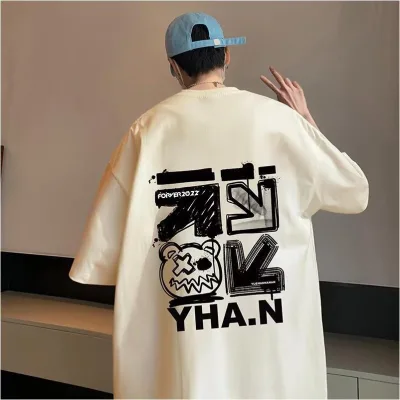
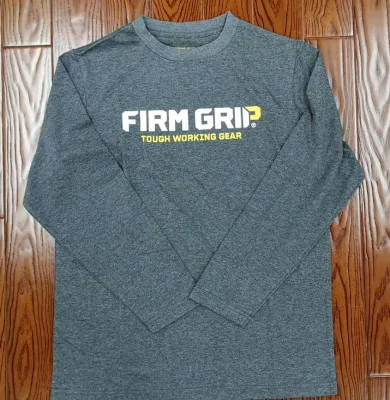
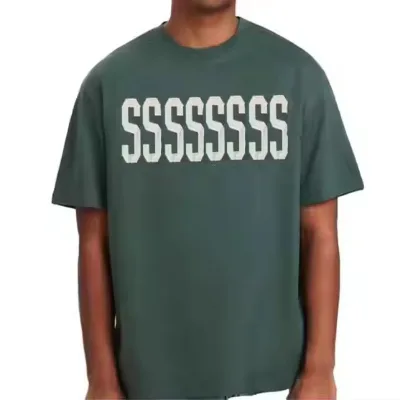

Comprehensive Sourcing Guide
Eco-Friendly Anti-Pilling Oversize T-Shirts Sourcing Guide
Sourcing eco-friendly anti-pilling oversize t-shirts requires a careful balance between sustainable material claims and durable performance characteristics. Buyers must navigate a market where "organic" and "anti-pilling" are often used as marketing terms without consistent verification. The core challenge lies in identifying suppliers who can deliver garments that maintain their structural integrity and softness after repeated washing cycles while adhering to environmental standards. This guide provides a framework for evaluating listings based on observed data, ensuring that procurement decisions are grounded in verifiable product attributes rather than vague promotional language.
The procurement process begins with a clear definition of the desired product specifications, including fabric composition, sleeve style, and customization options. Observed listings indicate a wide range of materials, from 100% cotton to polyester blends, with varying degrees of sustainability certification. Buyers should prioritize suppliers who provide transparent information about their manufacturing processes and material origins. By focusing on concrete attributes such as fabric type, pattern details, and care instructions, buyers can filter out low-quality options and identify partners capable of meeting specific brand requirements for eco-friendly and durable apparel.
Product Scope and Observed Listing Signals
The current market for oversize t-shirts exhibits significant variation in material composition and design features, which directly impacts the final product's quality and sustainability profile. Observed listings reveal that products are available in both short and long sleeve configurations, with collar styles predominantly featuring a round neck design. The fabric types range from standard cotton to 100% organic cotton, with some items explicitly labeled as Global Organic Textile Standard (GOTS) certified. This diversity allows buyers to select products that align with their specific brand values, whether they prioritize natural fiber content or synthetic performance features like moisture absorption and breathability.
Customization is a prevalent feature in the oversize t-shirt segment, with many suppliers offering options for logo printing or embroidery. The pattern options include plain, printed, and single-color designs, catering to both minimalist and bold aesthetic preferences. Some listings highlight specific model numbers and packaging standards, indicating a level of industrial readiness for bulk orders. Buyers should pay close attention to these details, as they often reflect the supplier's capability to handle complex production runs. The presence of features such as moisture absorption and breathability suggests that these garments are suitable for active wear or promotional use, where comfort and durability are paramount.
Technical Specifications to Verify
Verifying technical specifications is crucial to ensuring that the ordered t-shirts meet the expected quality and performance standards. Buyers should confirm the exact fabric composition, as listings may vary between 100% cotton, polyester, or blended materials. The presence of anti-pilling properties should be validated through supplier documentation or sample testing, as this attribute is not always explicitly stated in basic product descriptions. Additionally, the sleeve length, collar style, and overall fit, such as regular or oversize, must be clearly defined to avoid discrepancies between the ordered item and the final delivery.
Care instructions and sustainability claims also require careful verification. Listings may indicate machine washability at specific temperatures, such as 40°C, and low-temperature drying requirements, which are essential for maintaining the garment's integrity. Buyers should request detailed wash care information to ensure that the products can withstand the intended use and laundering conditions. Furthermore, any claims regarding organic certification or eco-friendly manufacturing processes should be backed by valid certificates, such as GOTS or OEKO-TEX, to ensure compliance with environmental standards and brand integrity.
Compliance and Safety Documentation
Compliance with safety and environmental standards is a critical aspect of sourcing eco-friendly apparel. Buyers must ensure that suppliers provide valid documentation for any claimed certifications, such as the Global Organic Textile Standard (GOTS) or OEKO-TEX. These certifications verify that the materials and manufacturing processes meet strict environmental and social criteria. Without proper documentation, claims of sustainability may be unsubstantiated, exposing the buyer to reputational risks and potential regulatory issues. It is essential to request copies of these certificates and verify their authenticity with the issuing bodies.
In addition to environmental compliance, safety documentation is necessary to ensure that the garments are safe for end-users. This includes information on chemical usage, dye safety, and potential allergens. Buyers should also verify that the suppliers adhere to relevant labor standards and ethical manufacturing practices. Clear communication regarding these requirements should be established early in the sourcing process to avoid misunderstandings and ensure that the final products meet all necessary regulatory and brand-specific standards.
Cost Drivers and Commercial Terms
Understanding the cost drivers and commercial terms is essential for effective budgeting and negotiation in the sourcing of oversize t-shirts. The primary cost factors include material composition, customization options, and order volume. Products made from 100% organic cotton or featuring complex printing and embroidery designs will typically command higher prices. Additionally, the minimum order quantity (MOQ) can significantly impact the unit cost, with larger orders often benefiting from economies of scale. Buyers should request detailed pricing breakdowns to understand how each factor contributes to the final cost.
Commercial terms such as payment methods, lead times, and shipping arrangements also play a crucial role in the overall procurement strategy. Suppliers may offer different packaging options, such as cartons or custom packaging, which can affect shipping costs and handling requirements. It is important to negotiate clear terms regarding quality assurance, returns, and dispute resolution to protect the buyer's interests. By understanding these commercial dynamics, buyers can make informed decisions that balance cost efficiency with quality and sustainability goals.
Supplier Qualification and Quality Control
Supplier qualification is a vital step in ensuring the reliability and consistency of the sourced products. Buyers should conduct thorough due diligence on potential suppliers, including verifying their business credentials, production capabilities, and past performance. Requesting samples is a critical part of this process, allowing buyers to assess the quality of the fabric, stitching, and overall construction. Suppliers who are willing to provide samples and respond promptly to inquiries are often more reliable and committed to customer satisfaction.
Quality control measures should be established to monitor the production process and ensure that the final products meet the agreed-upon specifications. This may include pre-production samples, in-line inspections, and final random inspections. Buyers should also verify that the suppliers have robust quality management systems in place to address any issues that may arise during production. Clear communication regarding quality expectations and acceptance criteria is essential to minimize the risk of receiving substandard products and to maintain brand integrity.
Long-Term Procurement Checks
Long-term procurement checks are necessary to maintain the quality and reliability of the supply chain over time. Regular audits and performance reviews should be conducted to assess the supplier's adherence to agreed-upon standards and their ability to meet delivery schedules. Buyers should also monitor market trends and technological advancements to ensure that their sourcing strategies remain competitive and aligned with evolving consumer preferences. Continuous improvement initiatives, such as feedback loops and collaborative problem-solving, can help strengthen the supplier relationship and drive better outcomes.
Additionally, buyers should stay informed about changes in regulatory requirements and sustainability standards that may impact their sourcing decisions. This includes keeping abreast of new certifications, material innovations, and ethical manufacturing practices. By maintaining a proactive approach to supplier management and market analysis, buyers can mitigate risks and ensure that their procurement activities support their brand's long-term goals and values. Regular communication and partnership development are key to building a resilient and sustainable supply chain.
FAQs
What materials are used for these t-shirts?
The t-shirts are crafted from 100% organic cotton or cotton blends, ensuring a soft and durable feel. Some options feature 100% polyester for specific performance needs. The fabric is knitted with a plain pattern, providing a comfortable fit suitable for summer wear while maintaining breathability and moisture absorption properties.
Can I customize the logo on the t-shirts?
Yes, customization is available for logo application. Buyers can choose between print or embroidery options to brand the garments effectively. The design style remains simple and smooth, allowing the logo to stand out clearly. This service supports promotional and advertising purposes, making it ideal for corporate events or marketing campaigns.
What is the minimum order quantity for these items?
The minimum order quantity varies by product model, ranging from 2 to 500 pieces. Specific models like the EAS series require a higher MOQ of 500 pieces. Other standard models may accept lower quantities, allowing flexibility for small batches or trial orders while ensuring efficient production and packaging logistics for buyers.
Are the t-shirts certified as sustainable products?
Yes, certain models are Global Organic Textile Standard certified, confirming their sustainable production. These items are made from 100% organic cotton, aligning with eco-friendly sourcing principles. The certification ensures that the materials meet strict environmental and social criteria, providing buyers with verified sustainable options for their supply chain needs.
How should I wash and care for these t-shirts?
Machine wash at 40°C is recommended for optimal care. Avoid dry cleaning and bleaching to preserve fabric integrity. Use low-temperature drying and iron at a maximum of 110°C. Keep away from fire sources. These instructions ensure the garments remain soft, durable, and long-lasting, maintaining their shape and color through repeated wear and washing cycles.
What packaging options are available for bulk orders?
Standard packaging uses cartons or paper cartons for protection. Specific models come in custom packages with defined dimensions, such as 86*53*35 cm containing 10 sets. Other options include 40*50*50 cm cartons. Packaging is designed to secure the goods during transit, ensuring they arrive in pristine condition for retail or distribution.