Source Electric Heated and Ventilated Car Seats for SUVs, Sedans, and Trucks
Explore 30 listings for Electric Heated and Ventilated Car Seats featuring 12V operation, carbon fiber materials, and universal fitment. Buyers can compare specifications like working voltage, heating functions, and ventilation effects across multiple models from Chinese manufacturers.
Key considerations
Products List




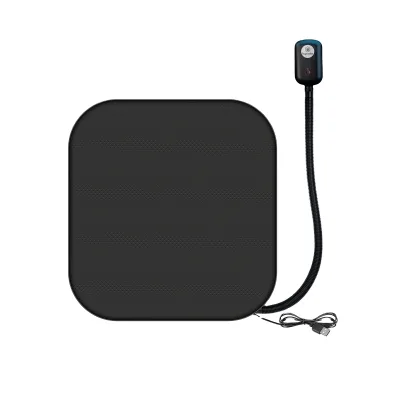


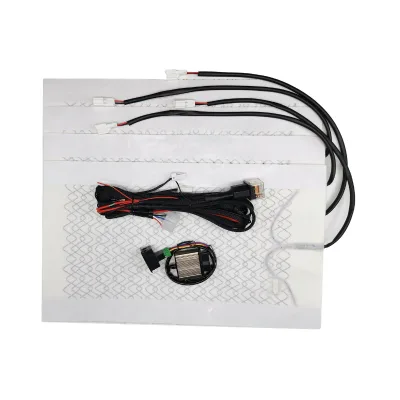
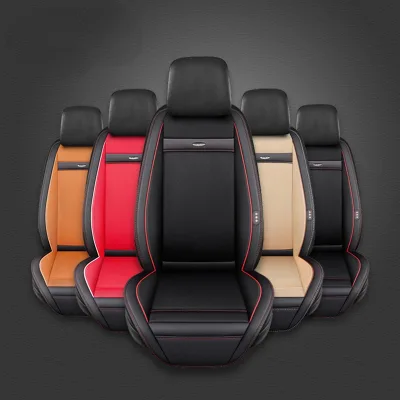


Comprehensive Sourcing Guide
Strategic Sourcing Guide for Electric Heated and Ventilated Car Seats
Understanding Core Technical Specifications and Functional Diversity
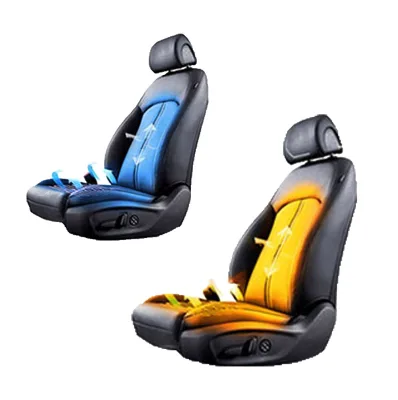
When sourcing Electric Heated and Ventilated Car Seats, buyers must first distinguish between the two primary functional architectures available in the market: integrated seat systems and retrofit ventilation kits. The technical landscape is defined by specific voltage requirements, power consumption metrics, and material compositions that dictate compatibility and performance. Based on current market observations, the vast majority of these systems operate on a standard 12-volt direct current (DC) architecture, designed specifically for 12V car seat applications. This voltage standard ensures compatibility with the electrical systems of most passenger vehicles, trucks, and light commercial vehicles.
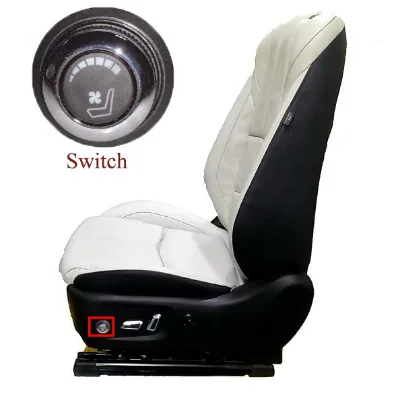
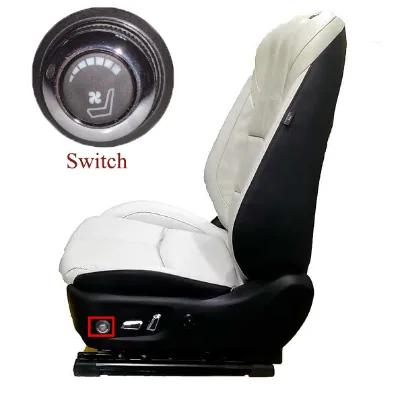
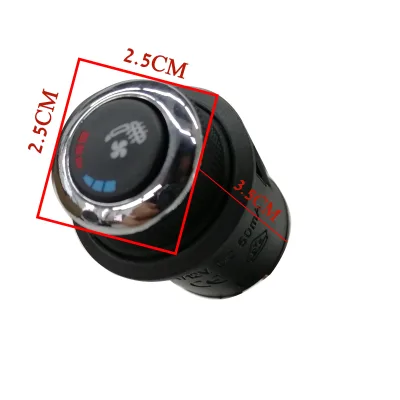
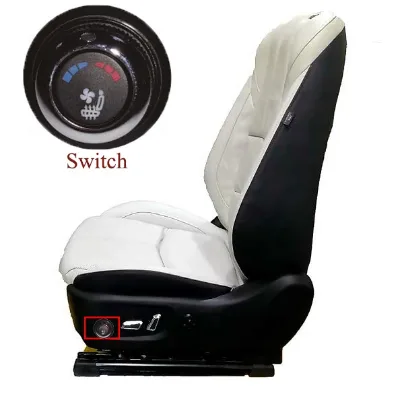
The power consumption for these units is typically low, with observed working power ratings around 9.6 watts. This efficiency is critical for preventing excessive load on the vehicle's electrical system while maintaining effective thermal regulation. The functional scope has expanded beyond simple heating or cooling; modern units often feature "All Season" capabilities, offering a triad of functions including cooling, heating, and ventilation. This versatility is achieved through specific control mechanisms, such as knob controls or key switches, which allow the user to modulate the intensity of the thermal output.
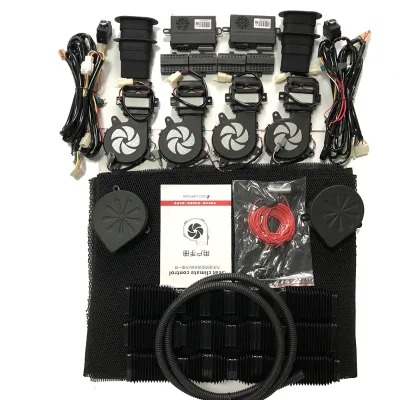
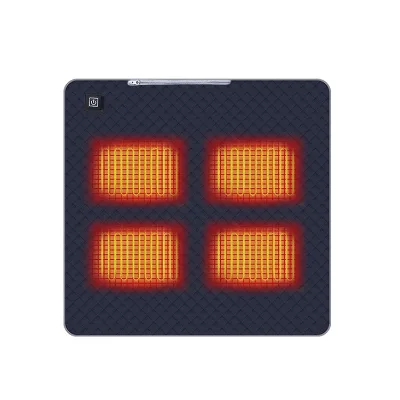
Material composition varies significantly depending on the product type. Integrated systems often utilize a combination of carbon fiber and alloy wire embedded within non-woven fabric and PVC layers to ensure durability and heat distribution. In contrast, retrofit ventilation kits designed for existing perforated seats may rely on plastic housings for the fan units and fur or leather seat materials for the cover. The physical dimensions of the components are also a key specification; for instance, ventilation fans in retrofit kits may have a diameter of approximately 6 cm, while the overall packaging dimensions for a single unit can range from 55x35x10 cm to 55x38x15 cm. Buyers must verify these dimensions against their specific vehicle seat contours to ensure a proper fit without interfering with seat mechanisms.
Compliance, Certification, and Regulatory Standards
Navigating the regulatory landscape is a critical step in the procurement process for automotive accessories. While specific test results and performance claims vary by manufacturer, certain certifications serve as baseline indicators of quality and safety. In the observed market, products frequently carry ISO9001 certification, which validates the supplier's adherence to international quality management standards. This certification suggests that the manufacturing process is consistent and that the supplier has established protocols for maintaining product quality over time.
Additionally, for products intended for export or sale in specific regions, CE certification is a common requirement. This marking indicates conformity with health, safety, and environmental protection standards for products sold within the European Economic Area. Buyers should verify that the specific model they are sourcing possesses the relevant certificates for their target market. It is important to note that while certifications like ISO9001 and CE are observed in the supply chain, they are not universal guarantees of performance for every listed product. Procurement teams must request valid, current certificates for the specific batch or model number being purchased, rather than relying on general supplier claims.
The electrical safety of these devices is paramount. Since the units operate at 12 volts, they are generally considered low-voltage, but the integration of heating elements and fans introduces risks of short circuits or overheating. Buyers should ensure that the product design includes appropriate safety features, such as waterproofing capabilities, which are often highlighted as a functional attribute in product descriptions. The presence of waterproofing is essential for longevity, particularly in environments where seat cushions may be exposed to spills or high humidity.
Cost Drivers and Pricing Dynamics
The pricing structure for Electric Heated and Ventilated Car Seats is influenced by several variables, including material quality, functional complexity, and order volume. The observed price range in the market is extensive, spanning from approximately $0.59 to $495 USD. This wide disparity reflects the difference between individual components, such as a single ventilation fan or a small heating pad, and complete, multi-functional seat systems that include advanced temperature control and smart features.
A primary cost driver is the level of integration. Systems that offer "Smart Temperature Control" and combine heating, ventilation, and cooling in a single unit typically command a higher price point compared to basic ventilation kits. The inclusion of premium materials, such as carbon fiber or high-grade alloy wire, also contributes to the final cost. Furthermore, the packaging and logistics requirements impact the price. Products are typically shipped in carton standard packages, with single gross weights ranging from 1.8 kg to 2.0 kg. The logistics of shipping these items, often originating from major Chinese ports like Guangzhou or Chongqing, must be factored into the total landed cost.
Minimum Order Quantity (MOQ) policies also play a significant role in cost management. The market shows a flexible approach, with some suppliers accepting small orders of just one piece, while others may require orders up to 1000 units. For buyers seeking to test the market or equip a small fleet, suppliers with an MOQ of one piece or one set (for one seat) offer a lower barrier to entry. However, larger volume orders often unlock better unit pricing, making it essential for procurement teams to balance inventory needs with cash flow constraints.
Typical Applications and Vehicle Fitment
The application of Electric Heated and Ventilated Car Seats extends across various vehicle types, but fitment remains a critical consideration. The products are generally designed for 12V car seats, making them suitable for a broad range of passenger vehicles. Specific fitment data indicates compatibility with brands such as ALFA ROMEO, but the broader market trend favors "Universal Fitment" designs. These universal kits are engineered to adapt to any car seat with perforated upholstery, allowing for the installation of ventilation fans beneath the seat cover.
The "Universal Fitment" attribute is particularly valuable for aftermarket upgrades, as it reduces the need for vehicle-specific tooling or custom manufacturing. However, buyers must still verify the physical dimensions of the seat and the availability of perforations in the existing upholstery. For vehicles without perforated seats, the installation of a ventilation kit may require additional modifications or the replacement of the seat cover with a compatible perforated version.
In terms of usage, these systems are primarily deployed to enhance driver and passenger comfort in extreme weather conditions. The "Cool The Car In The Summer" function addresses the issue of heat retention in leather or synthetic seats, while the heating function provides warmth during colder months. The ability to reduce the temperature of the car seat surface is a key performance metric for summer applications. Additionally, the low-noise operation of the fans is a desirable feature for maintaining a quiet cabin environment, ensuring that the ventilation system does not become a source of distraction or annoyance.
Supplier Evaluation and Sourcing Channels
When evaluating potential suppliers, buyers should prioritize those with a clear track record in the automotive accessories sector. The place of origin for these products is predominantly China, with specific hubs in Chongqing and Guangzhou. These regions have established supply chains for automotive electronics and seat components. Buyers should verify the supplier's ability to provide consistent product quality and after-sales support.
Key evaluation criteria include the supplier's response to small order inquiries, as the market supports both single-item purchases and bulk orders. The availability of a 1-year warranty is a standard expectation for these products, serving as a baseline for supplier confidence in their manufacturing quality. Buyers should also assess the supplier's packaging capabilities, ensuring they use carton standard packages or safe packaging methods to prevent damage during transit.
Transparency regarding the product model number is essential for traceability. Common model identifiers in the market include YZ-001, JY-UVS-5, JY-UVS-1, and JY-SCCS-SC3. Each model number corresponds to specific configurations, such as different sizes, materials, or functional sets. Buyers should request detailed specifications for each model to ensure alignment with their requirements. Furthermore, the supplier's ability to provide custom packaging or packaging according to specific requirements can be a differentiating factor for brands looking to white-label products.
Quality Control and Long-Term Procurement Considerations
Implementing a robust quality control (QC) strategy is vital for mitigating risks associated with electronic automotive components. Given the functional diversity of these products, QC checks should focus on electrical safety, thermal performance, and mechanical durability. Buyers should verify that the heating elements provide consistent warmth without hot spots and that the ventilation fans operate at low noise levels while delivering effective airflow.
Long-term procurement considerations involve assessing the supplier's capacity for scalability and consistency. As demand grows, the ability to maintain the same quality standards across larger batches is crucial. The warranty period, typically one year, provides a window for identifying any systemic defects. Buyers should establish clear communication channels with suppliers to address any warranty claims promptly.
Additionally, the market for these products is evolving with the introduction of smart temperature control features. Buyers should stay informed about technological advancements that may enhance the functionality of these systems. The integration of smart controls can improve user experience and energy efficiency, making it a valuable area for future investment.
To summarize, sourcing Electric Heated and Ventilated Car Seats requires a balanced approach that considers technical specifications, regulatory compliance, cost dynamics, and supplier reliability. By focusing on these key areas, buyers can make informed decisions that align with their operational needs and quality standards.
Comparative Analysis of Product Configurations
The following table summarizes the key differences observed between various product configurations in the market, aiding buyers in selecting the appropriate solution for their specific needs.
| Feature Category | Integrated Seat System | Retrofit Ventilation Kit | Universal Cushion |
|---|---|---|---|
| Primary Function | Heating, Ventilation, Cooling | Ventilation, Temperature Reduction | Cooling, Heating, Ventilation |
| Material Composition | Carbon Fiber, Alloy Wire, PVC | Plastic, Fur/Leather Seat | Plastic, Universal Fitment |
| Voltage | 12V | 12V | 12V |
| Working Power | ~9.6W | ~9.6W | Variable |
| Control Mechanism | Knob Control, Key Switch | Knob Control, Key Switch | Smart Temperature Control |
| Fitment Type | Specific Vehicle Models | Perforated Seats Only | Universal Fitment |
| Typical MOQ | 1 Set (for one seat) | 1 Piece | 1 Piece |
| Warranty | 1 Year | 1 Year | 1 Year |
| Certifications | ISO9001, CE | ISO9001, CE | ISO9001, CE |
| Packaging Size | 55x35x10 cm | 55x38x15 cm | 55x35x10 cm |
| Gross Weight | 2.000 kg | 1.800 kg | 2.000 kg |
This comparison highlights the trade-offs between integration levels and flexibility. Integrated systems offer a seamless look but may require specific vehicle compatibility. Retrofit kits provide a cost-effective solution for existing vehicles but depend on the presence of perforated seats. Universal cushions offer the highest flexibility but may vary in performance based on the specific vehicle seat geometry. Buyers should weigh these factors against their specific application requirements to make the most informed procurement decision.
FAQs
What voltage do these car seat systems operate on?
These systems operate on a standard 12-volt direct current architecture. This voltage ensures compatibility with the electrical systems of most passenger vehicles, trucks, and light commercial vehicles without requiring complex modifications.
Which certifications are commonly found on these products?
Products frequently carry ISO9001 certification to validate adherence to international quality management standards. Additionally, CE certification is common for products intended for export or sale within the European Economic Area.
Can I order a single unit for testing purposes?
Yes, small orders are accepted with some suppliers allowing a minimum order quantity of just one piece. Other options include ordering one set specifically for a single seat, providing a low barrier to entry for market testing.
What materials are used in the construction of these seats?
Integrated systems often utilize carbon fiber and alloy wire embedded within non-woven fabric and PVC layers. Retrofit kits may rely on plastic housings for fans and fur or leather seat materials for the cover.
How do these units control temperature and heating?
Modern units feature smart temperature control with knob controls or key switches to modulate thermal output. They offer all-season capabilities including cooling, heating, and ventilation to enhance driver comfort in extreme weather.
Where are these products typically manufactured and shipped from?
The place of origin is predominantly China, with specific hubs in Chongqing and Guangzhou. Products are typically shipped from these major ports in carton standard packages to ensure safe transit.
What is the typical warranty period for these systems?
A one-year warranty is a standard expectation for these products, serving as a baseline for supplier confidence. This period provides a window for identifying any systemic defects or manufacturing issues.