Source Electric Guitar Body for Jazz, Rock, and Custom Builds
Compare 30 Electric Guitar Body options featuring solid and semi-hollow structures with materials like basswood and mahogany. Buyers can review specifications such as scale length, pickup routing, and customization services for jazz, rock, and custom builds.
Key considerations
Products List


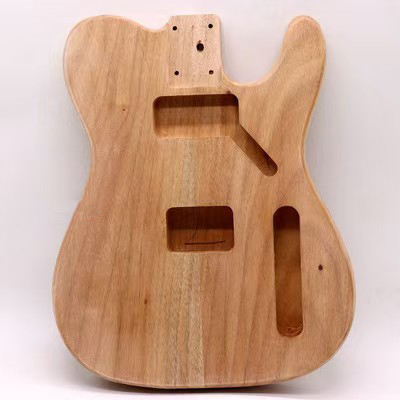
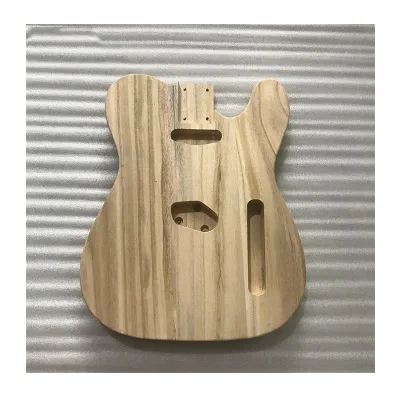
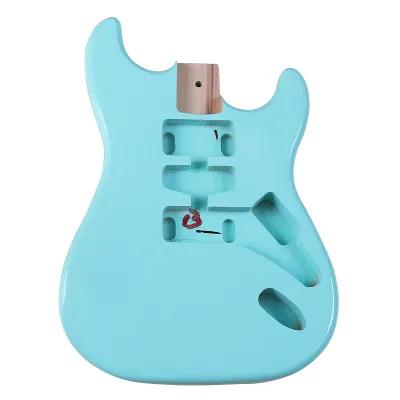
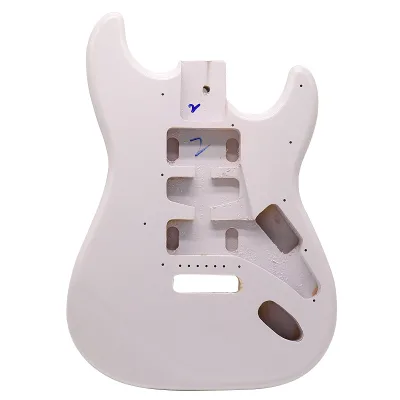
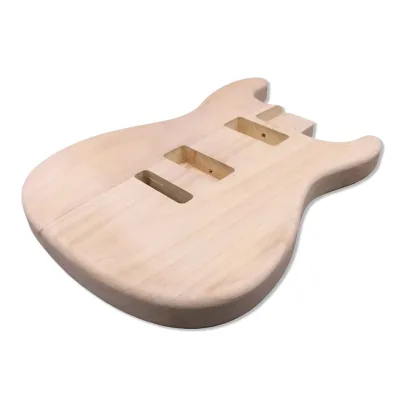
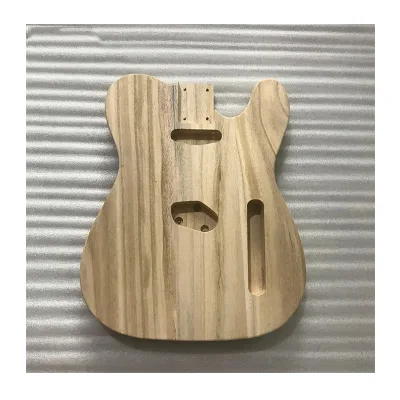

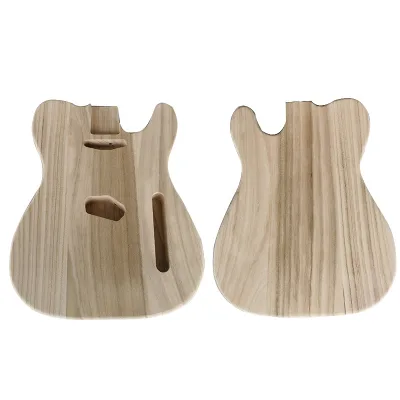
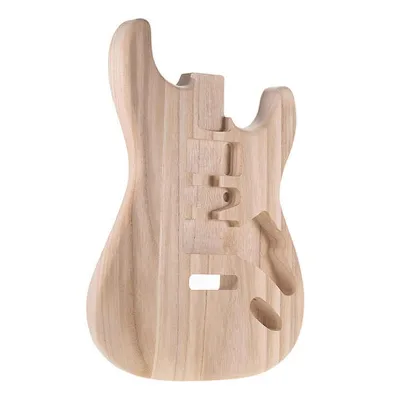


Comprehensive Sourcing Guide
Strategic Sourcing Guide for Electric Guitar Bodies
The global market for electric guitar bodies presents a complex landscape for B2B procurement professionals. Unlike finished instruments, the body serves as the foundational chassis that dictates resonance, sustain, and the ultimate aesthetic of the final product. Sourcing these components requires a granular understanding of material science, manufacturing tolerances, and supply chain logistics. This guide synthesizes observed market data and technical specifications to provide a disciplined framework for buyers evaluating potential suppliers. The focus remains strictly on verifiable attributes and procurement best practices, ensuring that decisions are grounded in evidence rather than marketing assertions.
Material Composition and Structural Integrity
The selection of body material is the primary determinant of an electric guitar's tonal character and weight. Market observations indicate a diverse range of woods utilized in production, with Basswood and Mahogany appearing as prominent options in current listings. Basswood is frequently cited for its balanced tonal response and ease of machining, making it a common choice for mass-produced instruments. Conversely, Mahogany is often associated with a warmer, richer mid-range and increased density, which can influence the sustain of the instrument. Buyers must verify the specific wood species and grade provided by the supplier, as the term "Mahogany" can sometimes encompass various species with differing acoustic properties.
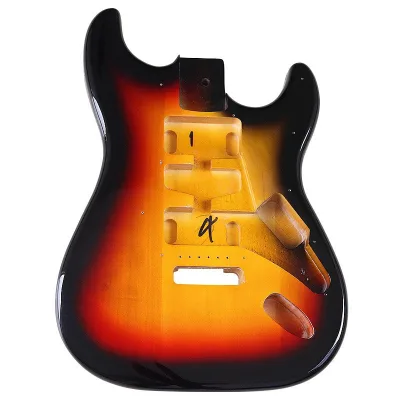
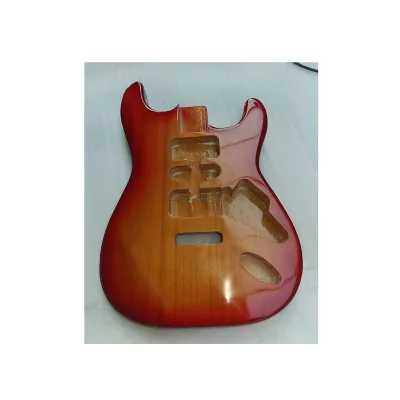
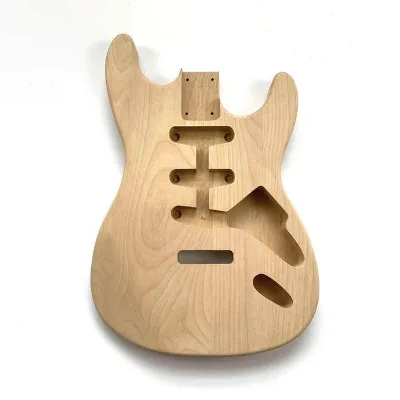
Structural configuration is equally critical. The data reveals a dichotomy between Solid and Semi-hollow body structures. Solid bodies, such as those described in the "St Stratorcast" and "Electric Guitar Body SSS" categories, are generally preferred for high-gain applications where feedback control is paramount. Semi-hollow designs, while less common in the specific high-volume listings observed, offer a distinct acoustic resonance that can be desirable for jazz or blues-oriented styles. Procurement teams must ensure that the structural design aligns with the intended musical genre of the final product. Furthermore, the finish plays a role in the instrument's longevity and weight. A "Glossy" finish is a standard observation, but the thickness and type of coating can impact the overall mass of the guitar, which in turn affects playability and tone.
Technical Specifications and Dimensional Standards
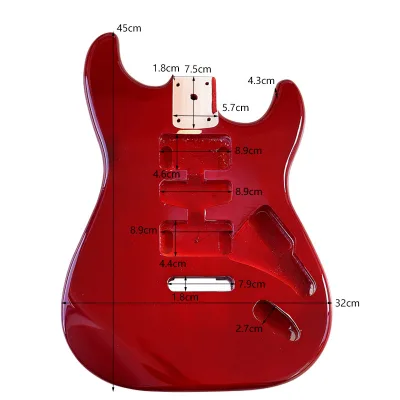
Precision in manufacturing is non-negotiable when sourcing guitar bodies. The data highlights specific dimensional standards that buyers should use as a baseline for verification. One observed specification lists a scale length of 648mm, which corresponds to a standard 25.5-inch scale, a common configuration for electric guitars. Another entry references a standard of 648cm, which appears to be a data entry anomaly in the source material and should be treated with extreme caution; buyers must physically verify that the scale length matches the intended 25.5-inch (648mm) standard or the specific custom requirement of their design.
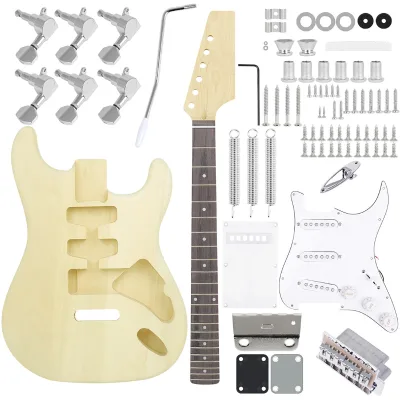
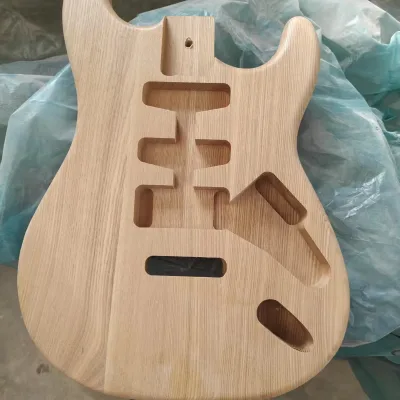
Pickup routing is another critical technical specification. The listings show a prevalence of "SSS" (Single Coil, Single Coil, Single Coil) routing, which is essential for guitars designed to accommodate three single-coil pickups. However, other configurations exist, and buyers must confirm the routing layout matches their pickup inventory. The presence of "Pickup Routing: SSS" in the data confirms that this is a standard offering, but custom routing for HSS or HH configurations may require specific OEM/ODM negotiations. Additionally, the fingerboard material, such as Rosewood, is a key component of the neck-body interface, though some listings focus solely on the body itself. Buyers must clarify whether the quoted price includes the neck or if the body is sold as a standalone component, as this significantly impacts the total cost of goods sold (COGS).
Customization Capabilities and OEM/ODM Flexibility
One of the most significant advantages of sourcing electric guitar bodies directly from manufacturers is the availability of customization. The observed data explicitly states that "OEM or ODM Are Welcome" and that "Customized Electric Guitar Body" services are available. This flexibility allows brands to differentiate their products through unique body shapes, color schemes, and material combinations. The "Blue Guitar" color and the availability of "Others Available!" for color options suggest a broad palette for branding.
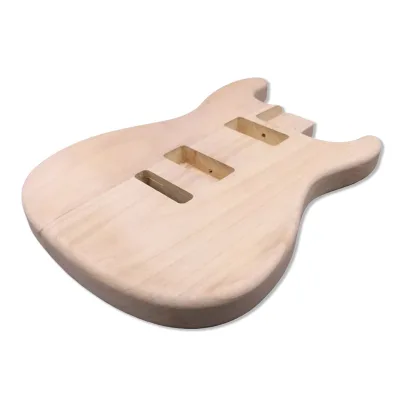
However, customization introduces variables that must be managed carefully. The "Customization: Available" attribute implies that the supplier has the tooling and design capacity to alter molds or finishes. Buyers should verify the minimum order quantities (MOQ) associated with custom runs, as these often differ from standard stock items. The data shows a wide range of MOQs, from as low as 4 pieces to 500 pieces, depending on the specific model and customization level. For instance, the "BST-04" model lists an MOQ of 5 pieces, while other entries suggest higher thresholds. Understanding these thresholds is vital for inventory planning, especially for startups or limited-edition releases. The ability to request specific finishes, such as "unfinished" options, allows for in-house finishing, which can be a cost-saving measure for companies with established finishing facilities.
Cost Drivers and Pricing Dynamics
The pricing for electric guitar bodies varies significantly based on material, complexity, and order volume. The observed price range in the market spans from $11.36 to $125 USD. This wide disparity indicates that the lower end of the spectrum likely corresponds to basic, mass-produced bodies with standard finishes and materials, while the higher end reflects premium woods, complex shapes, or specialized finishes. Buyers must analyze the cost drivers behind these figures. The "Body Material" is a primary driver; Mahogany bodies typically command a higher price point than Basswood equivalents due to material scarcity and processing costs.
Logistics and packaging also contribute to the final landed cost. The data indicates various packaging standards, such as "Carton Box," "30PCS Per Carton," and "1PCS/Carton." The carton size and weight, such as "0.07cbm" and "13kg" for a 5-piece carton, are essential for calculating freight costs. Shipping methods like "by Sea/by Air" offer different trade-offs between speed and cost. Sea freight is generally more economical for large volumes, while air freight may be necessary for urgent, low-volume custom orders. Buyers should request detailed Incoterms to understand who bears the risk and cost during transit. Additionally, the "MOQ" acts as a lever for price negotiation; ordering closer to the supplier's capacity limits often results in better unit pricing.
Supplier Evaluation and Quality Assurance
Evaluating a supplier for guitar body production requires a multi-faceted approach. The "Place of Origin" is consistently listed as "Guangzhou, China" or "Guangdong, China," indicating a concentrated manufacturing hub. While this region has a mature supply chain for musical instruments, it necessitates rigorous quality control (QC) protocols. Buyers should not rely solely on the "Low-confidence background" regarding certifications like FSC, as this data point is not confirmed for all listed products. Instead, buyers must request specific documentation for wood sourcing and environmental compliance if sustainability is a brand requirement.
Quality control should focus on dimensional accuracy, finish quality, and structural integrity. The "prod_standard" of 648mm (or the corrected 648cm entry) must be verified through physical measurement of sample units. Buyers should inspect the "Body Structure" for any signs of warping or glue failures, particularly in semi-hollow designs. The "Pickup Routing" must be precise to ensure a perfect fit for the chosen electronics. A visual inspection of the "Glossy" finish is necessary to check for runs, bubbles, or uneven coverage. Furthermore, the "Packing" method must be robust enough to prevent damage during international shipping. The "Carton Size" and "Packing: 5 PCS Per Carton" details suggest that the supplier has established packing protocols, but buyers should verify that internal cushioning is sufficient to protect the fragile body during transit.
Long-Term Procurement Considerations
Sourcing electric guitar bodies is not a one-time transaction but a long-term partnership that impacts brand reputation and product consistency. The availability of "OEM and Customized Design" services suggests that suppliers are willing to evolve with the buyer's needs. However, maintaining this relationship requires clear communication and consistent quality standards. Buyers should establish a clear protocol for handling defects and returns, ensuring that the supplier understands the critical nature of the product.
Scalability is another key consideration. As demand grows, the supplier must be able to increase production without compromising quality. The observed MOQ ranges from 4 to 500 pieces, indicating that suppliers can accommodate both small batches and larger orders. However, buyers should confirm the supplier's capacity to handle peak demand periods, such as before major trade shows or holiday seasons. The "Lead Time" is not explicitly provided in the data, but it is a critical factor for inventory management. Buyers should negotiate realistic lead times and include buffer periods for potential delays in raw material sourcing or production.
Finally, the "Use: GUITAR" specification confirms the intended application, but buyers should ensure that the bodies are compatible with the specific hardware and electronics they plan to use. Compatibility issues can lead to costly rework or product failures. By focusing on these long-term factors, buyers can build a resilient supply chain that supports their brand's growth and ensures the delivery of high-quality instruments to the market.
Summary of Key Specifications and Variations
To facilitate quick reference, the following table summarizes the key technical and logistical attributes observed in the current market data. This comparison highlights the variability in specifications that buyers must navigate during the sourcing process.
| Attribute | Observed Values | Procurement Note |
|---|---|---|
| Body Material | Basswood, Mahogany | Verify wood grade and species for tonal consistency. |
| Body Structure | Solid, Semi-hollow | Match structure to intended musical genre (e.g., Rock vs. Jazz). |
| Pickup Routing | SSS (Single Coil) | Confirm routing matches pickup inventory; custom routing may be needed. |
| Scale Length | 648mm (Standard) | Verify 648mm standard; treat 648cm entry as potential data error. |
| Finish | Glossy, Unfinished | Check finish thickness and type; unfinished allows in-house processing. |
| MOQ | 4 to 500 pieces | Negotiate based on volume; lower MOQs often carry higher unit costs. |
| Origin | Guangzhou/Guangdong, China | Verify specific factory location for quality and logistics planning. |
| Packaging | Carton Box, 1-30 PCS/CTN | Assess packing robustness for international shipping safety. |
| Customization | OEM/ODM Available | Confirm design capabilities and tooling costs for custom shapes. |
In conclusion, sourcing electric guitar bodies requires a meticulous approach that balances technical specifications with logistical realities. By leveraging the observed data and applying rigorous quality control measures, buyers can secure a supply chain that delivers high-quality, consistent products. The flexibility of the market in terms of customization and material choice offers significant opportunities for differentiation, provided that the procurement process is managed with precision and foresight.
FAQs
What body materials are available for electric guitar bodies?
Basswood and Mahogany are the primary materials observed in current listings. Buyers should verify the specific wood grade and species to ensure tonal consistency and structural integrity for their specific instrument design needs.
Which pickup routing configurations are offered for these bodies?
SSS routing for three single-coil pickups is a standard configuration found in the market data. Custom routing for other layouts may be available through OEM or ODM services if the standard options do not match your electronics inventory.
Can I customize the color and finish of the guitar body?
Yes, customization is available including specific colors like blue and options for unfinished bodies. Suppliers welcome OEM or ODM requests, allowing you to select from a broad palette or handle finishing in-house to reduce costs.
What is the minimum order quantity for purchasing these bodies?
Minimum order quantities range from 4 to 500 pieces depending on the specific model and customization level. Lower MOQs are available for standard stock items, while custom runs may require higher thresholds to justify production setup.
Where are these electric guitar bodies manufactured?
The products originate from Guangzhou and Guangdong, China, which are established manufacturing hubs for musical instruments. Buyers should verify the specific factory location to ensure quality control and plan logistics for shipping via sea or air.
How are the guitar bodies packaged for international shipping?
Packaging typically involves carton boxes with quantities ranging from 1 to 30 pieces per carton. Carton dimensions and weights vary, such as 0.07 cubic meters for 5 pieces, which helps calculate freight costs and ensure safe transit.
What scale length specifications are standard for these bodies?
A scale length of 648mm is the standard specification observed for these electric guitar bodies. Buyers must verify this dimension against the 25.5-inch standard, as some data entries may contain anomalies requiring physical confirmation.