Source Electric Guitar Neck for Custom Builds and Repairs
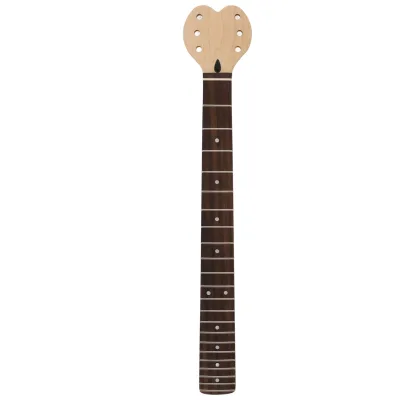
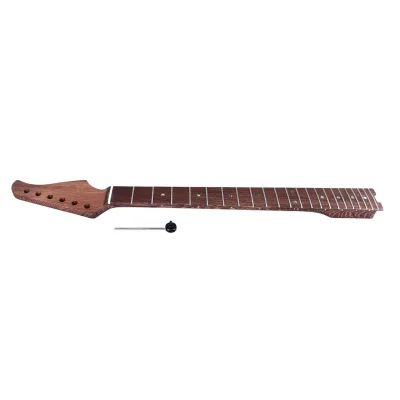
Compare 30 Electric Guitar Neck options featuring custom headstocks, bolt-on styles, and various materials like plastic, metal, and wood. Buyers can evaluate specifications such as fret counts, string spacing, and finishes from suppliers in China.
Key considerations
Products List


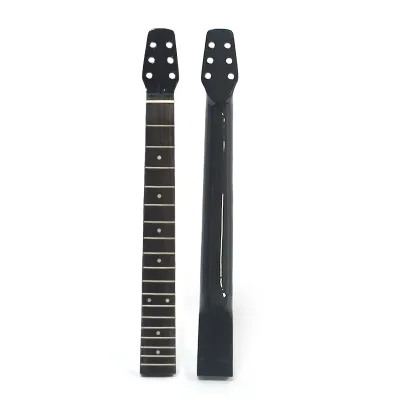


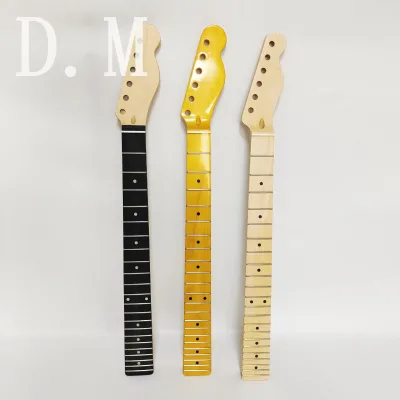
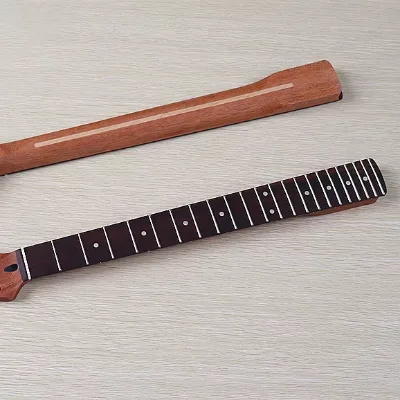
Comprehensive Sourcing Guide
Strategic Sourcing Guide for Electric Guitar Neck Components
The global market for electric guitar necks presents a complex landscape for B2B procurement professionals, characterized by a diverse array of materials, construction methods, and customization capabilities. Sourcing these critical components requires a disciplined approach that distinguishes between finished instrument assemblies and modular neck components. The available data indicates a significant variation in product attributes, ranging from plastic and metal components to solid wood constructions, alongside a wide spectrum of customization options from OEM/ODM services to non-customized stock items. This guide outlines the essential factors for evaluating suppliers and products within this category, ensuring that procurement decisions are grounded in verifiable facts rather than marketing assertions.
Technical Specifications and Material Composition
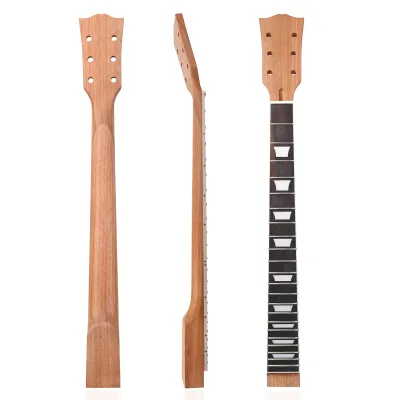
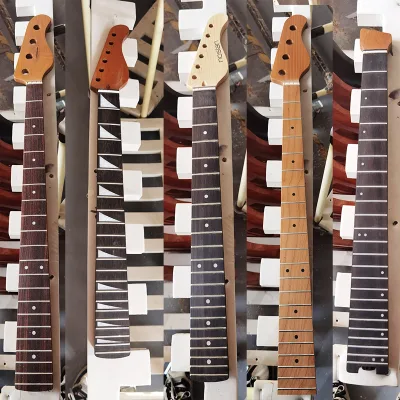
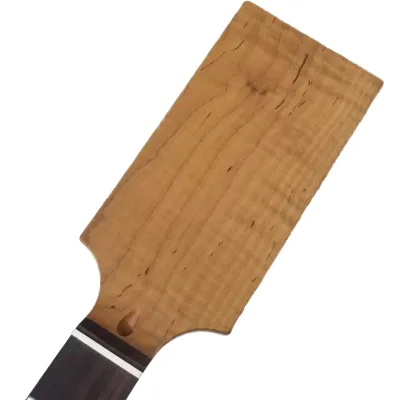
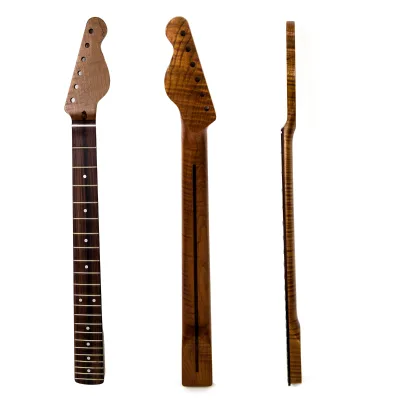
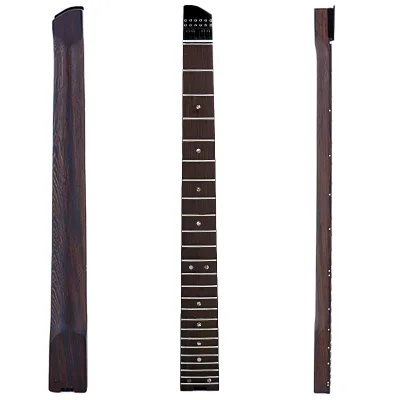
The technical definition of an Electric Guitar Neck varies significantly based on the intended application, whether for a full instrument assembly or a replacement component. A primary differentiator in the current market is the material composition. Data observations reveal products constructed from plastic, metal, and various wood types, including maple, basswood, and rosewood. When evaluating a supplier, the buyer must verify the specific material designation for the neck body, the fingerboard, and the truss rod assembly. For instance, some listings specify a maple neck with a rosewood fingerboard, a traditional combination known for specific tonal characteristics, while others may list stainless steel and wood composites or entirely synthetic materials.
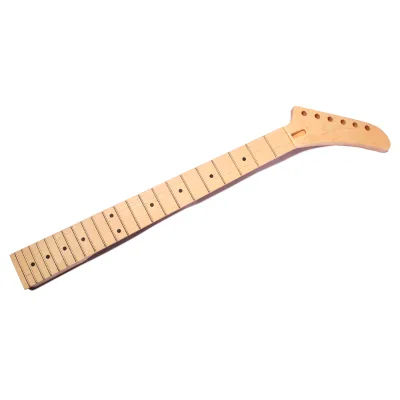
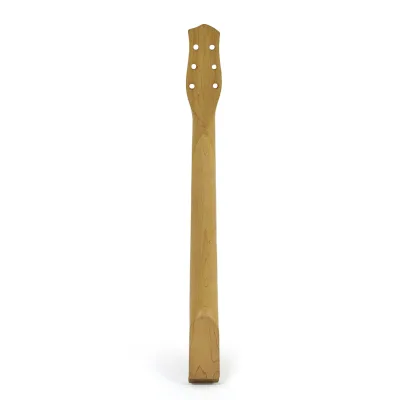
Construction style is another critical technical parameter. The market offers both bolt-on and custom headstock configurations. A bolt-on style typically implies a specific joinery method that allows for easier repair and replacement, whereas a custom headstock suggests a unique design or branding opportunity. The fret count is another standard specification that buyers must confirm; observed data includes a 22-fret standard, which is common for many electric guitar models, though other configurations may exist. Furthermore, the physical dimensions, such as string spacing and pole hole sizes, are vital for compatibility with existing hardware. Specific observations note string spacing of 50mm and pole holes of 5mm, but these are not universal. Procurement teams must request detailed dimension sheets to ensure that the selected neck matches the scale length and bridge specifications of the target instrument.
Customization Capabilities and Production Models
One of the most significant advantages of sourcing from the current market is the availability of extensive customization options. The data explicitly confirms that customization is available for many products, with suppliers welcoming OEM (Original Equipment Manufacturer) and ODM (Original Design Manufacturer) requests. This allows buyers to tailor the neck to specific brand identities, including custom headstock designs and color finishes. However, a critical distinction must be made between customizable and non-customized products. Some listings clearly state "Non-Customized," indicating that these are off-the-shelf items with fixed specifications.
When engaging with suppliers for custom orders, the buyer should verify the specific model numbers associated with the customization. The observed data includes a wide range of model identifiers, such as SCN001, PB10, NP003, DT-07, DT03, SE-G15, KIT-N-TL02, DT06, DT05, and FEGN-01. These codes often correspond to specific design templates or production lines. For a successful OEM partnership, the procurement team must ensure that the supplier can maintain consistency across these model numbers while accommodating specific requests for branding, finish, or hardware integration. The presence of "Customized" attributes in some listings alongside "Non-Customized" in others suggests a bifurcated supply chain where buyers must clearly articulate their needs to avoid receiving stock items when custom work was required.
Compliance, Standards, and Quality Verification
In the absence of explicit certification data in the provided context, buyers must exercise rigorous due diligence regarding compliance and quality standards. The market data references specific standards, such as a "22 fret" standard and dimensional standards like "64*51mm" or "71X10X8 cm." These serve as baseline technical requirements but do not inherently guarantee compliance with international safety or environmental regulations. Buyers should verify if the products meet relevant industry standards for musical instrument safety, such as those concerning lead content in paints or finishes, and formaldehyde emissions in wood products.
Quality verification should extend to the manufacturing process. Observations indicate a "Glossy" finish as a common attribute, but the durability and application method of this finish are not detailed. To ensure quality, buyers should request samples that have undergone stress testing for neck stability, fret wear, and finish adhesion. The origin of the products is listed as China, with specific mentions of Guangzhou and Guangdong. While these regions are known for manufacturing clusters, the specific factory location and its audit history should be confirmed. Buyers should not assume that a product labeled with a specific model number automatically meets a global standard; instead, they must request third-party test reports or factory audit certificates to validate the quality claims.
Cost Drivers and Pricing Structures
Understanding the cost drivers for electric guitar necks is essential for effective budget management. The observed price range in the market spans from $0.13 to $299, a variance that reflects the diversity of product types, from simple plastic or metal components to fully assembled wooden necks with premium finishes. The Minimum Order Quantity (MOQ) also varies, with observed ranges from 1 to 100 units. This flexibility allows buyers to test the market with small orders or commit to larger volumes for cost efficiency.
Several factors influence the final cost. Material selection is a primary driver; necks made from premium woods like maple or rosewood will inherently cost more than those made from plastic or metal composites. Customization adds a significant premium, as it requires dedicated tooling, design time, and potentially smaller production runs. The packaging requirements, such as "10PCS/Carton" or "100PCS/Carton," also impact logistics costs and must be factored into the total landed cost. Additionally, the complexity of the construction, such as the inclusion of specific hardware like 4PCS screws or specific pole hole configurations, can affect manufacturing time and cost. Buyers should negotiate based on the total value proposition, balancing unit price against the quality of materials and the level of customization required.
Supplier Evaluation and Operational Logistics
Evaluating suppliers requires a focus on their operational capabilities and logistical reliability. The data indicates that products originate from China, with specific hubs in Guangzhou and Guangdong. When assessing a potential partner, buyers should verify the supplier's capacity to handle the required volume, considering the observed MOQs. A supplier with a high MOQ may not be suitable for a startup brand, while one with a very low MOQ might lack the infrastructure for large-scale production.
Packaging standards are another critical operational metric. The observed data shows variations in packaging, ranging from simple cartons to specific counts like "10PCS Per Carton." Consistent and protective packaging is vital to prevent damage during transit, especially for wooden components that may be sensitive to humidity and temperature changes. Buyers should also inquire about lead times, although specific figures are not provided in the source data. Establishing clear communication channels and understanding the supplier's production schedule is essential to ensure timely delivery. Furthermore, the supplier's ability to handle the "OEM or ODM" requests should be validated through a review of their design team and production flexibility.
Long-Term Procurement and Market Trends
For long-term procurement success, buyers must consider the scalability and adaptability of their supply chain. The electric guitar market is dynamic, with trends shifting towards both traditional craftsmanship and modern, cost-effective manufacturing. The availability of both "Customized" and "Non-Customized" options suggests a market that can support both niche boutique brands and mass-market distributors. Buyers should plan for a phased approach, starting with smaller orders to validate quality and then scaling up as the brand establishes itself.
Sustainability is an emerging consideration in the musical instrument industry. While not explicitly detailed in the provided data, buyers should proactively ask suppliers about their sourcing of wood and their environmental practices. Ensuring that the wood used is sustainably harvested and that the manufacturing process minimizes waste can be a significant differentiator in the market. Additionally, the ability to adapt to changing design trends, such as new fret configurations or alternative materials, will be crucial for maintaining a competitive edge. By maintaining a relationship with a flexible supplier who can navigate the complexities of customization and standard production, buyers can secure a reliable supply chain that supports long-term growth.
Comparative Analysis of Product Attributes
To facilitate decision-making, the following table summarizes the key attributes observed in the market, highlighting the diversity available to buyers.
| Attribute Category | Observed Variations | Procurement Consideration |
|---|---|---|
| Material | Plastic, Metal, Maple, Basswood, Rosewood, Stainless Steel | Verify material grade and suitability for intended use. |
| Construction Style | Bolt on, Custom Headstock, Solid Body Structure | Ensure compatibility with existing instrument designs. |
| Customization | Available (OEM/ODM), Non-Customized | Clearly define requirements to avoid stock mismatches. |
| Dimensions | 50mm String Spacing, 5mm Pole Holes, 64*51mm, 71X10X8 cm | Request detailed technical drawings for fitment. |
| Finish | Glossy, Black, Natural | Assess durability and aesthetic consistency. |
| Fret Standard | 22 Fret | Confirm fret count matches target instrument specs. |
| Origin | China (Guangzhou, Guangdong) | Verify factory audits and logistics capabilities. |
| Packaging | 10PCS/Carton, 100PCS/Carton, Carton Box | Calculate shipping costs and damage risk. |
This comparative view underscores the necessity of precise specification matching. The wide range of options, from basic plastic components to complex wooden assemblies, requires a meticulous approach to sourcing. By focusing on verified attributes and maintaining a clear understanding of the supply chain dynamics, buyers can navigate the Electric Guitar Neck market effectively, ensuring that their procurement strategies align with both quality standards and business objectives.
FAQs
What materials are used for electric guitar necks?
Electric guitar necks are constructed from plastic, metal, maple, basswood, rosewood, or stainless steel. Buyers must verify the specific material designation for the neck body and fingerboard to ensure tonal compatibility and durability for their specific instrument design.
Can I customize the headstock design for my brand?
Customization is available for many products, including custom headstock designs. However, some listings are non-customized, so buyers must clearly specify OEM or ODM requirements to avoid receiving stock items when custom work was intended.
What is the standard string spacing for these necks?
Observed data indicates a standard string spacing of 50mm for certain models. Procurement teams must request detailed dimension sheets to confirm if this spacing matches the scale length and bridge specifications of the target instrument.
How many frets are typically included in the standard?
The market data references a 22-fret standard as a common configuration. Buyers must confirm the exact fret count matches their target instrument specs, as other configurations may exist outside this observed standard.
Which packaging options are available for bulk orders?
Packaging varies from 10PCS per carton to 100PCS per carton or simple carton boxes. Consistent and protective packaging is vital to prevent damage during transit, especially for wooden components sensitive to humidity and temperature changes.
Where are these electric guitar necks manufactured?
Products originate from China, with specific hubs in Guangzhou and Guangdong. Buyers should verify factory audits and logistics capabilities in these regions to ensure quality control and reliable shipping schedules for their orders.
What is the price range for Electric Guitar Neck components?
The observed price range spans from 0.13 to 299 USD, reflecting diverse product types. Material selection and customization levels significantly influence the final cost, requiring buyers to balance unit price against material quality and design complexity.