Source Furniture Cowhide for Living Room, Hotel, and Workshop
Compare 30 listings of Furniture Cowhide from verified suppliers in Guangdong, China. Options include genuine leather for sofas, chairs, and beds with varying thickness, colors, and styles ranging from antique to modern designs suitable for various commercial and residential applications.
Updated
Key considerations
Products List
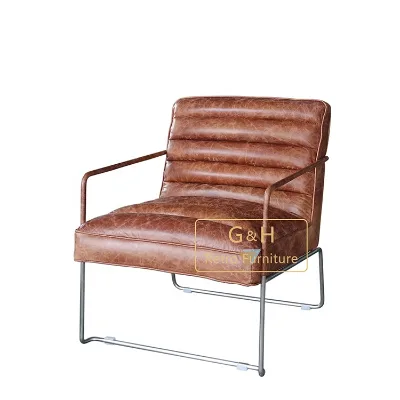


Elegant Brown Cowhide Leather Bookcase for Home Office and Living Room
$789.00 - $880.00
MOQ: 1 Pieces


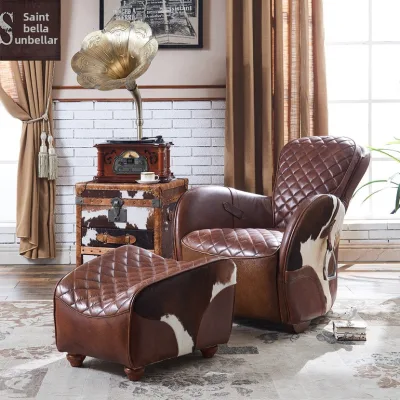
Customized Luxury Real Leather Cowhide Saddle Chair for Living Room or Bedroom
$651.00 - $699.00
MOQ: 1 Pieces


Restaurant Furniture Cafe Metal Leg Design Cowhide Leather Dining Coffee Chair
$60.00 - $120.00
MOQ: 2 Pieces
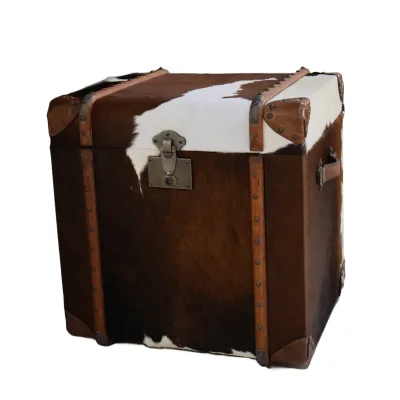
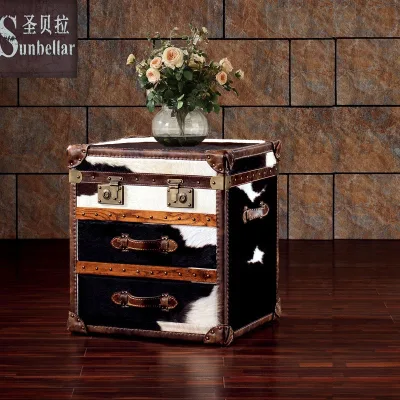
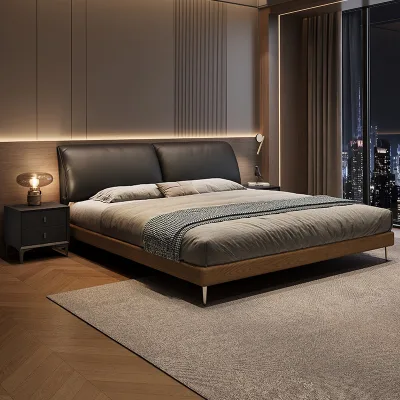
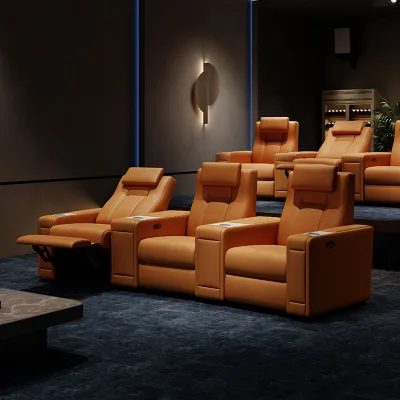
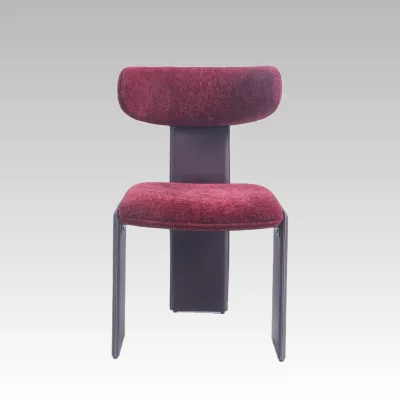
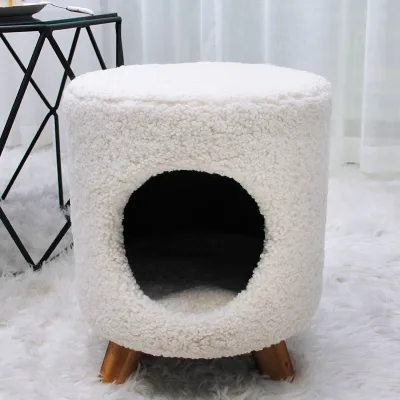




Executive Genuine Leather Chair Top-Grain Cowhide B2b Project Factory
$125.99 - $128.99
MOQ: 30 pieces


Comprehensive Sourcing Guide
Furniture Cowhide Sourcing Guide
Product Scope and Observed Listing Signals
The current market landscape for Furniture Cowhide reveals a diverse array of applications, primarily targeting living rooms, hotels, malls, and home bars. Listings indicate that genuine leather is frequently marketed for upholstery purposes, including sofas, chairs, beds, and storage solutions. Buyers should note that products are often categorized under leisure chairs or traditional design styles, with specific finishes like antique or natural grain patterns. The observed data suggests a strong emphasis on aesthetic versatility, with options ranging from dark brown solid colors to customized color swatches that allow for tailored interior design integration.
Commercial signals highlight significant variability in minimum order quantities and packaging methods. Some suppliers offer single-item purchases with a minimum order quantity of just one piece, catering to small-scale or sample orders, while others require bulk commitments measured in square footage, such as fifty square feet. Packaging details indicate that items are often shipped in mail packing formats, with specific dimensions provided for single packages, such as 250x50x50 cm. This variance requires buyers to carefully align their procurement volume with supplier capabilities, ensuring that the chosen vendor can meet both the quantity requirements and the logistical constraints of the shipment.
Technical Specifications to Verify
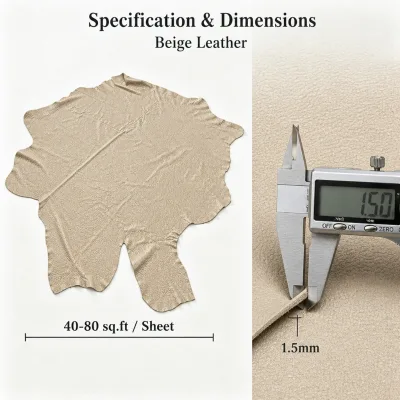
When evaluating technical specifications, thickness is a critical parameter that directly influences durability and tactile quality. Observed listings specify a thickness range of 1.1 to 2.0 mm, which corresponds to approximately 0.04 to 0.08 inches. Buyers must verify that the selected leather meets the structural demands of the intended furniture piece, as thicker hides generally offer greater resistance to wear and tear. Additionally, the hand feel is described as soft, indicating a supple texture that enhances comfort. It is essential to confirm that the leather’s physical properties align with the ergonomic requirements of the final product, particularly for high-use items like dining chairs or frequently used sofas.
Material composition and structural integrity are equally important factors that require rigorous verification. The primary materials often include a wooden frame combined with high-density sponge and down feather fillings, which support the leather upholstery. Buyers should inspect the quality of these underlying components, as they contribute significantly to the overall longevity and comfort of the furniture. Furthermore, the leather itself is identified as genuine cowhide, with some listings noting a natural grain pattern. It is crucial to distinguish between full-grain, top-grain, and corrected leather, as these distinctions affect breathability, aging characteristics, and maintenance requirements. Verifying the exact type of cowhide ensures that the product meets the expected quality standards for residential or commercial use.
Compliance and Safety Documentation
Safety and compliance documentation form the backbone of responsible procurement, particularly when sourcing materials for indoor environments. Buyers must ensure that the leather and associated upholstery materials comply with relevant flammability standards, such as those mandated for furniture in specific regions. Although specific certification names are not provided in the observed data, it is imperative to request test reports that verify the material’s resistance to ignition and smoke density. This documentation protects both the manufacturer and the end-user from potential fire hazards, ensuring that the furniture meets legal safety requirements in the destination market.
Environmental and chemical safety is another critical area that requires thorough documentation. Leather processing often involves chemical treatments, and buyers should verify that the materials are free from harmful substances such as heavy metals or excessive formaldehyde. Requesting material safety data sheets (MSDS) and compliance certificates for organic and durable claims helps mitigate health risks associated with off-gassing or skin contact. Additionally, verifying the origin of the raw materials can provide insights into the ethical sourcing practices of the supplier. Ensuring that the leather is sourced from reputable tanneries that adhere to environmental regulations contributes to the overall sustainability profile of the final product.
Cost Drivers and Commercial Terms
Cost drivers in the Furniture Cowhide market are influenced by material quality, customization options, and order volume. The observed price range spans from 1.49 to 4999 USD, reflecting the vast difference between sample orders and bulk purchases of high-quality leather. Factors such as the thickness of the hide, the complexity of the grain pattern, and the inclusion of additional features like down feather fillings significantly impact the final price. Buyers should analyze the cost structure to understand how each variable contributes to the total expense, allowing for more accurate budgeting and cost control throughout the procurement process.
Commercial terms, including minimum order quantities and payment conditions, play a crucial role in shaping the procurement strategy. The observed MOQs vary widely, from single-piece orders to bulk requirements measured in square feet. This flexibility allows buyers to start with smaller orders to test quality before committing to larger volumes. However, it is essential to negotiate clear terms regarding shipping, insurance, and return policies. Understanding the lead times and production schedules is also vital, as delays can impact inventory management and customer satisfaction. Establishing a transparent communication channel with the supplier ensures that both parties are aligned on expectations and responsibilities.
Supplier Qualification and Quality Control
Supplier qualification is a critical step in ensuring the reliability and consistency of the Furniture Cowhide supply chain. Buyers should conduct thorough due diligence to verify the supplier’s manufacturing capabilities, quality control processes, and track record. This includes assessing the supplier’s facility, equipment, and workforce expertise in handling genuine leather. Requesting references from previous clients and reviewing case studies can provide valuable insights into the supplier’s performance and reliability. Additionally, verifying the supplier’s certifications and compliance with industry standards helps mitigate risks associated with poor quality or non-compliant products.
Quality control measures must be implemented at every stage of the production process to maintain high standards. Buyers should establish clear quality specifications and inspection criteria, covering aspects such as leather texture, color consistency, and structural integrity. Implementing pre-production samples and mid-production inspections allows for early detection and correction of defects. Furthermore, conducting final random inspections before shipment ensures that the delivered products meet the agreed-upon quality standards. Establishing a robust quality control framework not only protects the buyer’s interests but also enhances the overall reputation and competitiveness of the final product in the market.
Long-Term Procurement Checks
Long-term procurement checks are essential for maintaining a sustainable and efficient supply chain. Buyers should regularly review supplier performance metrics, including delivery times, product quality, and responsiveness to issues. Establishing key performance indicators (KPIs) and conducting periodic audits helps identify areas for improvement and ensures that the supplier continues to meet evolving business needs. Additionally, fostering a collaborative relationship with the supplier can lead to better pricing, priority service, and access to new product innovations. Regular communication and feedback loops are vital for addressing any emerging challenges and strengthening the partnership over time.
Market trends and technological advancements in leather processing and furniture design should be continuously monitored to stay competitive. Buyers should explore opportunities for customization and innovation, such as new finishes, sustainable materials, or ergonomic designs. Engaging with industry networks and attending trade shows can provide insights into emerging trends and best practices. Furthermore, diversifying the supplier base can mitigate risks associated with single-source dependencies and ensure business continuity. By adopting a proactive and strategic approach to procurement, buyers can secure a reliable supply of high-quality Furniture Cowhide that supports long-term business growth and customer satisfaction.
FAQs
What is the MOQ for genuine cowhide leather upholstery?
The minimum order quantity is 50 square feet for bulk leather materials. This threshold applies to the KDX brand cowhide used for sofas and beds. Buyers seeking smaller quantities may need to look for finished furniture pieces which often have a lower MOQ of just one piece for leisure chairs.
Can I customize the color of the leather furniture?
Yes, customization is available for both the leather material and the finished chairs. The KDX brand offers color swatches for upholstery selection, while the ANCORA leisure chair allows for customized colors. This flexibility ensures that the dark brown or other tones match your specific interior design requirements.
What is the thickness range of the supplied cowhide?
The genuine cowhide leather thickness ranges from 1.1 to 2.0 mm. This measurement corresponds to approximately 0.04 to 0.08 inches. This specific thickness is suitable for upholstery applications including sofas, beds, and chairs, providing a balance between durability and a soft hand feel for furniture makers.
Where are the Furniture Cowhide products manufactured?
The products originate from Guangdong, China. Both the ANCORA leisure chairs and the KDX cowhide leather are produced in this region. This location is a major hub for furniture manufacturing, ensuring that the wooden frames, high-density sponge, and genuine leather components are sourced and assembled efficiently.
What materials are used in the leisure chair construction?
The main materials include a wooden frame, high-density sponge, and down feather filling. The exterior is covered with genuine cowhide leather. This combination ensures the chair is durable and comfortable, suitable for use in living rooms, hotels, and home bars while maintaining a traditional or modern design style.
Is the leather described as organic and durable?
Yes, the product features are listed as organic and durable. The material is genuine cowhide with a natural leather pattern and nautal grain appearance. This quality ensures that the upholstery for sofas and beds remains robust over time, making it a reliable choice for high-traffic areas like malls and workshops.