Source Oil Cooled Turbine for Hydro, Steam, and Power Applications
Find 30 Oil Cooled Turbine options including Pelton, Francis, and steam models. Compare specifications for horizontal or vertical shafts, stainless steel or carbon steel materials, and rated powers from 50kW to 900kW. Source reliable units from China with CE and IEC standards.
Updated
Key considerations
Products List


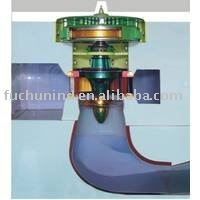
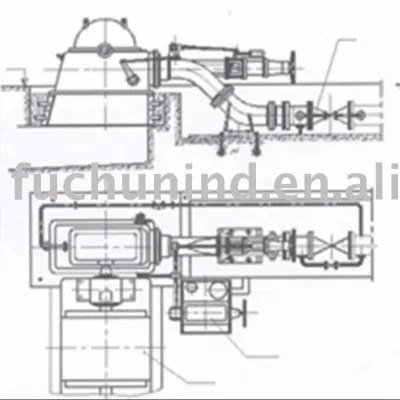
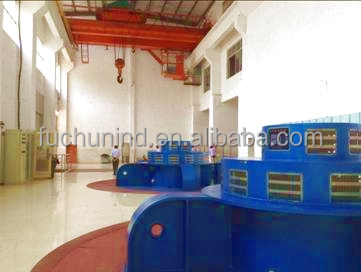
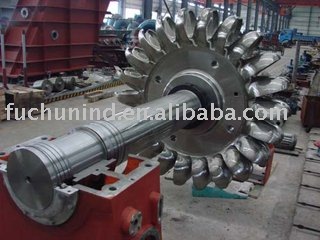
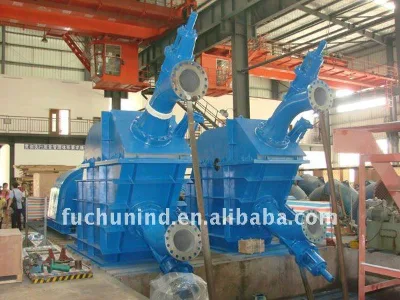


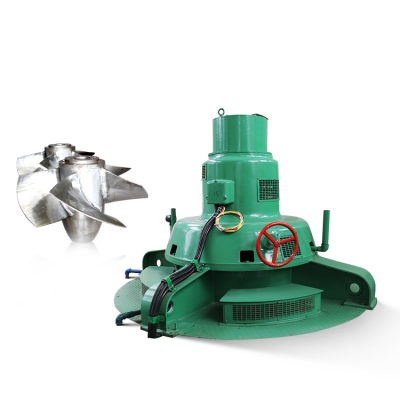
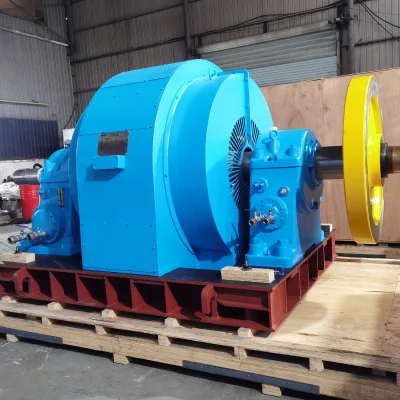
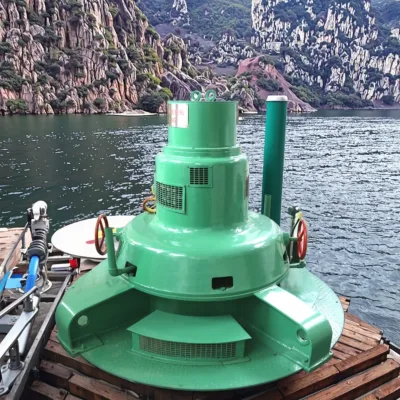
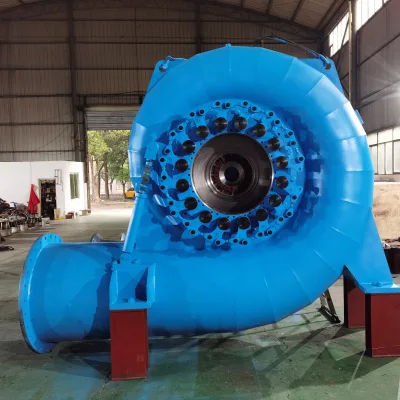
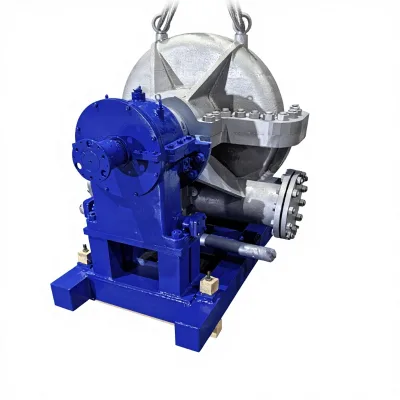
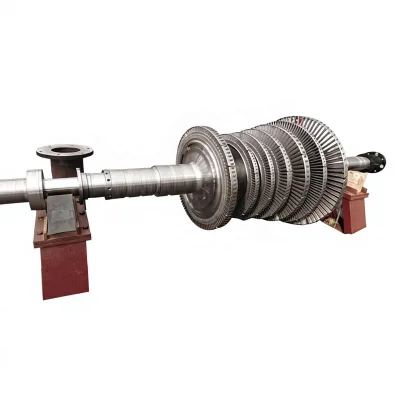
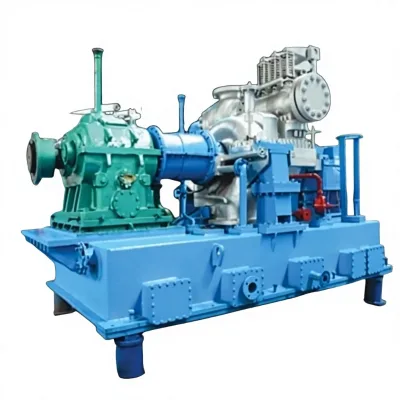
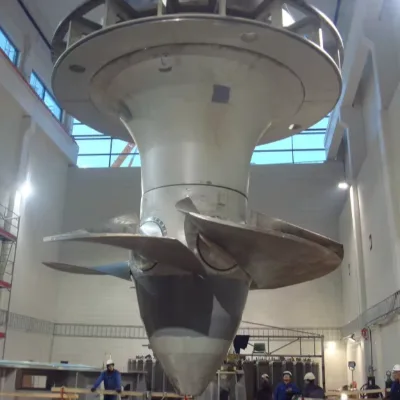
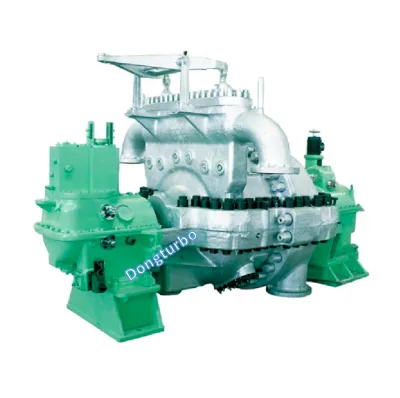
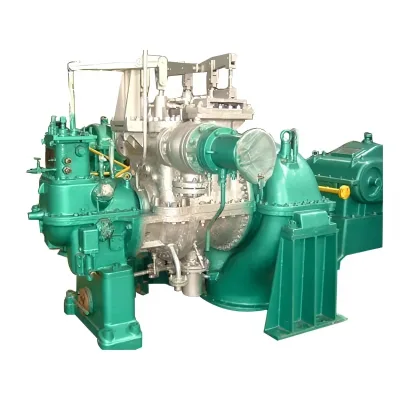
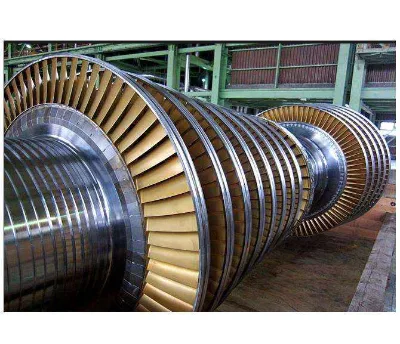
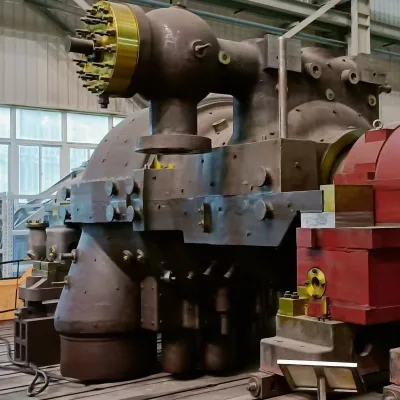
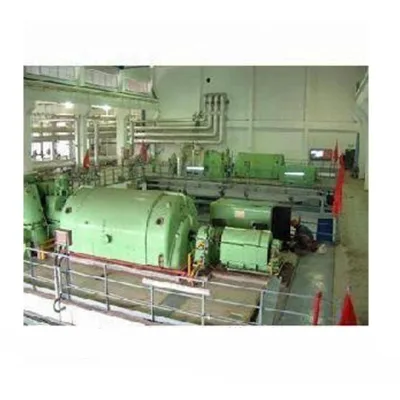
Dongturbo 15MW-20MW High Speed Industrial Co-generation Steam Turbine
$51550.664 - $3794128.8704
MOQ: 1 Minimum
Comprehensive Sourcing Guide
Oil Cooled Turbine Sourcing Guide
Procuring oil-cooled turbine systems requires a nuanced understanding of thermal management strategies and mechanical design integration. Buyers must distinguish between turbines that utilize oil for cooling versus those that rely on air or water, as the terminology can vary across supplier listings. The core keyword suggests a focus on thermal regulation within the turbine assembly, which is critical for maintaining efficiency and extending component lifespan in high-load environments. Understanding the specific cooling mechanism is the first step in defining accurate technical requirements.
This guide addresses the complexities of sourcing these specialized power generation components by analyzing observed market signals and technical specifications. It provides a framework for evaluating supplier claims against verified product attributes, ensuring that procurement decisions are grounded in factual data rather than marketing assertions. By focusing on observable listing details and standard compliance markers, buyers can mitigate risks associated with mismatched specifications and ensure that the selected turbine meets the operational demands of their specific energy infrastructure projects.
Product Scope and Observed Listing Signals
The observed market data reveals a diverse range of turbine types, including Pelton, Francis, Kaplan, Tubular, and Turgo configurations, indicating that the term "oil cooled" may apply to various hydraulic or steam-based systems. Listings show a wide price range from $1,000 to over $3.7 million, reflecting the variability in scale, material quality, and customization options. Buyers should note that while some products are explicitly labeled as axial flow hydraulic turbines, others are identified as steam turbines or brushless generators, suggesting that the cooling method is often a secondary attribute to the primary energy conversion type.
Packaging and origin data provide additional context for logistics and quality expectations. Products are typically packed in wooden boxes or cases with brackets, originating primarily from Ganzhou and Shanghai in China. The presence of brands like Fuchun and Semc, along with model numbers that are sometimes listed as "NA," highlights the importance of verifying specific model identifiers before placing orders. The selling units are generally single items, which simplifies the procurement process but necessitates careful attention to individual product specifications rather than bulk lot characteristics.
Technical Specifications to Verify
When evaluating technical parameters, buyers must scrutinize electrical and mechanical outputs to ensure compatibility with existing infrastructure. Observed specifications include rated voltages of 380 V, 400 V, 440 V, 6 kV, and 10 kV, alongside output types that can be either AC three-phase or DC. The rated power ranges from 50-200 kW up to 900 kW, with speeds commonly listed at 1,000 RPM or 1,500 RPM. It is crucial to confirm whether the oil cooling system is integrated with the generator or the turbine itself, as this affects the overall system design and maintenance requirements.
Material composition and shaft configuration are equally critical for durability and installation. Available materials include stainless steel, carbon steel, and copper, with shaft types offered in both horizontal and vertical orientations. The cooling method is explicitly noted as forced convection cooling in some listings, which may imply the use of oil or air in a forced circulation loop. Buyers should verify the exact application, such as electric power transmission or use in control panels, to ensure that the turbine’s physical dimensions, such as the observed size of 4M2.3M2.2M, fit within the designated installation space.
Compliance and Safety Documentation
Certification status is a primary indicator of regulatory compliance and manufacturing quality. Observed certifications include CE, TLC, ISO, and CCC, which are essential for markets requiring strict adherence to safety and environmental standards. The CE mark indicates conformity with health, safety, and environmental protection standards for products sold within the European Economic Area, while ISO certification suggests adherence to international management system standards. Buyers should request valid certificates for each specific model, as compliance may vary across different product lines and manufacturing batches.
Standards and specifications further define the operational boundaries of the equipment. Listings reference CE/IEC standards and general standard specifications, though specific technical standards like ASTM D4304 or DIN 51515 are mentioned in background contexts without direct product linkage. It is imperative to verify which standards apply to the specific oil-cooled turbine being purchased, particularly regarding pressure side configurations like back pressure steam turbines. Ensuring that the documentation aligns with local regulatory requirements prevents legal liabilities and ensures safe operation in industrial settings.
Cost Drivers and Commercial Terms
The price range observed in the market, spanning from $1,000 to $3,794,128.87, is driven by factors such as rated power, material quality, and customization availability. Higher-priced units likely correspond to larger capacities, such as the 900 kW models, or those with specialized materials like stainless steel. Customization is explicitly available, which can significantly impact cost depending on the complexity of the required modifications, such as specific voltage ratings or shaft types. Buyers should anticipate that tailored solutions will incur higher upfront costs but may offer better long-term operational efficiency.
Minimum order quantities (MOQ) are consistently observed at one unit, indicating that suppliers are flexible regarding order size. This flexibility allows for single-unit procurement for pilot projects or specific replacements without the burden of bulk purchasing. However, the single-item selling unit structure means that logistics and shipping costs must be calculated individually for each order. Buyers should negotiate clearly on whether the quoted price includes packaging, such as the standard wooden case, and clarify any additional fees for customization or expedited processing.
Supplier Qualification and Quality Control
Supplier verification should focus on origin and brand reputation to assess reliability. Products originate from Jiangxi and Shanghai, China, with brands like Fuchun and Semc appearing in the listings. While the specific supplier names are not always disclosed, the consistency of origin and brand can serve as a proxy for quality control. Buyers should investigate the manufacturing facilities in these regions to understand their production capabilities and quality assurance processes. Verifying the supplier’s history with similar turbine types, such as steam or hydraulic turbines, can provide insights into their technical expertise.
Quality control measures should be explicitly discussed during the procurement process. Given the variation in materials and specifications, buyers should request detailed inspection reports and factory audit results. The presence of standard packaging and specific model numbers suggests a level of organized production, but buyers must confirm that each unit undergoes rigorous testing before shipment. Establishing clear acceptance criteria based on observed specifications, such as output current and voltage, ensures that the delivered product meets the agreed-upon technical standards.
Long-Term Procurement Checks
Long-term success depends on the availability of spare parts and technical support. Buyers should verify the supply chain for critical components like copper windings or stainless steel parts, which are prone to wear in oil-cooled systems. The observed customization options suggest that suppliers may offer tailored maintenance packages, but this needs to be confirmed. Ensuring that the supplier can provide ongoing technical assistance for issues related to forced convection cooling or electrical output stability is essential for minimizing downtime.
Lifecycle management also involves monitoring performance against initial specifications. Buyers should establish a baseline for parameters such as rated current (e.g., 30 A) and voltage (e.g., 220 V) to detect deviations over time. Regular audits of the turbine’s condition, particularly regarding the oil cooling system’s integrity, will help prevent catastrophic failures. By maintaining a close relationship with the supplier and keeping detailed records of all technical specifications and compliance documents, buyers can optimize the total cost of ownership and ensure reliable power generation.
FAQs
What turbine types are available for oil cooled systems?
Available turbine types include Francis, Pelton, Kaplan, Tubular, and Turgo configurations. These options allow for specific hydraulic conditions and flow rates. The system supports both horizontal and vertical shaft arrangements. This flexibility ensures the equipment matches the site's physical layout and operational requirements effectively.
Can the turbine be customized for specific projects?
Yes, customization is available for these turbine systems. Buyers can request specific modifications to meet unique project requirements. The manufacturer supports tailored solutions to ensure optimal performance. This service allows for precise alignment with the intended application and site-specific hydraulic parameters.
What materials are used in the turbine construction?
The turbine is constructed from stainless steel, carbon steel, or copper. These materials provide durability and resistance to corrosion. The choice depends on the specific water quality and operational environment. Stainless steel offers high strength, while carbon steel provides cost-effective structural integrity for various industrial applications.
What certifications do the turbines hold?
The turbines hold CE, TLC, ISO, and CCC certifications. These standards ensure compliance with international safety and quality regulations. The products also meet IEC standards for electrical and mechanical performance. This certification portfolio supports global sourcing and ensures reliable operation in diverse market environments.
What is the typical packaging for the turbine?
The turbine is packaged in a wood box with a bracket or a wooden case. This packaging protects the equipment during transit and handling. The bracket ensures secure mounting and stability. Standard packaging options are also available to meet specific logistical requirements and prevent damage during shipping.
Where are these turbines manufactured?
These turbines are manufactured in Ganzhou and Shanghai, China. The production facilities are located in Jiangxi province. This location supports efficient supply chain management and logistics. Buyers can source directly from these established manufacturing hubs in China for reliable delivery and support.