Source VQ40DE Timing Belt Kit for Automotive, Marine, and Industrial Use
Find 30 VQ40DE Timing Belt Kit options from Chinese suppliers. Compare features like high temperature resistance, toothed belt profiles, and OEM compatibility for automotive engine systems, agricultural machinery, and mining equipment; compare the available evidence and request quotations based on your requirements.
Updated
Key considerations
Products List


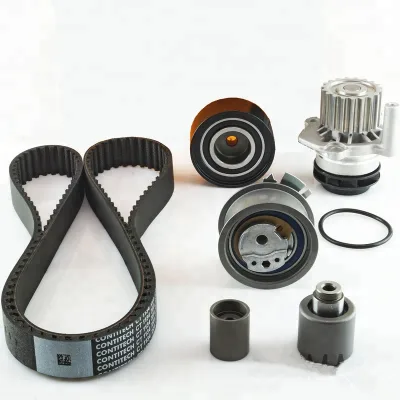
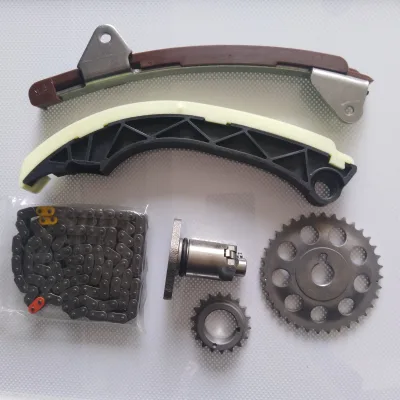


$190.00 - $207.00
MOQ: 1 Pieces
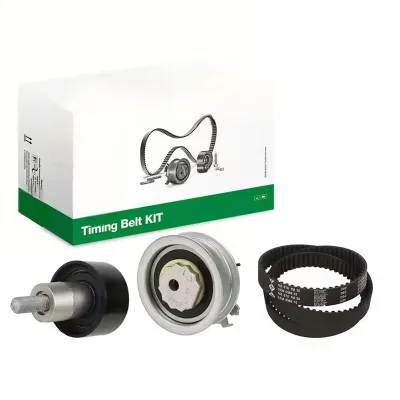

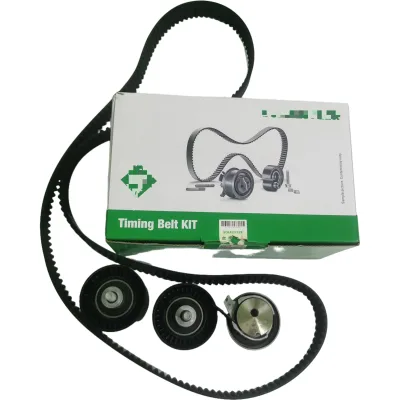
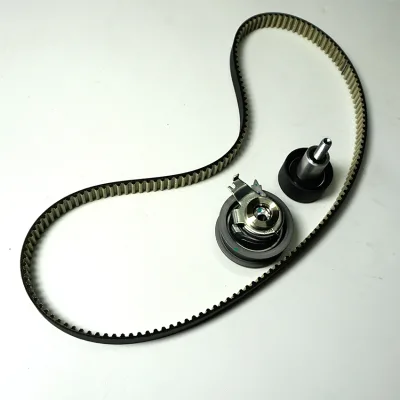
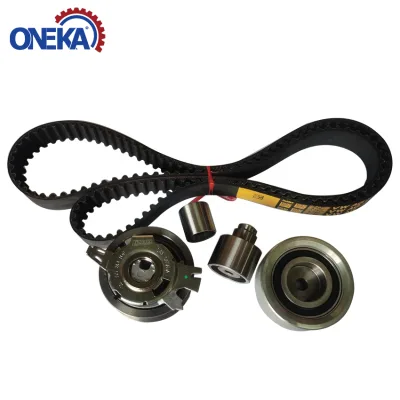


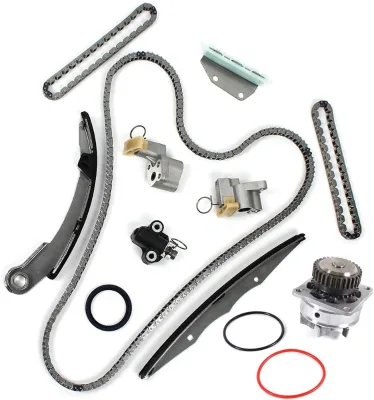


Comprehensive Sourcing Guide
VQ40DE Timing Belt Kit Sourcing Guide
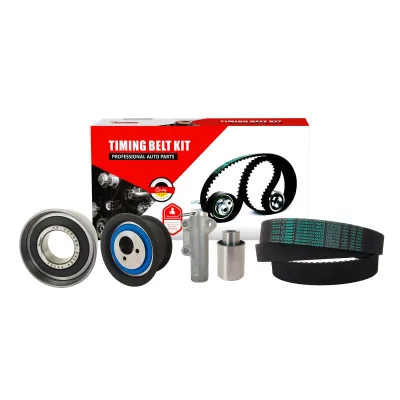
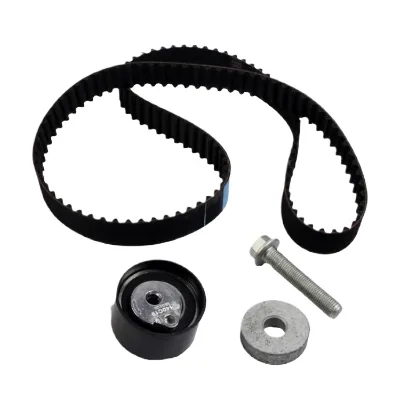
Procuring replacement timing belt kits for the Nissan VQ40DE engine requires careful attention to component completeness and material integrity. The VQ40DE is a widely used V6 powerplant found in various automotive applications, where the timing system plays a critical role in engine synchronization. Buyers must ensure that the selected kit includes all necessary elements, such as the belt itself, tensioners, and idler rollers, to guarantee proper installation and long-term reliability.
The market offers various configurations, including kits with rounded tooth profiles and specific roller counts. Observations indicate that some listings provide kits with three rollers, while others may include only one or two parts. It is essential to verify the exact contents of the package against the vehicle’s service manual requirements. Mismatched components can lead to premature wear or catastrophic engine failure, making precise specification matching a top priority for procurement teams.
Product Scope and Observed Listing Signals
Current market listings reveal a diverse range of timing belt kits, with prices varying significantly based on brand, material, and included components. The observed price range spans from low-cost options to premium kits, reflecting differences in quality and supplier positioning. Buyers should note that the minimum order quantity (MOQ) typically ranges from one to five hundred units, allowing for both small-scale repairs and bulk fleet maintenance purchases.
Product attributes often highlight features such as high temperature resistance, oil resistance, and wear resistance, which are crucial for engine longevity. Some kits are specified with HNBR material, known for its durability and resistance to heat and chemicals. Additionally, listings may specify OEM numbers, such as 078109119C or 11317624063, which serve as critical reference points for compatibility. Buyers must cross-reference these numbers with their vehicle’s requirements to ensure a proper fit.
Technical Specifications to Verify
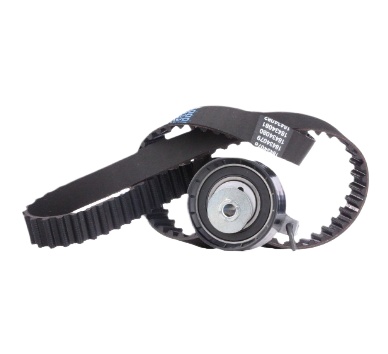
When evaluating technical specifications, buyers should focus on the belt’s physical characteristics and material composition. The presence of a rounded tooth profile is a common feature, designed to reduce noise and improve engagement with the camshaft and crankshaft sprockets. It is vital to confirm the belt length and tooth count, as these dimensions must match the original equipment manufacturer’s specifications exactly. Discrepancies in length or tooth number can result in improper timing and engine damage.
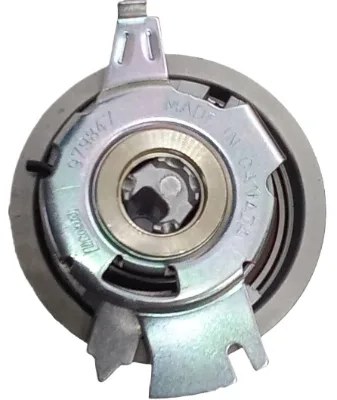
The inclusion of rollers is another critical technical aspect. Some kits are advertised as having three rollers, while others may have fewer. Buyers must verify the roller count and type, ensuring that the tensioner and idler rollers are of sufficient quality to maintain proper belt tension. Additionally, the material of the rollers, whether plastic or metal, should be considered for its impact on friction and wear. Confirming these details prevents unexpected failures during operation.
Compliance and Safety Documentation
Compliance with international standards is a key factor in selecting a reliable timing belt kit. Many suppliers claim adherence to ISO9001 certification, which indicates a robust quality management system. Buyers should request valid certification documents to verify the supplier’s commitment to quality control processes. This documentation provides assurance that the manufacturing processes are consistent and meet recognized industry benchmarks for safety and reliability.
Furthermore, buyers should inquire about any additional certifications or standards specific to automotive components, such as TS16949 or equivalent automotive quality standards. These certifications ensure that the products have undergone rigorous testing and meet the stringent requirements of the automotive industry. Verifying compliance not only mitigates risk but also enhances the credibility of the sourced products in the eyes of end-users and regulatory bodies.
Cost Drivers and Commercial Terms
Several factors influence the cost of timing belt kits, including material quality, brand reputation, and the complexity of the kit. Kits with premium materials like HNBR or those including multiple rollers tend to be more expensive. Buyers should evaluate the total cost of ownership, considering not just the purchase price but also the potential costs of premature failure and downtime. Investing in higher-quality kits can often result in long-term savings by reducing maintenance frequency and improving engine performance.
Commercial terms such as payment methods, shipping options, and warranty policies also play a significant role in the procurement decision. Buyers should negotiate favorable terms that align with their cash flow and risk management strategies. A warranty of at least one year is common, providing a safety net against manufacturing defects. Understanding these terms helps in making informed decisions that balance cost and quality effectively.
Supplier Qualification and Quality Control
Supplier qualification is a critical step in the sourcing process, requiring a thorough assessment of the supplier’s capabilities and track record. Buyers should verify the supplier’s production capacity, quality control measures, and after-sales support. Suppliers with a history of providing high-quality products and positive customer feedback are preferable. Additionally, checking the supplier’s location, such as Zhejiang or Shanghai in China, can provide insights into their logistical efficiency and market reach.
Quality control measures should include regular inspections and testing of the timing belt kits before shipment. Buyers should request samples for initial evaluation and consider implementing incoming quality control checks upon receipt. Establishing a clear communication channel with the supplier for addressing any quality issues is also essential. A proactive approach to quality management helps in maintaining consistent product standards and customer satisfaction.
Long-Term Procurement Checks
Long-term procurement success depends on continuous monitoring of supplier performance and product quality. Buyers should establish key performance indicators (KPIs) to track metrics such as delivery times, defect rates, and customer feedback. Regular audits and reviews of the supplier’s operations can help identify areas for improvement and ensure ongoing compliance with quality standards. This proactive approach helps in maintaining a reliable supply chain and minimizing disruptions.
Additionally, buyers should stay informed about industry trends and technological advancements in timing belt technology. Keeping abreast of new materials, designs, and standards can provide opportunities for cost savings and performance improvements. Building a strong relationship with the supplier through regular communication and collaboration can also lead to better pricing and priority service. A strategic approach to procurement ensures long-term value and sustainability for the business.
FAQs
What is the material composition of the VQ40DE Timing Belt Kit?
The timing belt kit is primarily constructed from high-quality rubber and HNBR materials to ensure durability. These materials provide strong tensile strength and resistance to various environmental factors. The components are designed to withstand high temperatures and oil exposure, making them suitable for automotive engine systems. This composition supports reliable performance in demanding operating conditions for vehicles like the Audi Q7.
Which certifications are associated with the VQ40DE Timing Belt Kit suppliers?
Suppliers typically provide products certified under TSISO9001 standards, ensuring consistent quality management processes. These certifications verify that the manufacturing procedures meet international requirements for automotive components. The standard component designation further indicates adherence to established industry norms. Buyers can rely on these credentials to assess the reliability and quality control measures implemented by the manufacturers during production.
Can the VQ40DE Timing Belt Kit be customized for specific applications?
Yes, customization is available for the timing belt kit to meet specific operational needs. Manufacturers offer tailored solutions that may include variations in length, tooth profile, or roller configurations. This flexibility allows for precise integration into different automotive engine systems. Buyers seeking specific dimensions or features can request custom specifications to ensure optimal fit and performance for their particular vehicle models.
What is the typical warranty period for the VQ40DE Timing Belt Kit?
The standard warranty period for the timing belt kit is generally one year or 12 months. This guarantee covers defects in materials and workmanship under normal operating conditions. It provides buyers with assurance regarding the product's reliability and longevity. The warranty terms may vary slightly depending on the specific supplier, so it is advisable to confirm the exact duration and coverage details before purchase.
How is the VQ40DE Timing Belt Kit packaged for shipping?
The timing belt kit is packaged in cartons or bags to protect the components during transit. This packaging method ensures that the belts and rollers remain secure and undamaged. The single package size is typically around 25x20x10 cm, facilitating easy handling and storage. This standardized packaging approach helps maintain product integrity and simplifies logistics for both suppliers and buyers.
What are the key features of the vq40de timing belt?
The timing belt features a rounded tooth profile and is designed to be oil-resistant, heat-resistant, and wear-resistant. These characteristics ensure smooth operation and extended service life in automotive engines. The belt also offers anti-static and flame-retardant properties for enhanced safety. Such features contribute to reliable performance and reduced maintenance requirements for vehicle owners using this specific timing belt kit.